
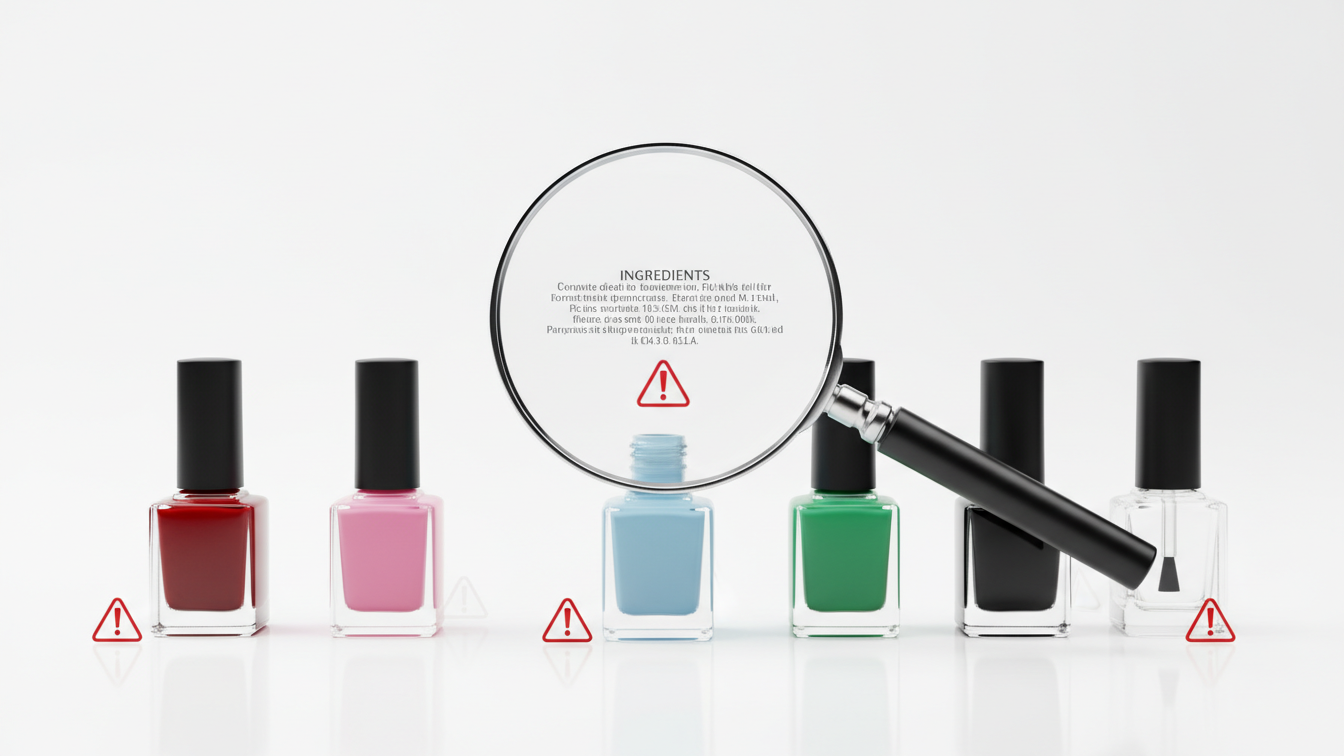
Nail polish is a common cosmetic used by many people, but concerns have grown about whether it can cause cancer. The direct answer is that regular use of nail polish does not cause cancer, but some ingredients and nail salon practices may carry certain risks. While nail polish itself is generally safe, some chemicals in certain products have raised questions because of their potential long-term effects.
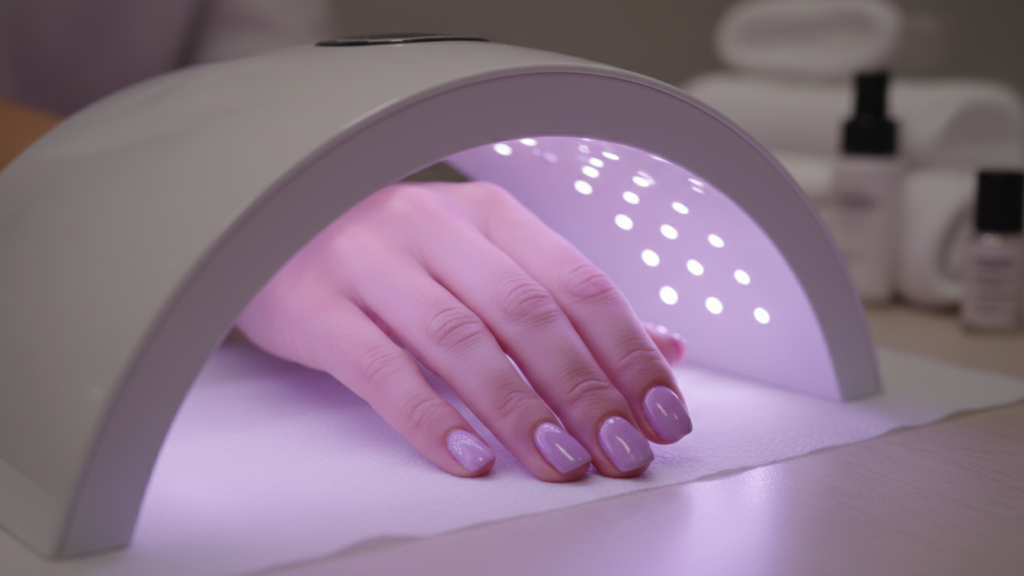
Another factor to consider is the use of UV nail lamps for drying gel polish. These lamps emit UV light, which can cause skin damage and may increase cancer risk if used often without protection. Still, the overall risk from occasional use of nail polish and UV lamps appears to be low, especially when basic safety measures are followed. Understanding these details can help readers make informed choices about their nail care.
Key Takeways
- Nail polish use is not directly linked to cancer.
- Some chemicals in nail products might pose small health risks.
- UV light from nail drying lamps can increase skin damage risk.
Understanding Nail Polish Ingredients
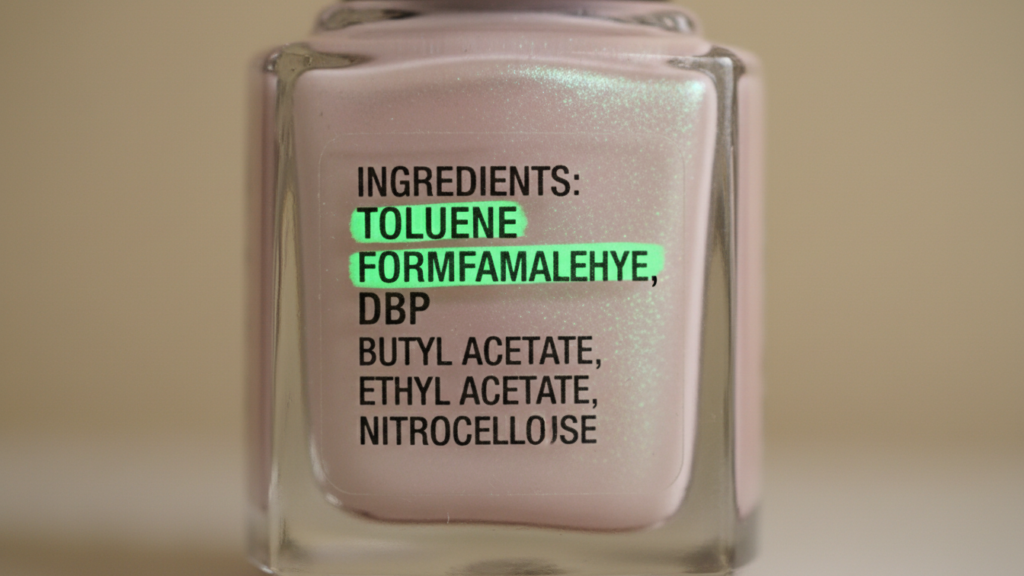
Nail polish contains many different chemicals with specific roles, such as color, durability, and drying time. Some ingredients are safe in small amounts, but others have raised concerns due to their potential health effects. Regulation and research continue to monitor these substances to protect consumers.
Common Chemicals in Nail Polish
Nail polish often includes solvents, plasticizers, and colorants. Common solvents like toluene help the polish spread smoothly. Plasticizers such as dibutyl phthalate (DBP) keep the polish flexible and prevent chipping. Ingredients like formaldehyde act as hardeners to strengthen nails.
These chemicals each serve a key function. However, their presence varies by brand and product type. For example, gel polishes use UV lamps to cure and harden the polish, adding another layer of ingredients designed for long-lasting wear.
Potentially Harmful Substances
Some nail polish ingredients have been linked to health risks when people are exposed repeatedly or in high doses. Toluene is known to cause neurological damage and affect reproduction. Formaldehyde is classified as a carcinogen, potentially causing cancer with prolonged exposure.
Workers in nail salons may face higher risks due to daily exposure to these chemicals. Research also connects some ingredients to respiratory problems and blood cancers. However, using nail polish occasionally poses much less risk for most consumers.
Role of Regulatory Agencies
Regulatory agencies like the FDA and OSHA monitor nail polish safety and set limits for harmful substances. They work to ensure that products on the market do not exceed safe chemical levels. Some chemicals, like DBP, have been banned or limited in many countries.
These agencies also require companies to list ingredients on product labels. This transparency helps consumers avoid ingredients they want to skip. Regulations continue to evolve as new research reveals more about long-term health effects.
How Nail Polish Exposure Occurs
Nail polish exposure happens mainly through breathing in fumes, skin contact, and repeated use over time. Certain groups face higher risks due to how often or how long they come into contact with the chemicals in these products. Understanding these routes of exposure helps identify potential health concerns.
Inhalation and Absorption Pathways
Nail polish contains solvents and chemicals like toluene that release fumes during application and removal. People may breathe in these vapors, which can irritate the lungs and cause other health issues. When used in small amounts, the risk is low, but inhaling these substances repeatedly can increase exposure.
Skin absorption is another route. Chemicals can pass through the skin, especially if nail polish is applied often or if products contain stronger chemicals. The skin around the nails may be exposed when polish or removers are applied, allowing toxins to enter the body.
Frequency and Duration of Use
The risk depends heavily on how often and how long someone uses nail products. People who regularly get manicures or work in nail salons face higher exposure. This frequent and repeated contact raises the chance of inhaling fumes or absorbing chemicals through the skin.
Even the use of UV lamps, common for drying gel nails, adds to exposure time. Although the UV radiation dose is low, long-term and repeated exposure increases risk for some skin damage. Protective measures like sunscreen or fingerless gloves are recommended in these cases.
| Factor | Effect on Exposure | Examples |
|---|---|---|
| Daily or Weekly Use | Increases cumulative chemical intake | Salon workers, frequent users |
| Length of Each Session | Longer drying or application time | Using UV lamps for 5-10 mins |
Vulnerable Populations
Nail salon workers are among the most vulnerable due to constant exposure. Their daily environment contains fumes and chemicals that can accumulate over years. This group faces higher risks of respiratory problems and skin irritation.
People with sensitive skin or allergies may also be more affected by nail polish chemicals. Children and pregnant women might be at increased risk because their bodies can react differently to toxic substances. Protecting vulnerable groups involves reducing exposure and using safer products when possible.
Scientific Evidence Linking Nail Polish to Cancer
Research looks at how nail polish ingredients and UV lamps used for drying may affect cancer risk. Some chemicals found in nail polish have been studied for their potential harm, while the use of UV light has raised concerns about DNA damage. However, evidence is mixed and often limited.
Current Research Findings
Some studies suggest that UV lamps used to cure gel nail polish can cause DNA damage, which is linked to mutations that might increase cancer risk. These lamps emit UVA radiation, which penetrates the skin and can cause cellular changes over time. However, no direct link has been proven between gel manicures and skin cancer in humans.
Gel polish itself contains chemicals that can cause allergic reactions but are not conclusively linked to cancer. The risk appears to grow with the frequency and intensity of UV exposure during manicures. Protective measures like applying sunscreen or wearing fingerless gloves during the process can reduce potential harm.
Studies on Formaldehyde and Toluene
Formaldehyde and toluene are two chemicals once common in nail polishes. Formaldehyde is a known carcinogen in high doses, and toluene has been linked to harmful effects on the nervous system with long-term exposure.
Modern nail polishes often contain lower levels or have removed these chemicals due to health concerns. Limited research currently explores whether the small amounts found in some polishes can cause cancer. Most experts agree occasional use is unlikely to pose a significant risk but advise avoiding prolonged or heavy exposure.
Limitations of Existing Research
Most studies on nail polish and cancer risk face challenges such as small sample sizes or short observation periods. Many investigations rely on lab tests or animal studies, which cannot directly show effects in humans.
Also, nail polish users usually have varied exposure levels and use different products, making it hard to isolate risks. Long-term effects of chemical exposure or repeated UV light sessions are not well documented.
Because of these limitations, the scientific community has not reached a firm conclusion. More extensive, long-term studies are needed to fully understand any potential risks from nail polish and related treatments.
Risks Associated With Specific Nail Polish Ingredients
Certain chemicals in nail polish have raised concerns due to their potential health risks. These ingredients can affect both users and nail salon workers, especially when exposure is frequent or prolonged. Understanding these chemicals can help people make safer choices.
Formaldehyde-Related Risks
Formaldehyde is a chemical often used in nail hardeners and some polishes. It is classified as a human carcinogen by health authorities. Exposure to formaldehyde can occur through inhalation or skin contact during nail application.
Health effects linked to formaldehyde include respiratory irritation and an increased risk of certain cancers, particularly nasopharyngeal cancer and leukemia. Nail salon workers, who face repeated exposure, are at higher risk. Consumers can reduce exposure by choosing formaldehyde-free products or ensuring good ventilation during use.
| Risk | Details |
|---|---|
| Carcinogenicity | Classified as a carcinogen by IARC |
| Exposure method | Inhalation and skin absorption |
| Health effects | Respiratory irritation, cancer risk |
| High-risk group | Nail salon workers and frequent users |
Toluene and DBP Hazards
Toluene and Dibutyl Phthalate (DBP) are solvents often used to improve nail polish texture and durability. Both chemicals can harm the nervous system and affect reproductive health.
Toluene exposure may cause headaches, dizziness, and long-term nervous system damage. DBP is linked to hormonal disruption and developmental problems. These substances are more concerning for salon staff who inhale vapors regularly.
Many brands have removed or reduced these chemicals in their formulas. Consumers should look for “3-free” or “5-free” nail polishes, which exclude toluene, DBP, and formaldehyde.
| Chemical | Health Risks | Common Use in Nail Polish |
|---|---|---|
| Toluene | Nervous system damage, dizziness | Solvent for smooth application |
| DBP | Hormonal disruption, reproductive issues | Plasticizer for flexibility and shine |
Other Suspected Carcinogens
Beyond formaldehyde, toluene, and DBP, nail polishes may contain other harmful chemicals. These include formaldehyde resin, 1,4-dioxane, and certain azo dyes.
Formaldehyde resin can release formaldehyde slowly, causing similar risks. 1,4-dioxane is a byproduct of manufacturing and may be carcinogenic. Some azo dyes have been isolated for their potential to break down into harmful aromatic amines.
Reading ingredient labels and choosing products from brands that avoid these substances can help reduce risk. Nail technicians face higher exposure since these chemicals may vaporize or be absorbed over time.
| Substance | Risk | Occurrence |
|---|---|---|
| Formaldehyde resin | Slow release of formaldehyde | Nail hardness agents |
| 1,4-Dioxane | Potential carcinogen | Manufacturing residuals |
| Azo dyes | Possible production of carcinogens | Nail polish colorants |
Regulations and Safety Standards in Nail Polish

Nail polish safety is controlled by various rules and standards worldwide. These focus on limiting harmful chemicals, ensuring product labels provide clear ingredient lists, and updating rules as new research emerges.
International Safety Guidelines
Different countries have rules to control ingredients in nail polish. The European Union has strict limits on chemicals like formaldehyde and toluene. They ban some harmful substances completely or set maximum amounts allowed.
In the United States, the Food and Drug Administration (FDA) oversees cosmetics but does not strictly regulate nail polish ingredients. Instead, it relies on voluntary guidelines and manufacturers’ responsibility to ensure safety. Some toxic chemicals appear only in small amounts, but their long-term effects remain a concern.
Japan and Canada also have regulations that restrict known carcinogens. These international efforts focus on reducing risk while allowing consumer access to nail care products.
Labeling Requirements
Labels must list all ingredients in nail polish so consumers can avoid allergens or harmful chemicals. According to FDA rules in the U.S., cosmetic products need to identify ingredients, but specific warnings about cancer risk are not required.
The European Union demands more detailed labels, including warnings if a product contains any chemicals suspected of causing cancer. This helps consumers make better choices.
Labels often highlight if a product is “formaldehyde-free” or “toluene-free”. These claims are important for buyers concerned about health risks. Clear labeling lets consumers identify safer options quickly.
Recent Changes in Regulation
Updated safety standards are emerging as new research highlights risks. Some countries now require lower limits or ban certain chemicals altogether. For example, California’s Proposition 65 law mandates warning labels for products with known carcinogens, including certain nail polish ingredients.
Manufacturers also face pressure to replace toxic substances with safer alternatives. Regular reviews by regulatory bodies examine scientific studies about nail polish ingredients. This has led to stricter controls on phthalates and formaldehyde compounds in many places.
These changes reflect growing awareness about potential health effects and increased demand for safer cosmetic products.
Alternatives to Traditional Nail Polish
Safer options are available that avoid harmful chemicals found in many traditional nail polishes. Choosing the right products and practices can reduce exposure to toxins and still provide vibrant, lasting color or natural nail care.
Non-Toxic Nail Polish Options
Non-toxic nail polishes exclude the “big three” harmful chemicals: formaldehyde, dibutyl phthalate (DBP), and toluene. These brands often prioritize safer formulas with fewer volatile organic compounds and milder odors. They include water-based polishes, which are less likely to cause irritation or health issues.
Many non-toxic options also avoid additional harmful ingredients like camphor and formaldehyde resin. Popular products list safe ingredients clearly on their packaging. Switching to these formulas lowers chemical exposure while maintaining a polished look.
DIY Natural Alternatives
Some turn to DIY natural nail treatments using simple ingredients like lemon juice, olive oil, or baking soda. Lemon juice can brighten nails and reduce staining without harsh chemicals. Olive oil moisturizes cuticles and strengthens nails naturally.
Other home remedies include sugar scrubs to exfoliate and coconut oil for hydration. These approaches avoid synthetic substances and support nail health over time. While natural alternatives do not provide color, they offer gentle care without cancer risk concerns.
Tips for Safer Nail Care
Using nail polish in well-ventilated areas limits inhaling fumes. Applying thinner coats and allowing nails to fully dry reduces chemical buildup. Regularly taking breaks from polish helps nails recover.
Opting for gel or acrylic nails less often can also lower exposure to UV light used in curing and to chemicals involved in application. Removing polish carefully avoids skin damage. Proper hygiene and moisturizing the nail area maintain nail strength and health.
Conclusion
Nail polish contains chemicals like toluene, xylene, and ethyl acetate that may cause irritation and other health issues with frequent exposure. However, the evidence linking these substances directly to cancer remains unclear and inconclusive.
UV lamps used to dry gel nails emit UVA radiation, which can contribute to skin damage over time. The risk of skin cancer from these lamps is considered low, especially with protective measures such as using sunscreen or wearing fingerless gloves during manicures.
Long-term and repeated exposure to nail polish chemicals might increase the body’s toxin levels. This accumulation could raise the risk of cellular damage, but scientific proof showing a clear link to cancer is limited.
People working regularly in nail salons face higher exposure to these chemicals. They might have increased health risks, including some cancers, due to inhaling toxic fumes over time.
Key points to consider:
- Nail polish chemicals can cause irritation but do not directly cause cancer based on current studies.
- UV nail lamps give low-level radiation; protection reduces any small risks.
- Frequent and long term exposure increases potential risks but needs more research.
- Nail salon workers are at greater risk due to higher and longer exposure times.
Taking simple safety steps helps reduce possible risks without stopping nail polish use completely.