
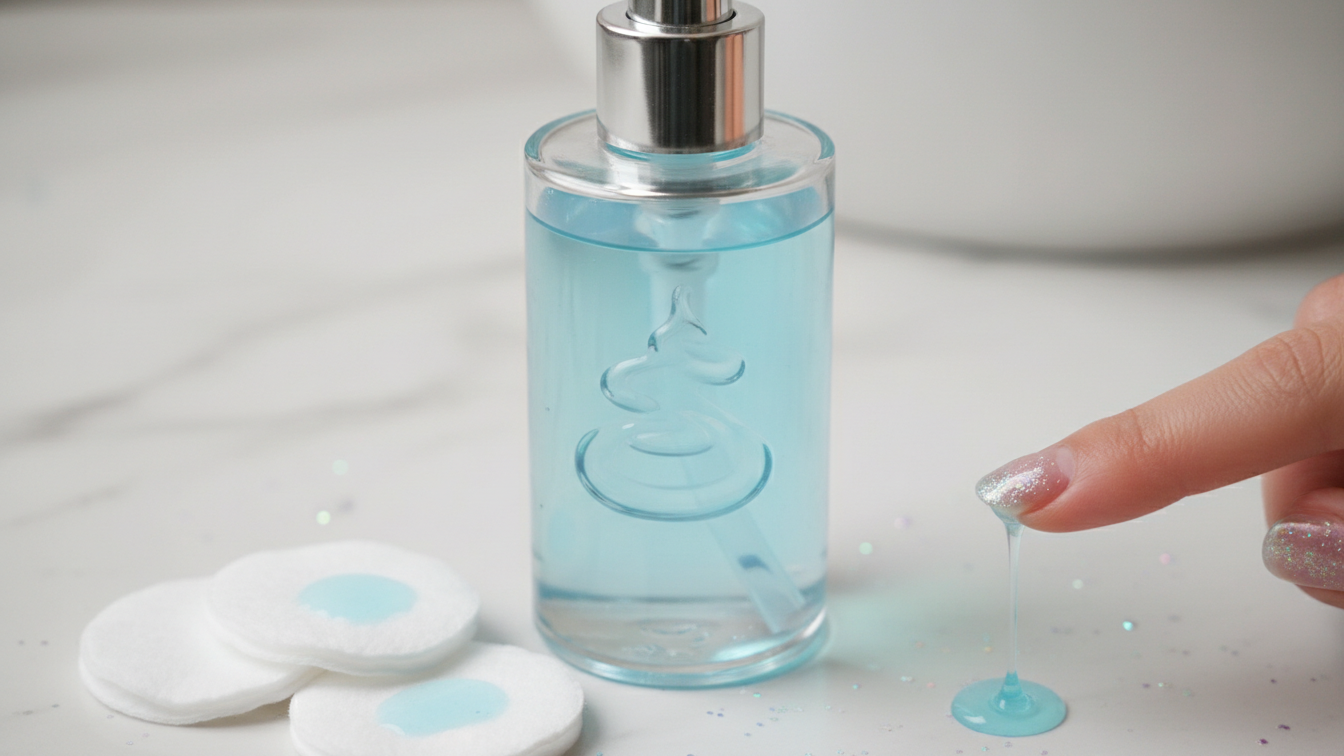
Gel nail polish is known for its long-lasting finish, but it can be tricky to remove with regular nail polish remover. Not all nail polish removers are strong enough to break down gel polish, but acetone-based removers can effectively remove it when used properly. Using the right remover and method is important to avoid damaging the nails.
While acetone removes gel polish by breaking it down, it can be harsh on the skin and nails. There are safer techniques to use acetone, like wrapping nails with acetone-soaked cotton and foil. Some alternatives also exist, but they may take longer or need more effort.
Understanding how different removers work and taking care after removal can keep nails healthy. This article will explain how nail polish remover interacts with gel polish and offer safe and effective ways to get rid of gel at home.
Key Takeaways
- Acetone-based removers are required to effectively remove gel polish.
- Proper removal techniques help protect nail health.
- Alternative methods exist but may be less fast or efficient.
Understanding Gel Nail Polish
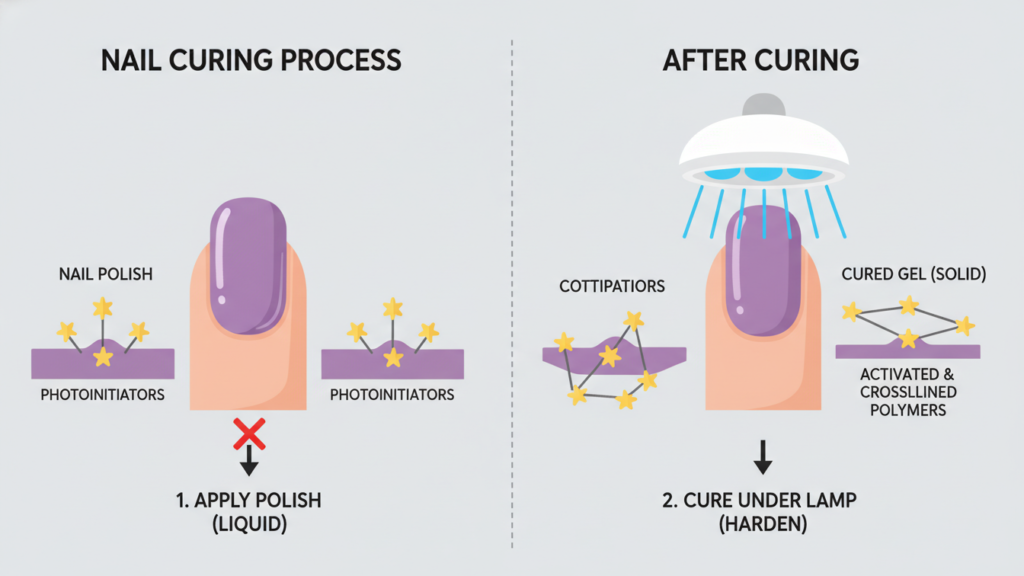
Gel nail polish has a unique makeup and application method that sets it apart from regular polish. It bonds tightly to the nail, making it longer-lasting and harder to remove. The curing process also plays a key role in how gel polish behaves and how it must be taken off safely.
What Makes Gel Polish Different From Regular Polish
Gel polish contains special ingredients called photoinitiators that react to UV or LED light. This reaction causes the polish to harden quickly into a durable, plastic-like layer. Regular polish dries by air and can chip or peel easily, but gel polish stays firmly attached.
This strong bond is why regular nail polish remover alone often struggles to break down gel polish. Gel polish resists typical acetone-free removers and requires pure acetone or other specific methods to dissolve it effectively.
The durability of gel polish also makes it less prone to smudges, scratches, and chips. However, its toughness means removal demands more care to avoid damaging the natural nail underneath.
Common Types of Gel Polish
There are three main types of gel polish:
- Traditional Gel Polish: The most common type, applied like regular polish but cured under UV or LED lights.
- Soak-Off Gel Polish: Designed to be removed by soaking in acetone. This kind is popular because it balances durability with easier removal.
- Hard Gel: A thicker, stronger gel used mainly for nail extensions. It’s not soaked off but filed down or buffed, which requires professional care.
Each type affects how the polish feels and how to safely remove it. Soak-off gels are the easiest for at-home removal, while hard gels need more expert handling.
Curing Process for Gel Polish
Curing is the process that solidifies gel polish. After application, nails go under either a UV lamp or an LED lamp for 30 seconds to several minutes. The light triggers the photoinitiators, causing the polish to harden almost instantly.
UV lamps emit a broader light spectrum and usually require longer curing times. LED lamps cure polish faster and only work with specific gel formulas.
Proper curing ensures gel polish bonds completely, giving it its strength and shine. Without full curing, polish can remain sticky or peel prematurely.
Because gel polish becomes solid and resistant when cured, it can’t be removed by air drying or normal polish removers. Instead, it needs a process that breaks down or softens the cured material for safe removal.
Nail Polish Remover: Composition and Types
Nail polish removers vary depending on their main ingredients and how they affect the nails. The most common types are acetone-based and non-acetone removers. They work by breaking down the polish chemicals but differ in strength, smell, and how gentle they are on skin and nails.
Acetone-Based Removers
Acetone is the most powerful solvent for removing nail polish, including gel. It dissolves polish quickly, making it ideal for tough or thick coatings like glitter and gel. It evaporates fast, which helps speed up the removal process.
However, acetone can dry out the nails and skin. It strips away natural oils, which may cause brittleness or peeling if used frequently. Many acetone removers contain moisturizing agents to help reduce this drying effect.
| Feature | Details |
|---|---|
| Main Ingredient | Acetone |
| Strength | Strong, fast-acting |
| Best for | Gel polish, glitter, stubborn polish |
| Downsides | Can dry nails and skin |
| Smell | Strong, sharp odor |
Non-Acetone Alternatives
Non-acetone removers use solvents like ethyl acetate or alcohol instead of acetone. These are gentler and less drying. They are better for regular nail polish and people with sensitive skin or nails.
However, non-acetone removers can take longer to work. They struggle to remove gel polish effectively without soaking nails for extended periods. Non-acetone options are often preferred for frequent use due to their mildness.
| Feature | Details |
|---|---|
| Main Ingredients | Ethyl acetate, alcohol |
| Strength | Mild, slower than acetone |
| Best for | Regular polish, sensitive nails |
| Downsides | Not as effective on gel polish |
| Smell | Milder, less sharp odor |
How Nail Polish Removers Work
Nail polish removers work by breaking down the chemical bonds in the polish. Nail polishes are made from polymers that stick to nails. Solvents dissolve these polymers, loosening the polish so it can be wiped away.
Acetone works faster by attacking the plastic-like structure of polish. Gel polish has stronger bonds, so it requires longer soaking or more potent solvents like acetone combined with wrapping or buffing.
Non-acetone removers dissolve polish more slowly and are best for thin, regular polish layers. Moisturizing ingredients are often added to keep nails and skin healthier during removal.
Can Nail Polish Remover Remove Gel?
Nail polish remover can work on gel polish, but its success depends on the type of remover and how it is used. Some removers are better suited for gel, while others may cause damage or take a long time. Understanding the right method and risks is key to safe gel polish removal.
Effectiveness on Gel Polish
Acetone-based removers are the most effective for breaking down gel polish. The gel’s strong formula resists regular nail polish remover, which usually contains little or no acetone. When acetone is used, it softens the gel, making it easier to remove.
However, acetone alone is not enough. The gel polish often needs to be soaked for about 15-20 minutes to start breaking down. Filing the surface before soaking helps the remover penetrate better. After soaking, gently pushing off the softened gel completes the process.
Limitations and Risks
Using inappropriate nail polish remover or removing gel polish too quickly can harm the natural nails. Regular removers without acetone take longer and may dry out the skin and nails. Peeling or picking off gel polish causes thinning and weakening of the nails.
Prolonged exposure to acetone can also dehydrate nails and cuticles, leading to brittleness. Moisturizing after removal is important to restore nail health. Removing gel polish without patience or proper technique increases the chance of nail damage.
Differences Between Traditional and Gel Removal
Traditional nail polish is usually removed easily with any kind of remover. Gel polish needs a more targeted approach due to its durability. This includes using acetone and soaking techniques rather than just wiping or rubbing.
Traditional removal:
- Use regular remover
- Quick wipe off
Gel removal:
- File surface
- Soak acetone-soaked cotton on nails
- Wrap nails in foil for 15-20 minutes
- Gently push off gel polish
Gel polish requires more time and care, making traditional removers mostly ineffective on their own.
Safe Removal Methods for Gel Polish
Removing gel polish safely requires careful techniques to avoid damage. Both professionals and people at home use specific steps and tools to protect the natural nail while removing the gel coating.
Professional Gel Removal Procedures
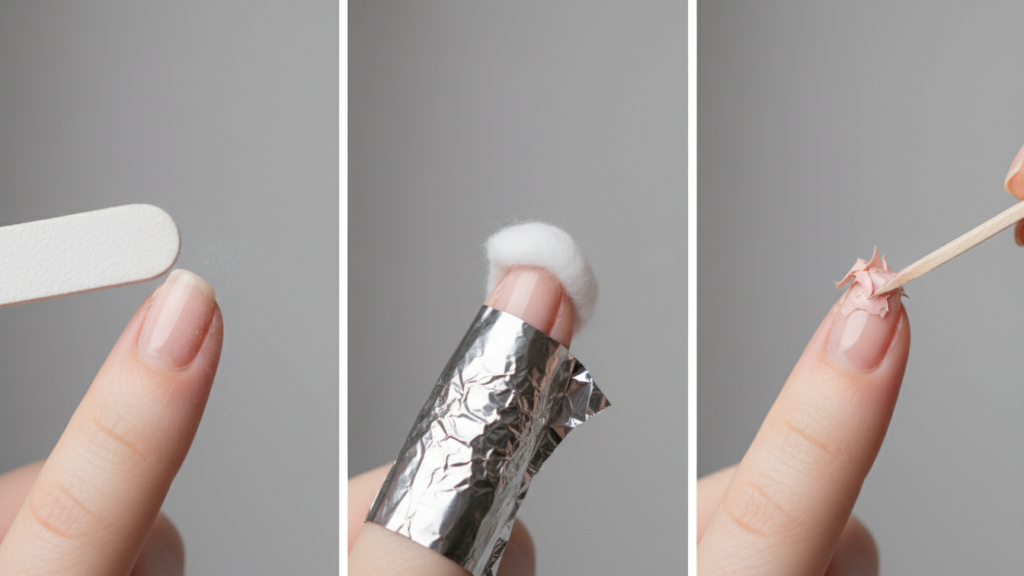
At a salon, professionals start by gently filing the top shiny layer of the gel polish. This helps the acetone penetrate more easily. They then soak the nails in acetone or wrap each nail in acetone-soaked cotton and foil. This is left on for about 15-20 minutes to loosen the gel.
After soaking, technicians carefully push off the softened gel with a wooden or metal cuticle stick. They avoid scraping hard to prevent nail damage. Finally, they buff and moisturize the nails to restore hydration and maintain nail strength.
This controlled process minimizes peeling and thinning, keeping nails healthier after removal.
At-Home Removal Techniques
At home, the safest method also begins with gently filing the nail surface to break the gel’s top layer. Then, acetone-soaked cotton balls are placed on each nail and wrapped with foil. Leaving these on for 15-20 minutes allows the gel to soften properly.
It is important not to peel or force the gel off. Instead, users should gently push the softened gel using a cuticle stick. If the gel resists, rewrap nails and soak longer.
After removal, moisturizing the nails and surrounding skin is key to prevent dryness and brittleness. Avoid over-filing or peeling to keep nails strong.
Potential Risks and Nail Health Considerations
Using nail polish remover to take off gel polish can affect nail and skin health in different ways. It is important to know what damage may occur and how skin and cuticles can react to these products. Understanding the effects helps users avoid common problems.
Possible Nail Damage
Gel polish usually requires stronger removers, often containing acetone. While acetone breaks down the gel effectively, it also strips natural oils and moisture from nails. This can make nails brittle, dry, and prone to peeling.
Frequent or rapid removal of gel polish worsens these effects. Nails lose flexibility and may develop white, chalky patches. Constant use without rest can lead to long-term thinning of the nail plate.
| Effect on Nails | Description | Cause |
|---|---|---|
| Brittleness | Nails break or snap easily | Loss of oil and moisture |
| Dryness | Surface feels rough and flaky | Acetone exposure |
| Peeling or flaking | Layers of nail separate or shed | Overuse of remover |
| Thinning | Nails become weaker and thinner | Repeated polish removal |
Users should allow nails time to recover between gel applications and consider nourishing treatments.
Skin and Cuticle Concerns
Acetone and other chemicals in gel polish removers can irritate surrounding skin and cuticles. This often shows as redness, dryness, and peeling around the nails.
Damaged cuticles increase the risk of infections due to cracks or breaks in the skin. Harsh removers can also cause itching or a burning sensation.
| Skin Issue | Symptoms | Cause |
|---|---|---|
| Redness | Inflamed, bright skin | Chemical irritation |
| Dryness | Flaky or rough skin | Moisture loss from acetone |
| Peeling | Skin layers shedding | Frequent removal or harsh use |
| Irritation | Itching, burning | Sensitivity to remover |
To protect the skin, users should moisturize regularly and avoid prolonged contact with removers. Using tools gently rather than scraping can reduce damage.
Alternative Solutions to Remove Gel Polish
Removing gel polish requires different methods than regular nail polish. Some options involve special gel polish removers, while others use physical techniques to safely get rid of the gel without chemicals.
Specialized Gel Polish Removers
Gel polish does not dissolve easily with regular nail polish remover. Instead, acetone-based removers designed specifically for gel are most effective. These removers contain a higher concentration of acetone and often include moisturizing ingredients to protect the nails.
To use, nails are soaked in acetone or wrapped with acetone-soaked cotton pads covered by foil. This process usually takes 10 to 20 minutes. The gel softens and can be gently scraped off with a cuticle pusher or wooden stick. It is important to avoid peeling or forcefully removing the gel to prevent nail damage. After removal, nails should be washed and moisturized.
These specialized products provide a safe and controlled way to remove gel polish without weakening the natural nail too much.
Manual Buffing and Filing
Manual removal methods use buffing blocks or nail files to wear down the gel polish layer by layer. This technique requires patience and care. Using a coarse file can quickly thin the gel but may also harm the nail if done roughly.
A typical process starts with a medium-grit file to remove the top shiny layer. Next, a finer grit file smooths the surface. Buffing is done gently to avoid thinning the natural nail excessively.
This method does not involve chemicals, making it suitable for those sensitive to acetone. However, it takes longer and needs precision to avoid over-filing. Using a soft buffer afterward helps restore a smooth finish to the nail surface.
Aftercare for Nails After Gel Removal
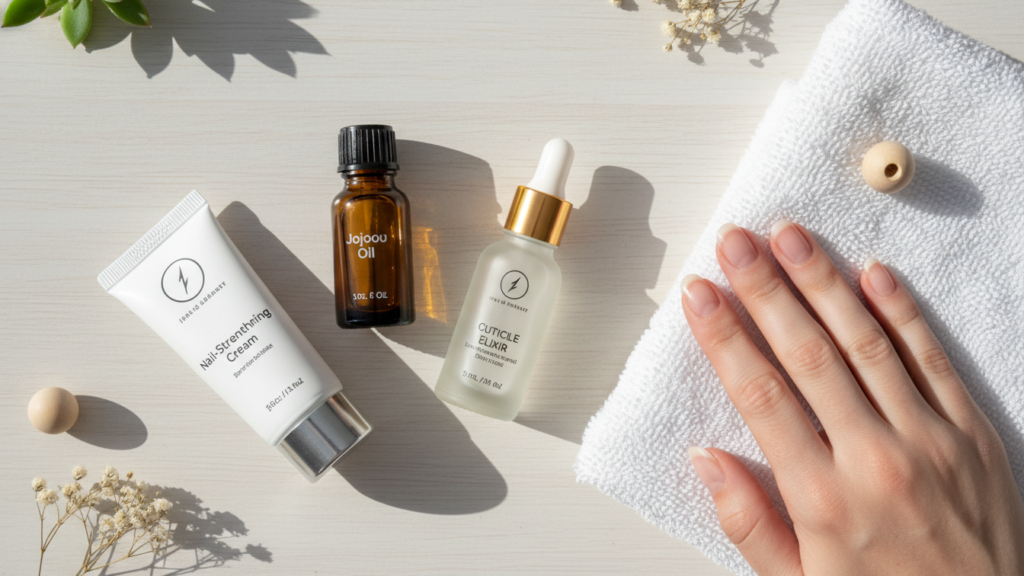
Proper care after removing gel polish is essential to fix damage and rebuild nail strength. Hydrating nails and using treatments that support nail growth can help nails recover faster. Paying close attention to how nails are treated after gel removal prevents further weakening and breakage.
Moisturizing and Strengthening Nails
Gel polish removal often leaves nails dry and brittle because the process strips natural oils and moisture. Applying a good nail oil or moisturizer daily helps restore hydration. Ingredients like jojoba oil, vitamin E, or almond oil work well to keep nails flexible and prevent cracking.
Using a nail hardener or strengthening treatment can protect nails while they grow out. Products containing keratin or calcium add support to thin, delicate nails. It is best to avoid harsh chemicals or excessive filing during this period to reduce further damage.
Restoring Nail Health
Nails may need time to fully regain their natural health after gel removal. Eating a balanced diet with vitamins like biotin, zinc, and iron supports nail growth from within. Gentle nail care routines, including avoiding nail biting or using nails as tools, help preserve progress.
Regularly trimming nails and cleaning under them prevents infections, which are more likely if nails are weakened. Using gloves for household chores and minimizing water exposure protects nails from becoming soft and prone to breaking. Slow and steady care is key to restoring strong, healthy nails after gel polish removal.
Conclusion
Nail polish remover can remove gel polish, but not all removers work the same way. Regular, non-acetone removers are usually not strong enough to break down the gel layers. Gel polish needs a remover with pure acetone or an acetone-based formula to be effective.
Using pure acetone helps dissolve the polymerized gel polish safely. However, the removal process requires patience and care. Simply peeling or scraping off gel polish can cause damage to the natural nails.
To remove gel polish safely, it’s important to use the right tools and methods, such as soaking cotton balls in acetone and wrapping nails in foil or plastic wrap. After removal, moisturizing the nails and cuticles is key to keeping nails healthy.
| Key Points | Details |
|---|---|
| Remover type | Pure or acetone-based removers |
| Ineffective removers | Non-acetone nail polish removers |
| Removal method | Soaking with acetone, foil/plastic wrap |
| Nail care after removal | Moisturize and avoid harsh actions |
Using the appropriate remover and method leads to effective gel polish removal without unnecessary harm. It allows the natural nails to stay strong and healthy after the gel is taken off.