
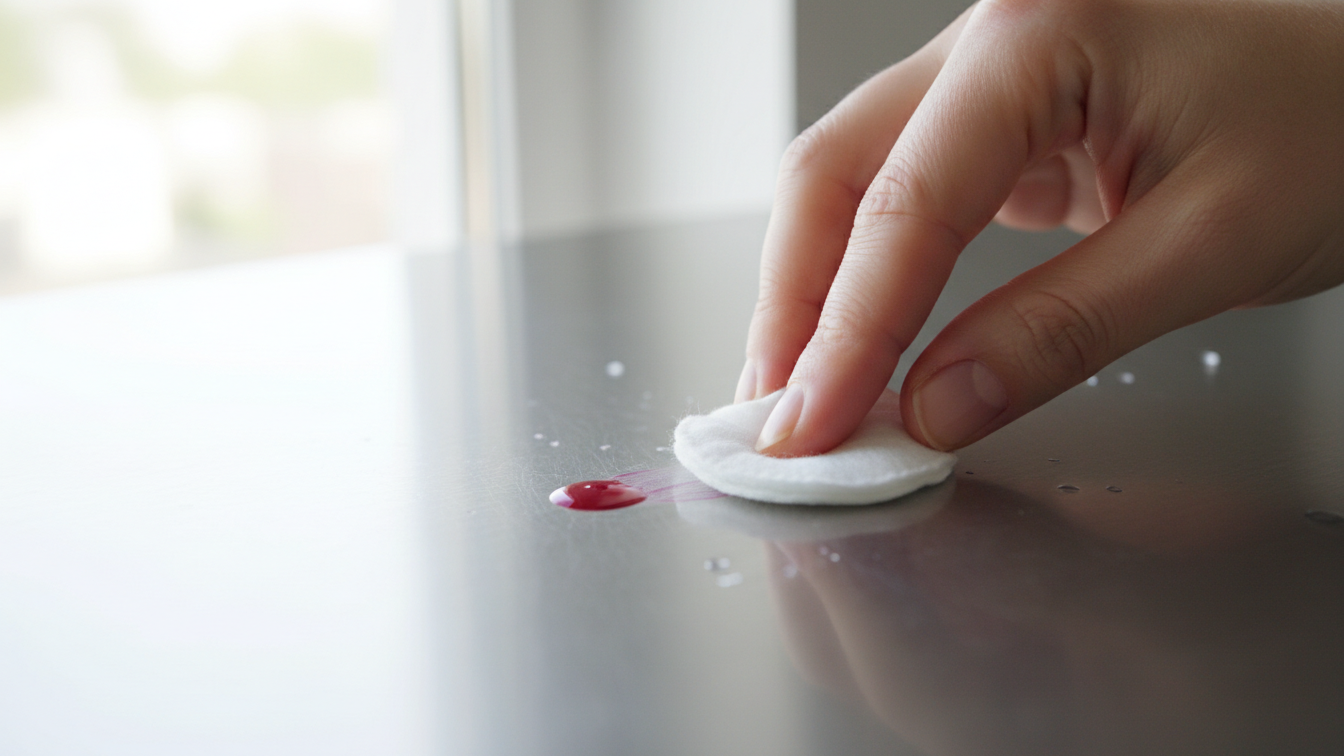
Nail polish remover can remove paint, but its success depends on the type of paint and surface. The main ingredient, acetone, is a strong solvent that can dissolve some paints, especially small spills or fresh latex paint. However, it may not work well on all paint types or surfaces.
People often wonder if nail polish remover is a quick fix for paint mistakes. While it can be useful for certain situations, it must be used carefully because it can damage some surfaces, like wood or fabric. Testing a small hidden area first is important to avoid unwanted damage.
Using nail polish remover for paint removal works best on non-porous surfaces such as metal, glass, or plastic. Knowing when and how to use it, plus understanding its limits, can save time and prevent problems.
Key Takeaways
- Nail polish remover works on some paints but is not effective for all types.
- It can damage delicate surfaces, so testing first is essential.
- Best used on small paint spots on hard, non-porous surfaces.
How Nail Polish Remover Interacts With Paint
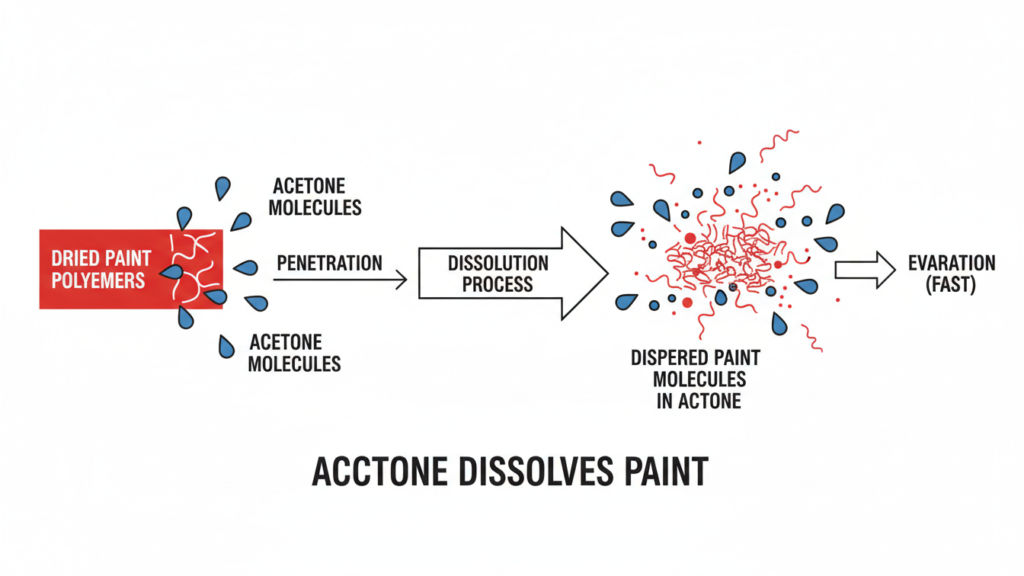
Nail polish remover works because of its chemical makeup and how it affects different types of paint. Its effectiveness also depends on the type of paint and the surface it is on. Understanding these elements helps explain why it works well in some cases but not in others.
Chemical Composition of Nail Polish Remover
Nail polish remover mainly contains acetone, a strong solvent that can dissolve many substances. Acetone breaks down the bonds holding paint together, making paint easier to remove. Some removers use alternatives like ethyl acetate, which are less harsh but still effective.
Acetone is volatile, meaning it evaporates quickly. This quality helps it loosen paint fast but can also damage sensitive surfaces. Because acetone is strong, it can harm plastics and some finishes if used carelessly. Knowing the type of solvent in a remover is important before applying it to any surface or paint.
Common Types of Paints and Their Reactions
Nail polish remover is most effective on paints that are fresh, uncured, or water-based, such as latex or acrylic paint. These paints have weaker bonds that solvents like acetone can break down quickly.
For oil-based or enamel paints, acetone can soften small areas, but it usually cannot remove large amounts of fully dried paint. Some types of spray paint may respond only if the remover is applied soon after painting.
Older or fully cured paint dries hard. Nail polish remover may only cause surface damage without fully removing the paint in these cases.
Surface Material Considerations
The surface under the paint affects how nail polish remover works. On metal surfaces, acetone can remove enamel paint effectively but may also damage certain finishes or plated surfaces if left on too long.
For fabric or clothing, nail polish remover can remove fresh or light water-based paint stains but risks damaging the fabric’s color or texture. It should be tested on a hidden area first.
Plastic surfaces are usually sensitive to acetone. Nail polish remover can melt or discolor many plastics, so it’s often best avoided here.
Knowing the surface type and paint type helps choose whether nail polish remover is a good option for paint removal.
Effectiveness of Nail Polish Remover on Different Paint Types
Nail polish remover works differently depending on the paint’s chemical makeup. Some paints dissolve or soften easily, while others resist the remover. Understanding how nail polish remover interacts with specific paint types helps predict its effectiveness.
Water-Based vs. Oil-Based Paints
Nail polish remover, especially acetone-based, can break down both water-based and oil-based paints. It works by dissolving the chemical bonds that hold paint particles together. Water-based paints, like latex and acrylic, tend to respond faster because their binders break down more readily.
Oil-based paints take longer to dissolve because they contain oils and resins that resist solvents. Acetone can weaken the paint but may not fully remove it without scrubbing or repeated applications. Non-acetone removers are usually less effective on both types.
Performance on Latex Paint
Latex paint is a common water-based paint made with synthetic polymers. It is generally easier to remove with nail polish remover because acetone dissolves these polymers. Small spills or fresh stains respond best, but dried latex paint may require multiple applications.
Caution is needed, as acetone can damage the surface underneath if it is porous or delicate. Testing on a hidden spot can prevent unwanted damage. For large areas, dedicated paint removers are more efficient than using nail polish remover.
Impact on Acrylic Paint
Acrylic paint is another water-based paint that shares similarities with latex. It has strong adhesion and a flexible finish, which offers some resistance to acetone. Nail polish remover can soften acrylic paint but usually won’t remove thick or old layers easily.
For light spots or fresh paint splashes, soaking a cloth with remover and gently dabbing can lift the paint. Aggressive rubbing might damage the surface beneath, so care is important. Acrylic’s composition makes it more challenging to remove than latex but easier than oil-based paint.
Proper Techniques for Removing Paint With Nail Polish Remover
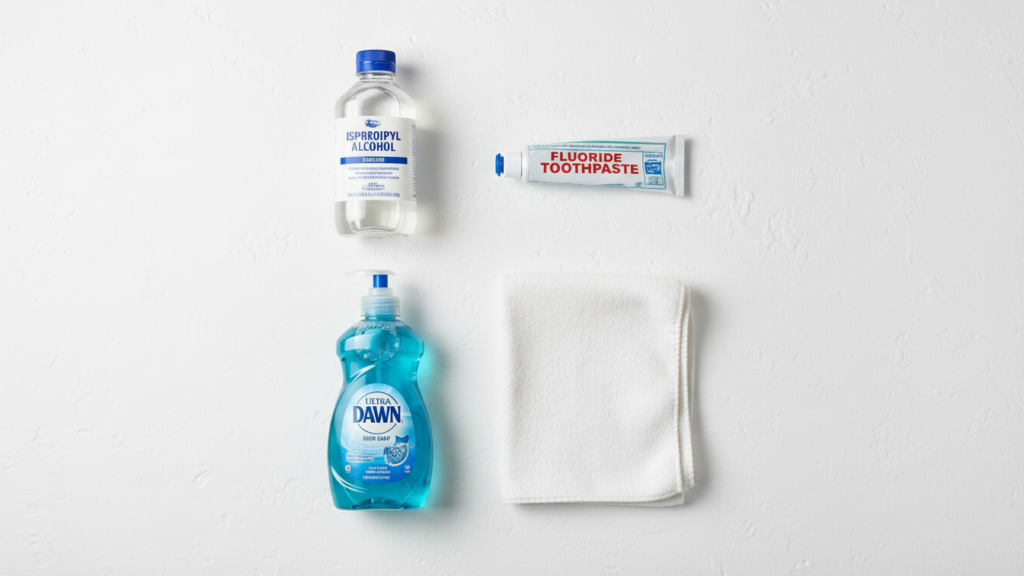
When using nail polish remover to remove paint, it is important to prepare the surface carefully, apply the remover correctly, and clean up any leftover residue. Each step helps protect the surface and improves the chances of removing paint safely and effectively.
Preparation and Safety Measures
Before starting, make sure the area is well-ventilated. Acetone, the main ingredient in many nail polish removers, gives off strong fumes that can irritate the eyes and lungs. Wearing gloves is also recommended to protect the skin from drying out or irritation.
Clean the surface by wiping it with a dry cloth to remove dust, dirt, or grease. This helps the nail polish remover work better. Test the remover on a small, hidden area first to check for damage. Avoid using nail polish remover on surfaces that are easily damaged by solvents, such as some plastics or painted wood finishes.
Application Methods
Use a cotton ball or soft cloth to apply the nail polish remover. Soak the cotton with remover but do not saturate it to avoid dripping. Dab or gently rub the paint spots with light pressure. Avoid scrubbing too hard, which can damage the surface beneath the paint.
For tougher paint or thicker layers, multiple applications may be needed. Let the remover sit for a few seconds to break down the paint before wiping it away. Reapply as necessary, but always be careful not to strip or discolor the base material.
Residue Removal Tips
Once the paint is removed, some sticky or oily residue may remain. Wipe the area with a clean, damp cloth to remove leftover acetone and loosened paint. Avoid rubbing harshly as the surface may still be delicate after treatment.
If the surface is water-safe, washing it with mild soap and warm water can help remove stubborn residues and odors. Let the cleaned area dry completely before applying any new coatings or finishes to ensure proper adhesion and avoid further damage.
Potential Risks and Precautions
Using nail polish remover to remove paint involves several important risks. It can harm surfaces, pose health dangers, and affect the environment depending on how it is used. Being aware of these issues helps users avoid damage and stay safe.
Surface Damage Concerns
Nail polish remover contains acetone, a strong solvent that can dissolve paint but also damage many surfaces. It can discolor or remove finishes on wood, plastic, and varnished materials. For example, using it on wooden furniture may strip the finish, leaving an uneven spot.
Plastics are especially vulnerable. Acetone can cause them to melt, warp, or become cloudy. Porous materials like fabric can absorb the solvent, resulting in stains or permanent damage.
Testing on a small, hidden area before full use is critical. Using gentle application methods and avoiding long exposure reduces the risk of surface harm.
Health and Safety Hazards
Acetone in nail polish remover is highly flammable and can cause skin and eye irritation. Prolonged skin contact can lead to dryness, redness, and cracking. Inhaling fumes in enclosed spaces may cause headaches, dizziness, or respiratory issues.
Wearing gloves and working in a well-ventilated area helps reduce these hazards. Avoiding open flames or sparks nearby is crucial because acetone vapors can ignite easily.
Using protective gear like masks and goggles also offers extra safety, especially for people sensitive to chemicals or those working with large amounts.
Environmental Implications
Acetone is a volatile organic compound (VOC) that contributes to air pollution if released in large quantities. Improper disposal of nail polish remover can contaminate soil and water sources, harming plants and wildlife.
It is important to use only the needed amount and dispose of leftover remover according to local hazardous waste rules. Avoid pouring it down drains or onto the ground.
Using alternatives with lower environmental impact or natural solvents can reduce harm, especially for frequent or large-scale projects.
Alternatives to Nail Polish Remover for Paint Removal
There are several effective options for removing paint that do not involve nail polish remover. These alternatives range from everyday household items to specially made commercial products designed for paint removal.
Common Household Solutions
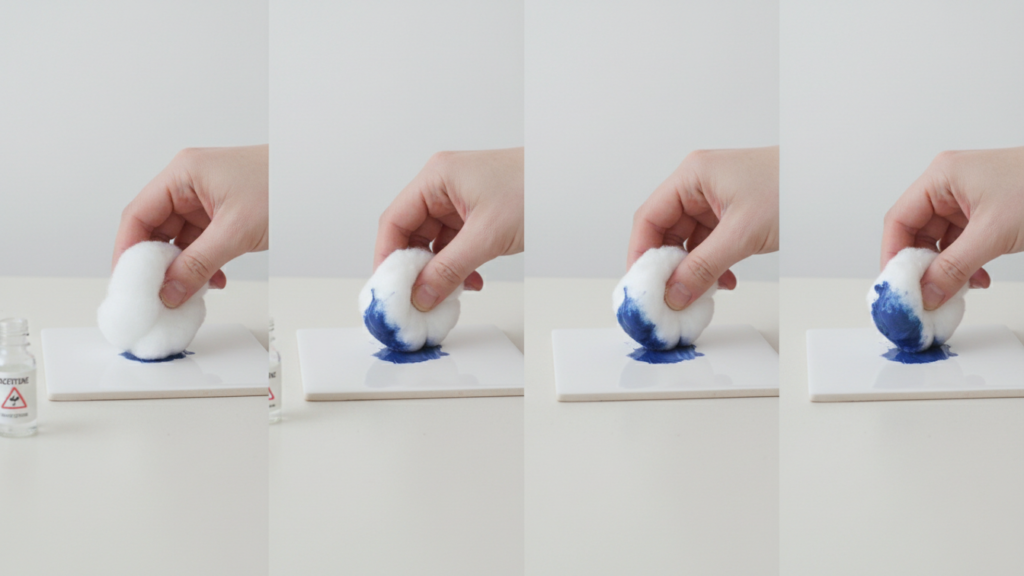
Some household items can remove small paint spots safely without damaging surfaces. Isopropyl alcohol works well for light paint stains. It dissolves paint but is gentler than acetone, reducing the risk of surface damage.
Toothpaste and dish soap can also help remove paint, especially if the paint is still fresh. Toothpaste works by gently scrubbing the paint away. Dish soap combined with warm water can soften paint for easier removal.
Scraping paint with a plastic tool or scrubbing with a brush is often effective when paired with these cleaners. These options are best for minor paint removal jobs and are widely available at home.
Commercial Paint Removal Products
Commercial products include mineral spirits, paint thinners, and citrus-based removers. These are formulated to dissolve tougher paints like oil-based or enamel paints.
Mineral spirits and paint thinner are strong solvents used in removing old or thick paint layers. They work well but require careful ventilation and protective gloves due to fumes and skin irritation risks.
Citrus-based paint removers are more environmentally friendly and less toxic. They break down paint with natural solvents, making them safer for indoor use and on delicate surfaces.
These commercial products are suited for larger or more stubborn paint removal tasks but need careful handling following product instructions.
When to Use Nail Polish Remover as a Paint Remover
Nail polish remover can be useful for removing paint in certain situations. It works best on fresh, small paint stains or drips, especially if the paint is latex or water-based. The acetone in most nail polish removers breaks down these paints, making them easier to wipe away.
It is also effective on non-porous surfaces like metal, glass, plastic, and some types of wood. These surfaces do not absorb the remover or paint, so the solvent can work without damaging the material underneath.
Before using nail polish remover on any surface, it is important to test a small, hidden area first. Acetone can damage finishes or colors on painted wood, fabrics, or plastics. Using it without testing may remove or stain the original paint.
Nail polish remover should not be used on delicate fabrics like acetate or triacetate, as it can cause damage. It is best for quick spot cleaning rather than large paint removal projects.
For safety, people should wear gloves and work in a well-ventilated area. Nail polish remover contains strong chemicals that might irritate the skin or lungs if used in large amounts or for long periods.
Summary of when to use nail polish remover for paint removal:
| Best Uses | Surfaces to Avoid | Safety Tips |
|---|---|---|
| Small paint spills | Delicate fabrics | Wear gloves and ventilate the area |
| Latex or water-based paint | Painted wood finishes | Test on a small hidden spot first |
| Non-porous surfaces | Acetate/triacetate fabrics | Use light pressure when cleaning |
Summary of Key Takeaways
Nail polish remover can remove paint, but its effectiveness depends on the type of remover and paint involved. Products with high acetone content, usually 60% or more, work best because acetone is a strong solvent that dissolves paint from the surface.
Not all paints respond the same way. Nail polish remover is better at removing water-based or latex paints. However, paints with high resin content, like epoxy or polyurethane, tend to resist acetone and may not be affected.
Using nail polish remover on certain surfaces requires care. It can damage or discolor plastics, fabrics like wool or silk, and some painted finishes. Testing on a small, hidden area first is important to avoid unwanted damage.
Here is a simple overview of factors affecting paint removal with nail polish remover:
| Factor | Effect |
|---|---|
| Acetone Content | Higher levels dissolve paint more effectively |
| Paint Type | Water-based paints remove easier than resin-heavy paints |
| Surface Material | Sensitive surfaces may get damaged or stained |
| Amount of Paint | Small spots are easier to remove than large areas |
Nail polish remover is practical for small paint spills or drips. It is not suitable for stripping large amounts of paint or working on delicate or special surfaces.