

You can reuse many types of fake nails, especially press-ons, if you remove them gently, clean them well, and store them properly. Reusing press-on nails and some acrylic tips saves money and cuts waste when you follow safe removal and cleaning steps.
If you want nails that last through a few wears, learn how to remove glue without damage, disinfect the pieces, and fix minor chips. Keep reading to get easy, practical steps that help you reuse nails safely and know when to toss a set.
Key Takeaways
- Proper removal and cleaning let some fake nails be reused safely.
- Small repairs and good storage extend the life of reusable nails.
- Know when wear or damage means you should discard the set.
Can You Reuse Fake Nails?
You can often reuse fake nails, but reuse depends on how they were made, how you remove them, and how you store them. Good care can stretch a set to several wears, while damage or strong glue can make reuse unsafe.
Factors That Determine Reusability
Quality of the nails matters most. Hard plastic or acrylic press-ons hold up better than thin, cheap sets. Thicker tips resist cracking and keep their shape after removal.
How you remove them affects reuse. Soak-off glue or gentle adhesive tabs cause less damage than prying or force. Use warm soapy water, acetone for glue, or an adhesive remover and avoid bending the tip.
Storage and cleaning keep nails reusable. Clean off old glue, file edges lightly, and store sets in a flat container. Keep decorations and polish intact by handling them by the base, not the face.
Adhesive type sets a reuse limit. Nail glue often bonds stronger and may reduce reuse to 1–2 times unless you very carefully remove and clean the underside. Reusable adhesive tabs and reusable glue dots work better for multiple wears.
Types of Fake Nails Suitable for Reuse
Press-on nails (pre-painted plastic tips) are the easiest to reuse. They usually come in durable plastic and can be reapplied 3–5 times if you remove glue carefully and clean them.
Acrylic and gel extensions are harder to reuse. Removed salon acrylics are often damaged during filing or soaking, so you rarely reuse them. Builder gel tips may be salvageable if removed as a single piece and properly cleaned.
Magnetic or reusable adhesive systems designed for multiple wears work best. Look for kits that include adhesive tabs or reusable pads. Tip shape and thickness also matter: full-coverage, thicker tips last longer than ultra-thin, flexible ones.
Signs a Fake Nail Should Not Be Reused
Cracks, splits, or chips mean you should discard the nail. These flaws can catch on fabric or break during wear, causing pain or damage to your natural nail.
Severe polish peeling or ruined decoration lowers reuse value. If the design has flaked off or the surface is rough after cleaning, reapplying will look poor and may not bond properly.
If the underside is warped or brittle, toss it. Warping prevents a flat fit on your nail and brittle plastic can snap during removal, risking injury. Also discard any nail that has lingering strong adhesive you can’t remove without damaging the tip.
How to Safely Remove Fake Nails for Reuse
Remove fake nails slowly and keep both the nail and the glue piece intact when possible. Use gentle soaking, a soft tool, and careful cleaning so the set stays usable.
Best Removal Methods
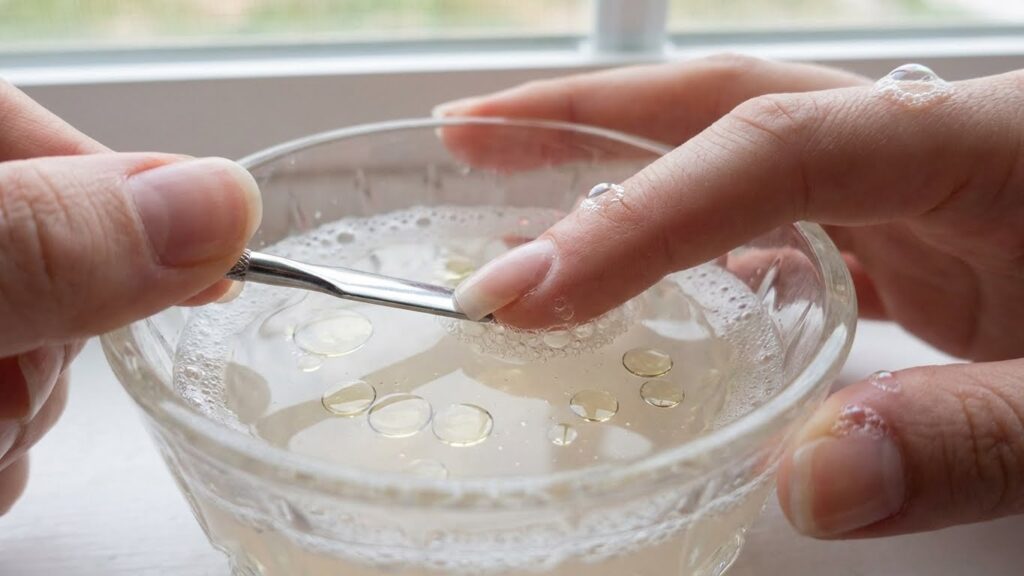
Use acetone soak for press-ons and acrylics when reuse is the goal. Fill a small bowl with 100% acetone, clip the free edge of each fake nail short, then soak fingers 10–15 minutes. Check nails every 5 minutes; when adhesive softens, gently lift the fake with an orange stick or cuticle pusher. Work one nail at a time to avoid over-soaking.
For non-acetone-safe nails, try warm soapy water with a few drops of oil. Soak 20–30 minutes, then wiggle the edges and lift slowly. If nails are glued with strong adhesive, apply a small amount of adhesive remover to the seam instead of force. Keep a soft cloth nearby to catch loosened nails and protect their shape.
Avoiding Damage During Removal
Never pry or force a nail off. Forcing splits the fake and damages your natural nail plate. Always clip excess length first to reduce leverage and the chance of snapping.
After a fake lifts, clean adhesive residue gently. Use an orange stick and non-acetone remover or a nail buffer set to low pressure. If you see pain, redness, or bleeding, stop and let the nail rest; visit a technician if needed. Store removed nails flat in a clean container and label them so you can match pairs later.
Cleaning and Disinfecting Fake Nails

You will learn which supplies give a safe clean and the exact steps to remove glue, wash, and disinfect press-ons or reusable full-cover nails. Follow the order and timing to avoid damage and reduce infection risk.
Sanitizing Materials and Tools
Gather these items before you start: isopropyl alcohol (70%+), antibacterial soap, a soft brush (toothbrush), cotton pads, a bowl, acetone-free adhesive remover (for cracked plastic), and disposable gloves. Use nail adhesive tabs if you plan to reapply instead of fresh glue.
Keep a clean, flat surface and a container with a lid to soak nails. Use separate tools for your natural nails and fake nails when possible. Replace or wash the brush and bowl after each use to avoid spreading germs.
If nails show cracks, lifting, or deep staining, set them aside — those may trap bacteria even after cleaning. For salon reuse, sterilize metal tools in an autoclave or use EPA-approved disinfectant wipes for work surfaces.
Step-By-Step Cleaning Process
- Remove adhesive: Gently peel off press-ons. If they resist, soak the nail edges in warm soapy water for 5–10 minutes to soften glue. Use an acetone-free remover only if product warns against acetone.
- Remove glue residue: Use a soft toothbrush and soapy water to scrub the back of the nail. For stubborn glue, dip a cotton pad in isopropyl alcohol and rub gently until residue lifts.
- Wash and rinse: Soak nails in warm water with antibacterial soap for 2–3 minutes. Scrub undersides and cuticle area with the brush. Rinse thoroughly under running water.
- Disinfect: Submerge nails in a bowl of 70% isopropyl alcohol for 1–2 minutes or wipe both sides with alcohol-soaked pads. Avoid long acetone soaks; they can warp plastic nails.
- Dry and inspect: Air-dry on a clean towel. Check edges and surfaces for remaining glue, cracks, or discoloration. Store fully dry nails in a sealed container or original tray until reuse.
Preparing Fake Nails for Reapplication
Clean, shape, and store your fake nails properly so they sit flat, stick well, and look neat when you wear them again. Focus on removing old glue, smoothing edges, and keeping sets together in a dry place.
Buffing and Shaping
Remove glue residue first. Soak the nails in warm, soapy water for 5–10 minutes to loosen glue, then peel off any large pieces. Use a wooden cuticle stick to lift stubborn bits—work gently to avoid cracking the nail.
Use a fine-grit nail buffer (180–240 grit) to smooth the back where glue sits. Light, even strokes prevent thinning or warping. Buff the top and edges only if the finish needs touching up; avoid heavy buffing on glossy designs.
Shape the tip with a file that matches the original curve. File in one direction to stop splitting. Test one nail on your finger before gluing the whole set to check fit and edge smoothness.
Proper Storage Techniques
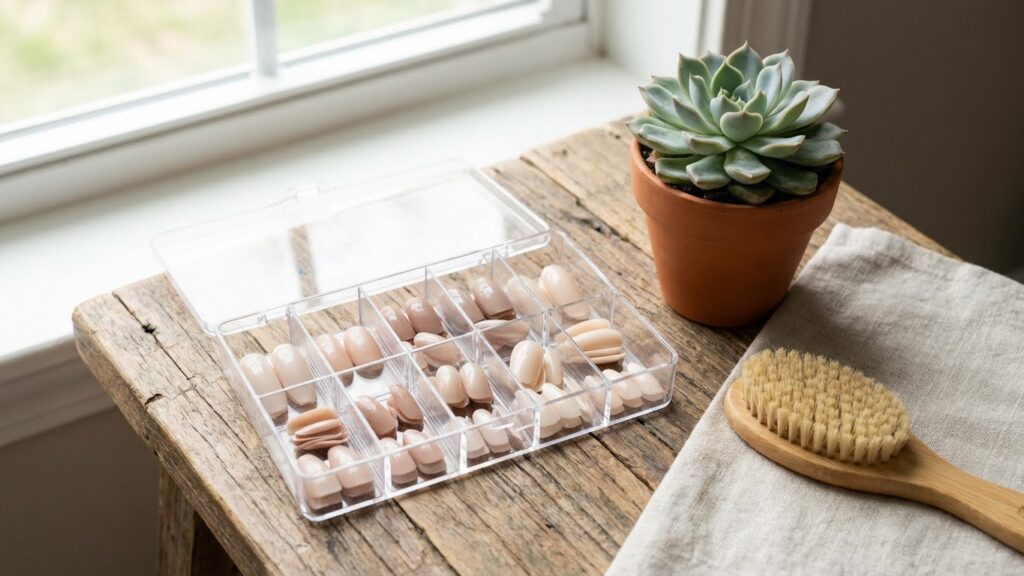
Store nails by size and set to avoid mix-ups and damage. Use a small plastic container, pill box, or resealable bag with labeled compartments for each finger size. Lay nails flat so tips don’t bend.
Keep them dry and away from direct sunlight. Heat and humidity can warp or discolor nails. Add a small silica gel packet if you store them for more than a month.
If you removed adhesive tabs, place a piece of wax paper between layers to stop sticking. For glued nails, attach a tiny piece of tape to the back of each nail to protect the glue surface for the next use.
How Many Times Can Fake Nails Be Reused?
You can often reuse fake nails several times if you remove, clean, and store them correctly. Reuse depends mainly on the nail material, how you attached them, and whether they warped or lost adhesion.
Durability of Different Materials
Acrylic and hard plastic press-ons hold up well to multiple uses because they stay rigid and resist bending. Expect 3–5 uses for many mid-range press-ons if you remove glue carefully and avoid snapping the tips. Gel press-ons and thin, flexible plastics can look salon-fresh longer but tear or lose shape faster if bent. Higher-quality gel or reusable press-on brands often advertise more than five reuses, but that requires gentle removal and minimal sanding of the underside.
Adhesive type matters. Full-coverage nail glue creates a stronger bond but can be harder to remove without damage, reducing reuse. Adhesive tabs are gentler and usually let you reuse the nails more times, though the hold is weaker. Store nails flat, in their original tray or a small box, away from heat to preserve shape.
Warning Signs for Replacement
Replace nails if you see lifting at the edges, cracks through the tip, or severe surface scratches that won’t buff out. Lifting lets moisture sit under the nail and raises infection risk. Small chips might be filed off, but deep cracks or split layers mean the nail can break during wear.
Also replace when the underside shows rough, torn areas from scraping off glue. If a nail no longer sits flush on your natural nail or the fit gaps after repeated use, don’t force it — a poor fit stresses both nails. Finally, discard any nail that smells odd after cleaning or that you can’t sanitize fully.
Risks and Precautions When Reusing Fake Nails
Reusing fake nails can save money and reduce waste, but it raises specific hygiene and nail health issues you should know. Take steps to clean, inspect, and prepare both the false nail and your natural nail before reapplying.
Hygiene Concerns
You can trap moisture, dirt, and bacteria between the fake nail and your natural nail if you do not clean both surfaces well. That moist space encourages fungal and bacterial growth, which may cause discoloration, odor, itching, or pus.
Always wash your hands and gently scrub the underside of the fake nail with soap and water. Use a soft brush and isopropyl alcohol (70%) to sanitize the nail and the glue area. Let everything dry fully before re-gluing.
If you notice any redness, pain, swelling, or a foul smell on your natural nail, stop and do not reuse the fake nail. Seek medical advice if symptoms worsen or do not improve within a few days.
Potential for Nail Damage
Repeatedly gluing and removing fake nails can thin and weaken your natural nail plate. Nail surface loss, splitting, and peeling can happen when old glue is scraped off or when nails are pried off forcefully.
Remove glue residues with acetone-soaked cotton and avoid aggressive scraping. Give your nails a break between applications—at least a few days—to let oils and moisture recover. Use a gentle nail file to smooth edges rather than aggressive buffing, which removes protective nail layers.
Inspect the false nail for cracks or warping before reusing. A damaged fake nail can catch or tear your natural nail and increase the risk of injury or infection. Replace any fake nail that shows visible structural damage.
Eco-Friendly Tips for Reusing Fake Nails
Clean nails gently after removal to avoid damaging them. Soak adhesive residue in warm, soapy water for a few minutes, then use a soft brush or wooden stick to lift glue.
Store nails flat and separated so they keep their shape. Use small resealable bags or a pill box and label sets by size to save time later.
Rotate adhesives to extend nail life. Try sticky tabs for short wear and stronger glue for longer events. Test a small amount of glue on one nail first to check fit and finish.
Repair chips and edges with a tiny drop of clear nail glue or a thin coat of clear polish. This keeps nails usable and reduces waste.
Sanitize reusable nails between wears. Wipe with 70% isopropyl alcohol or a gentle brush with soap and water, then let air dry completely.
Reuse packaging and materials when possible. Keep original trays for storage, and recycle outer boxes if your local program accepts them.
Keep a simple kit for upkeep: soft brush, wooden cuticle pusher, isopropyl alcohol, clear top coat, and resealable bags. Small investments in care products save money and reduce toss-and-buy cycles.
If a set wears out, repurpose parts for crafts or nail art samples. You can also donate gently used press-ons to friends or local theater groups.
Alternatives to Reusing Fake Nails
If you prefer not to reuse fake nails, try press-on nails designed for single or limited use. They come with pre-applied adhesive tabs you can replace, so you still get a neat look without forcing old glue to hold.
Consider getting a professional fill or partial replacement for acrylics and gels. A salon can blend new product with the old, which keeps the nails healthy and avoids repeatedly gluing on removed tips.
Use reusable press-ons made for multiple wears and pair them with fresh adhesive tabs. This reduces waste and keeps the nail surface cleaner, since tabs peel off cleanly compared to dried glue.
Switch to nail wraps, stickers, or polish designs for a DIY look that lasts. These options give you variety, cost less over time, and avoid the damage that repeated glue and removal can cause.
Keep a small kit of tools if you DIY: gentle acetone remover, a soft file, nail buffer, and replacement adhesive tabs. These help you maintain nails safely when you choose non-reuse options.
Quick comparison:
| Option | Cost | Nail damage risk | Reusability |
|---|---|---|---|
| Reusable press-ons + tabs | Low | Low | High |
| Single-use press-ons | Low | Low | Low |
| Professional fill (acrylic/gel) | Medium | Medium-low | Medium |
| Nail wraps/stickers | Low | Low | Low |
Choose the option that fits your budget and how often you change styles.
FAQs
Can you reuse press-on or glue-on nails?
Yes. Many press-on nails can be reused 3–5 times if you remove them carefully, clean off glue, and store them flat. Quality and how you remove them affect how many times they last.
How should you remove fake nails to avoid damage?
Soak glue-on nails in acetone or warm soapy water, then gently lift the edges with a tool or tweezers. Work slowly to protect your natural nail and skin.
How do you clean and store fake nails between uses?
Scrub off glue with a nail brush and acetone, rinse, and dry completely before storing. Keep them in a small container or the original tray to hold shape and prevent dust.
When should you throw them away?
Discard nails that crack, warp, or no longer hold their shape. Also replace them if the surface looks rough after cleaning or if adhesive won’t stick well anymore.
Is it safe to reuse nails with designs or gel finishes?
You can reuse many decorated nails, but some finishes may chip when you remove glue. If you want long-term reuse, choose higher-quality sets or reusable gel press-ons. For nail health guidance, check the American Academy of Dermatology at https://www.aad.org.
What adhesive should you use for reapplying?
Use fresh nail glue or adhesive tabs designed for press-ons. Avoid mixing old glue with new, and follow product instructions for the best hold.
Where can you find step-by-step cleaning tips?
Look for tutorials from reputable beauty brands and salon sites like the Nail Manufacturers Council for safe removal and cleaning methods.
Conclusion
You can reuse many types of fake nails, especially press-ons, if you remove and clean them carefully. Quality, glue type, and how you store them matter for how many times you can wear a set.
Follow safe removal steps and use acetone or adhesive remover when needed. Scrub off residue, rinse, and dry nails fully before reapplying to avoid lifting or infection.
Keep a small kit for reuse: nail glue tabs, a soft brush, acetone wipes, and a storage box. This helps you reuse nails up to several times while keeping them neat.
If nails are damaged, warped, or thin, discard them. Reusing worn or cracked pieces risks poor fit and nail damage.
Pros: saves money and reduces waste.
Cons: needs time and care, and some professional acrylics are hard to reuse.
Make choices based on the nail type and your comfort level. When you handle removal and storage properly, reusing fake nails becomes a practical, safe option.