
Can You Use a Nail File on Teeth? The Dangerous Beauty Trend Explained

It is tempting to look for quick DIY fixes when a tooth feels slightly sharp, uneven, or jagged. With viral social media trends occasionally suggesting that you can use a nail file on teeth to smooth away imperfections or reshape a chipped edge at home, many people wonder if it is a safe shortcut. If you have ever asked yourself can you use nail file on teeth, the short answer is an absolute no. Filing your teeth with a manicure tool is extremely dangerous, irreversible, and can permanently destroy your dental health.
Quick Answer
No, you should never use a nail file on your teeth. Nail files are abrasive tools designed for dense keratin plates on fingernails, not living dental enamel. Filing your teeth strips away essential enamel, exposes sensitive inner layers, increases decay risks, and can permanently ruin your smile. Always consult a dental professional for reshaping.
Understanding the Structure of Your Teeth vs. Your Nails
To understand why a nail file causes so much damage, it helps to look at what your teeth and nails are actually made of.
Your fingernails are composed of layers of dead keratin protein. Because they lack nerve endings and a blood supply at the visible edge, you can safely cut, buff, and file them without feeling pain.
Your teeth, however, are living, highly complex structures. The outer layer of your tooth is called enamel, which is the hardest substance in the human body. However, once enamel is damaged or removed, your body cannot regenerate it. Beneath the enamel lies dentin, a softer tissue filled with microscopic channels leading straight to the tooth’s nerve center.
When you rub a coarse abrasive tool like an emery board or a metal nail file against a tooth, you are not gently polishing it. You are aggressively grinding away your permanent protective armor. For more details on safe cosmetic practices and regulated tools, you can review consumer safety updates from the U.S. Food and Drug Administration (FDA).
Why Using a Nail File on Teeth Is Dangerous
Attempting DIY dental modifications with a manicure tool introduces several severe risks to your oral health.
Permanent Enamel Loss
Enamel is finite. Once you file it down, it is gone forever. Thinning the enamel leaves the entire tooth structurally compromised and vastly more susceptible to cracks and fractures.
Extreme Sensitivity and Pain
As the file grinds through the enamel and exposes the underlying dentin, you will likely experience sharp pain. Everyday triggers like hot coffee, ice water, cold air, or sugary foods will cause intense discomfort as they reach the nerve endings.
Accelerated Tooth Decay and Cavities
Enamel acts as a shield against bacteria and plaque. When that shield is scraped away or unevenly thinned, bacteria can easily penetrate the tooth structure, leading to rapid decay, cavities, and potentially painful root canal infections.
Micro-Fractures and Chipping
Nail files apply uneven, uncontrolled pressure. Instead of creating a smooth edge, filing can cause microscopic fractures that travel deeper into the tooth, eventually causing the tooth to crack or snap off entirely under normal chewing pressure.
The Hidden Costs of DIY Dental Hacks
While social media videos often frame DIY tooth filing as a cheap, instant hack to fix a chipped tooth or smooth a minor overlap, the reality is far more costly.
| Feature | DIY Nail File Filing | Professional Dental Treatment |
|---|---|---|
| Upfront Cost | Free or cost of a cheap file | Moderate dental visit fee |
| Long-Term Cost | Extremely high (crowns, root canals, implants) | Low to moderate (prevents major damage) |
| Safety | High risk of permanent nerve and enamel damage | Safe, controlled, and precise |
| Durability | Ruins tooth structure permanently | Restores and protects long-term health |
| Aesthetics | Often results in jagged edges and discoloration | Smooth, natural, and professional finish |
Trying to save a small amount of money on a cosmetic adjustment frequently leads to thousands of dollars in emergency dental bills later. For broader guidance on maintaining personal health and safety standards, the Centers for Disease Control and Prevention (CDC) provides extensive educational resources on preventive health.
Common Mistakes to Avoid
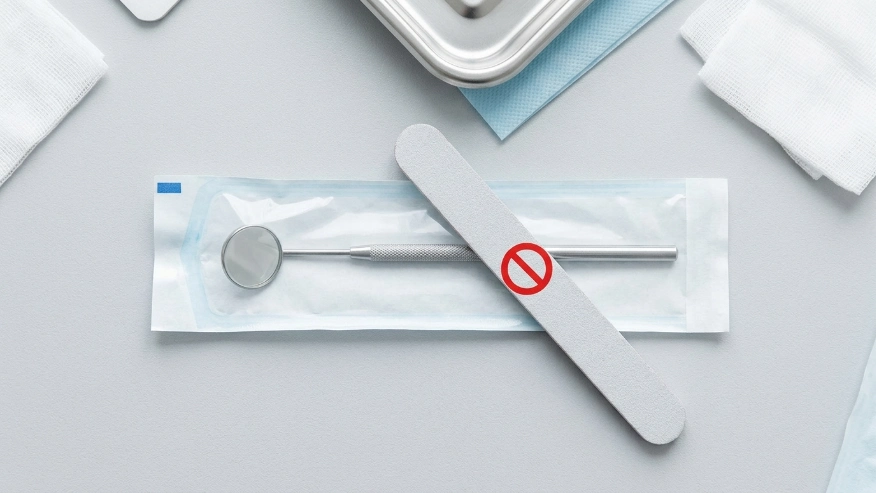
When dealing with perceived flaws in your smile, it is easy to make hasty decisions. Keep these common mistakes in mind:
- Assuming small fixes are harmless: Even a light filing motion can strip away the microscopic outer layer of enamel.
- Trusting viral beauty trends: Social media challenges often prioritize shock value over safety, ignoring permanent biological consequences.
- Ignoring minor chips: If you have a rough edge, do not try to grind it down yourself. A dentist can smooth it safely in seconds using specialized, sterile dental instruments.
- Using abrasive household items: Never use emery boards, metal files, sandpaper, or pumice stones anywhere near your mouth.
When to See a Dentist
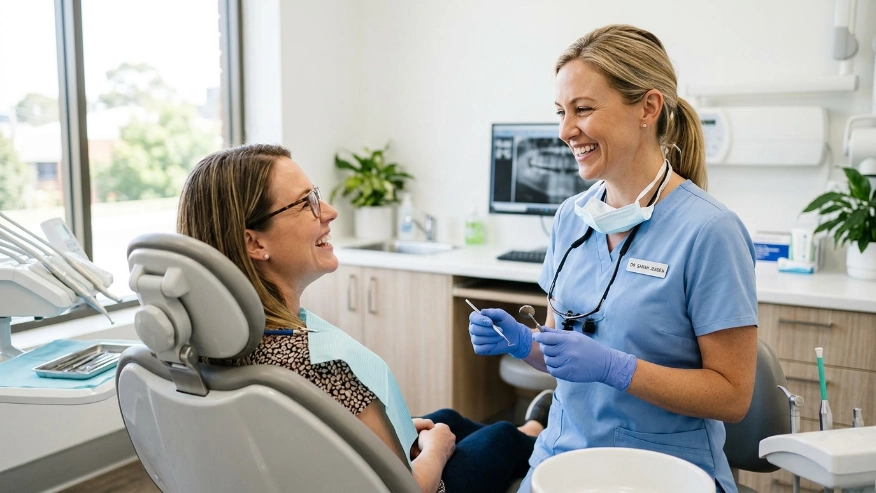
If you have a chipped tooth, a sharp edge that cuts your tongue, or an uneven smile that bothers you, skip the beauty kit and schedule an appointment with a licensed dental professional.
Dentists use high-speed, water-cooled diamond burs or specialized polishing discs designed specifically to contour enamel safely without generating excessive friction or heat that could damage the nerve. If a tooth is severely chipped, they may use tooth-colored composite bonding to restore its natural shape and strength safely.
Expert Tip: If a sharp tooth edge is cutting the inside of your mouth while you wait for a dental appointment, use temporary dental wax—available at most pharmacies—to cover the sharp spot safely without altering your tooth structure.
Frequently Asked Questions
Can you use a nail file on teeth if you are very careful?
No. Even with extreme care, a nail file is too abrasive for tooth enamel. It will cause micro-abrasions and strip away protective layers permanently.
What should I do if a tooth feels sharp or jagged?
Schedule an appointment with your dentist. They can safely smooth or bond the edge without harming your dental health.
Does tooth enamel grow back if you file it off?
No. Once human tooth enamel is lost, it does not regenerate naturally because it contains no living cells.
Can filing teeth cause cavities?
Yes. Removing enamel exposes the softer dentin underneath, making the tooth much more vulnerable to bacteria, plaque, and rapid decay.
Are there any safe DIY ways to reshape teeth at home?
No. All structural modifications to teeth must be performed by a trained dental professional using specialized medical equipment.
Conclusion
Your nail files belong strictly on your hands and feet, never inside your mouth. Asking can you use nail file on teeth highlights a dangerous misconception that beauty tools are universally interchangeable. Protecting your permanent tooth enamel requires professional care, patience, and safe grooming habits. Always prioritize your long-term health over quick cosmetic fixes, and consult a dental expert for any concerns regarding your smile.

