

You can use super glue to stick on fake nails, but it often harms your natural nails and skin and is not made for cosmetic use. If you want a safe, long-lasting hold, choose a nail adhesive made for nails—super glue can cause irritation, damage, and removal problems.
If you already used super glue, act carefully: avoid peeling or ripping off the nail, gently soak or file the bond if needed, and consider seeing a pro if you notice burns, severe pain, or signs of infection. This article shows the risks, safer options, and simple steps to protect your nails so you don’t trade quick fixes for long-term damage.
Key Takeaways
- Super glue works short-term but can damage nails and skin.
- Use nail-specific adhesives or safer alternatives for lasting, gentler results.
- Seek help if you experience severe pain, burns, or infection after use.
Understanding Super Glue And Fake Nails
You need to know what super glue is, the main types of false nails, and how nail adhesives differ from household cyanoacrylate glues. This helps you choose a safer, more reliable option for applying or removing fake nails.
What Is Super Glue?
Super glue is a fast-setting adhesive whose main active ingredient is cyanoacrylate. It bonds by reacting with moisture on surfaces and forms a hard, rigid film within seconds to minutes.
You can buy super glue in small tubes for household repairs. Manufacturers tune formulations for strength, viscosity, and gap-filling, but they do not make most household grades for use on skin or nails.
Using it on skin or cuticles can cause burns, irritation, or accidental skin-to-skin bonding. Removal often requires strong solvents, filing, or soaking that can damage your natural nail plate.
Types Of Fake Nails
Fake nails come in several common types: press-on nails, acrylics, hard gels, and tips bonded with liquid monomer. Each type needs a different prep and adhesive method.
- Press-on nails: pre-shaped, often come with double-sided tabs or specific nail glue.
- Acrylics: created with powder and liquid monomer; they bond to the nail after proper prep.
- Hard gel: cured with UV/LED light and often attached with specialized gel adhesives or sticky bases.
- Tips: thin plastic pieces glued at the free edge then blended and covered with acrylic or gel.
Your choice affects how strong the bond must be and what removal process you use. Some nails tolerate stronger adhesives; others require flexible, nail-specific glues.
How Nail Adhesives Differ From Super Glue
Nail glues and super glue both use cyanoacrylate chemistry, but nail adhesives include additives to protect the nail and skin, control cure speed, and remain slightly flexible. Those differences matter for wear and removal.
Nail glue formulas often contain plasticizers and lower-viscosity blends to reduce brittleness and allow safer removal with acetone. They also come with bottles and applicators sized for fingernail use, which helps control application and avoid skin contact.
Household super glue is usually stronger and more brittle. It can cause lifting, split nails, or require aggressive removal that thins the nail plate. If you need medical-grade products for small repairs, use those labeled safe for skin or nails and follow product instructions.
Is Super Glue Safe For Applying Fake Nails?
Using super glue can give strong hold but comes with safety and health trade-offs. Know how it can harm your nail surface, irritate skin, and what chemicals in the glue cause those effects.
Potential Risks To Natural Nails

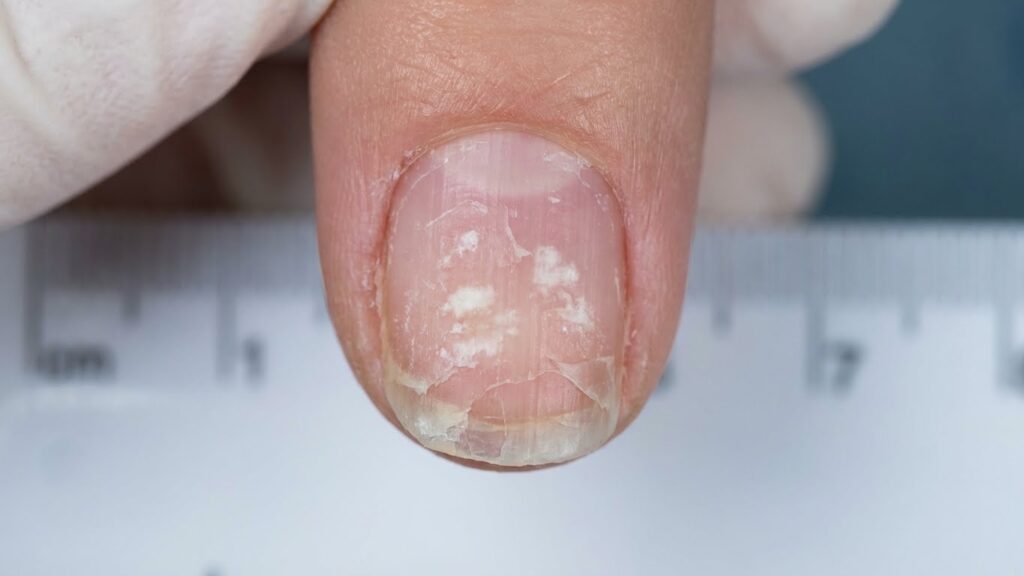
Super glue bonds very tightly to your nail surface. When you remove glued press-ons, the adhesive often lifts layers of the nail plate. That can cause thinning, peeling, and long-term weakening of the nail.
You may also trap moisture and dirt under a nail applied with super glue. That raises the chance of fungal or bacterial growth. If water gets in and the bond breaks oddly, your natural nail edge can split or chip.
Repeated use increases cumulative damage. Filing or scraping to remove hardened super glue can remove more of the nail than intended. If you want to protect your nails, use products made for nails and follow safe removal steps.
Possible Skin Reactions
Super glue can irritate the skin around your nails. Direct contact often leads to redness, stinging, or a burning feeling. Sensitive skin can react faster and more strongly.
Accidental bonding of skin to the nail or other fingers can cause tears when you try to separate them. Removing glued skin may require soaking and careful work to avoid cuts. In rare cases, repeated exposure triggers allergic contact dermatitis — itchy, inflamed patches that need medical treatment.
If you feel increasing pain, spreading redness, or pus, stop use and seek care. These signs can mean infection or a severe reaction that needs a healthcare professional.
Chemical Ingredients In Super Glue
Super glue mainly contains cyanoacrylate. This compound cures quickly on contact with moisture and forms a very hard, inflexible bond. Nail glues for cosmetics use modified formulas that often include flexibilizers and skin-safe additives.
Commercial cyanoacrylate adhesives release fumes during curing. Those vapors can irritate lungs and eyes, especially in enclosed spaces. Prolonged or repeated exposure to the raw chemical can raise risk of sensitization and allergic response.
Cosmetic nail glues are formulated to balance adhesion and removability. They usually have lower concentrations of harsh monomers and include agents that help safe removal. Using the correct product reduces chemical risks compared with household super glue.
Comparing Super Glue With Nail Glue
You’ll find key differences in strength, removal, and how each affects natural nails. Choose the right adhesive by weighing bond speed, safety, and how gentle the product is on your skin and nail plate.
Adhesion Strength And Longevity
Super glue (cyanoacrylate) bonds very fast and creates an extremely strong hold on many materials, including fake nails. That means repairs or press-on nails may stay put longer with super glue, especially under stress like typing or washing dishes.
Nail glue is formulated for nails and often contains flexibilizers. The bond is strong enough for daily use but accepts some movement, which reduces lifting and cracking on curved nail surfaces. You may need to reapply nail glue more often than super glue, but it can give a more natural, less brittle hold.
If you want maximum immediate hold and don’t mind a rigid bond, super glue performs better. If you need a durable but slightly flexible bond that reduces breakage risk on your natural nail, choose nail glue.
Removal Process
Super glue removal usually requires acetone or heavy solvents and longer soak time. You’ll likely need 10–15 minutes of acetone soak, gentle scraping, and patience to lift the bond without pulling the natural nail.
Nail glue is designed to dissolve more predictably with standard nail acetone removers. It often releases faster with a 5–10 minute soak and softening, so removal tends to damage the nail less when done properly.
For both glues, file the surface lightly first, then soak, and never forcibly pry the fake nail off. Use a cuticle stick after the glue softens and finish with nail oil to rehydrate the nail plate.
Impact On Nail Health
Super glue can be harsher on skin and nail plate because it bonds skin and cuticle tissue and may cause more lifting or tearing when removed. Repeated use raises the chance of thin, brittle nails and can trigger allergic contact dermatitis in some people.
Nail glue usually contains lower concentrations of aggressive cyanoacrylate variants and includes additives to improve flexibility. This reduces cracking and lowers the risk of immediate chemical burns or skin bonding when used as directed.
Regardless of glue, improper application or aggressive removal harms nails. Keep glue away from cuticles, use thin layers, and remove gently with acetone and oil. If you notice redness, pain, or persistent lifting, stop use and seek medical or professional nail advice.
Proper Application Methods For Fake Nails
Prepare your natural nails by cleaning, drying, and gently buffing the surface. Choose an adhesive made for nails and follow step-by-step placement to avoid damage and ensure the set lasts.
Recommended Adhesives
Use nail glue (cyanoacrylate) made for artificial nails. These formulas have additives that reduce skin irritation and bond in a way that tolerates water and movement. Look for brands labeled for press-on or acrylic nails and check that the package lists nail-safe ingredients.
If you have thin or damaged nails, try a brush-on gel adhesive or double-sided nail tabs. Gel adhesives give stronger, controlled bonding and can be cured under an LED lamp if the product requires it. Tabs work best when you want an easy, temporary wear and remove step.
Avoid household super glue brands not made for nails. They can irritate skin, cause chemical burns, and overly harden the nail edge, increasing lift and breakage. Keep a small bottle of acetone remover on hand for safe removal when using strong glues.
How To Apply Press-On Nails Safely
Start by trimming and pushing back cuticles. Wash hands with soap, then wipe each nail with alcohol to remove oils. Lightly buff the nail surface with a 180-grit file to help adhesion; do not over-buff.
Apply a pea-sized drop of nail glue to either the back of the press-on or in short dots on your natural nail. Press the fake nail down from cuticle to tip and hold for 10–30 seconds until secure. Avoid excess glue at the cuticle to prevent skin contact.
For tabs, center the tab on your natural nail, peel the liner, press the fake nail over it, and hold firmly. Check edges and file any overhang. To remove, soak nails in acetone or use the product’s recommended remover; never force nails off.
What To Do If You Used Super Glue On Fake Nails
Act quickly and treat the glue as a strong industrial adhesive on your skin. Focus on safe removal first, then give your natural nails time and care to recover.
Safe Nail Removal Techniques

Do not pry or force the fake nail off. Forcible removal can tear your natural nail and surrounding skin.
Soak a cotton ball in pure acetone (nail polish remover with acetone). Place it on the nail and wrap the fingertip in aluminum foil for 10–15 minutes. Check one nail at a time; repeat soaking if the glue is still hard. Use a wooden cuticle stick to gently lift softened glue—work slowly and stop if you feel pain.
If acetone isn’t available, soak hands in warm soapy water for 20–30 minutes to loosen edges, then try gentle lifting. Avoid household solvents like paint thinner or industrial adhesives—they can burn skin. If the nail remains firmly bonded, or if you notice bleeding, severe pain, or skin damage, see a licensed nail technician or a medical professional for safe removal.
Aftercare For Natural Nails
After removal, wash your hands and soak nails in warm water for a few minutes to remove residue. Pat nails dry and apply a drop of cuticle oil or a light healing ointment to reduce dryness and irritation.
Trim nails short and shape them with a fine nail file to smooth any rough edges. File in one direction to avoid further splitting. Apply a nail-strengthening product containing protein or biotin, or use a clear moisturizing base coat daily for two to four weeks. Keep nails and cuticles well-hydrated with hand cream and oil.
Watch for signs of infection: increased redness, swelling, pus, or persistent pain. If you see these, get medical attention. Avoid glue, press-ons, or acrylics until nails look and feel healthy again.
Safer Alternatives To Super Glue
You can choose products made for nails or simple DIY options that are gentler on your natural nail plate. Pick a product based on how long you want the nails to last and how often you plan to remove them.
Salon-Grade Nail Glues
Salon-grade nail glues are formulated for cosmetic use and stick longer than craft super glues. Look for cyanoacrylate-based nail glues labeled for nails; they bond quickly but evaporate less and include skin-safe additives. Brands often list wear time (7–14 days) and whether they are “formaldehyde-free” or “hypoallergenic.”
Use a thin drop on the fake nail or the natural nail, press for 10–30 seconds, and avoid getting glue on the cuticle. To remove, soak nails in acetone or use a professional remover soak to prevent peeling or ripping your natural nail. If you have sensitive skin, pick glues marked for sensitive skin or those with a lower odor and drying speed.
DIY Nail Adhesive Solutions
If you prefer non-glue options, adhesive nail tabs and kit adhesives offer short-term hold without harsh chemicals. Tabs are pre-cut double-sided stickers you press onto clean nails; they last a few days and are easy to remove. Temporary press-on kits include peel-and-stick nails with pre-applied adhesive or small glue dots.
You can also use eyelash glue as a gentle alternative; choose a latex-free, cosmetic-grade formula and do a patch test first. Avoid household super glues and construction adhesives — they can irritate skin and damage nails. Whichever DIY route you pick, clean and dry your nails, push back cuticles, and lightly buff the nail surface to get the best bond.
Long-Term Effects Of Using Non-Nail Glues
Using non-nail glues like super glue on your fake nails can damage your natural nails over time. The strong bond can pull away nail layers when you remove the fake nails, leaving nails thin and fragile.
You may notice chronic peeling and brittleness after repeated use. That makes nails more likely to split or break during everyday tasks, and regrowth can be slow.
Chemical irritation is possible, especially around the cuticles. You could develop redness, soreness, or allergic reactions from ingredients not meant for skin contact.
Improper adhesives can trap moisture and debris under the fake nail. That creates an environment where fungal or bacterial infections can start, which need medical treatment if they worsen.
Some non-nail glues cure hard and inflexible, stressing the nail plate during normal movement. Over time, this stress can cause micro-tears or permanent changes in nail shape.
Quick reference — common long-term risks:
- Nail thinning and brittleness
- Peeling and chronic layering
- Cuticle irritation or chemical burns
- Higher risk of infections
- Possible permanent nail deformity
If you value healthy natural nails, choose products made for nails and follow safe removal steps.
When To Seek Professional Help
If your nail is bleeding, painful, or swollen after using super glue, see a medical professional right away. These signs can mean infection or an allergic reaction that needs treatment.
If you notice brown or yellow discoloration under the nail, or the nail lifts away from the nail bed, book an appointment with a licensed nail technician. They can safely remove glued-on nails and assess any damage without making it worse.
When you have recurring problems—chips, lifting, or brittle nails after DIY fixes—visit a pro. A technician can recommend proper products and techniques suited to your nail type.
If you plan long-term nail wear or complex services like acrylics or gels, use a salon. Professionals use nail-specific adhesives and tools that reduce damage and improve longevity.
For severe glue accidents—glue fused to skin or cuticle, or nails bonded in awkward positions—go to a salon or urgent care. Trained staff can remove glue safely and treat any cuts.
Bring photos and note what product you used when you see a pro. This helps them diagnose the issue and choose the safest removal and repair method for your nails.
Best Practices For Nail Health When Wearing Enhancements
Choose the right adhesive. Use glue made for nails rather than super glue. Nail-specific adhesives are formulated to be less irritating and easier to remove.
Keep your nails clean and dry before applying enhancements. Gently push back cuticles and remove oils with a nail cleanser or rubbing alcohol. This helps the glue bond and lowers the chance of lifting.
File and fit press-ons to match your nail shape. A proper fit reduces stress and limits gaps where water and bacteria can enter. Round off sharp edges to avoid catching and peeling.
Limit how long you wear enhancements. Give your natural nails a break of a week or two between sets. Continuous wear can thin and weaken the nail plate.
Hydrate and strengthen your nails. Apply cuticle oil daily and use a protein or calcium treatment if nails feel soft. Moisture supports nail flexibility and helps prevent splits.
Remove enhancements safely. Soak off nail glue with acetone or follow the product’s removal steps. Never pry or force off nails; that can pull layers from your natural nail.
Watch for signs of problems. If you see redness, swelling, burning, or persistent pain, remove the enhancement and see a professional. Irritation and allergic reactions require prompt attention.
Keep tools and products sanitary. Use clean files, buffers, and adhesive, and avoid sharing. Clean tools lower the risk of infections under and around nails.
FAQs
Can you use super glue for fake nails?
You can, but it’s not ideal. Super glue contains cyanoacrylate like some nail glues, yet household formulas can irritate skin and damage the nail bed over time.
Will super glue hold fake nails well?
Yes, it can give a strong short-term hold. Expect uneven bonding and possible lifting if the glue isn’t made for nails.
Is super glue safe for your skin and nails?
No. Super glue can cause skin irritation, burns, or allergic reactions. Repeated use may thin and weaken your natural nails, raising the risk of breakage and infection.
How should you remove super glue from nails?
Soak the nail in warm, soapy water, then use acetone to dissolve residue carefully. Avoid aggressive filing; it can remove layers of your natural nail.
What are safer alternatives?
Use glue labeled for press-on nails or professional nail adhesives. These products are formulated for skin contact and nail health. For medical-grade guidance on skin reactions, see the American Academy of Dermatology (https://www.aad.org). For safe nail removal tips and product info, check the American Academy of Dermatology or a trusted nail-care guide like WebMD (https://www.webmd.com).
When should you see a professional?
Seek help if you get a severe burn, persistent pain, swelling, or signs of infection. A nail technician or healthcare provider can remove glued nails safely and advise on restoration.
Conclusion
You can use super glue in a pinch to attach a fake nail, but it carries real risks to your nail and skin. Super glue bonds quickly and strongly, which may sound useful, yet it can lift layers of your natural nail or irritate skin if misapplied.
Choose nail glue or press-on kits when you can. These products are made for nails, remove more easily, and reduce the chance of damage or burns from fumes.
If you must use super glue, take these steps: work in a well-ventilated space, apply a very small amount to the fake nail (not your skin), and remove gently with acetone or seek salon help if it won’t come off. Expect a harder removal process than with nail glue.
Watch for signs of trouble like redness, pain, swelling, or nail thinning. Stop use and see a healthcare provider or nail technician if you notice infection or lasting damage.
Use safer alternatives whenever possible. That choice protects your nails and gives a more reliable, easier-to-remove finish.