
What Are the Most Common Ingrown Toenail Mistakes?

An ingrown toenail can start with something as small as a sore corner on your big toe. Then you trim it a little closer, file the edge, put on your usual shoes, and suddenly the area feels even more tender.
So, what are the most common ingrown toenail mistakes? Many problems come from cutting the nail too short, rounding or digging into the corners, repeatedly picking at the nail, using dirty tools, wearing tight shoes, or continuing DIY care when the toe looks infected.
The good news is that many of these mistakes are avoidable. Below, you’ll learn what not to do, how nail files and clippers should be used, which home-care habits are reasonable, and when it is safer to stop treating the toe yourself.
Quick Answer
The most common ingrown toenail mistakes are cutting toenails too short, rounding or digging into the corners, picking at the nail, aggressively filing the sides, wearing tight shoes, using unclean tools, and ignoring infection warning signs. Gentle nail care, straight-across trimming, roomy footwear, and timely professional care can help prevent complications.
What Is an Ingrown Toenail?
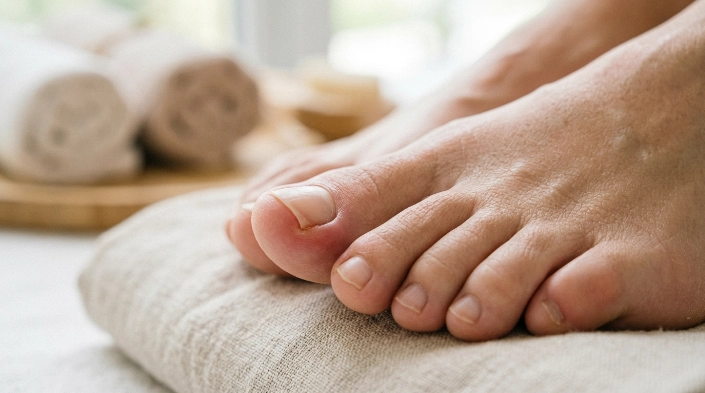
An ingrown toenail develops when the side or corner of the nail presses or grows into the surrounding skin. It most commonly affects the big toe.
Early symptoms may include tenderness, redness, and swelling along one nail edge. More advanced cases can become increasingly painful and may develop infection.
The Mayo Clinic’s overview of ingrown toenails identifies improper nail trimming, tight footwear, nail injury, naturally curved nails, and some medical conditions among the possible causes.
That means an ingrown nail is not always caused by one bad pedicure. Your nail shape, shoes, activities, previous injuries, and health can all play a role.
The Most Common Ingrown Toenail Mistakes
1. Cutting the Toenail Too Short
One of the easiest mistakes is trimming until almost no white free edge remains.
A closely trimmed toenail may look neat, but cutting too short can leave the surrounding skin exposed and irritated. As the nail grows forward again, its edge may press against that skin.
Avoid trying to make every toenail as short as possible. A safer routine is to leave a small amount of visible nail and avoid cutting below the level of the surrounding skin.
If you accidentally cut a toenail very short, do not keep trimming it to make the shape look even. Let it grow.
2. Rounding the Corners Too Deeply
Many people shape their toenails like fingernails, creating a pronounced curve at each corner.
That can be a problem.
The American Academy of Dermatology’s nail-trimming guidance recommends cutting toenails straight across to help reduce the chance of ingrown toenails. It also recommends smoothing rough edges with a nail file rather than repeatedly cutting at them.
You do not need perfectly square, razor-sharp corners. The goal is simply to avoid cutting deeply down the sides of the nail.
3. Trying to Dig Out the Ingrown Corner
When you can feel a painful nail edge, your first instinct may be to grab clippers, tweezers, scissors, or a metal nail tool and dig until you find it.
This can make the situation worse.
Digging into the corner can:
- Cut the surrounding skin.
- Create a sharper nail spike.
- Increase inflammation.
- Introduce bacteria.
- Make the area bleed.
- Remove even more nail than necessary.
If the nail is already buried deeply in swollen skin, continuing to cut may not solve the underlying problem.
Painful tissue is not the place for aggressive DIY excavation.
4. Filing Deep Into the Sides of the Nail
Nail files are useful for smoothing exposed rough edges. They are not designed to be pushed between an ingrown nail and sore skin.
Filing aggressively down the side can injure the skin and thin the nail unevenly.
A file is most helpful when:
- A freshly cut edge feels rough.
- A corner catches on a sock.
- There is a small exposed snag.
- You need to smooth an edge without shortening the entire nail.
Use light pressure and stop if filing causes pain.
Which Nail File Is Best?
For routine natural toenails, a clean, fine- to medium-grit nail file or emery board is usually enough for smoothing.
Glass files can also provide a controlled, smooth finish on normal nails.
Very coarse files are more aggressive. They may be useful in specialized professional nail services, but they can remove natural nail material quickly when used incorrectly.
A nail file should smooth the free edge—not carve into inflamed skin.
5. Using Dirty Clippers, Files, or Pedicure Tools
Toenail care involves tools that regularly contact dead skin, nail debris, and sometimes tiny breaks in the skin.
Reusing dirty tools increases unnecessary hygiene risks.
The American Academy of Dermatology advises disinfecting nail clippers and nail scissors regularly as part of proper nail care.
At home:
- Keep your own nail-care tools separate when possible.
- Remove visible nail debris after use.
- Clean tools according to their material and manufacturer instructions.
- Let them dry completely before storage.
- Replace disposable emery boards when they become worn, dirty, or contaminated.
Do not share a nail file that has been used over broken, irritated, or potentially infected skin.
6. Wearing Tight or Pointed Shoes
You can trim your nails carefully and still irritate an ingrown edge by squeezing your toes into narrow footwear every day.
Shoes that compress the toes may increase pressure around the nail.
The NHS advises wearing wide, comfortable footwear when dealing with an ingrown toenail and avoiding tight, pointy shoes.
During healing, consider shoes with enough space for your toes to sit naturally without rubbing the front or sides.
That does not mean you must abandon your favorite shoes forever. But if a toe is already tender, giving it more room can reduce repeated pressure.
7. Picking, Pulling, or Tearing at the Nail
Another common mistake happens when a corner looks loose.
You pull it.
Unfortunately, tearing a nail rarely creates the clean edge you hoped for. The nail can split farther back and leave a sharp section behind.
Picking also exposes the toe to repeated hand contact and may irritate already-sensitive skin.
If you have a normal exposed rough edge, smooth it carefully with a clean nail file. If the nail is embedded in skin, very painful, or surrounded by swelling, stop manipulating it.
8. Trying to Make the Nail Look Perfect While It Is Inflamed
Beauty routines can make us want to correct every uneven edge immediately.
An irritated ingrown toenail is different.
When the skin is sore or swollen, your priority should be protecting the area—not creating a salon-perfect nail shape.
Avoid repeatedly:
- Clipping it shorter.
- Buffing the surface.
- Filing the sides.
- Picking at dry skin.
- Covering a concerning change simply for appearance.
- Applying pressure while trying to reshape the nail.
Sometimes the smartest nail-care decision is to leave the nail alone.
9. Ignoring Signs of Infection
Mild tenderness is different from a toe that becomes progressively more swollen, painful, hot, or filled with drainage.
Possible warning signs include:
- Increasing redness.
- Significant swelling.
- Pus or drainage.
- Worsening pain.
- Redness that appears to be spreading.
- Fever, chills, or feeling unwell.
The NHS guidance on ingrown toenails recommends seeking medical advice when an ingrown toe is painful and swollen with pus or when symptoms such as feeling hot or shivery occur.
Do not treat an infection-looking toe as a cosmetic pedicure problem.
10. Waiting Too Long When You Have Diabetes or Poor Circulation
DIY care is not equally appropriate for everyone.
The Mayo Clinic notes that people with diabetes or another condition that causes poor blood flow to the feet face a greater risk of complications from ingrown toenails.
If that applies to you, contact your healthcare professional about a painful, injured, or infected-looking toe rather than aggressively cutting or filing it yourself.
Ingrown Toenail Mistakes at a Glance
| Mistake | Why It Can Be a Problem | Better Approach |
|---|---|---|
| Cutting very short | Can irritate skin and encourage pressure around the growing edge | Leave some nail length |
| Deeply rounding corners | Removes the protective corner of the nail | Trim mostly straight across |
| Digging with clippers | Can injure skin and create sharp nail spikes | Stop aggressive cutting |
| Filing into the sides | Can damage skin and thin the nail | File only exposed rough edges |
| Dirty tools | May introduce germs to irritated skin | Clean and dry tools |
| Tight footwear | Adds pressure around the toe | Choose a roomy toe box |
| Picking or tearing | Can create jagged edges and injuries | Leave embedded areas alone |
| Ignoring pus or spreading redness | May delay treatment of an infection | Seek medical advice |
What Should You Do Instead?
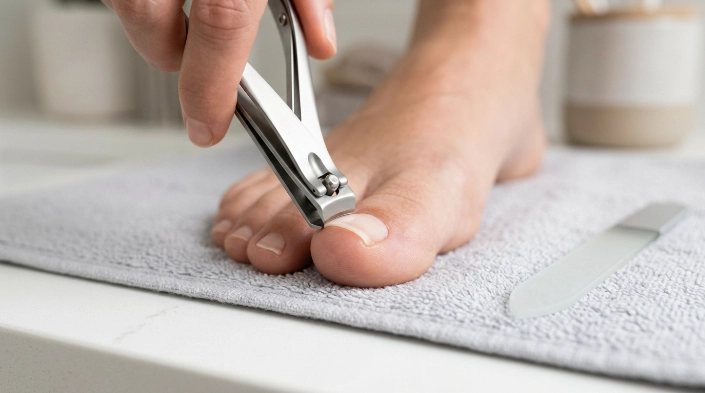
For a mild ingrown toenail without concerning medical risk factors, conservative care may be reasonable.
The Mayo Clinic’s ingrown toenail treatment guidance describes measures such as warm soaks, protecting the tender area, reducing shoe pressure, and appropriate pain relief.
A simple routine may look like this:
- Stop cutting into the affected corner.
- Keep the toe gently clean.
- Avoid picking or aggressive filing.
- Wear comfortable footwear with enough toe room.
- Protect irritated skin from unnecessary friction.
- Watch for increasing pain, swelling, drainage, or spreading redness.
Do not continue home care indefinitely if symptoms are getting worse rather than better.
Expert Tip: When an ingrown nail hurts, resist the urge to “fix” the corner every day. Repeated clipping and filing can create a cycle of irritation. Protect the toe, reduce pressure, and judge improvement by how it feels—not by whether the nail looks perfectly shaped.
DIY Care vs. Professional Care
Minor irritation around an otherwise healthy toenail may settle with careful home care.
Professional evaluation becomes more important when:
- Pain is severe or worsening.
- Pus or significant drainage appears.
- Redness seems to spread.
- The toe repeatedly becomes ingrown.
- You cannot comfortably trim your nails yourself.
- The nail is unusually thick or distorted.
- The condition is interfering with walking or footwear.
- You have diabetes, circulation problems, or another condition that makes foot injuries higher risk.
A salon nail technician can help with routine cosmetic nail maintenance, but a nail technician is not a substitute for medical care when infection, significant injury, or disease is suspected.
Common Mistakes to Avoid
When dealing with an ingrown toenail, avoid:
- Cutting the nail extremely short.
- Rounding deeply into both corners.
- Digging underneath the nail with sharp tools.
- Filing into swollen or broken skin.
- Pulling off loose nail pieces.
- Sharing dirty clippers or nail files.
- Wearing shoes that squeeze the painful toe.
- Continuing a pedicure when the area is bleeding or very inflamed.
- Hiding concerning changes under polish instead of monitoring them.
- Waiting for a serious-looking infection to disappear on its own.
Small changes in technique can make routine toenail care much gentler.
When to See a Nail Technician or Dermatologist
A nail technician is appropriate for routine cosmetic services on healthy nails. If you simply need help creating a neat shape or understanding how to file normal toenails, a trained technician may be useful.
However, painful, swollen, draining, injured, or repeatedly ingrown toenails need a different level of attention.
A dermatologist, podiatrist, or other qualified healthcare professional can evaluate the nail and surrounding skin. Depending on the severity, professional treatment may involve lifting the nail edge, treating an infection when present, or removing part of a repeatedly ingrowing nail.
Seek medical care sooner if you have severe pain, pus, spreading inflammation, feverish symptoms, or a condition such as diabetes that raises the risk of foot complications.
FAQs
Can cutting an ingrown toenail make it worse?
Yes. Cutting deeply into an ingrown corner can irritate the surrounding skin and may leave a sharper nail edge. Routine toenails are generally safer when trimmed straight across rather than carved deeply at the sides.
Should I file down an ingrown toenail?
You can gently smooth a rough exposed edge, but avoid pushing a file into painful or swollen skin. Filing should not hurt. A deeply embedded nail should be evaluated rather than aggressively filed out.
Should toenails be cut straight across?
For routine toenail care, yes. Dermatology guidance recommends cutting toenails straight across to help reduce the chance of an ingrown nail. Avoid removing the corners deeply.
Can tight shoes cause an ingrown toenail?
They can contribute. Shoes that crowd the toes put repeated pressure around the nail. Nail-trimming habits, natural nail shape, injuries, and other factors can also contribute.
Can I get a pedicure with an ingrown toenail?
If the toe is painful, bleeding, significantly swollen, draining, or appears infected, skip the cosmetic pedicure and seek appropriate medical advice. A salon service should not be used to treat a suspected infection.
What are the signs that an ingrown toenail is infected?
Possible signs include worsening redness, swelling, increased pain, warmth, or pus. Fever, chills, spreading inflammation, or feeling unwell are additional reasons to seek medical attention.
Why does my ingrown toenail keep coming back?
Recurring ingrown nails can be related to trimming technique, tight footwear, natural nail curvature, repeated trauma, or other nail problems. If the same toe repeatedly becomes painful, professional evaluation can help identify the cause and treatment options.
Conclusion
The most common ingrown toenail mistakes are usually surprisingly simple: cutting too short, rounding the corners, digging into the sides, overusing nail files, picking at the nail, wearing tight shoes, or continuing DIY care when the toe is clearly getting worse.
For routine prevention, keep toenails at a comfortable length, trim mostly straight across, smooth only rough exposed edges, keep your nail tools clean, and give your toes enough room inside your shoes.
Most importantly, know when cosmetic nail care has reached its limit. Pain, pus, spreading redness, repeated ingrown nails, or higher-risk medical conditions are reasons to get professional advice rather than keep cutting.
Treat your toenails gently, watch for changes, and choose the safest next step instead of trying to create a perfect-looking nail at any cost.

