
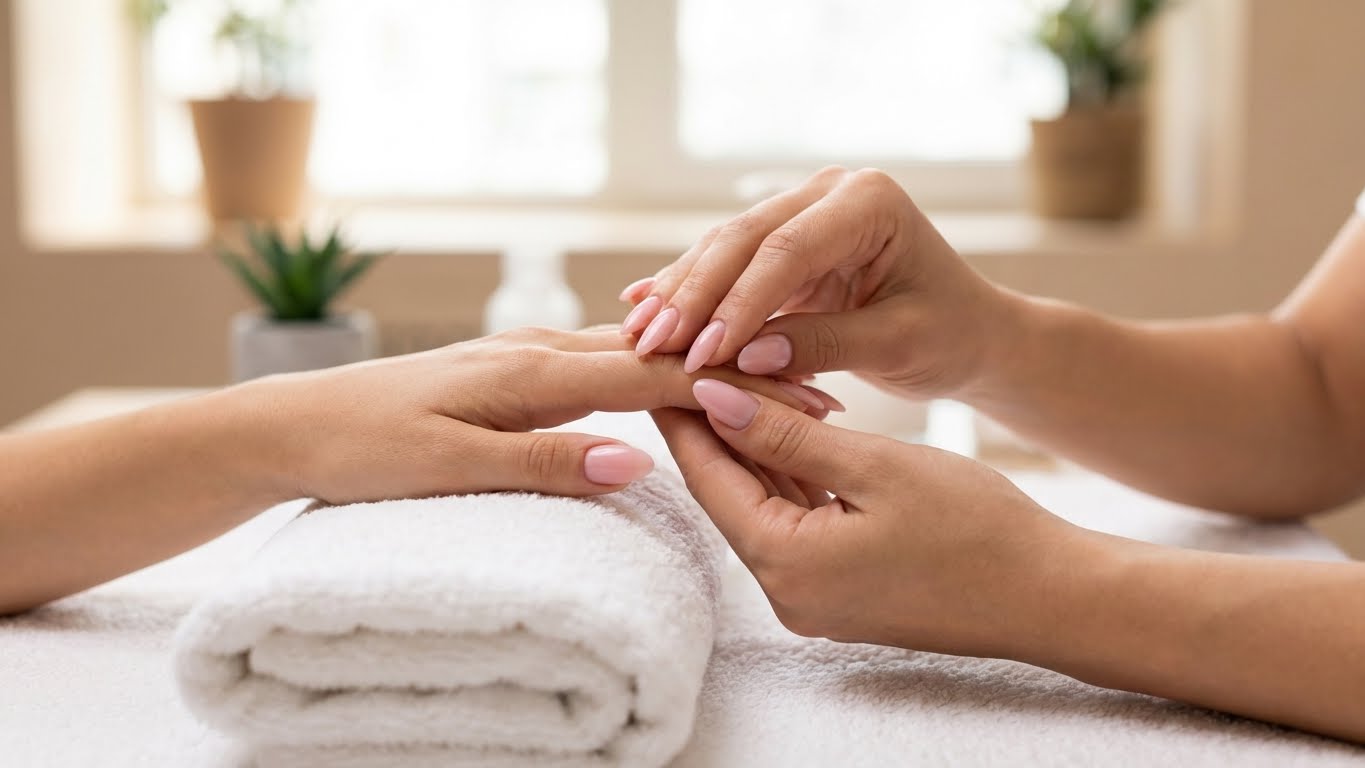
Fake nails can hurt sometimes, but they don’t always cause pain. If the nail tech files too deep, uses glue or chemicals that irritate you, or fits nails poorly, you may feel soreness, pressure, or sharp pain; well-done applications usually feel fine.
You’ll learn what causes pain, how to prevent it, and when to stop and get help. Keep reading to find simple steps you can take before, during, and after an appointment so your nails look great without hurting.
Key Takeaways
- Pain often comes from poor technique, irritation, or underlying nail problems.
- You can reduce discomfort with proper prep, fit, and gentle products.
- See a pro or a doctor if pain, swelling, or signs of infection appear.
Understanding Fake Nails
Fake nails change the look and length of your natural nails. They differ by type, how they get applied, and the chemicals or materials used.
Types of Fake Nails
You can pick from several main types: acrylics, gel (hard gel), and press-ons (including glue-on tips).
Acrylics use a powder and liquid monomer that harden into a stiff extension. They give strong length and shape but need fills every 2–3 weeks.
Hard gel is shaped on your nail and cured under a UV/LED lamp. It feels more flexible than acrylic and can look glossier without extra polish.
Press-ons come pre-shaped or as tips you glue on. They’re the least damaging when applied and removed correctly, and they’re the easiest to change at home.
Each type varies in durability, finish, and removal method, so your choice affects comfort and nail health.
How Fake Nails Are Applied
Application begins with nail prep: the nail plate is cleaned and lightly buffed so adhesives stick.
For acrylics, a technician mixes powder and monomer, sculpts the product on a form or tip, then files it to shape.
For hard gel, the gel is brushed on or sculpted and then cured under a light. Multiple layers may be applied for strength.
Press-ons require adhesive tabs or nail glue; you press them to align the cuticle edge and hold for a few seconds.
Improper prep, over-filing, or rushed curing can create lifting, pressure, or pain after application.
Materials Used in Fake Nails
Acrylic systems use polymethyl methacrylate (PMMA) powder and a liquid monomer that contains ethyl methacrylate or similar chemicals.
Gels contain oligomers and photoinitiators that harden when exposed to UV/LED light. Some gel formulas include tacky layers that technicians remove.
Press-ons use plastic like ABS or silicone-based resins and simple nail glue (cyanoacrylate) or adhesive tabs.
Solvents such as acetone remove acrylics and gels. These chemicals can dry skin and weaken thin natural nails if used often.
If you have allergies or sensitive skin, test small areas or ask for lower‑fume products before a full application.
Do Fake Nails Hurt?
You may feel different types of sensations after fake nails are applied. Some discomfort is common, but sharp pain, throbbing, or spreading redness means you should act.
Common Sensations After Application
After application you often notice tightness or pressure on the nail plate. This feels like a slight pulling or fullness because the artificial nail sits on top of your natural nail. Light sensitivity around the cuticle is normal for a day or two, especially if the technician filed or pushed back skin.
You might also get mild aching when tapping hard surfaces or using your fingertips for heavy tasks. Air bubbles, thick layers, or long lengths increase that sensation. Temporary numbness can occur if nails are glued too close to the cuticle or if anesthetic products were used.
Watch for itching from adhesives or acrylic fumes. Mild chemical irritation usually appears as redness or tiny blisters on the skin near the nail and often clears within a few days when exposure stops.
Normal vs. Concerning Discomfort
Normal discomfort stays limited to the nail area and eases in 24–72 hours. It includes dull pressure, small aches when pressing the nail, or brief sensitivity to cold or water.
Concerning signs include sharp or shooting pain, spreading redness, swelling, pus, or fever. These suggest infection, an allergic reaction, or a damaged nail bed. Severe pain after removal can mean the technician removed too much natural nail or caused a tear.
If pain worsens, you see fluid under the nail, or you can’t use the finger normally, seek medical or professional nail care. Don’t ignore signs that get steadily worse over days.
Duration of Pain or Discomfort
Mild pressure and sensitivity usually fade within 1–3 days as your skin and nail adjust. Minor chemical irritation can take up to a week to fully clear once you stop exposure.
If the nail bed was physically stressed—overfiling, lifting, or trauma—healing can take weeks to months depending on damage depth. Nail regrowth averages 3–6 months for a full fingernail, so persistent issues may last through that period.
Immediate allergic reactions or infections need prompt treatment; with proper care you may see improvement within 48–72 hours. If pain or abnormal signs persist after a week, contact a healthcare provider or a trained nail technician for assessment.
Possible Causes of Pain from Fake Nails
Pain from fake nails often comes from how they’re put on, the chemicals used, or the wrong size and shape. Each of these can press on your nail bed, irritate skin, or stress the natural nail.
Poor Application Technique
If the technician files your natural nail too thin, you may feel sharp soreness. Over-filing removes the protective nail plate and exposes sensitive tissue, which causes pain when pressure or cold hits the nail.
Improper glue use also causes problems. Too much adhesive can seep under the cuticle and harden on skin, creating tight, painful spots. If the artificial tip or overlay isn’t seated flush, it can lift and pinch the nail edge when you move your finger.
Rough shaping or using the wrong drill speed can burn the nail bed. Burning feels like a hot, stinging pain and means the nail was filed too aggressively. Ask for gentle filing and check for lifting or gaps before you leave the salon.
Allergic Reactions to Products
You can react to acrylates, formaldehyde, or resins in gel and acrylic systems. Reactions range from itching and redness to sharp, burning pain if the skin under the cuticle becomes inflamed.
Allergic contact dermatitis often shows up as swollen, tender skin around the nail. That swelling increases pressure under the fake nail and can make normal touching painful. If you notice blistering or persistent soreness, stop using the product and see a dermatologist.
Patch testing can identify a culprit ingredient. If you’ve had rashes with nail products before, request hypoallergenic formulas or avoid acrylics and use a safe alternative like basic polish.
Incorrect Nail Size or Shape
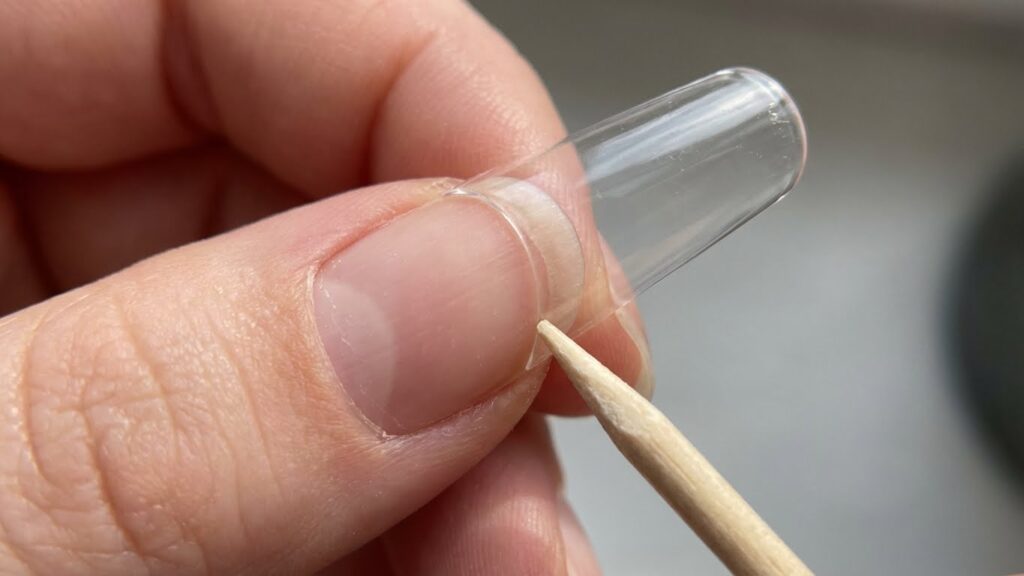
A tip that’s too wide or too narrow puts pressure on the sides of your nail and can cause pain when you press or grip. Too-wide tips lift at the edges and catch, which tugs on the natural nail and causes raw, aching spots.
Wrong curvature changes how your nail hits objects. A highly arched (C-curve) fake nail presses into the nail fold; a flat one leaves gaps that trap moisture and bacteria, which can lead to soreness and infection.
Short, blunt edges that don’t follow your natural nail line can dig into the surrounding skin. Make sure the tech trims and files to match your nail width and curve. If something pinches or feels off, ask for an immediate adjustment.
Minimizing Pain When Getting Fake Nails
You can reduce soreness by choosing a skilled technician, preparing your nails correctly, and picking materials that fit your pain tolerance. Each step affects how your natural nails handle the process and how comfortable your set will feel afterward.
Choosing the Right Nail Technician
Pick a licensed technician with real salon experience. Ask how long they’ve done acrylic or gel work and look for photos of recent sets. Read reviews that mention comfort and nail health, not just looks.
Tell the tech about any past nail problems, allergies, or thin nails before they start. A good technician will inspect your nail beds and refuse or adjust services if your nails are too damaged. They should use a gentle touch, avoid over-filing, and explain each step.
Watch their sanitation practices. Tools should be clean or single-use, and the workstation should look tidy. Clean technique lowers infection risk, which can cause pain later.
Proper Nail Preparation
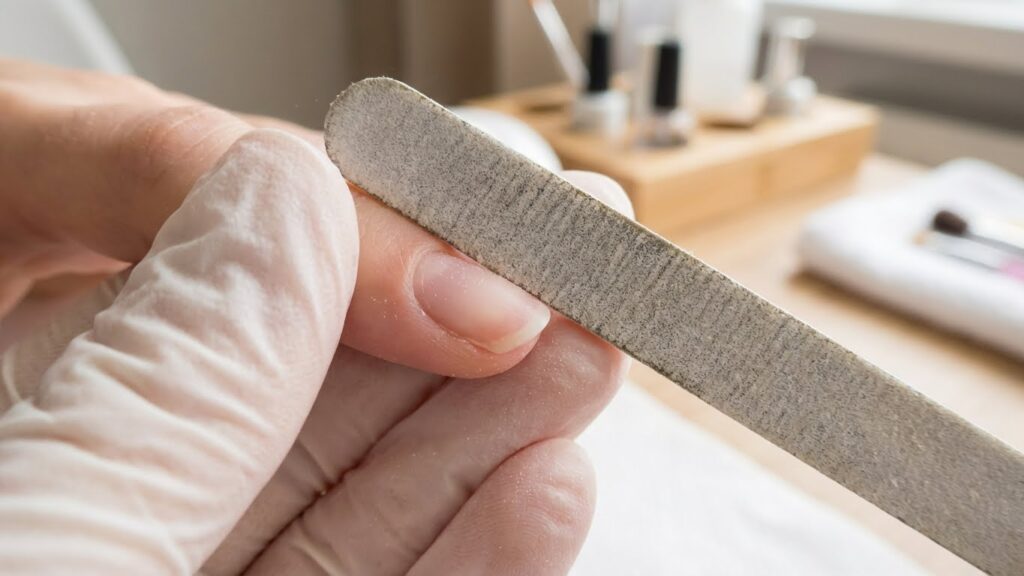
Have your natural nails trimmed and gently buffed—no aggressive filing to the nail plate. Over-thinning weakens the nail and leads to soreness under the fake nail.
Avoid pushing back cuticles too far. Cuticle removal can expose sensitive skin and cause pain or infection. Ask for minimal cuticle work or a soak-and-gentle-push method.
If your nails are brittle or peeling, get a short natural-trim or a strengthening treatment first. Do not apply long extensions on nails that already bend or split; that adds pressure and can hurt.
Selecting Comfortable Nail Materials
Choose materials that match how you use your hands. For daily heavy work, opt for shorter acrylics or sturdy hard gels rather than long, thin tips that flex and pull.
Consider lighter, thinner press-on nails if you feel pressure after salon sets. They stick with adhesive but add less weight to the nail bed.
Ask about the adhesive and primer. Avoid harsh chemicals directly on bare skin. If you have sensitivity, request hypoallergenic glue and a non-acid primer. These choices cut irritation and reduce pain during and after application.
When to Seek Professional Help
If your nail causes constant sharp pain, shows signs of infection, or starts bleeding or swelling without a clear cause, get help right away. A nail tech or medical professional can check for lifting, infection, or damage and recommend treatment.
Signs of Infection
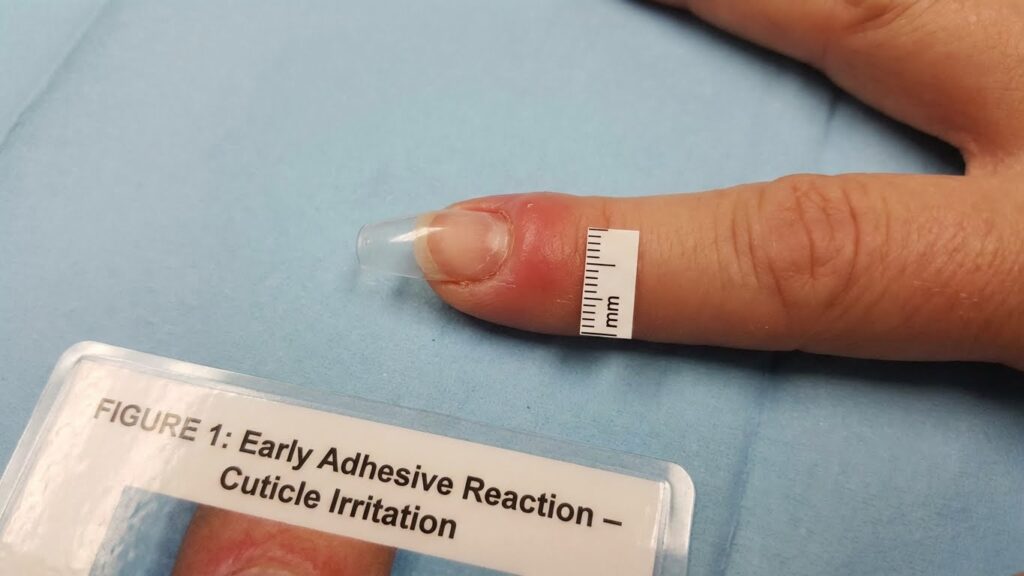
Watch for redness that spreads beyond the nail fold, increasing pain, warmth, or pus draining from under the fake nail. A small amount of clear fluid or mild soreness after application is normal, but thick yellow or green discharge, a bad smell, or fever means infection.
If you see those signs, stop using nail glue or polish and avoid removing the nail yourself. Call your dermatologist or primary care doctor; they may prescribe oral or topical antibiotics or safely remove the acrylic to treat the infected area.
Keep the injured finger clean and dry while you wait. Applying a sterile dressing and avoiding soaking the hand can lower the risk of the infection worsening.
Unexpected Swelling or Bleeding
Immediate swelling or bleeding after a nail application or an injury suggests your nail or surrounding tissue was damaged. If the bleeding is heavy, won’t stop after 10–15 minutes of pressure, or if numbness follows, go to urgent care or an emergency room.
Minor bleeding with steady, mild swelling often needs a professional to trim or remove the fake nail and assess for a torn nail bed or hematoma (blood trapped under the nail). A nail technician can handle removal safely; a clinician may need to drain pressure or repair the nail bed.
Don’t try to pry off a stuck or painful acrylic nail at home; that can deepen tears and increase infection risk.
Preventing Discomfort with Proper Nail Care
Keep your nails clean, avoid harsh chemicals, and check your cuticles and nail edges each day. Small habits—gentle filing, regular moisturising, and timely fills or removal—stop most pain and infections.
Care Tips After Getting Fake Nails
Right after application, avoid soaking your hands for at least an hour so adhesives can fully set. Don’t pick at edges or try to lift nails; that can tear your natural nail and cause pain.
If you feel pressure or sharp pain, contact the technician immediately. They can adjust sizing or thickness; poorly fitted tips and excess glue are common pain sources. For soreness, soak fingers in warm water for 10 minutes and apply an over-the-counter antiseptic if the skin looks irritated.
Keep your cuticles soft by applying cuticle oil twice a day. Oil reduces lifting and keeps the nail plate flexible so nails bend instead of ripping.
Recommended Maintenance Routines
Inspect your nails every 2–3 days for lifting, redness, or gaps where moisture can enter. Small lifts can be sealed with a bit of nail glue; larger gaps need a professional fill to avoid infection.
Book fills every 2–3 weeks for acrylics or gels to prevent stress at the nail root. For press-ons, remove and rest your natural nails for 1–2 weeks after two or three consecutive sets.
Use gloves for housework and dishwashing to avoid detergent and hot-water damage. File snags gently with a fine-grit file and trim any overly long tips to reduce leverage that causes breaks. Apply cuticle oil daily and a hydrating hand cream to keep nails and surrounding skin strong.
Possible Long-Term Effects of Fake Nails
Fake nails can thin and weaken your natural nails, raise the risk of infections, and sometimes cause ongoing soreness or discomfort. You may face both cosmetic and physical changes that can last months after removal.
Impact on Natural Nails
When technicians file, buff, or use strong adhesives, your nail plate can lose layers and become thin. Thin nails split, bend, and peel more easily, which makes everyday tasks harder and slows healthy regrowth.
Chemical exposure from acrylic or gel products can dry and weaken the nail matrix. Repeated use may cause nails to grow out with ridges, brittleness, or permanently altered shape. If you peel off enhancements, you can remove the surface layers of the nail and cause long repair times.
Fungal and bacterial infections can hide under artificial nails. If left untreated, infections can discolor or damage the nail bed and require medical treatment. Regular breaks, gentle removal, and proper salon hygiene lower these risks.
Potential for Chronic Pain
Ill-fitting or overly long artificial nails can change how you use your fingers. This can strain tendons and joints over time and lead to recurring soreness or aching in the fingertips and nearby joints.
Nail salons sometimes use tight forms or clamps and prolonged filing that irritate the nail fold and cuticle. Repeated inflammation of the nail fold can cause tender, swollen areas that feel painful for weeks or months after removal.
If you develop a persistent infection or allergic reaction to nail glue or chemicals, you may feel ongoing pain and sensitivity. Seeing a dermatologist or hand specialist helps diagnose infections, treat inflammation, and prevent long-term discomfort.
Alternatives to Traditional Fake Nails
You can protect your natural nails by choosing gentler options than acrylics. Press-on nails stick on and come off without heavy filing, so they limit damage when used correctly.
Gel and dip powder nails give a smooth, long-lasting finish with less harsh chemicals than acrylics. They still need careful removal and sometimes UV curing, so ask for gentle techniques.
Nail wraps and strips are thin and flexible, adding color or pattern without thick glue or lots of filing. Silk or fiberglass wraps can also strengthen a weak nail while keeping it thin and natural-looking.
Polygel combines gel and acrylic features for strength with less odor and lighter filing. It can feel sturdy and is often easier to remove than traditional acrylics when a technician uses proper methods.
If you want the least invasive choice, try a regular manicure with long-wear polish or strengthening treatments. These keep your nail structure intact and avoid added extensions.
Quick reference (pros and cautions)
- Press-on nails: + Easy on removal. – Can trap moisture if not applied well.
- Gel/dip powder: + Durable, less chemical odor. – Removal must be gentle.
- Wraps/strips: + Minimal filing. – Less durable for heavy use.
- Polygel: + Strong, lower odor. – Requires skilled application.
Ask your technician about removal methods and avoid aggressive filing. That helps you keep your nails healthy while still getting the look you want.
FAQs
What causes pain after getting fake nails?
Pain often comes from over-filing, tight tips, lifted edges, or an allergic reaction to adhesives. Improper application or pressing on the nail bed can also hurt. If you see swelling, redness, or pus, seek medical care.
How long should discomfort last?
Mild soreness or sensitivity usually fades in a few days as your nails settle. Persistent or worsening pain beyond a week is not normal and may mean infection or nail damage.
Can fake nails cause infections?
Yes. Lifting gaps and moisture under extensions let bacteria or fungi grow. Keep nails dry, avoid picking at lifts, and check resources from the American Academy of Dermatology for nail infection signs: https://www.aad.org.
Are some types less painful than others?
Press-ons and soft gels often feel less invasive than acrylic overlays when applied correctly. Removal quality matters more than type—improper removal can cause more pain and damage.
How should you care for painful nails at home?
Soak in warm water, apply an antibiotic ointment if skin is broken, and avoid pushing or pulling lifted pieces. If you suspect a chemical burn from glue or monomer, rinse well and consult a clinician or follow guidance from the CDC on wound care: https://www.cdc.gov.
When should you see a doctor or nail tech?
See a doctor for spreading redness, heat, severe pain, or drainage. Visit a trained nail technician if fit or lifting is the issue; they can file, refill, or remove extensions safely.
Conclusion
You can wear fake nails without pain if they are applied and cared for correctly. A skilled technician, proper fit, and gentle removal lower the chance of injury and infection.
If you feel sharp or constant pain, act quickly. Stop use, tell your technician, and remove the nails or seek medical care if the pain, swelling, or redness worsens.
Follow simple habits to protect your natural nails. Give your nails breaks between sets, avoid aggressive filing, and keep moisture in the nail and cuticle to reduce lifting and cracks.
If you have allergies or fragile nails, choose gentler options. Gel overlays, short lengths, or a different adhesive can make a big difference for sensitivity.
Use this checklist to reduce problems:
- Go to a trained technician.
- Speak up during application.
- Maintain and inspect nails weekly.
- Get professional removal when needed.
With sensible choices and basic care, fake nails can be a safe, comfortable way to change your look.