
Do Nail Files Work on Calluses? Safe At-Home Foot Care Guide

Dealing with rough, thickened skin on your feet can be frustrating, especially when sandals season arrives or your favorite shoes start rubbing the wrong way. When looking for a quick fix in your bathroom cabinet, you might wonder: do nail files work on calluses? It is a common question for anyone trying to smooth out hard skin without making a special trip to the salon or podiatrist.
Understanding how to treat thick patches of skin safely matters because improper removal can lead to painful tears, raw skin, or even infection. While basic foot grooming tools are helpful, using the wrong instrument or filing too aggressively can do more harm than good.
This comprehensive guide explores whether standard nail files are effective on calluses, examines safer alternatives, outlines proper removal techniques, and highlights essential safety precautions.
Quick Answer
Do nail files work on calluses? Standard fingernail files are generally too small, fine, and weak to remove thick callus skin effectively. While a heavy-duty, large foot file or pumice stone can smooth rough heels, using a delicate manicure file on foot calluses is inefficient and can easily irritate the surrounding skin.
Understanding Calluses and How They Form
A callus is a thick, hardened layer of skin that develops when your skin tries to protect itself against friction and pressure. Common areas for calluses include the heels, the balls of the feet, and the sides of the big toes.
According to guidelines from the American Podiatric Medical Association, calluses are generally a normal physiological response to repetitive stress. However, when they become excessively thick, they can crack, ache, or cause discomfort while walking.
Why People Reach for Nail Files
When a rough patch appears on the heel or toe, many people grab whatever filing tool is closest. Since nail files are designed to smooth down hard keratin on fingernails, people often assume they will work on hardened foot skin.
Unfortunately, there is a big difference between shaping a fingernail and reducing a thick layer of dead skin on the sole of a foot.
Can You Use a Nail File on Calluses?
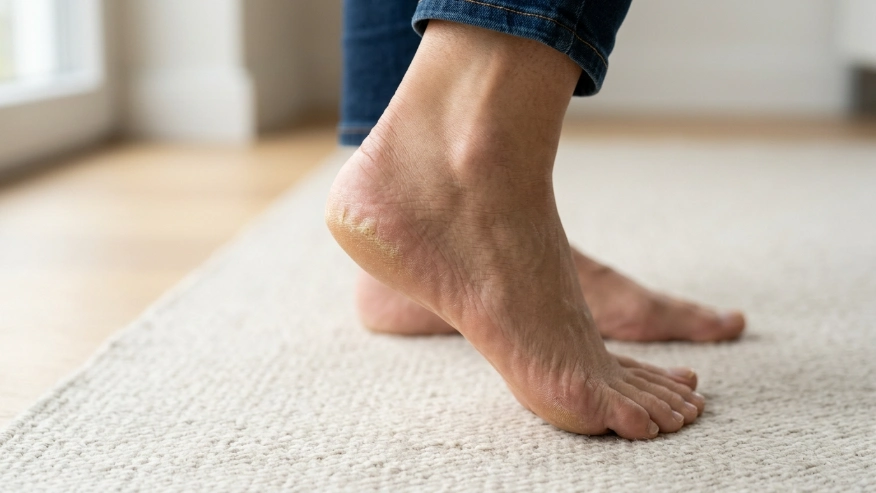
Technically, you can use a coarse nail file on a very small, minor patch of rough skin. However, it is rarely a good idea.
Here is why standard nail files fall short:
- Surface Area: Fingernail files are narrow and short. Filing a large heel with a tiny nail file takes an excessive amount of time and effort.
- Grit Level: Most standard nail files are too fine to break down thick, dead skin layers efficiently.
- Hygiene and Durability: Traditional cardboard or foam emery boards are not meant to handle heavy foot pressure and can bend, snap, or harbor bacteria.
When a Nail File Might Temporarily Help
If you are traveling and have a heavy-duty, metal or glass foot file—sometimes incorrectly referred to as an oversized nail file—you might gently buff a tiny snag. For actual foot calluses, however, dedicated pedicure tools are always superior.
Better Tools for Managing Foot Calluses
If you want to smooth your feet safely at home, you should swap out your nail files for tools specifically engineered for thicker skin.
| Tool Type | Best Used For | Safety Level | Durability |
|---|---|---|---|
| Pumice Stone | Gentle daily or weekly maintenance on damp skin. | High (very forgiving on skin) | Moderate (wears down over time) |
| Metal Foot Rasp / File | Removing moderate to thick dead skin layers. | Medium (requires a light touch) | High (long-lasting and washable) |
| Electronic Callus Remover | Fast mechanical filing for stubborn areas. | Medium-Low (risk of over-filing) | High (battery or USB powered) |
| Standard Nail File | Fingernails only; minor touch-ups in a pinch. | Low for feet (inefficient and awkward) | Low for heavy foot pressure |
Step-by-Step Guide to Safe At-Home Callus Care
If you plan to reduce foot calluses at home, follow a safe, hygienic process to protect your skin barrier.
- Soak Your Feet: Soak your feet in warm water for 10 to 15 minutes with Epsom salts or a mild soap to soften the hardened outer skin layers.
- Dry Gently: Pat your feet dry with a clean towel. Your skin should be soft, but not soaking wet, when you begin filing.
- Choose the Right Tool: Pick up a pumice stone or a stainless steel foot rasp rather than a fingernail file.
- File Gently in One Direction: Move your chosen tool gently across the callus using light, even pressure. Avoid aggressive sawing motions, which can tear the skin.
- Stop Early: Never try to remove the entire callus in one session. It is safer to reduce thickness gradually over multiple weeks.
- Moisturize Immediately: Apply a rich foot cream containing urea, shea butter, or lactic acid to lock in hydration and keep the skin supple.
Important: If you have diabetes, poor circulation, or nerve damage in your feet, you should never attempt to file or shave calluses at home. Always consult a healthcare professional. For more details on foot safety, review the CDC diabetes foot care guidelines.
Common Mistakes to Avoid
Even with the best intentions, it is easy to make mistakes during at-home foot grooming. Keep these pitfalls in mind:
- Using razor blades or scissors: Never cut or shave calluses with household scissors, razors, or sharp blades, as this dramatically increases the risk of severe infection and deep cuts.
- Filing on completely dry skin: Filing dry, hard skin makes it difficult to gauge how much material you are removing and often leads to raw, burning friction spots.
- Over-filing: Trying to eliminate a thick callus completely in a single day leaves the underlying skin unprotected and sensitive.
- Skipping tool sanitation: Always wash and sanitize your foot files or pumice stones after every single use to prevent bacteria and fungus growth.
When to See a Nail Technician or Dermatologist

While at-home maintenance works well for mild roughness, some situations require professional intervention.
You should schedule an appointment with a podiatrist or dermatologist if you notice:
- Severe pain, redness, or swelling around the callus area.
- Signs of an infection, such as pus, warmth, or drainage.
- Calluses that keep returning aggressively despite regular home care.
- Underlying structural foot issues, such as bunions or hammertoes, that cause abnormal pressure.
Expert Tip:
Never use metal blades or cheese-grater style callus shavers at home. If a callus is thick enough to require a blade, it should always be evaluated and treated by a licensed podiatrist.
Frequently Asked Questions
Can I use a glass nail file on my calluses?
While glass nail files are fantastic for shaping natural fingernails smoothly, they are far too delicate and small to make a meaningful impact on thick foot calluses. Stick to a larger glass foot file if you prefer glass surfaces, but avoid tiny manicure files.
How often should I file my calluses?
You should limit foot filing to once a week at most. Over-filing stimulates your skin to produce even thicker layers of protective dead skin as a defense mechanism against the friction.
Are pumice stones better than metal files?
Pumice stones are gentler and better suited for maintenance and thin calluses. Metal foot rasps work faster on very thick, stubborn heels, but they require a much lighter touch to avoid taking off healthy skin.
Why do calluses keep coming back?
Calluses form because of ongoing friction and pressure from walking, standing, or wearing ill-fitting shoes. Unless you address the root cause—such as switching to supportive footwear or adding cushioned insoles—the hard skin will continue to reform.
Can soaking my feet make calluses worse?
Soaking does not make calluses worse, but soaking for too long can waterlog the surrounding healthy skin, making it more vulnerable to tearing while you file. Limit foot soaks to 15 minutes.
Conclusion
So, do nail files work on calluses? In short, standard fingernail files are simply the wrong tool for the job. They are too small, lack the proper grit, and are inefficient for managing thick foot skin. Instead, rely on proper foot soaks, pumice stones or foot rasps, and rich moisturizers to keep your feet smooth and comfortable.
By practicing gentle, patient foot care and knowing when to consult a professional, you can protect your skin and keep your feet feeling great all year long. Take a look at your current foot care kit today, swap out any tiny manicure files for proper pedicure tools, and step forward with confidence!

