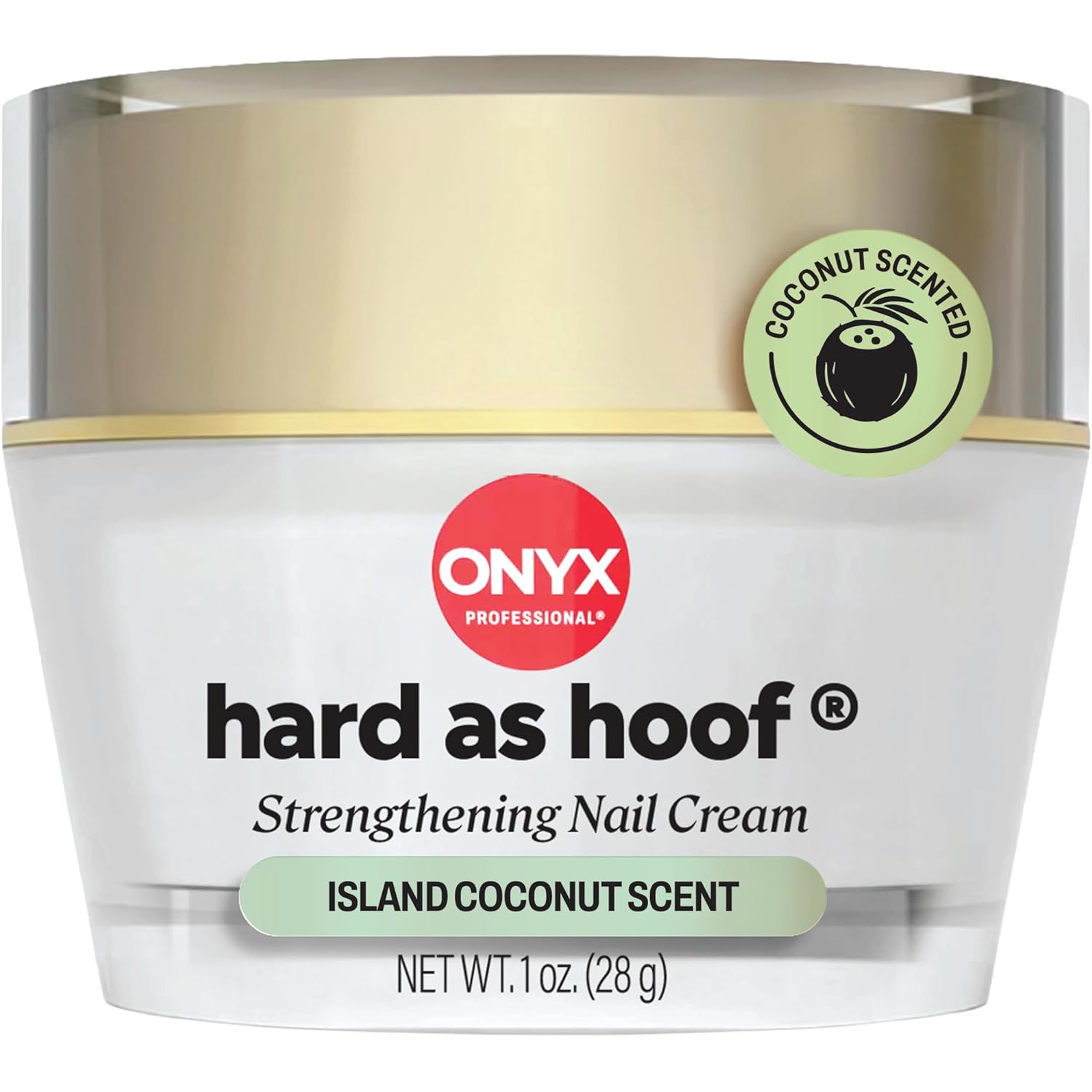
Do You Need Nail Dehydrator for Dip Powder?

Quick Answer
You don’t always need a separate bottle labeled nail dehydrator for dip powder, but your natural nails do need to be clean, dry, and free of surface oils. A dehydrator can improve adhesion, especially if you have oily nails or frequent lifting, while some dip systems use their own cleansing or bonding prep instead. Follow the prep steps recommended by your dip brand, such as this professional dip powder prep process.
When a dehydrator makes the most sense
- Oily nail plates: Dehydrator removes temporary surface oil that can interfere with bonding.
- Repeated lifting: Better prep can reduce one common cause of dip separating near the cuticle or sidewalls.
- Humid conditions: A proper prep product helps leave the nail surface dry before base coat application.
- Brand instructions: Use dehydrator whenever your chosen dip system specifically includes or recommends one.
- Long-wear manicures: Careful surface preparation gives your base coat the best chance to bond evenly.
The important rule
- Don’t add extra prep chemicals simply because another brand uses them. Follow the system you’re applying and avoid getting products on surrounding skin.
If you’re wondering whether dip powder will fail without nail dehydrator, the answer is more nuanced than a simple yes or no. The real goal is creating a clean, dry nail surface that your dip base can grip.
I’ve found that most dip lifting questions come back to preparation rather than the powder itself. This guide explains where dehydrator fits, when you may skip it, and what to check when your dip still lifts.
In This Guide
- Do You Really Need Nail Dehydrator for Dip Powder?
- What Does Nail Dehydrator Do Before Dip Powder?
- Nail Dehydrator vs Primer vs Cleanser
- How Do You Use Nail Dehydrator With Dip Powder?
- When Can You Skip Nail Dehydrator?
- Why Is My Dip Powder Lifting Even With Dehydrator?
- Is Nail Dehydrator Safe for Natural Nails?
- Frequently Asked Questions
Do You Really Need Nail Dehydrator for Dip Powder?
No, a separate nail dehydrator isn’t universally required for every dip powder system. However, removing oil, moisture, dust, and residue from the nail plate is an important part of reliable dip preparation.
Some brands sell a dedicated dehydrator. Others use a nail cleanser, bonding liquid, pH-balancing prep, or another product designed specifically for their system.
That distinction matters. You shouldn’t automatically insert a generic dehydrator into a system whose manufacturer gives different preparation instructions.
When I would consider dehydrator especially useful
- Naturally oily nails: Surface oil can make it harder for the base product to maintain an even bond.
- Early lifting: If your dip consistently separates within several days, nail preparation deserves attention.
- Sidewall lifting: Oil, invisible cuticle tissue, or incomplete prep near the edges can cause problems.
- Repeated home manicures: Consistent prep makes troubleshooting much easier because you’re controlling one major variable.
- A brand that requires it: This is the simplest case. Follow the manufacturer’s sequence.
For example, Revel describes its nail dehydrator as a prep step that removes surface oils and water before products including dip powder.
OPI’s professional dip prep takes a different route. Its process includes nail cleaning, gentle surface preparation, another wipe, and a coat of Bond Aid.
This is why I focus less on whether the bottle literally says “dehydrator.” What matters is whether you’ve completed the preparation required by the system you’re using.
Section Takeaway: Dip powder doesn’t always require a separate dehydrator bottle, but it does require properly prepared, oil-free nails.
What Does Nail Dehydrator Do Before Dip Powder?
A nail dehydrator temporarily removes surface oil and moisture from the natural nail plate. It usually evaporates quickly and leaves the nail looking dry or matte.
Definition: Nail dehydrator is a nail-preparation product used before an enhancement or coating to reduce temporary surface oil and moisture that may interfere with adhesion.
Think of it as surface preparation rather than glue. Dehydrator doesn’t replace your dip base coat, activator, or top coat.
What dehydrator can help remove
- Natural surface oils
- Temporary moisture
- Light residue left after preparation
- Some remaining contamination after dust has been removed
The effect is temporary. Once you touch the nail with your fingers, apply lotion, wash your hands, or expose the nail to other contaminants, you can compromise the freshly prepared surface.
That’s why I treat dehydration as one of the final preparation steps. Once the nails are ready, move into your dip system without touching them.
What dehydrator cannot fix
A dehydrator won’t correct every cause of lifting. It cannot compensate for product touching skin, thick base layers, remaining cuticle tissue, contaminated liquids, or incompatible products.
It also shouldn’t become an excuse for aggressive filing. Your goal is controlled surface preparation, not thinning the natural nail.
Nail Dehydrator vs Primer vs Cleanser: What’s the Difference?
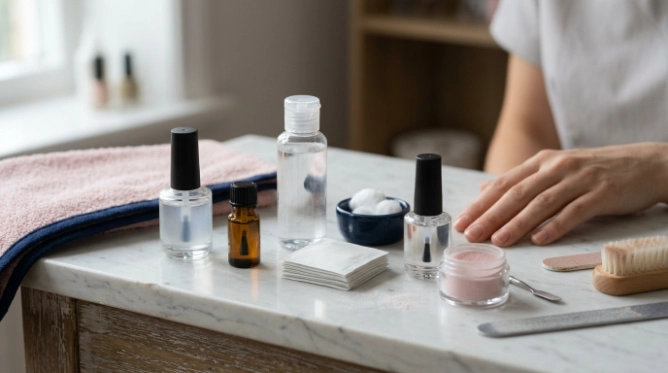
Dehydrator, primer, and nail cleanser are not automatically interchangeable. Their functions can overlap, but formulations and manufacturer instructions differ.
| Product | Main job | Typical place in prep | Do you always need it? |
|---|---|---|---|
| Nail dehydrator | Reduces surface oil and moisture | Near the end of nail prep | No; follow your dip system |
| Primer or bond prep | Helps prepare the surface for stronger product bonding | Usually after cleaning or dehydration | Only when recommended |
| Nail cleanser | Removes dust, residue, or surface contamination | After filing or buffing | Depends on the system |
| Dip base coat | Creates the adhesive layer that receives powder | After nail preparation | Yes, as part of a standard dip system |
Primer deserves extra care because not all primers use the same chemistry. The FDA notes that certain nail primers may contain methacrylic acid and recommends following product labels and warnings carefully.
So don’t assume “stronger” prep always means “better.” Use only the products your system needs.
How Do You Use Nail Dehydrator With Dip Powder?
Apply nail dehydrator after the natural nail has been shaped, cleaned, and prepared, but before your bonding or dip base step. The exact sequence should still match your manufacturer’s directions.
A practical dip powder prep order
- Start with clean hands. Remove old product completely and avoid applying hand cream or cuticle oil immediately before your manicure.
- Shape the nails. File the free edge to your preferred shape before applying liquids.
- Clear the nail plate carefully. Remove non-living cuticle tissue from the nail surface without aggressively cutting living skin.
- Gently remove surface shine if your system directs it. Use a fine buffer rather than heavily filing the natural nail.
- Remove every trace of dust. Use a clean nail brush and the cleanser recommended by your system.
- Apply a thin dehydrator layer. Keep it on the natural nail and away from surrounding skin.
- Let it air-dry fully. Most dehydrating prep products evaporate quickly, but follow the bottle’s directions.
- Apply primer or bonding prep if required. Don’t automatically add one when the system doesn’t call for it.
- Begin your dip application. Avoid touching the prepared nail plate with your fingers.
OPI’s professional instructions similarly emphasize sanitizing, shaping, cuticle-area preparation, gentle buffing, dust removal, cleansing, and bonding prep before dip application.
How much dehydrator should you use?
Use a thin, controlled coat. The natural nail should not look flooded, and liquid shouldn’t run into the skin around the nail.
More product doesn’t automatically create better adhesion. Proper coverage and correct sequencing matter more.
When Can You Skip Nail Dehydrator for Dip Powder?
You can usually skip a separate dehydrator when your dip powder system provides another specific prep method and does not call for one. Follow that system rather than building your own chemical cocktail.
You may also find a dedicated dehydrator unnecessary when your nails already hold dip reliably with the brand’s normal preparation routine. Don’t add extra products to solve a problem you don’t have.
Situations where I wouldn’t add one automatically
- Your brand’s instructions use a different bonding preparation product.
- Your manicure already wears well without lifting.
- You’re mixing several prep liquids from unrelated brands without compatibility guidance.
- Your natural nails or surrounding skin are irritated.
- The product label warns against the way you plan to use it.
As of 2026, there still isn’t one universal dip powder preparation sequence shared by every major brand. That’s one reason manufacturer instructions should take priority over generalized social-media routines.
If you change brands, read the directions again. A step that worked beautifully with one system may be redundant in another.
Why Is My Dip Powder Lifting Even With Dehydrator?
If your dip still lifts after using dehydrator, the cause may be somewhere else in your preparation or application. Dehydrator solves only one part of the adhesion equation.
Check these common trouble spots
- Invisible cuticle tissue: Product applied over tissue attached to the nail plate can lift as the manicure grows or flexes.
- Dust left behind: Filing dust creates a barrier between the nail and your base product.
- Touching prepared nails: Fingers can transfer oil back onto a freshly cleaned nail plate.
- Base coat touching skin: Product connected to the skin can lift as that skin moves.
- Thick application: Heavy layers can create bulky edges that are more likely to catch or separate.
- Skipping the free edge: Poor coverage at the tip can contribute to chipping or separation.
- Contaminated liquids: Brushes and bottles can pick up powder or other products during repeated manicures.
- Mixing incompatible systems: Liquids from different brands may not behave exactly like a complete matching system.
When troubleshooting, change one variable at a time. If you change the dehydrator, primer, base, powder, application thickness, and prep method together, you won’t know what fixed the problem.
I usually start with the simplest checks: remove invisible nail-plate tissue, eliminate dust, keep product off skin, and stop touching the nails after prep. Those changes cost nothing and can make a noticeable difference.
Section Takeaway: If dehydrator doesn’t stop lifting, inspect the entire prep and application process instead of applying more dehydrator.
Is Nail Dehydrator Safe for Natural Nails?
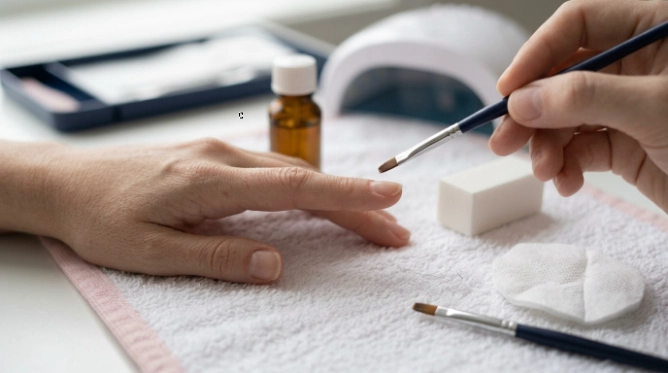
Nail dehydrators are cosmetic prep products, so they should be used according to their labels and kept away from eyes, broken skin, and other unintended areas. Stop using a product if it causes concerning irritation or another reaction.
The FDA’s nail product safety guidance stresses reading directions and warnings carefully. It also notes that infections and allergic reactions can occur with some nail products.
Safety note: If the skin around your nails becomes swollen, persistently itchy, painful, blistered, or unusually discolored, stop the manicure and consider getting medical advice.
Don’t confuse dryness with better preparation
Your goal isn’t to make the natural nail as dry as possible. You only need the clean surface required for your coating system to bond.
Repeated aggressive buffing, picking, scraping, or unnecessary chemical exposure can be harder on the nails than skipping one extra prep product.
Dip powder hygiene matters too
The American Academy of Dermatology warns against sharing dip powder containers by having multiple people place their fingers into the same powder. The AAD’s dip powder safety guidance recommends safer application methods such as pouring powder into a disposable container or sprinkling it onto the nail.
The AAD also notes that some people can develop reactions to dip manicure products. Nail health matters more than stretching a manicure for a few extra days.
Frequently Asked Questions
Can you do dip powder without nail dehydrator?
Yes. Some dip powder systems don’t require a separate dehydrator and instead specify their own cleansing or bonding preparation steps. Your nails should still be clean, dry, and free from oil before base coat application.
Does nail dehydrator make dip powder last longer?
It may help when excess surface oil or moisture contributes to poor adhesion. However, dehydrator cannot fix lifting caused by cuticle tissue, thick application, skin contact, contaminated products, or incorrect use of the dip system.
Do I need both nail dehydrator and primer for dip powder?
Not necessarily. Some systems use both, some use only one bonding-prep product, and others specify a different sequence. Check your brand instructions before combining dehydrator and primer.
Do you put nail dehydrator on before or after primer?
When a system calls for both products, dehydrator is generally used first because its job is to leave the natural nail clean and dry. Primer or bonding prep follows, but your product directions should determine the final order.
Can I touch my nails after applying dehydrator?
It’s better not to. Touching the prepared nail can transfer natural skin oils back onto the surface, which defeats part of the preparation you just completed.
Can I apply too much nail dehydrator?
Yes. A thin coat is normally enough when a dehydrator is required. Flooding the nail doesn’t provide extra bonding power and may expose the surrounding skin unnecessarily.
Should beginners use nail dehydrator with dip powder?
Beginners should follow the complete instructions supplied with their dip system. If that system includes a dehydrator, use it as directed; if it specifies another prep product, don’t add extra steps merely because another tutorial does.
The Bottom Line
You don’t need a separate nail dehydrator for every dip powder manicure. You do need a properly prepared nail surface that is clean, dry, free from dust, and compatible with your chosen system.
If your dip powder keeps lifting, a dehydrator can be worth trying when your brand allows it, especially on oily nail plates. Just remember that correct cuticle-area prep, clean application, thin layers, and keeping products off the skin matter just as much.