
You use fake nails because they look good and last. You should know that current evidence does not show a clear link between wearing acrylic or gel nails and getting cancer, but some chemicals and UV curing lamps used in salons can raise concerns if exposure is frequent or unsafe. If you limit repeated chemical exposure, use reputable salons, and protect your skin from UV light, you can lower possible risks while still enjoying nail enhancements.
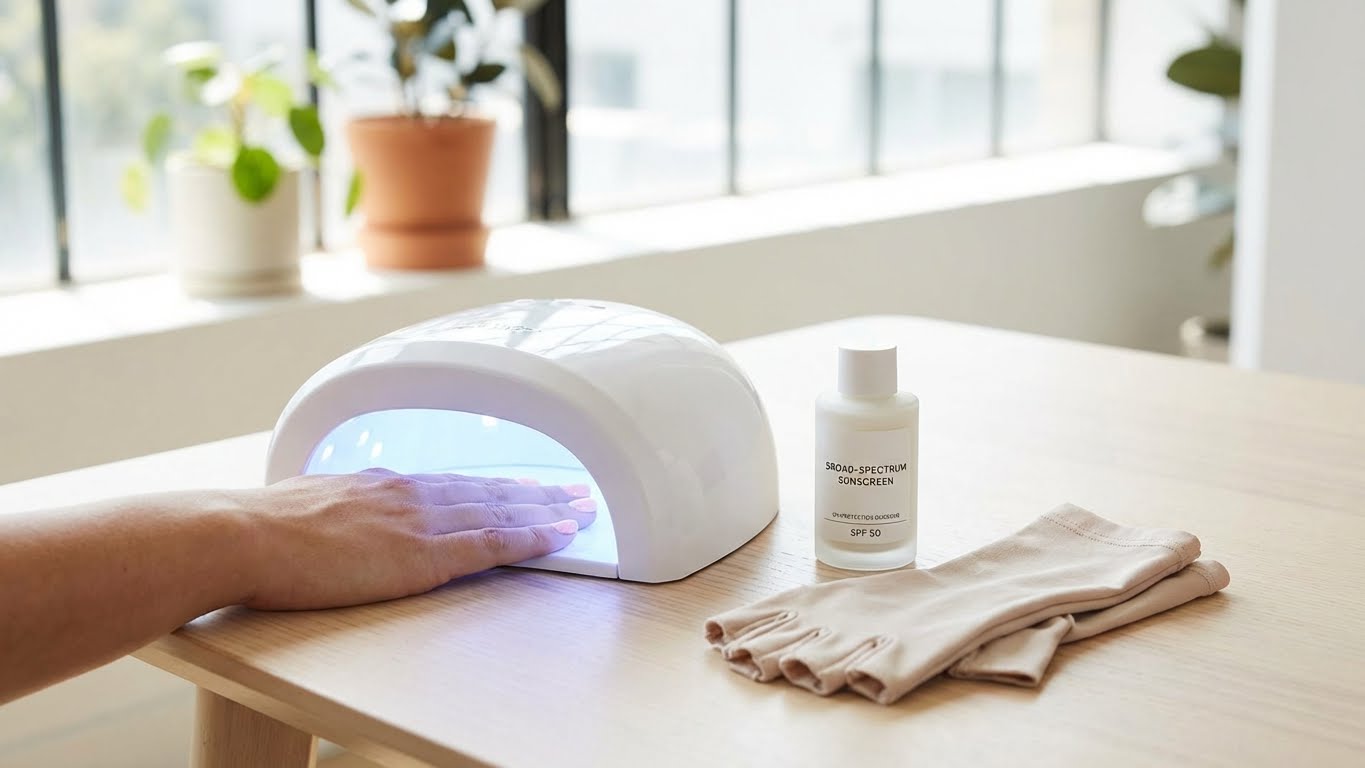
Keep paying attention to ingredients and salon practices. Small steps like asking about products, choosing less frequent UV treatments, and using sunscreen or finger guards during lamp curing give you practical protection without giving up style.
Key Takeaways
- Fake nails do not have a proven direct cancer link but some components and practices may raise concern.
- Safer choices and good salon hygiene reduce your potential exposure.
- Simple precautions let you enjoy enhancements with less health worry.
Understanding Fake Nails
Fake nails can change nail length, shape, and color using different products and methods. They vary by material, how they bond to your natural nail, and how they are applied and removed.
Types of Fake Nails
There are three common types: acrylic, gel, and press-on (including dip powder systems).
- Acrylic nails use a liquid monomer and powder polymer. A technician sculpts or applies tips, then files and paints the surface. They harden at room temperature and can last 2–3 weeks with fills.
- Gel nails cure under UV or LED light. They give a glossier finish and can be softer than acrylics. Gel can be applied as hard gel overlays or builder gels.
- Press-on and soft gel tips stick to your nail with adhesive tabs or glue. They are temporary and remove easily at home.
Each type affects nail thickness, flexibility, and maintenance differently. Your choice should match how long you want them to last and how often you visit a salon.
Materials Used in Fake Nails
Materials include polymers, resins, adhesives, and curing agents.
- Acrylic systems use methyl methacrylate (MMA) in some unregulated products and ethyl methacrylate (EMA) in safer formulas. MMA can damage natural nails and is banned in many places for salon use.
- Gel systems rely on photoinitiators and methacrylate-based monomers that crosslink under UV/LED light. Some people develop allergic contact dermatitis to these chemicals.
- Adhesives and primers contain cyanoacrylates or solvents. These can irritate skin and cause lifting if misused.
Read ingredient lists if you have sensitivities. Ask your technician about product brands and whether they use LED or UV lamps and which monomers are in their formulas.
Application and Removal Processes
Application and removal affect nail health and exposure to chemicals.
- Application often involves buffing the natural nail, applying primer, then bonding product. Over-buffing thins the nail plate and raises infection risk.
- Acrylics cure without light; gels need UV/LED lamps for 30–120 seconds per layer. Repeated light exposure is short per session but adds up over many visits.
- Removal methods: soaking in acetone for acrylics and gels, or gentle filing for press-ons. Forcing or peeling nails off can strip nail layers and cause pain or breaks.
Follow salon hygiene practices. If you remove nails at home, use proper tools and acetone soaks rather than prying to protect your natural nails.
Potential Cancer Risks Linked to Fake Nails
Some nail products can expose you to chemicals and UV light. Repeated use and salon work raise the chance of longer exposures that matter most.
Chemical Exposure Concerns
Some acrylic and liquid monomer formulas contain chemicals like methacrylates, toluene, and formaldehyde or formaldehyde releasers. These chemicals can irritate skin and lungs, and some are labeled as possible carcinogens by health agencies in certain forms or at high doses.
If you work in salons or get frequent fills, your total exposure increases. Poor ventilation or not wearing gloves raises inhalation and skin-contact risk. Use of well-ventilated spaces, nitrile gloves during application, and products labeled low- or no-formaldehyde cut exposure.
Watch for allergic reactions, swelling, or chronic nail-bed damage. Those signs mean you should stop use and see a clinician. Reducing frequency and choosing safer formulations lowers potential long-term chemical risk.
UV Light Usage and Health Risks
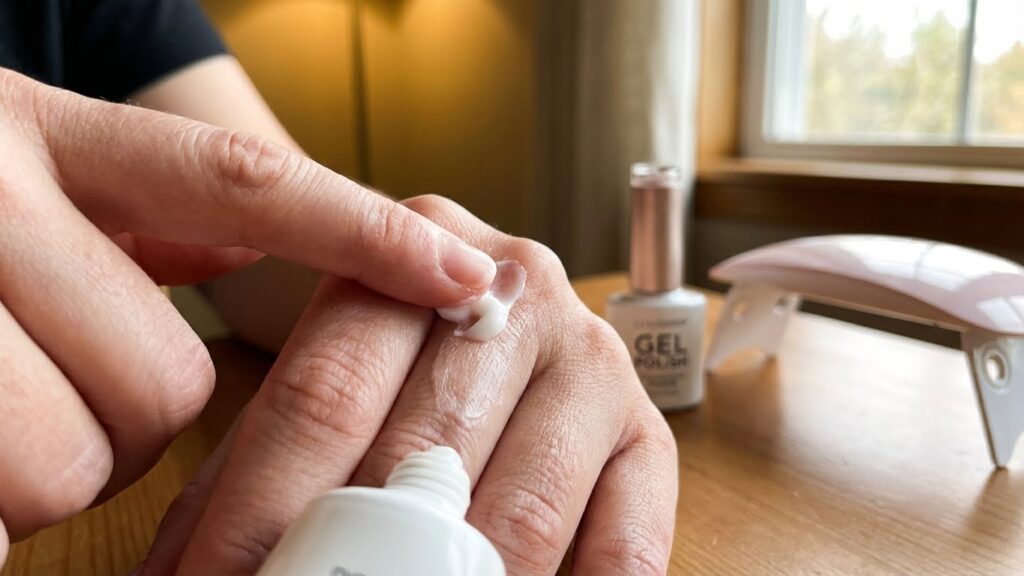
Gel and some acrylic systems use UVA lamps to harden polish. UVA penetrates skin and can damage DNA over time. Studies show repeated UVA exposure can lead to cumulative DNA changes that raise skin cancer risk in exposed skin.
If you cure nails often, your hands receive more UVA than with occasional use. To lower exposure, apply broad-spectrum SPF to hands, use fingerless gloves, or choose UV-free nail systems. Avoid tanning beds or other strong UVA sources soon after curing.
The small area and dose from an occasional manicure make risk low for most people. But regular, frequent curing without protection raises your personal cumulative UVA dose and the theoretical cancer risk.
Long-Term Effects of Repeated Use
Repeated fake-nail use can cause chronic trauma: nail-bed thinning, lifting, and trapped moisture that leads to infection. Chronic inflammation and repeated tissue damage can increase cellular stress, which is a recognized pathway for some cancers in other tissues.
Long-term chemical exposure adds to that effect if you get frequent applications or work in salons. Cumulative low-level exposure differs from one-time contact; it matters for both chemicals and UV. Track how often you get fills and note salon safety practices.
To lower long-term risk, space out appointments, select safer products, and protect your hands from UV and chemical contact. If you notice persistent changes in nails or skin, seek medical evaluation promptly.
Scientific Studies and Evidence
Research has not proven that fake nails cause cancer, but studies highlight possible risks tied to UV lamps, chemical exposure, and long-term contact. You should know which findings come from direct studies and which come from lab or observational work.
Current Research Findings
Studies have looked at UV nail lamps and chemicals in nail products. Lab work shows that UVA from some nail lamps can cause DNA damage in skin cells after high or repeated exposure. Epidemiological studies give mixed results; a 2014 JAMA Dermatology analysis found typical gel manicure exposure every two weeks is unlikely to raise skin cancer risk significantly.
Chemical analyses find compounds like methacrylates, benzoyl peroxide, and solvents in some acrylic and gel products. These can irritate skin or cause allergic reactions after repeated contact. No high-quality study has shown a direct causal link between acrylic/gel nails and internal cancers in people. Risk often depends on frequency of salon visits, DIY use, and ventilation or protective steps you take.
Relevant Medical Opinions
Dermatologists and cancer researchers recommend caution rather than alarm. Many experts say occasional manicures pose low cancer risk but advise protective steps for frequent users. They suggest using broad-spectrum sunscreen on hands or fingerless gloves during UV curing, and improving salon ventilation to reduce inhaled fumes.
Medical bodies note that methacrylate sensitization can lead to chronic dermatitis, which is a separate concern from cancer. Oncologists stress that demonstrated links are weak; they prioritize known higher-risk exposures. If you have a history of skin cancer or frequent salon exposure, discuss nail choices with your dermatologist.
Ingredients in Fake Nails and Health Implications
Fake nails use several chemicals that can affect your skin, nails, and breathing. Some ingredients can irritate or sensitize you, while a few are known carcinogens in other settings. Know which compounds matter and how exposure usually occurs.
Acrylates and Potential Risks
Acrylates (monomers like ethyl methacrylate and methyl methacrylate) are the main building blocks of many acrylic and gel nails. When cured properly, they form a hard plastic. Uncured or incompletely cured monomers can irritate skin, cause allergic contact dermatitis, and damage the nail plate.
You can develop redness, itching, or blistering around the nail if your skin contacts wet product. Nail technicians face higher exposure from repeated handling, increasing risk of sensitization over time. Current evidence does not show typical client use directly causes cancer, but inhaling fine dust from filing or breathing vapors repeatedly could add respiratory or systemic burden. Use good ventilation, cure products fully, and avoid skin contact to lower your risk.
Formaldehyde Exposure
Formaldehyde appears in some nail hardeners and in disinfectants used at salons. It is a known human carcinogen in high or prolonged occupational exposure. For nail users, occasional exposure from trace amounts is usually low, but salons with poor ventilation or frequent application raise exposure.
If you notice eye or throat irritation, headaches, or persistent coughing after nail appointments, formaldehyde could be a contributor. Workers in salons have higher long-term risk than clients because of repeated, daily exposure. Choose products labeled “formaldehyde-free,” ask about ventilation, and limit time in poorly ventilated salons to reduce your exposure.
Phthalates and Other Additives
Phthalates (plasticizers like DBP) and solvents (butyl acetate, ethyl acetate) appear in some polishes and adhesives to improve flexibility and drying. Some phthalates have been linked to hormonal effects in lab studies, though typical short-term nail use gives low exposure compared with industrial settings.
Other additives such as stabilizers, pigments, and UV absorbers can cause skin sensitivity in some people. If you are pregnant, breastfeeding, or have hormone-sensitive conditions, reduce frequent exposure where possible. Look for products that list ingredients, use powder-free masks when filing, and wash hands after removal to cut down on residue contact.
Nail Salons: Safety Standards and Regulations
Salons must control air quality and protect workers from chemical exposure. You should expect clear rules on ventilation, training, and personal protective equipment where you get services.
Workplace Ventilation
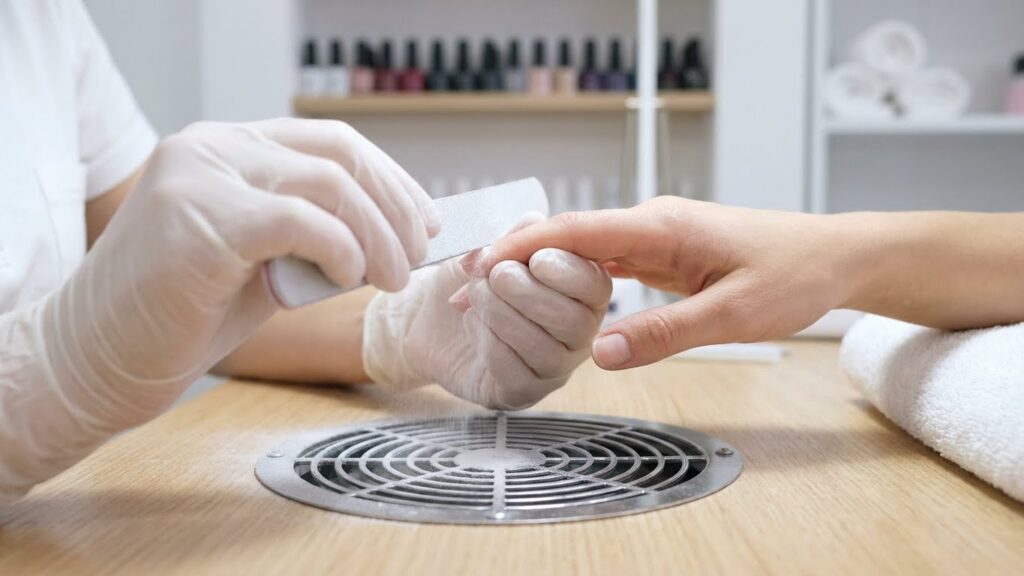
Good ventilation removes fumes from solvents and acrylic monomers that can irritate your eyes, nose, and lungs. Ask whether the salon has general ventilation (HVAC) plus local exhaust near each manicure table to capture vapors at the source.
Look for visible exhaust hoods or tabletop suction units and check that vents are not blocked. Well-maintained filters and regular HVAC service records reduce airborne chemical levels. If you’re sensitive, choose a salon with windows that open, or schedule appointments when the shop is less busy.
Regulations may set ventilation design or performance standards for salons in some jurisdictions. If you work in or manage a salon, follow local building codes and occupational guidelines to keep air changes per hour sufficient for the size and workload.
Technician Protection Measures
Technicians should use gloves, safety glasses, and, when needed, respirators rated for organic vapors. Disposable nitrile gloves protect against liquid chemicals; change them between clients and when they rip.
Salons should post safety data sheets (SDS) for products and train staff on safe handling, spill cleanup, and proper storage. You should see labeled containers, closed lids, and separate storage for flammable items.
Workplace rules should limit long continuous exposure—rotate staff, offer breaks, and provide local exhaust at each station. Regular health checks and access to first aid help catch problems early. Compliance with state cosmetology boards and OSHA or local workplace-safety rules supports safer practices for both you and the staff.
Comparing Other Nail Enhancement Methods
These options differ in how they attach to your nails, the chemicals used, and the main health concerns. Know the curing process, common chemicals, and typical risks before you choose.
Dip Powder
Dip powder uses a resin base and colored powder layered onto your nail, then sealed with a topcoat. You avoid UV light with most dip systems, so UV exposure is not a main concern.
The main chemical issue is cyanoacrylate-type adhesives in some systems. These can cause brittle nails or irritant contact dermatitis if you get adhesive on the skin. Dust from filing or buffing cured powder can irritate lungs or eyes if inhaled over time, so salons and technicians should use masks and good ventilation.
Nail thinning can occur with aggressive removal or over-buffing. Nail technicians should file gently and soak off properly. If you have a history of skin allergies, test a small area first or ask for hypoallergenic products.
Gel Polishes
Gel polish is a pigmented lacquer that hardens under UV or LED light. The curing step gives a durable finish but adds regular UV exposure if you get frequent manicures.
The two main risks are UV exposure and potential allergic reactions. Using a broad-spectrum sunscreen on hands or LED (lower UV) lamps reduces risk. Some gel products contain acrylates and photoinitiators that can trigger allergic contact dermatitis in sensitive people.
Improper removal—peeling or forcefully prying off gels—can strip layers of your natural nail and cause pain or infection. Have a trained technician soak and gently remove gel polish. If you notice redness, blistering, or chronic nail damage, stop treatments and see a dermatologist.
Precautionary Measures for Consumers
You can lower any small risks from fake nails by choosing safer products and following clear, simple practices. Use products with fewer harmful chemicals and protect your skin and nails during application and removal.
Safer Nail Product Choices

Pick products that list ingredients clearly. Look for polishes and acrylics that avoid ethyl methacrylate (EMA) alternatives that are less irritating, and avoid products that list formaldehyde, dibutyl phthalate (DBP), or toluene. Choose brands that publish safety data sheets or third‑party testing.
Prefer water‑based polishes or polishes labeled “3‑free” or “5‑free” if you want fewer common toxic ingredients. If you use gel or shellac, choose reputable brands and lamps with lower UV output or LED curing. Buy from licensed suppliers and avoid cheap, unlabeled kits.
If you have allergies or sensitive skin, patch‑test any new product on a small area first. Replace old or discolored products, and discard any item without an ingredient list.
Guidelines for Minimizing Risks
Protect your skin from UV light during curing. Apply a broad‑spectrum SPF 30+ to your hands, or wear UV‑protective fingerless gloves when using nail lamps. Limit lamp exposure to the time advised by the product instructions.
Ask for professional service from a licensed technician who works in a well‑ventilated salon. Make sure tools are sterilized and technicians use fresh files and single‑use buffers where possible. If you do nails at home, work near an open window or use an extractor fan.
Avoid aggressive nail removal. Have acrylics or gels soaked off or filed by a pro rather than pried off. Keep nails and cuticles healthy by moisturizing and trimming; damaged skin and repeated injury raise infection risk. If you notice persistent redness, pain, or a nail area that won’t heal, see a dermatologist.
Myths and Misconceptions About Fake Nails and Cancer
Many people worry that fake nails — acrylics, gels, or press-ons — directly cause cancer. You should know there is no strong scientific proof that wearing fake nails alone causes cancer. Most concerns come from chemicals in nail products or from UV lamps used for curing.
You might hear that the chemicals in nail glue or acrylic liquids are carcinogenic. Some ingredients can be irritants or cause allergic reactions with repeated exposure. Long-term, high-level exposure to certain chemicals in industrial settings can raise cancer risk, but routine salon use has not been shown to do that.
Some claim UV nail lamps cause skin cancer. These lamps emit low-level UV light. Studies suggest the cancer risk from normal salon use is very small. You can reduce exposure by applying sunscreen or wearing fingerless gloves during curing.
Rumors about “hidden” cancers under nails after fake-nail use often confuse correlation with cause. Nail injuries, trapped moisture, or fungal infections can change nail appearance and should be checked by a doctor. A single case report or news story does not prove a general link.
Quick facts:
- Allergic reactions are common; cancer risk is not.
- Chemical exposure risk rises with long-term heavy use, not occasional manicures.
- UV curing lamps pose minimal risk; simple protections lower it further.
If you have persistent nail changes or skin issues, get a medical exam rather than relying on myths.
FAQs
What is the cancer risk from fake nails?
You are unlikely to get cancer just from wearing fake nails. Some nail products contain chemicals like formaldehyde or methacrylates that have known health concerns. For reliable info on these chemicals, see the CDC and the National Cancer Institute.
Can UV lamps used for gel nails cause skin cancer?
UV nail lamps give low doses of UV-A light. Occasional salon visits pose a very small risk. If you are worried, wear broad-spectrum sunscreen on your hands or use finger guards during the treatment.
Are some nail products safer than others?
Yes. Look for products labeled free of formaldehyde, toluene, and dibutyl phthalate (often called “3-free” or “5-free”). You can also choose water-based polishes and acrylic alternatives that use fewer harsh solvents.
How do you reduce other health risks from fake nails?
Keep nails and skin clean to avoid infections. Get fills and removals from trained technicians to prevent damage. If you have frequent reactions—redness, pain, or swelling—stop using the product and see a dermatologist.
Should pregnant people avoid fake nails?
Pregnancy adds caution. Some experts recommend limiting exposure to strong solvents and high heat curing. Talk to your prenatal provider if you have concerns.
Conclusion
You do not get cancer simply from wearing fake nails. Current evidence shows no direct link between acrylic or press-on nails and cancer in healthy users.
Some nail products contain chemicals that can harm health with long-term or heavy exposure. Limit contact with strong fumes, avoid inhaling dust from filing, and seek salons that follow safety rules.
UV lamps used for curing gels give small amounts of UV light. The risk is low, but you can reduce exposure by using sunscreen on your hands or wearing UV-protective gloves during short sessions.
Watch for skin or nail changes and see a doctor if you notice persistent sores, dark streaks, or pain under a nail. Those signs may indicate conditions that need medical checkups, not necessarily caused by nail products.
Practical steps to lower risk:
- Choose reputable salons with good ventilation and clean tools.
- Ask for acetone-free options and safer product lines when possible.
- Take breaks from artificial nails to let your natural nails breathe.
You can enjoy nail enhancements while keeping health in mind. Small precautions and awareness help you reduce potential risks without giving up manicures.