
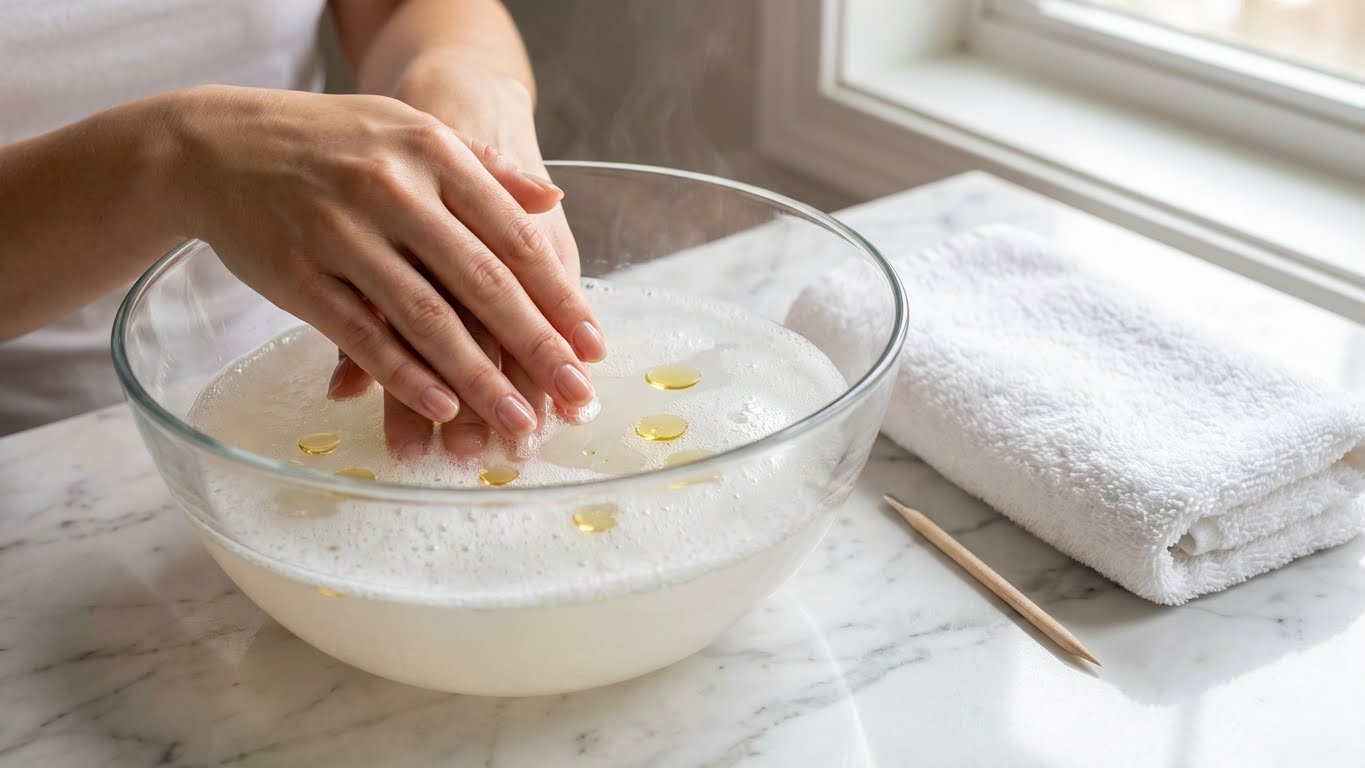
You can remove fake nails without acetone using simple household supplies and gentle techniques that break down glue or loosen edges. Soak your nails in warm, soapy water or oil, soften the adhesive, then lift and slide the nail off with a cuticle pusher or dental floss to avoid damage.
Use gentle motion and small tools to avoid ripping or thinning your natural nails. If a nail stays firmly attached or you feel pain, stop and consider a salon visit to prevent harm.
Key Takeaways
- Use warm water or oil and gentle tools to loosen fake nails safely.
- Work slowly and stop if you feel pain or resistance.
- Seek professional help when removal risks nail damage.
Essential Tools Needed
You need a small set of tools to soak, lift, and protect your natural nails. Pick items that soften glue, let you work gently at the edges, and keep your skin and nail beds clean.
Basic Nail Removal Supplies
- Warm bowl or basin: Fill it with warm, soapy water to soften adhesive. Use a temperature you can hold comfortably for 10–20 minutes.
- Mild soap: Dish soap or hand soap helps break down glue and lifts edges faster than plain water.
- Cuticle pusher or orangewood stick: Use a flat metal or wooden tool to gently pry under the fake nail once glue is softened. Work slowly to avoid ripping.
- Nail file: A coarse file helps thin the fake nail or top coat so water or oil reaches the adhesive more easily.
- Nail clippers: Trim long artificial tips first so they don’t catch or break during removal.
Keep tools organized on a clean towel. Replace or disinfect any metal tools between uses to avoid infection.
Optional Accessories for Gentle Removal
- Petroleum jelly or oil (olive, coconut, or cuticle oil): Apply around the nail base to protect skin and help slide the fake nail off.
- Dental floss or fishing line: Use to saw gently between the fake nail and your natural nail if adhesive is weak after soaking.
- Emery board (fine grit): Smooth remaining adhesive or thin acrylic without cutting into your nail plate.
- Small brush or toothbrush: Scrub residue after removal to clear glue from nail grooves.
- Warm water foot warmer or hand warmer: Keeps soak water warm longer for more effective softening.
These items speed removal and reduce scraping. Choose tools that let you work slowly and test pressure frequently.
Hygiene and Safety Precautions
- Disinfect tools before and after use with rubbing alcohol or boiling (metal tools) to prevent infection.
- Wash hands before starting and after you finish to remove oils and residue.
- Use a towel or paper towel under your work area to catch debris and keep surfaces clean.
- Stop if you feel sharp pain, see bleeding, or notice signs of infection like swelling or pus. Seek professional help if that happens.
- Trim hangnails and file rough edges gently to avoid tearing the nail bed after removal.
Wear protective gloves if you have cuts or sensitive skin. Proper hygiene lowers the risk of irritation and keeps your nails healthy.
Preparing Your Fake Nails for Removal
Gather a few tools and clear a workspace. Work near a window or fan, lay down a towel, and have cotton, oil, a bowl, nail file, clippers, and a cuticle stick ready.
Trimming and Filing
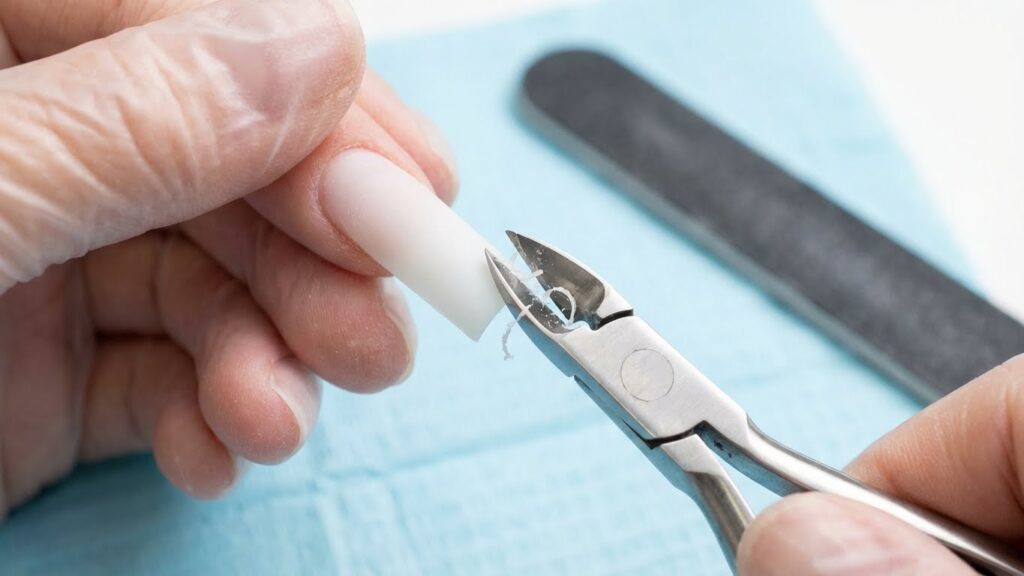
Clip any long tips first. Use nail clippers or strong scissors to shorten the fake nail close to the free edge. This reduces leverage and lowers the chance the nail will pull on your natural nail.
File off the top layer next. Use a coarse nail file to remove the shiny topcoat or thick polish until the surface looks dull. File gently and in one direction to avoid heat from friction.
Avoid filing down to your natural nail. Stop when you feel resistance or see the real nail color. If the fake nail bends or cracks, switch to soaking or other softening steps right away.
Softening Adhesives
Heat and oil both help break the glue bond without acetone. Soak your nails in warm, soapy water for 15–30 minutes to soften glue edges. Refill the water if it cools.
Apply cuticle oil, olive oil, or coconut oil around the cuticle and under the nail edges. Let the oil sit for several minutes, then gently push under the edge with a cuticle stick to lift the tip.
Repeat oil application and short soaks as needed. If a nail resists, hold a warm, damp towel over it for a few minutes to boost softness before you try again.
Protecting the Surrounding Skin
Protect skin from irritation when you push or pry. Rub oil onto the skin and cuticle area to lubricate and reduce ripping.
Work slowly and avoid force. Use a rounded cuticle stick or wooden orange stick to ease under the fake nail in small movements. If you feel sharp pain or bleeding, stop and soak again.
Finish by washing hands and applying more oil or a gentle hand cream. This helps restore moisture and soothes any redness after removal.
Acetone-Free Removal Techniques
You can remove fake nails using warm water, thin tools like dental floss, or oil and gentle lifting. Each method focuses on softening the glue and protecting your natural nail as you work.
Soaking in Warm, Soapy Water
Fill a bowl with warm (not hot) water and add a few drops of dish soap or gentle hand soap. Soak your fingertips for 15–30 minutes to soften the adhesive and the fake nail edges.
After soaking, use a soft nail picker or orange stick to test the edge. Work slowly and push from the cuticle toward the free edge. If the nail resists, soak another 10–15 minutes—do not force it. For stronger hold, add a teaspoon of salt or a little shampoo to the water to help break the bond.
Pat your nails dry. Apply moisturizer or cuticle oil right away to rehydrate the skin and nail plate. Repeat soaking daily until the fake nails lift naturally.
Using Dental Floss or Thread
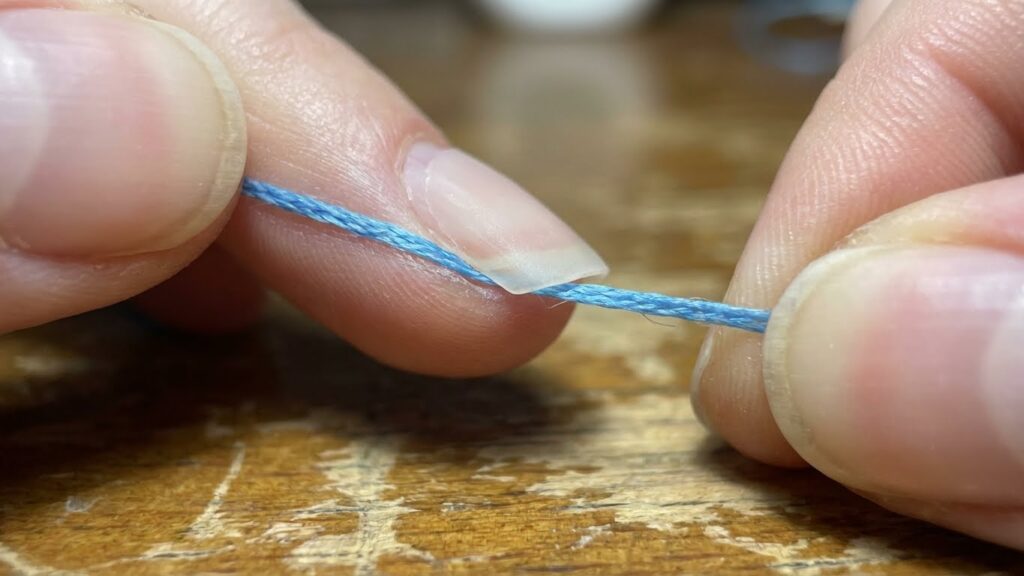
Slip a length of waxed dental floss or thin thread under the fake nail’s free edge. Work the floss gently back and forth in a sawing motion to separate the adhesive. Keep the motion low and controlled to avoid tearing your natural nail.
Lift the nail slowly as you advance the floss toward the cuticle. If you feel resistance or pain, stop and soak your nails in warm, soapy water for 10–15 minutes before trying again. Use short segments of floss so it doesn’t slip and so you can keep a firm grip.
Clean under the nail afterward with a soft brush and rinse. Apply cuticle oil to soothe the area and promote nail recovery.
Applying Cuticle Oil and Gentle Lifting
Apply a generous amount of cuticle oil, olive oil, or coconut oil to the nail base and under the free edge. Let the oil sit for 10–20 minutes to penetrate and weaken the glue.
Use a cuticle pusher or orangewood stick to nudge the fake nail edge. Push from the cuticle outward in small, careful strokes. If the nail does not lift, reapply oil and wait—do not pry hard.
Once the fake nail loosens, lift it slowly and keep the nail bed supported with your other hand. After removal, wash your hands, buff gently if needed, and apply more oil or a nail-strengthening treatment.
Step-by-Step Guide for Each Method
You will see three safe alternatives to acetone: soaking in warm water to loosen glue, slipping dental floss under the nail to lift it, and using oil plus gentle prying for slow removal. Each method needs patience, tools, and care to protect your natural nail.
Warm Water Soak Process
Fill a bowl with warm (not hot) water and add a mild soap. Soak your fingertips for 15–30 minutes to soften the glue and nail edges.
After soaking, try gently pushing the fake nail from the base with an orange stick or cuticle pusher. If it resists, soak another 10–15 minutes — never force it. Work finger by finger to keep the water warm.
Use a soft nail brush to remove softened glue from the nail bed. Finish with a light buff to smooth the natural nail and apply cuticle oil or a nourishing hand cream.
Floss Thread Removal Steps
Slide a length of dental floss under the front edge of the artificial nail. Pick waxed, unwaxed, or dental tape; pick what feels secure in your fingers.
Hold the floss ends and saw gently back and forth while pulling forward toward the tip. Keep the floss parallel to the nail bed to avoid digging into skin. Stop if you feel sharp pain.
After the fake nail loosens, lift it slowly and rethread if needed. Clean any glue residue with warm soapy water, then treat nails with oil and rest before applying new enhancements.
Oil and Gentle Prying Approach
Choose a penetrating oil: olive oil, coconut oil, or cuticle oil works well. Apply a generous amount around the edges and under the free edge if you can.
Let the oil soak for 10–20 minutes, reapplying as needed to keep the area slippery. Use an orange stick to nudge the nail from the sides and a soft pusher to lift; move slowly and stop at resistance.
Once the nail lifts, peel it off in small sections using steady pressure. Remove excess adhesive with oil and a soft cloth, then buff lightly and moisturize the nail and cuticle area.
Minimizing Nail and Skin Damage
Keep your hands hydrated, use gentle tools, and stop if you feel pain or see redness. Take small steps and check your nails and skin often while removing fake nails without acetone.
Avoiding Excessive Force
Do not pry or pull fake nails off quickly. If the nail lifts a little, slide a wooden cuticle stick or dental floss under the edge and ease it back and forth. Work slowly from the sides toward the center to avoid tearing the nail plate.
Soak your nails in warm, soapy water for 20–30 minutes to soften glue and adhesives first. If you use oil (olive, coconut, or cuticle oil), apply it around the nail edges and under any gaps to help separate the fake nail gently.
If a nail resists, file the top layer thin instead of yanking it. Reduce pressure with short, controlled movements. Stop and re-soak if you feel sharp pain or the natural nail peels.
Recognizing Signs of Irritation
Watch for constant redness, swelling, burning, or increasing pain around the nail folds. These signs can mean the skin is irritated or infected and you should stop removal immediately.
If you see white spots, splitting, or thin, paper-like nail edges, your nail plate may be damaged from aggressive removal. Apply a moisturizer and avoid further mechanical stress. If symptoms worsen or pus appears, contact a healthcare provider.
Use an antiseptic wipe on broken skin and cover with a bandage until healed. Keep nails short and protected for a few weeks while they regrow and strengthen.
Aftercare and Nail Recovery
Focus on rehydrating, sealing chips, and rebuilding strength. Use targeted oils, gentle filing, and short-term protective measures to help nails regain health.
Moisturizing and Nourishing Nails
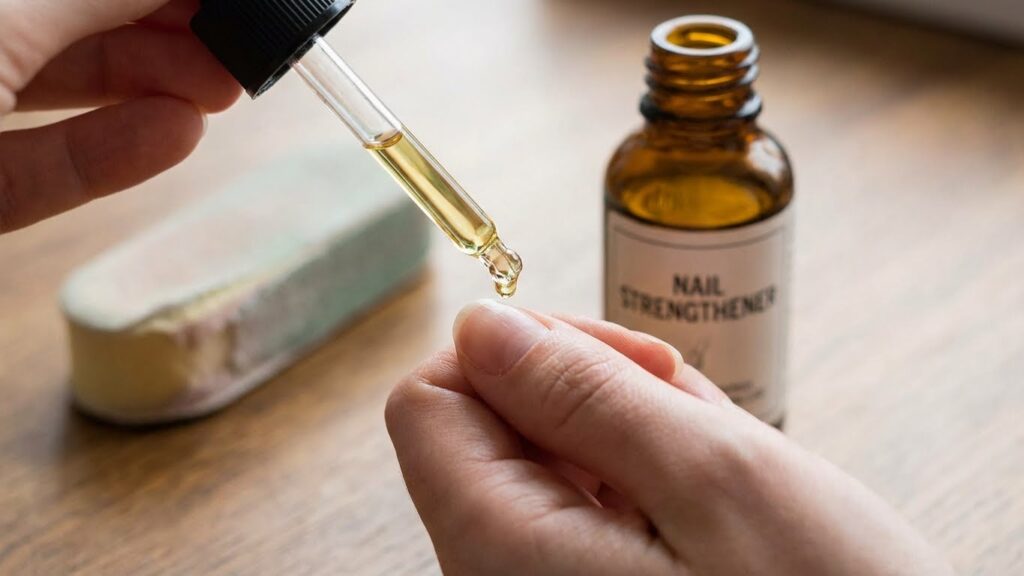
Apply a cuticle oil or cream twice a day to the base and sides of each nail to restore moisture. Look for products with vitamin E, jojoba oil, or almond oil; these penetrate and soften the nail plate and skin.
Massage the oil into the cuticle for 30–60 seconds to boost circulation and absorption. At night, rub a thicker balm into nails and wear cotton gloves for better results.
Use a hydrating hand cream after washing hands, and avoid harsh soaps or frequent hot water soaks. If nails feel brittle, take a biotin supplement (2,500–5,000 mcg daily) after checking with a healthcare provider.
Treating Minor Damage
If nails are thin or have small tears, trim them straight across and file the edges gently with a fine-grit file. Avoid ripping or peeling; that can remove layers of the nail and cause more damage.
Use a thin nail repair strip or silk wrap for cracks, then cover with a strengthening base coat. Apply a protein-based nail treatment every other day for 2–4 weeks to help rebuild layers.
Keep nails short while they recover to reduce snagging. If you notice persistent pain, swelling, or discoloration, see a dermatologist—those signs can mean infection or more serious damage.
Preventing Future Nail Weakness
Limit fake nail wear to avoid repeated adhesive and filing damage. When you do use enhancements, choose press-on nails with gentle glue or designs that allow your natural nail to breathe.
Adopt a weekly routine: oil daily, file lightly once a week, and use a strengthening treatment 2–3 times weekly. Wear gloves for cleaning, dishwashing, and gardening to protect nails from chemicals and water exposure.
Avoid peeling polish and harsh gel removers. If you get salon services, ask technicians to use minimal buffing and lower-acetone products.
When to Seek Professional Help
If your natural nails are red, swollen, or painful under the fake nails, stop trying to remove them at home. These signs can mean infection or a bad fit, and a pro can safely assess and treat the problem.
When nails lift away from the nail bed or you see pus or dark spots, you need clinic care. A nail technician or medical professional can remove the artificial nail without causing more damage.
If the fake nails are glued or extended in a way you can’t loosen, a salon has the right tools. They can file or use safer solvents and protect your natural nails during removal.
You should also seek help if you have underlying health issues, like diabetes or circulation problems. These conditions raise the risk of infection and slow healing, so let a trained provider handle removal.
If you feel unsure, nervous, or uncomfortable at any point, book an appointment. A professional will check your nails and skin, recommend follow-up care, and answer your questions.
Summary of Key Takeaways
You can remove fake nails without acetone using gentle, low-risk methods. Soaking in warm, soapy water, using oil or lotion, and cautious filing are effective for many types of fake nails.
Be patient and work slowly. Forceful peeling or prying can lift and damage your natural nail, so stop if you feel pain or see thin, ragged nail edges.
Use simple supplies from home: warm water, dish soap, a soft file or buffer, cuticle oil, and a nail stick or orangewood tool. Oils and lotions help break the glue bond and soften the nail edges.
Know when to see a pro. If your nails are very long, glued heavily, damaged, painful, or show signs of infection, book a salon visit instead of continuing at home.
Follow gentle aftercare. Trim and file any rough spots, apply cuticle oil daily, and give your nails a short break from enhancements to let them recover.
Quick checklist:
- Soak warm, soapy water for 15–30 minutes.
- Gently file or buff the surface; avoid over-filing.
- Use oil or lotion to loosen edges and adhesive.
- Pry only at softened edges and stop if it hurts.
These steps reduce the risk of harm while helping you remove fake nails safely without acetone.
FAQs
Can you remove fake nails without acetone?
Yes. You can use warm soapy water, oil, or gentle filing to loosen glue and edges. These methods work slower than acetone but reduce chemical exposure.
Will non-acetone methods damage my natural nails?
They are gentler if you follow steps carefully. Soak nails, push lifted edges with an orange stick, and avoid force. If you scrape or pry hard, you can still peel layers of your nail.
How long does it take to remove nails without acetone?
Expect 30–90 minutes depending on the adhesive and nail type. Acrylics usually take longer than press-ons or glue-on tips.
Which oils or household items help remove fake nails?
Use olive oil, coconut oil, or petroleum jelly to soften glue. Warm water with dish soap also helps lift edges. For stubborn glue, dental floss can slide between the nail and tip to separate them slowly.
When should you see a professional?
Go to a salon or dermatologist if you feel pain, see redness, or can’t remove the nails after gentle attempts. Professionals can use safe tools and techniques to prevent harm.
Where can you find more detailed guidance?
Trusted nail-care guides and dermatology sites offer step-by-step tips and safety advice. For medical concerns, check resources like the American Academy of Dermatology (https://www.aad.org) or professional nail care guides for technique tips.
Conclusion
You can remove fake nails without acetone using gentle methods that reduce damage to your natural nails. Warm, soapy water, oil soaking, and careful mechanical lifting work well when you are patient.
Take your time and be gentle. Rushing or prying hard can lift or tear your nail plate, so stop if you feel pain.
Use a soft tool like a cuticle pusher or dental floss to lift edges after the adhesive softens. Work slowly, a little at a time, and re-soak if the nail resists.
Keep your nails and skin hydrated after removal. Apply cuticle oil and a basic moisturizer to help the nail recover.
If nails won’t budge or if you see redness, swelling, or severe pain, get professional help. A salon or dermatologist can remove stubborn nails safely.
Tips at a glance:
- Soak: warm, soapy water for 15–30 minutes.
- Oil: use olive, coconut, or cuticle oil to weaken glue.
- Lift: use gentle tools and small motions.
- Care: moisturize and avoid harsh chemicals for a few days.
These steps help protect your natural nails while removing fake nails without acetone.