
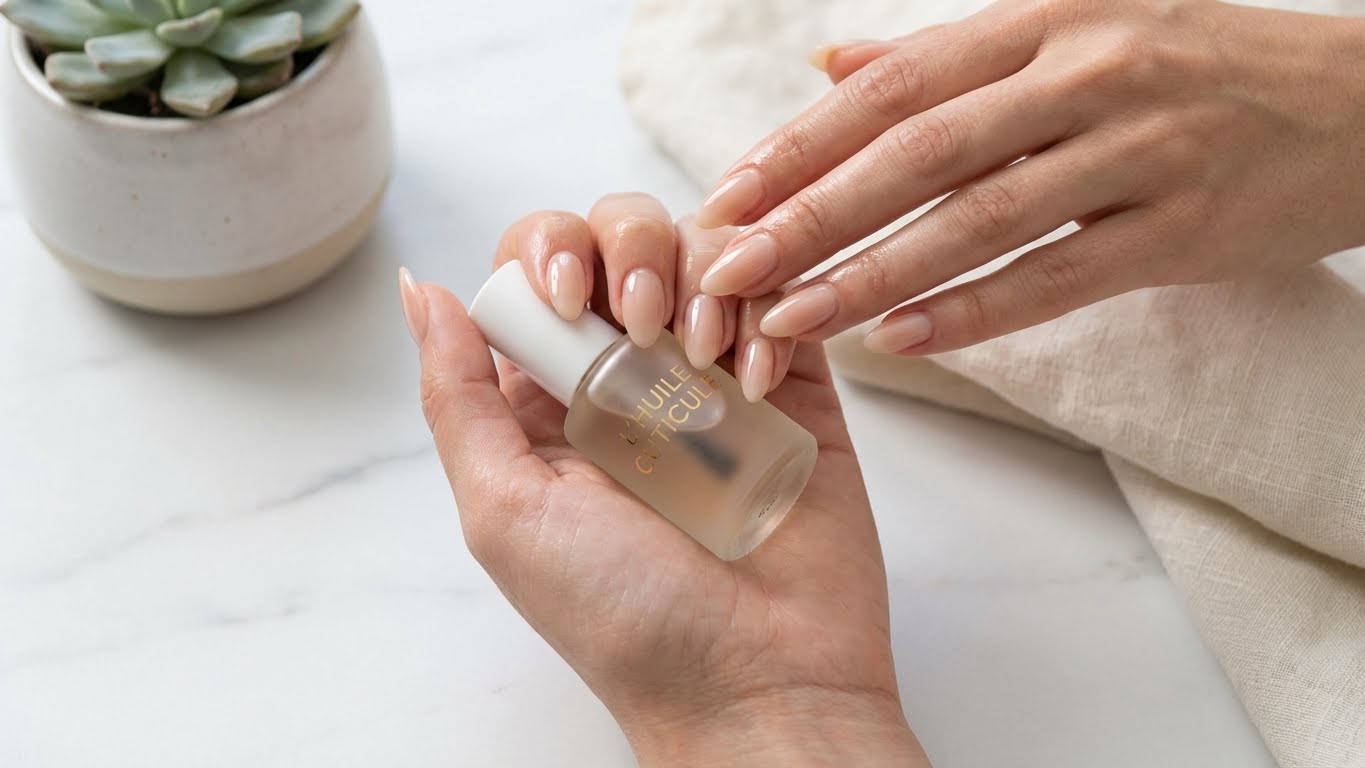
You can expect fake nails to last anywhere from about 1 week to 4 weeks depending on the type and how well you care for them. Press-on nails often last around 1 week, gel nails usually last 2–3 weeks, and acrylics can last up to 3–4 weeks with fills and proper care.
Think about how you use your hands and how often you can do a safe refill or replacement, because those habits change how long your nails look good and stay secure. Keep reading to learn which type fits your routine, how to make them last longer, and when to remove them to avoid damage.
Key Takeaways
- Choose nail type based on how long you want them to last and how much upkeep you’ll do.
- Proper care and timely fills or replacements extend nail lifespan.
- Watch for damage or lifting and remove nails promptly to protect natural nails.
Typical Lifespan of Fake Nails
How long fake nails last depends on the material, your nail growth, and how you treat them. You’ll find clear ranges by nail type, common causes of early lifting or breakage, and simple signs that you need a refill or a replacement.
Average Duration by Nail Type
- Acrylic nails: Last about 2–4 weeks before you need a refill. Acrylics hold up well to daily tasks but show a visible gap at the cuticle as your natural nails grow. Many people get fills every 2–3 weeks to keep the shape and avoid lifting.
- Gel extensions / hard gel: Typically last 2–3 weeks between fills. They are slightly more flexible than acrylics and chip less, but a refill is needed once the growth gap becomes obvious.
- Press-on nails: Last from one day up to 2 weeks. Longevity depends on the glue or adhesive tabs and how much water and friction your hands face. Proper prep (clean, dry nails, and edge sealing) can extend wear.
- Dip powder nails: Usually last 3–4 weeks. They resist chipping and often require fewer fills because bond to the natural nail tends to be strong.
- Polymer or SNS overlays: Often last 2–3 weeks with normal wear. They combine durability with a thinner feel than acrylics, so some people prefer them for longer daily comfort.
Factors That Shorten Wear Time
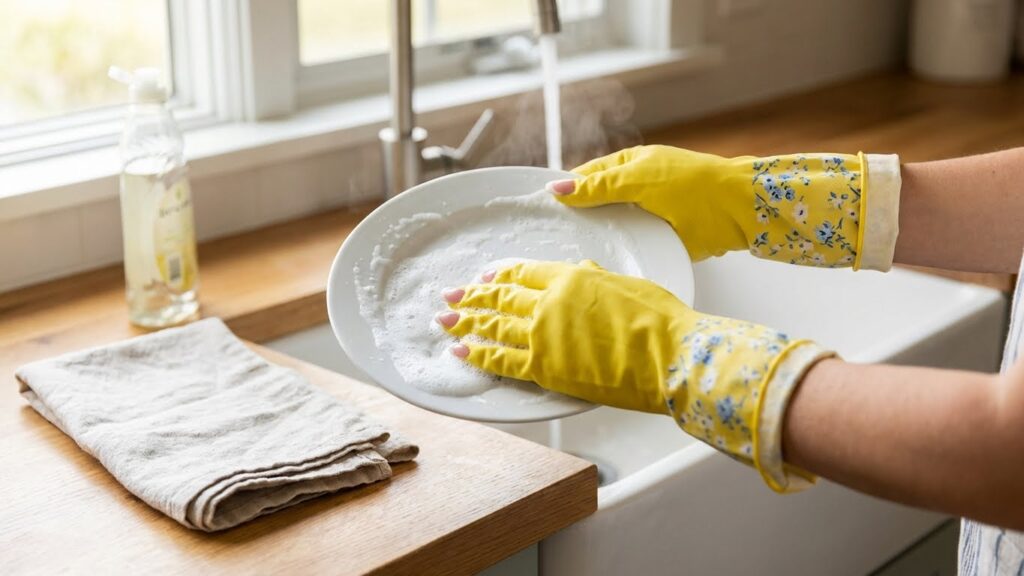
- Water exposure: Frequent dishwashing, swimming, or long showers weakens glue and bond. Use gloves or dry nails quickly to cut damage.
- Physical work: Typing, lifting heavy objects, and using your nails as tools cause chips and breaks. Strong impact can split both the false nail and your natural nail underneath.
- Poor prep or application: Oils, dust, or incomplete curing lead to lifting within days. Always clean and lightly buff the natural nail before application.
- Improper maintenance: Skipping fills, using acetone frequently, or letting nails grow too long increases stress at the tip. Trim or file as needed and follow salon aftercare.
- Health and nail growth: Fast-growing nails create a larger gap sooner. Nail conditions, like peeling or fungal issues, also make adhesives fail faster.
Signs It’s Time to Replace Fake Nails
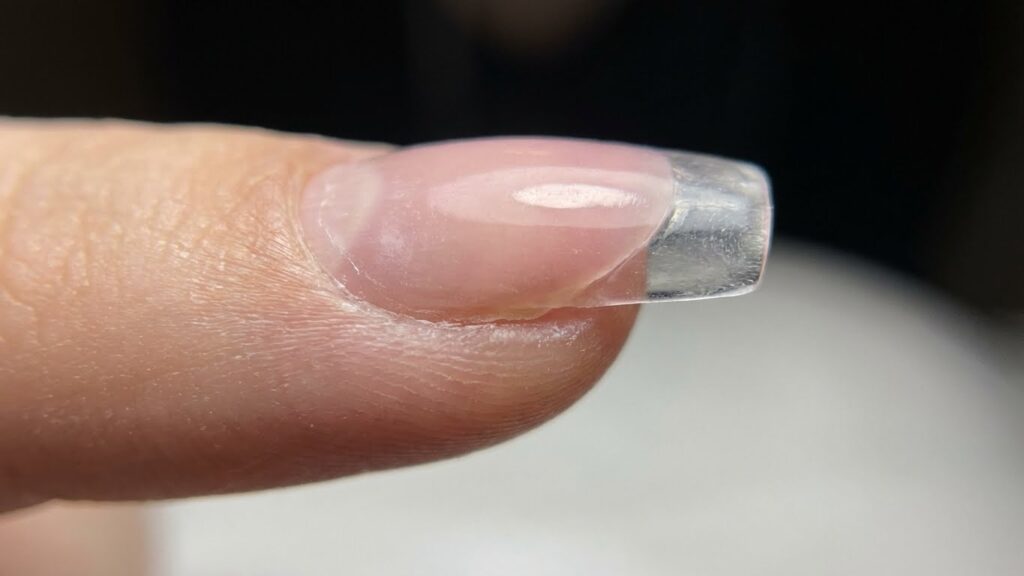
- Visible gap at the cuticle: A gap larger than 2–3 millimeters shows you need a fill or replacement. Gaps trap dirt and increase lifting risk.
- Lifting or separation: Any lifting at the edges or cuticle lets moisture and bacteria in. Remove or fix lifted nails to avoid infections.
- Persistent pain or pressure: Pain, throbbing, or pressure under the fake nail can signal infection or damage to the natural nail. Stop wearing the nail and see a pro.
- Cracks, splits, or large chips: Small chips can be fixed, but deep cracks compromise the whole nail and can tear the natural nail. Replace when structural integrity is lost.
- Discoloration or foul odor: Yellowing, green tint, or bad smells often mean moisture or fungus under the nail. Remove and treat the natural nail before reapplying.
Acrylic Nails Longevity
Acrylics often last longer than other fake nails but need regular upkeep. You can expect a clear timeframe for wear and simple steps to keep them strong and neat.
Expected Time Frame for Acrylic Nails
Acrylic nails typically need attention every 2–3 weeks. Most people get a refill at that mark because new nail growth shows at the cuticle and gaps or lifting can appear.
With proper care, a full acrylic set can remain wearable for 6–8 weeks before you should remove or fully replace them. If your nails grow quickly or you do a lot of hand work, expect fills sooner. Watch for lifting, cracks, or catching on fabrics; those signs mean a salon visit is due.
Maintenance Tips to Prolong Acrylic Life
Keep your nails dry and clean; moisture under the acrylic causes lifting. Wear gloves for dishes, cleaning, and gardening to limit water and chemical exposure.
File gently and avoid using your nails as tools. Use a buffer on the surface only when advised by your tech, and do not peel or pick at the acrylic. Schedule fills every 2–3 weeks to fill gaps and fix minor cracks.
Use cuticle oil daily to keep natural nails healthy under the acrylic. If you notice persistent pain, severe lifting, or discoloration, remove the set professionally to avoid infection or nail damage.
Gel Nails Longevity
Gel nails can stay glossy and chip-free for days to weeks. Their lifespan depends mainly on the gel type, application quality, and how you treat your hands.
How Long Gel Nails Last
Gel nails commonly last 10 days to 3 weeks before visible growth or lifting appears. Hard (builder) gels tend to hold up at the longer end, often reaching 2–3 weeks, while soft gel polish usually shows wear around 10–14 days.
Factors that change wear time include:
- Nail growth rate (faster growth shows a gap sooner).
- How well the nail was prepped (clean, dry, and buffed cut down lifting).
- Your daily tasks (heavy water work or rough use shortens life).
If you see lifting, dirt can collect under the edge and cause early failure. Schedule fills or removal at about 2–3 weeks to avoid damage to your natural nails.
Care Recommendations for Gel Nails
Keep your gel manicure longer by protecting nails from water and chemicals. Wear gloves for dishwashing, cleaning, and gardening to limit exposure to detergents and solvents.
Use cuticle oil daily to keep the skin and nail plate hydrated. Hydrated nails flex less and lift less.
Avoid using nails as tools and file gently if an edge chips. For cleaning, use a mild soap and pat dry. If lifting or breakage occurs, have a technician fix or remove the gel professionally to prevent peeling layers of your natural nail.
Press-On Nails Durability
Press-on nails can last from a few days to over two weeks depending on glue, nail prep, and your daily activities. Proper cleaning, fit, and adhesive choice matter most for wear time.
How Long Press-On Nails Stay On
Press-ons applied with adhesive tabs usually last 2–5 days. Tabs are easy to remove but loosen with water and hand washing.
Press-ons using nail glue typically last 7–14 days. Good glue bonds to dehydrated nails and resists showering and light chores.
Your natural nail condition changes outcomes. Oily, ridged, or curved nails reduce glue hold. Short, clean nails give better adhesion.
Activities cut wear time. Frequent hand washing, dishwashing, typing, and sports can lift edges faster. Avoid heavy impact or using nails as tools.
Ways to Extend Press-On Wear

Start with clean, dry nails. Push back cuticles, buff the nail plate lightly, and wipe with isopropyl alcohol (70%+) to remove oils.
Choose the right adhesive. Use a strong nail glue for longer wear; save adhesive tabs for short-term looks. Apply glue to both the press-on and your natural nail for a stronger bond.
Fit each press-on to your nail shape. File edges or choose the correct size so the press-on sits flat. Gaps let water and dirt lift the nail.
Protect the nails during chores. Wear gloves for dishes, avoid long soaks, and pat hands dry instead of rubbing. Use cuticle oil around the edges to keep your natural nail flexible without loosening the adhesive.
Influencing Factors on Nail Lifespan
Type of nail, how they are attached, and what you do with your hands decide how long fake nails last. Proper fit, glue quality, and daily wear tasks change the life span a lot.
Impact of Application Technique
How the nail tech or you apply nails affects strength and lift. For press-ons, clean natural nails and use alcohol or nail prep pads to remove oils. Apply adhesive tabs or glue exactly as the instructions say; too little glue causes early popping, too much can trap moisture and lift.
For acrylics and gel overlays, proper nail preparation matters. Lightly buff the nail plate and push back cuticles so the product bonds to nail, not skin. Thinner, even layers cure better; thick blobs lift and crack. Bonding agents and primer improve adhesion on oily nails.
Fit and edge work also matter. Trim and shape the fake nail so it follows your nail’s curve. Poorly trimmed edges catch on fabric or tools and start lifting. A correct application can add several days to weeks of wear.
Role of Daily Habits and Activities
How you use your hands changes the wear time more than product type. Frequent hand washing, dishwasher use, or gardening exposes nails to water and chemicals. Water makes adhesives weaken and acrylics swell, leading to lifting or breaks.
Physical tasks like typing, texting, opening cans, and sports put pressure on nail tips. Bending or using nails as tools causes chips and cracks. If you do heavy work, keep nails shorter and use tougher glue or thicker overlays.
Products you use matter too. Acetone, strong cleaners, and bleach strip top coats and adhesives fast. Use gloves for chores and apply cuticle oil and a clear top coat weekly to keep edges sealed and reduce lifting.
Aftercare and Best Practices
Keep your nails clean, hydrated, and protected to extend wear. Small habits—gentle cleaning, regular oiling, and careful use of your hands—make the biggest difference.
Cleaning and Moisturizing
Clean under and around nail edges every few days with a soft brush and warm, soapy water. This removes dirt and reduces lifting; avoid picking at any loose edges. If adhesive buildup forms, soak the tips in warm water for a few minutes before gently brushing.
Apply cuticle oil at least once daily and right after washing dishes. Focus on the cuticle line and nail folds to prevent dryness and lifting. Use a non-acetone polish remover for any cleanups to avoid weakening glue or damaging the fake nail surface.
If you wear press-ons, check the glue or adhesive tabs after cleaning. Replace weak adhesives or add a small dot of nail glue at the center and edges if you see early lifting. Keep a travel-size oil and a tiny glue tube in your bag for quick touch-ups.
Avoiding Damage and Breakage
Treat nails like tools: use your fingertips instead of nails for prying or opening things. Avoid prolonged exposure to hot water and harsh chemicals; wear gloves for cleaning or dishwashing to protect glue bonds and reduce lifting.
Don’t bite, pick, or peel at the fake nails. If one nail starts to lift, remove or reapply it properly—do not force it off. Trim or file any snagged edges with a fine file to stop further tearing.
Schedule breaks every few months if you frequently get acrylics or gels. Let natural nails breathe and repair; long-term continuous wear increases risk of thinning and infection.
Potential Risks of Prolonged Wear
Wearing fake nails for long stretches can cause damage that builds up slowly. Some problems show as pain, lifting, or discoloration and need quick action to prevent worse issues.
Nail Health Concerns
If you wear acrylics, gels, or long press-ons without breaks, your natural nails can weaken and thin. The adhesive and filing remove layers of nail plate over time. This makes nails more likely to bend, split, or peel when you try to remove the false nail.
Lifting between the fake nail and your natural nail traps moisture and bacteria. That environment raises the risk of fungal or bacterial infections, which may appear as yellowing, dark spots, swelling, or a bad smell. Allergic reactions to glue or acrylic chemicals can cause redness, itching, or blisters on the surrounding skin.
Repeated professional fills and aggressive removal can damage the cuticle and nail matrix. That can slow growth or cause permanent ridges and irregular nail shape. To reduce risk, keep nails clean, avoid cutting the cuticle, and use gentle removal methods.
When to Remove Fake Nails
Remove fake nails right away if you feel pain, pressure, or notice persistent lifting. Pain or sharp pressure often signals infection or physical damage under the enhancement. Delaying removal can let an infection spread or deepen damage to the nail bed.
Take them off if you see yellow, green, or black discoloration, foul odor, swelling, or pus. Also remove them if the natural nail becomes paper-thin, peels in layers, or develops deep ridges. If you have a severe allergic reaction—intense itching, blistering, or rash—stop wearing fake nails and seek medical care.
Plan routine breaks every few months and schedule fills no more than every 2–3 weeks to limit harm. Always use proper removal: soak and gently file or visit a technician to avoid prying or peeling that worsens damage.
Removal and Replacement Recommendations
You should remove or replace fake nails when you see gaps at the cuticle, lifting, cracking, or discomfort. Small chips can be repaired, but visible nail growth or lifting risks catching and infection.
For press-ons, expect 1–2 weeks of wear with glue and a few days with adhesive tabs. If they lift or peel sooner, remove them gently with oil and warm water to avoid nail damage.
Acrylics and gels usually need attention every 2–4 weeks. Get fills on a regular schedule to keep the shape and strength. If the set is 6–8 weeks old, consider a full removal and fresh application rather than another fill.
Remove nails before they cause pain, redness, or swelling. Those signs can mean irritation or infection and need immediate care. Use professional salon removal for acrylics and hard gels when possible to protect your natural nail.
When you remove at home, soak in acetone for acrylics or use warm, soapy water for press-ons if the glue allows. File gently and avoid prying; that prevents thinning and peeling of your real nail.
Plan replacements based on wear and your lifestyle. If you use your hands a lot, replace nails more often. Keep a simple schedule: press-ons every 1–2 weeks, fills every 2–4 weeks, and full replacements every 4–8 weeks depending on condition.
Choosing the Right Type of Fake Nails
Pick a nail type based on how long you want them to last and how much care you can give them. Press-ons stick on quickly and work well for short events, lasting about 1 week to 10 days with glue. They suit low-maintenance wear and quick changes.
Acrylics give you strong, long-lasting nails that can hold up to heavy use. Expect fills every 2–3 weeks to keep them looking neat, though some people go longer between fills. They work if you want durability and frequent salon upkeep.
Gel and hard-gel systems often look smoother and can last 2–4 weeks before a refill or repair. They balance a natural look with good strength, so they fit daily wearers who want a polished finish. Dip powder offers similar longevity and strength, often matching gel and acrylic performance.
Use this quick comparison to decide:
- Press-ons: best for short-term, low cost, easy at-home use.
- Acrylics: best for heavy-duty wear, longer salon commitment.
- Gel/hard gel: best for a natural, glossy finish with solid durability.
- Dip powder: best if you want strong color and length with moderate care.
Consider your lifestyle, budget, and how often you’ll go to the salon. If you work with your hands a lot, choose stronger options and schedule regular fills. If you change looks often, keep press-ons or softer gels on hand.
FAQs
What affects how long fake nails last? Your choice of nail type (press-on, acrylic, gel), the adhesive you use, and daily activities all matter. Water, heavy hand work, and poor prep can shorten wear time.
How long will press-on nails stay on? Press-ons with adhesive glue often last about 7–10 days. If you use sticky tabs, expect 2–4 days unless you take extra care.
When should you get fills or maintenance? For acrylic or gel nails, plan fills every 2–3 weeks to keep them strong and neat. Skipping fills can lead to lifting and breakage.
Can you make fake nails last longer at home? Yes. Clean and dry your natural nails, push back cuticles, and use a primer or dehydrator before applying. Avoid soaking in water and wear gloves for chores.
Are fake nails safe for your natural nails? They can be safe if you follow removal steps and give your nails breaks. For more on safe salon practices, check guidance from the American Academy of Dermatology (https://www.aad.org).
How do you remove fake nails without damage? Use a proper remover for the nail type—acetone for acrylics and gels—and be gentle. If unsure, visit a salon to avoid harming your nail bed.
Where can you learn more about nail types and care? Trusted beauty resources and professional salon sites explain differences and care tips. The CDC also offers basic safety advice for nail salons (https://www.cdc.gov).
Conclusion
You can expect fake nails to last anywhere from a few days to several weeks. Press-ons often stay on 7–21 days depending on glue and activity, while acrylics and gel extensions usually need fills every 2–3 weeks but can remain wearable longer with proper care.
Your daily habits shape how long nails last. Gentle hand work, regular maintenance, and keeping nails dry and clean all help. Avoid picking at edges and use gloves for chores to reduce lifting and breaks.
If you want maximum wear, choose the right type and application. Professional application and strong adhesive increase longevity. Replace or refill when you see lifting, gaps, or discomfort to protect your natural nails.
Quick care checklist:
- Clean and dry nails before applying press-ons.
- Use quality glue or adhesive tabs.
- Schedule fills for acrylics or gels every 2–3 weeks.
- Wear gloves for cleaning and garden work.
You decide the best balance between appearance and maintenance. Shorter sets often last cleaner and are easier to maintain. If nail health matters most, limit wear time and give your natural nails breaks between sets.