

Getting fake nails can take a little time or a chunk of your day depending on what you choose. A simple press-on set can take about 15–30 minutes, while a full professional set like acrylics or gel extensions usually takes 45–120 minutes.
You’ll want to know the type of nails, the level of design detail, and whether you go to a salon or do them at home. Stick around to learn which options save time, which need careful prep, and how to plan appointments so you don’t waste a minute.
Key Takeaways
- Choose press-ons for the quickest option and salon acrylics or gels for longer sessions.
- Prep, design complexity, and application method drive how long the appointment lasts.
- Plan removal and upkeep to save time on future appointments.
Typical Duration for Getting Fake Nails
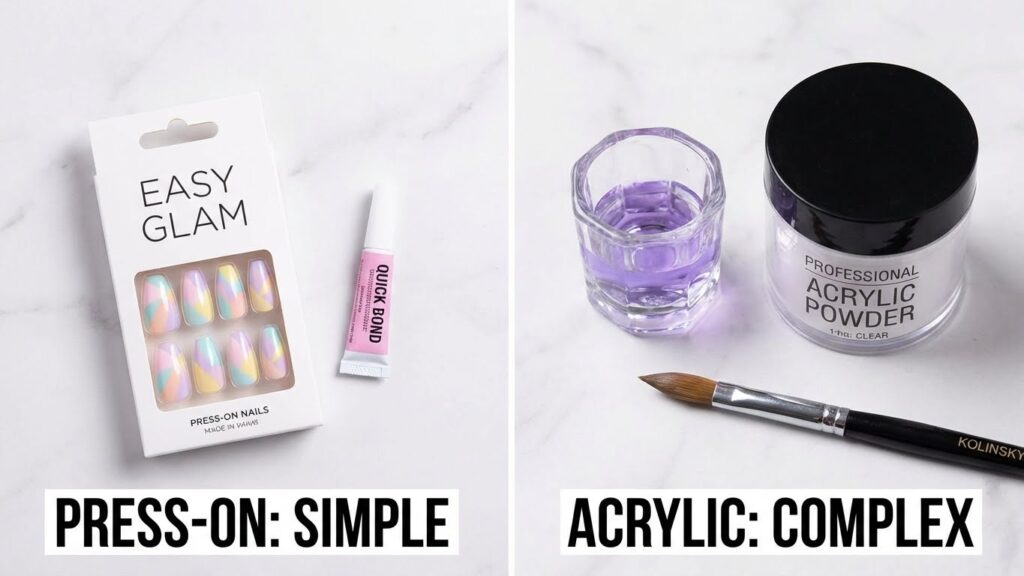
You can expect time to vary by nail type, salon skill, and any nail art. Plan for a basic set in under an hour, and complex designs or extensions to take up to a few hours.
Average Application Time in Salons
Most salons book 45 minutes to 2 hours for a full fake-nail appointment. A simple overlay or short set of tips with plain polish often takes 45–60 minutes. A full set with shaping, cuticle work, and a basic color usually runs 60–90 minutes.
If you add nail art like ombré, glitter, or hand-painted designs, expect an extra 15–60 minutes. Busy salons or less experienced technicians can increase your wait or service time, so ask about appointment length when you book.
Timeframe for Different Types of Fake Nails
- Acrylic full set: 60–120 minutes depending on length and nail prep.
- Gel extensions (builder gel): 60–150 minutes; often slower because of layering and curing.
- Dip powder: 45–90 minutes for full sets with shaping and finish.
- Press-on/custom tips: 20–45 minutes for application if pre-made; up to 90 minutes for custom shaping and blending.
Longer lengths, added tips, or heavy sculpting increase time. If you want French tips, complex art, or rhinestones, add about 20–60 minutes to the base timeframe.
Factors Influencing Service Duration

Skill level: Experienced techs work faster and cleaner, often saving 15–30 minutes.
Nail condition: Weak or damaged nails need more prep (buffing, repair), adding 10–30 minutes.
Design complexity: Hand-painted art, encapsulation, or multiple color layers add time per nail.
Salon workflow: Walk-ins, queue length, and drying/curing stations affect total time.
Products used: Some gels require longer curing cycles; acrylics may need more shaping.
Ask your salon what they include and whether extras (fills, repairs, removal) are separate. This helps you plan travel and appointment slots with less stress.
Steps Involved in Applying Fake Nails
You will prep the nail surface, pick and attach the artificial nail or press-on, then shape and finish for a smooth, lasting result. Each step affects fit, bond strength, and how long the nails last.
Nail Preparation and Cleaning

Clean nails with soap and water, then dry them completely. Use a nail brush to remove dirt under the free edge.
Push back or trim cuticles gently with a wooden stick or cuticle pusher. Remove oils and shine with an alcohol wipe or acetone swab so glue or adhesive tabs bond properly.
Lightly buff the natural nail with a fine buffer to remove the glossy layer. Don’t over-buff; you want a slightly rough surface, not raw nail. Trim or file your natural nails short so the fake nails sit flush at the cuticle.
If you have polish, remove it fully with acetone. Check for lifting, ridges, or nail damage; repair or wait to apply if nails are weak or peeling. Clean hands and work on a flat, well-lit surface.
Adhesion and Product Application
Choose the right attachment: nail glue for longer hold or adhesive tabs for easier removal. If using glue, apply a thin line to the fake nail and a small dot to your natural nail for best bond.
Press the fake nail onto your natural nail at a 45° angle, contact at the cuticle first, then roll forward to the tip. Hold firm for 10–20 seconds to seat the nail and let the glue set. For tabs, remove liners and press firmly for at least 30 seconds.
Check fit before applying: pick the closest size and file the sides slightly if needed. Avoid getting glue on your skin; wipe excess immediately with a cotton swab and acetone if needed. For longer wear, add a drop of glue under the tip to seal the edges.
Shaping and Polishing
After all nails are attached, file to your desired shape using a medium-grit file. Use light, even strokes in one direction to prevent splitting or lifting.
Buff edges and surface lightly to smooth seams between the fake nail and natural nail. If you used glue, clean any residue with acetone on a brush or cotton swab.
Apply base coat if you will paint, then two coats of polish and a top coat for shine and protection. Cure under a UV/LED lamp if using gel polish. Finish by hydrating cuticles with oil and avoid heavy water exposure for a few hours to let the bond fully set.
Types of Fake Nails and Their Application Times
You’ll see big differences in how long each type takes, how long they last, and how much skill the technician needs. Pick the one that fits your schedule, budget, and how long you want them to stay before a refill or replacement.
Acrylic Nails
Acrylics require the most steps and time. A full set usually takes 60–120 minutes at a salon. The tech will file and prep your natural nail, apply primer, mix liquid monomer with powder, sculpt or place tips, then shape and finish with polish or gel topcoat.
Expect 10–15 minutes extra per nail if the tech sculpts extensions instead of using tips. Fill-ins every 2–3 weeks take about 45–60 minutes. Acrylics are durable but need careful removal to avoid nail damage.
Gel Nails
Gel extensions and hard gel overlays typically take 60–90 minutes. The process includes nail prep, applying gel layers or building with a form/tip, and curing each layer under an LED/UV lamp for 30–60 seconds per layer.
A soak-off gel polish over natural nails is quicker: about 30–45 minutes. Gel fills are similar to acrylic fills and take 40–60 minutes. Gel gives a glossier finish and feels lighter than acrylic for many people.
Press-On Nails
Press-ons are the fastest option for at-home or salon use. A salon application can take 15–30 minutes; DIY press-ons take 10–20 minutes if you match sizes and prep well. Prep includes trimming, buffing, and cleaning the nail plate.
Adhesive tabs last about a week; glue can last 1–2 weeks with careful wear. Press-ons let you change styles quickly and cost less, but they’re less durable than acrylic or gel and are best if you need fast results or a short-term look.
Professional Versus DIY Application
You will choose between a salon service that can take longer but gives durable results, or a DIY route that can be much faster and cheaper. Time, equipment, and your skill set determine which method fits your schedule and goals.
Time Differences Between Methods
A professional set at a salon usually takes 45 minutes to 2 hours. Simple gel overlays or press-ons fitted by a tech sit near the lower end. Full acrylic or sculpted extensions with shaping, curing, and nail art push toward two hours. If you add soak-off of old product, detailed nail art, or repairs, expect more time.
At home, press-on nails or glue-on tips can take 15–30 minutes if you prep and size first. DIY acrylic or gel systems often take longer than press-ons because you need curing time under a lamp and careful shaping. Factor extra time for mistakes, sanding, or adhesive drying when you work solo.
Skill Level and Experience Impact
If you go to a pro, you benefit from training, fast work, and salon tools. Technicians know proper prep, how to prevent lifting, and safe removal techniques. That knowledge reduces redo time and protects your natural nails.
When you do nails at home, results vary by experience. A beginner applying press-ons can finish quickly but may need practice to get even placement and secure edges. Complex DIY techniques like sculpted acrylic require tools, practice, and patience; expect longer sessions and a higher chance of error until you gain skill.
Tips to Reduce Application Time
Pick the right service and arrive ready so the tech can work without delays. Small choices before and during your visit cut minutes and prevent rework.
Choosing the Right Service
Choose the service that matches the look you want. If you only want length and color, press-on or basic acrylics take less time than sculpted or intricate gel designs. Ask the salon how long each option takes — say “I need a 30–45 minute service” so they can suggest faster alternatives.
Bring reference photos and nail sizes if you have them. That avoids back-and-forth about shapes and lengths. Request a simple finish like single-color gel instead of hand-painted art to save time. Tell the tech upfront if you want a file-and-polish only; small changes are quicker than full removals and rebuilds.
Preparing Before Your Appointment
Do basic prep at home: remove old polish, trim excess length, and gently push back cuticles. Clean, dry nails let the tech start immediately and skip soak or extra prep steps. If you wear jewelry, take it off so the tech can move freely.
Show up with nails free of heavy oils and lotions. If you use hand cream, wash your hands right before leaving. Have any press-ons sorted by finger or bring glue and sizes that already fit; that can cut application time by 10–20 minutes.
Aftercare and Maintenance Time Commitments
You will need daily care to keep fake nails looking good and to protect your natural nails. Apply a cuticle oil or jojoba-based nail oil 2–3 times a day to hydrate the nail bed and surrounding skin. This takes only a minute each time but helps prevent lifting and breakage.
Expect weekly checks for any lifting, cracks, or rough edges. If you spot issues, file gently or use a buffer for small snags; larger problems will need a salon visit. Keeping nails dry and avoiding harsh chemicals reduces the need for repairs.
Plan on regular salon maintenance every 2–4 weeks for acrylics or gel extensions. These appointments (30–60 minutes) allow the technician to fill gaps, reshape, and replace damaged tips. Press-ons require less salon time but need more frequent at-home swaps.
Use basic protective steps during chores to save time later. Wear gloves for cleaning, avoid using nails as tools, and keep a small emergency kit with glue, a file, and a buffer at hand. These quick actions cut down on longer repair visits.
Simple habit changes add up. Short, consistent daily care and periodic salon maintenance will keep your set lasting as long as it can without causing harm to your natural nails.
How Removal Affects Future Appointment Times
When you remove fake nails, the condition of your natural nails changes the timing of your next visit. If your technician removes the enhancements gently and files the natural nail smoothly, your next appointment may be a normal-length refill or new set session.
Damaged or thin nails take longer to prep. Your tech may spend extra time trimming, buffing, and treating nails before applying new enhancements. This can add 15–45 minutes to a usual appointment.
If you need repairs or recovery treatments, expect a different schedule. Treatments like strengthening serums, gel overlays for protection, or staged fills require more time and sometimes more frequent short visits.
Self-removal that causes lifting or breaks often increases appointment time. Your technician must fix breaks, remove remaining product, and rebalance the nail surface. That work can turn a 45-minute service into a 60–90 minute session.
Always tell your salon if you removed nails yourself or had any problems. Clear communication helps them plan and book the right length of time for your service.
When to Schedule Future Appointments
Plan your next visit based on the type of fake nails you get. Acrylics and hard gels usually need fills every 2–3 weeks as your natural nail grows out.
Soft gels and dip powder can often stretch to 3–4 weeks before they look uneven.
Watch for these signs to know when to book: lifting at the cuticle, visible growth gap, or chips and cracks. Any lifting can trap moisture and cause infections, so don’t wait too long.
If you wear long or sculpted tips, you may need touch-ups sooner because they catch and chip more easily.
Keep a simple schedule to avoid last-minute bookings. Many salons let you pre-book at checkout—choose a date 2–3 weeks out and adjust if needed.
For special events, book 4–7 days before to allow chips to settle and polish to fully cure.
Use a short checklist before you call: nail type, any damage, and desired length or design. This helps the salon estimate time and price.
If you switch types (for example, from acrylics to gel), tell the technician—removal adds 15–45 minutes and may change your ideal refill interval.
Quick reference:
- Acrylics/hard gel: every 2–3 weeks
- Dip/soft gel: every 3–4 weeks
- Event booking: 4–7 days early
FAQs
How long will your fake nails last? It depends on the type and how you treat them. Press-ons often last 5–10 days with glue, while acrylics or gel extensions can last several weeks with proper care. If you work with your hands, expect more frequent lift or breakage.
How long does the salon appointment take? A basic set can take 30–60 minutes. More complex services like full acrylics, sculpted tips, or detailed nail art can take 1.5–2.5 hours. Ask your technician for an estimated time before booking.
Can you make fake nails last longer at home? Good prep helps: clean and dry nails, push back cuticles, and buff lightly. Use quality adhesive and avoid water or heavy chores for the first few hours. Daily cuticle oil and gentle handling reduce lifting and chipping.
Will fake nails damage your natural nails? They can if removal is rushed or you pick at them. Safe removal methods include soaking for acrylics or visiting a pro for gel removal. For reliable guidance, see nail care tips from the American Academy of Dermatology and step-by-step removal instructions at a trusted beauty site.
Can you reuse press-on nails? Yes, many press-ons are reusable if you remove them carefully and clean off old glue. Store them by size and shape to keep them in good condition for the next use.
Conclusion
You can expect a wide range of times depending on the type of fake nails you choose. Press-ons can take 10–30 minutes, while acrylics or full gel sets often require 60–120 minutes.
Plan extra time for detailed nail art, repairs, or a first-time appointment with a new technician. Short, simple sets are quicker; complex designs add time.
Think about your schedule and budget when choosing a salon service. If you need speed, bring pre-shaped press-ons or ask for a basic manicure.
Care and maintenance affect how long nails look good. Follow your tech’s aftercare tips and avoid rough tasks that lift or break nails.
If you value durability over time spent, expect to invest more chair time for acrylics or sculpted gels. If you value convenience, press-ons or quick gel tips save time and still look polished.