
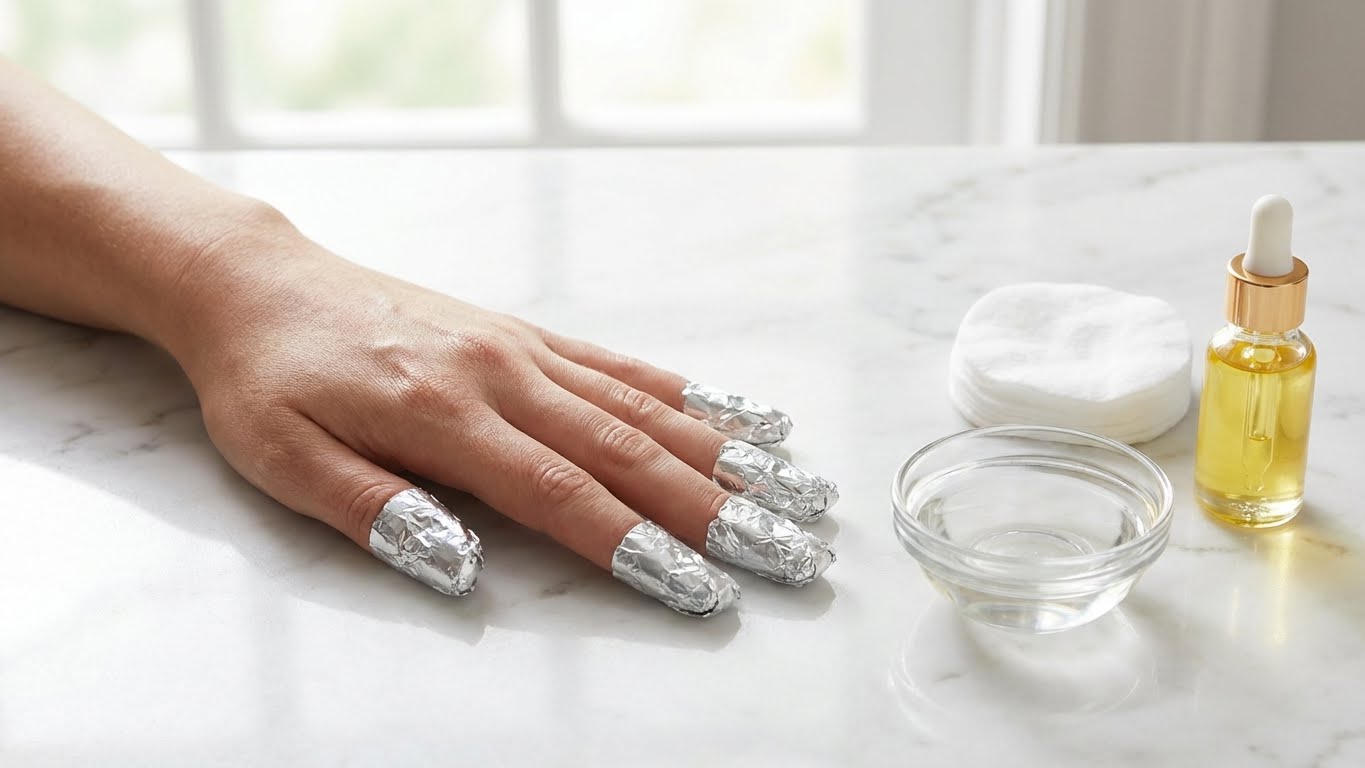
You can usually soak off fake nails in about 15 to 45 minutes, depending on the type (acrylic, gel, or press-ons) and how stubborn the adhesive or product is. If you use 100% acetone and follow the proper steps, most nails will come off within 20 to 30 minutes; gentler methods like warm soapy water or non-acetone remover can take longer.
Prepare your nails and give the process time — rushing or peeling can damage your natural nails. This post will walk you through simple prep, quick techniques, and aftercare so you get safe results fast and avoid common problems.
Key Takeaways
- Different nail types and methods affect soak time.
- Proper prep and patience speed safe removal.
- Aftercare helps nails recover and stay healthy.
Understanding the Soak Off Process
Soaking removes the bond between the fake nail and your natural nail. It uses either a solvent, heat, or mechanical help to loosen product without harming your nail bed.
What Is Soaking Off Fake Nails
Soaking off means using a solvent or warm water to soften and break down the glue, gel, or acrylic layers. For gel and acrylic, professionals usually use acetone because it dissolves the product. For press-ons, warm water or non-acetone removers can help lift the adhesive.
You’ll often wrap your nails in foil with a cotton ball soaked in acetone, or use a soak-off bowl or clips. After 10–30 minutes the product should soften enough to gently push off with a cuticle pusher. If it resists, soak longer rather than force removal.
Why Soaking Off Properly Matters
Removing fake nails too quickly can strip layers of your natural nail and cause thinning, peeling, or pain. Using the right method lowers risk of infections and reduces the need for long recovery time.
Proper technique also preserves nail shape and cuticles. Moisturizing after removal and avoiding heavy scraping help your nails recover faster. If you feel sharp pain, stop and seek a professional.
Types of Fake Nails and Their Removal Needs
- Gel polish and builder gels: require acetone soak for 10–30 minutes depending on thickness. Thin layers come off faster; multiple layers take longer.
- Acrylics and hard gels: often need longer acetone soaks plus gentle scraping or filing. Some salons file the top coat first to speed soaking.
- Press-on nails and glue-on tips: usually lift after 5–15 minutes in warm, soapy water or with adhesive remover. Tough glue may need longer or a dedicated remover.
Match method to type: acetone for most gels and acrylics, warm water or adhesive remover for press-ons. Adjust soak time for layer thickness, salon-applied durability, and how recently the nails were applied.
How Long Does It Take to Soak Off Fake Nails
Expect soak times that vary by nail type, product thickness, and how well you prepare your nails. With the right method, most removals take between 15 and 45 minutes, though thick or layered sets can take longer.
Average Removal Times by Nail Type
Acrylic nails usually take 20–40 minutes with 100% acetone. Thicker acrylics or multiple salon layers can push this toward 45–60 minutes. If the acrylic was applied long ago, expect longer soak times.
Gel polish or hard gel overlays often loosen in 15–30 minutes with acetone. Builder gels can need 30–45 minutes, especially if cured thickly.
Dip powder and SNS systems typically take 20–40 minutes. They can soften faster than heavy acrylic but still need steady soaking to avoid forceful peeling.
Press-on nails or glue-on tips come off fastest. Warm soapy water or oil soaks for 10–20 minutes usually let you lift the edges. Strong glue or sealants may require acetone and extra time.
Factors That Impact Soak Off Time
Thickness matters: the thicker the product, the longer it soaks. Multiple product layers or heavy top coats add 10–20 minutes.
Product type changes timing. Acrylic and builder gels resist acetone more than simple gel polish or dip powder. Manufacturer formulas vary, so some branded systems take longer.
Preparation speeds things up. Filing or buffing the top coat allows acetone to penetrate faster. Wrapping nails tightly in foil keeps acetone from evaporating and shortens soak time by 5–15 minutes.
Temperature and acetone purity matter. Warm acetone works faster than cold. Use 100% or high-purity acetone; non-acetone removers take much longer or may not work well.
Step-by-Step Removal Timeline
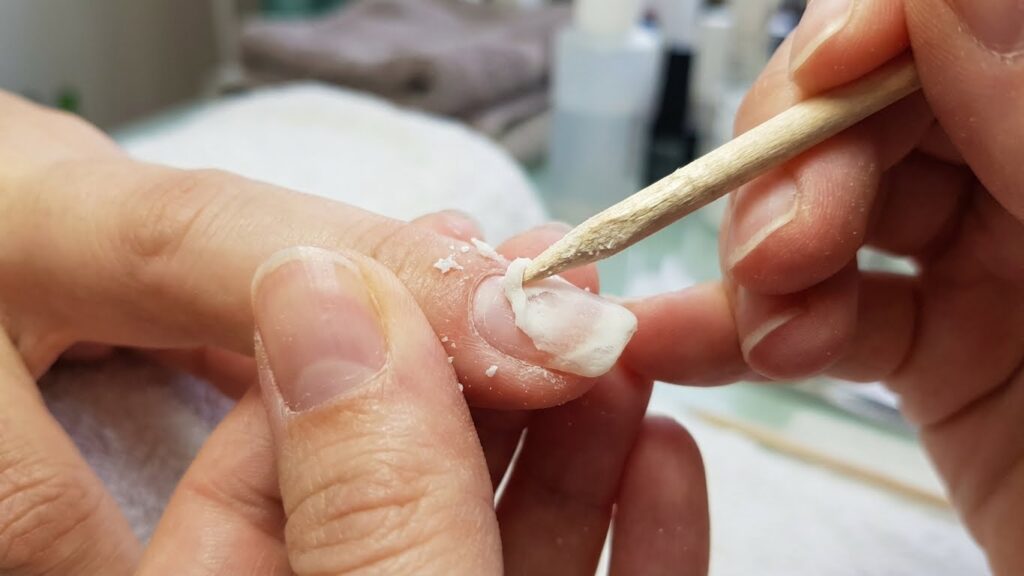
- Prep (5 minutes): File top coat gently and push back cuticles. This helps acetone reach the product.
- Soak (15–30 minutes typical): Saturate cotton with acetone, place on nail, and wrap with foil. Check one nail after 15 minutes. If product lifts easily, proceed. If not, soak another 5–15 minutes.
- Remove (5–15 minutes): Gently slide off loosened product with an orange stick or cuticle pusher. Avoid force. If resistance remains, re-soak in 5–10 minute increments.
- Finish (5 minutes): Wash hands, buff lightly, and apply cuticle oil or moisturizer to restore hydration.
Adjust times: heavy acrylics or builder gels can add 15–30 minutes total. If nails still resist after three soaks, consider a professional removal to avoid damage.
Preparation Before Soaking Off
Gather the right supplies and treat your nails gently before you start. Doing a few small prep steps saves time and reduces the risk of damage.
Tools and Materials Needed
Have these items ready before you begin soaking.
- Pure acetone (100% or labeled for nail removal) — the most effective solvent.
- Cotton balls or pads — one per nail for wrapping.
- Aluminum foil strips or reusable clips to hold cotton in place.
- Nail file or electric file to thin the top layer of the fake nail or gel. Use a coarse file (180–240 grit) for acrylics.
- Cuticle pusher or orangewood stick to gently lift softened product.
- Small bowl (if you prefer full-soak) and a timer.
- Cuticle oil and hand moisturizer for aftercare to rehydrate nails and skin.
- Optional: nail clips, petroleum jelly for skin protection, foil removal tool.
Lay items out on a towel or paper towel to catch acetone drips. Work in a well-ventilated area and keep a trash bag nearby for used cotton and foil.
Pre-Soak Nail Care Tips
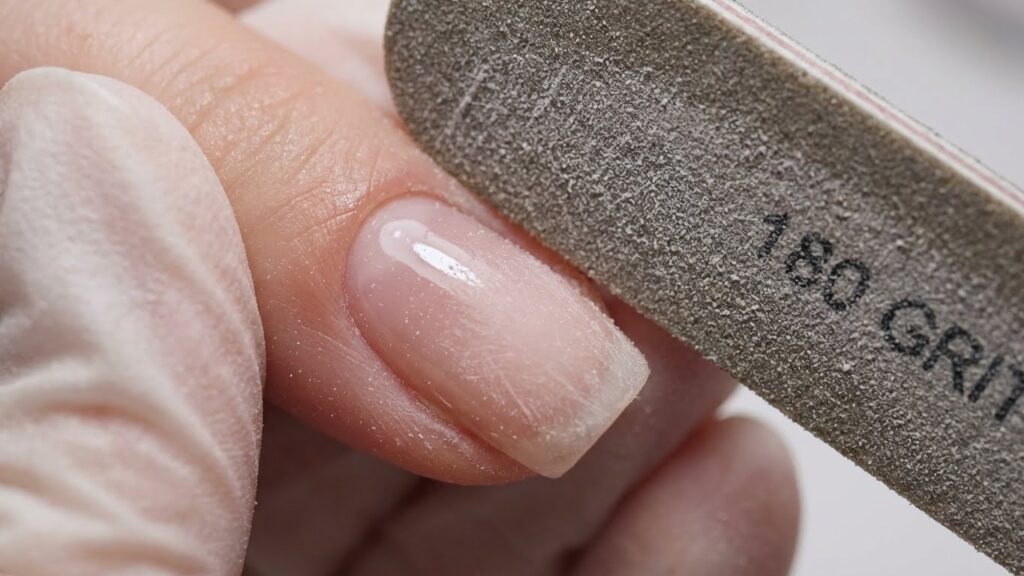
Start by trimming and filing to speed up soak time.
Lightly buff the shiny top layer of gel or acrylic to break the seal. Do not file down to your natural nail. Aim for thinning the outer layer so acetone soaks in faster.
Protect your skin where possible with a thin layer of petroleum jelly on surrounding skin. This reduces irritation from acetone. Push back cuticles gently to expose more surface for the remover.
If nails are glued on, lift edges carefully before soaking so acetone reaches the adhesive. Set a timer for 10–15 minutes for first check; thicker nails may need longer. Keep acetone away from open flames and store it upright during use.
Techniques for Efficient Soak Off
You will learn safe steps, time estimates, and tools that cut soaking time and protect your natural nails. Follow specific actions for acetone, non-acetone options, and when to choose a pro over DIY.
Using Acetone Safely
Use 100% pure acetone for fastest, most reliable removal of acrylics and many gel products. Pour a small bowl of acetone or soak cotton balls and wrap each finger in foil; expect 15–30 minutes depending on product thickness. Check one nail after 15 minutes by gently pushing with a cuticle pusher — if the product lifts, continue with the rest.
Protect skin and cuticles by applying petroleum jelly around each nail before soaking. Work in a well-ventilated area and avoid open flames; acetone is flammable and gives off strong fumes. After removal, wash hands, buff very lightly if needed, and apply cuticle oil and a rich hand cream to restore moisture.
Non-Acetone Removal Alternatives
Non-acetone removers and mechanical methods work for lighter press-ons, thin gel polish, or glued tips but take longer. Soak nails in warm, soapy water for 15–25 minutes to loosen press-ons and some adhesives. Use an orangewood stick to gently pry from the edges once adhesive softens.
For gels that won’t dissolve, try soaking liquids labeled “non-acetone” combined with gentle filing to thin the top layer first. Avoid aggressive scraping; if product resists after repeated soaks, stop and switch to acetone or seek professional help to prevent nail damage. Always follow up with moisturizing treatments.
Professional vs. At-Home Methods
Choose a salon if nails are heavily filled, very thick, or you feel unsure about removal. Professionals use controlled acetone wraps, specialized tools, and techniques that reduce scraping and protect the nail plate; a typical salon soak-off takes 20–45 minutes per hand depending on product and service level.
At home, you can safely remove most press-ons and thin gels with acetone wraps, non-acetone soaks, or warm water methods. You need basic tools: pure acetone, foil or clips, cotton, a cuticle pusher, and oil. Stop and consult a pro if you hit resistance, notice pain, or see lifted, thin, or discolored natural nails.
Aftercare and Nail Health Post Removal
Keep the area clean, dry, and moisturized. Protect your nails while they regrow and watch for signs of infection or damage that need care.
Post-Soak Nail Treatment
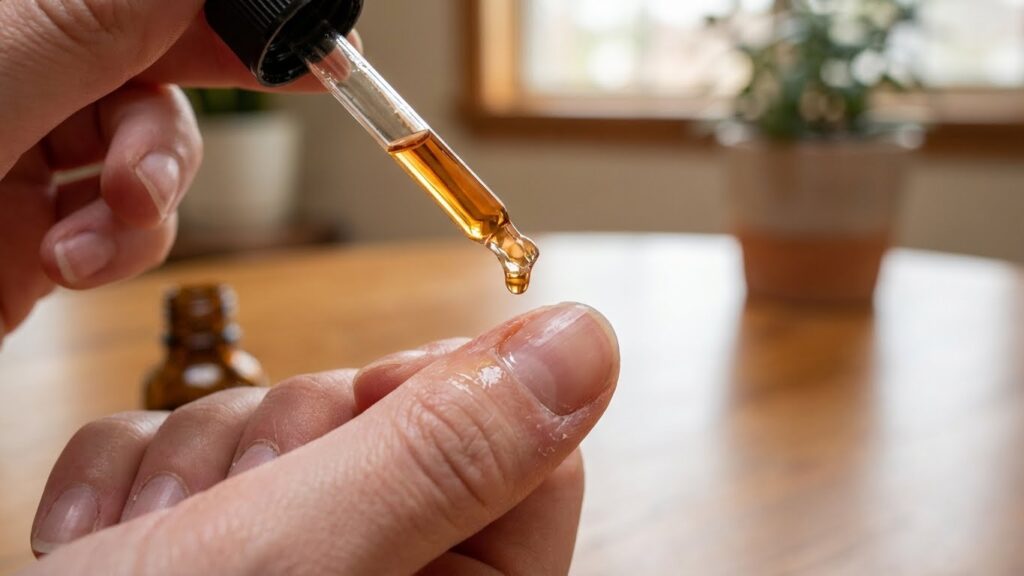
After soaking off the fake nail, gently pat your nails and skin dry with a clean towel. Use a soft nail brush to remove any loosened adhesive or debris, then wash with mild soap and water. Avoid aggressive scraping; that can thin the nail plate.
Apply a thin layer of a gentle antibiotic ointment if the skin is red or broken, or a simple moisturizer like cuticle oil or vitamin E to the nail and surrounding skin. Do this twice daily for the first week to reduce dryness and cracking.
Trim nails straight across with clean clippers if edges are jagged. File only in one direction with a fine-grit file to smooth rough edges. Do not apply polish or new enhancements for at least 3–7 days to let the nail surface recover.
How to Prevent Nail Damage
Avoid picking at the remaining adhesive or lifting layers of your natural nail. Picking increases the risk of splits, thinning, and infection. If your nail feels paper-thin, protect it with a breathable bandage when doing wet or rough tasks.
Keep nails short for 2–4 weeks while they strengthen. Use gloves for cleaning and gardening to limit water exposure and chemicals. Use a non-acetone remover when you do use polish; acetone will dry and weaken the nail.
Take a break from enhancements for at least one full nail growth cycle (about 3–4 months) if you’ve had repeated damage. Consider a biotin supplement (consult your healthcare provider) and eat protein-rich foods to support healthy regrowth.
When to Seek Professional Help
See a nail tech or dermatologist if you notice persistent redness, increasing pain, yellow or green discharge, or a bad smell. Those are signs of infection that may need prescription treatment.
If your nail is deeply split, very thin, or detached from the nail bed for more than two weeks, schedule a professional exam. A clinician can trim damaged tissue, treat infection, and advise on protective options like a temporary nail patch.
Seek immediate care if you develop fever, spreading redness up your finger or toe, or severe throbbing pain. Those symptoms can indicate a serious infection that needs urgent medical attention.
Troubleshooting Common Soak Off Challenges
Expect thicker acrylics and weak acetone to slow removal. Use safe pressure, repeat soaking, and protect skin from excess acetone.
Dealing With Stubborn Fake Nails
If acrylic or gel won’t lift after the first soak, file the topcoat gently with a 180–240 grit file to break the seal. This helps acetone penetrate. Soak each nail in 100% acetone for 10–20 minutes; if product remains, rewrap and soak another 10–20 minutes rather than force-scraping.
Use a wooden cuticle stick or metal pusher only after the product has softened. Push gently along the nail bed; stop if you feel resistance or pain. If product still resists, repeat controlled filing and a short second soak.
Consider professional help when nails are very thick, glued tips, or you feel pain. A salon e-file removes stubborn layers faster and reduces pressure on your natural nail when used by a trained technician.
Minimizing Mess and Skin Irritation
Protect skin and cuticles by applying petroleum jelly or a barrier cream around each nail before soaking. This reduces acetone contact and prevents dryness.
Use foil wraps or specialized soak-off clips to keep acetone on the nail only. Place cotton soaked in acetone over each nail, then wrap with foil; leave for 10–20 minutes and check progress. Work over a tray or towel to catch drips.
If your skin becomes red or raw, stop soaking and rinse with cool water. Apply a gentle moisturizer or cuticle oil and give nails time to recover before another removal attempt. Use gloves when handling acetone to protect hands, and ventilate the room to avoid strong fumes.
FAQs
How long will soaking take for your fake nails? It depends on the type: acrylics and hard gels usually need 15–45 minutes, while some gel polish lifts in 10–20 minutes. Thicker layers and strong adhesives can push the time toward the longer end.
Can you rush the process? No. Rushing or prying can strip layers of your natural nail. Use patience and the right method to avoid damage; the American Academy of Dermatology offers safe nail-care tips you can follow (https://www.aad.org).
What if the nails don’t come off after soaking? Rewrap with fresh acetone-soaked cotton and wait another 5–10 minutes. You can also gently use an orange stick or cuticle pusher to remove softened product. If resistance remains, stop and seek a salon or technician.
Is acetone the only option? Acetone is the fastest and most effective. Non-acetone methods like warm soapy water or oil can work but often take much longer and may not fully remove acrylics. For details on safe removal techniques, check nail-care guidance from reputable beauty or health sites (https://www.cdc.gov/healthywater).
How should you care for nails after soaking? Rinse, moisturize, and give your nails time to recover. Apply cuticle oil and a strengthening treatment if your nails feel weak. If you notice persistent pain or signs of infection, contact a professional.
Conclusion
You can expect most soak-off methods to take between 15 and 45 minutes. Thinner gel or softer product often comes off closer to 15–20 minutes. Thicker acrylics or tightly bonded systems may need 30–45 minutes or more.
If you want faster removal, use pure acetone, warm it slightly, and keep cotton and foil on the nail. Be patient; forcing the nail off can peel layers of your natural nail. Let the product soften fully before you push or lift it.
After removal, gently buff and moisturize your nails and cuticles. Apply a strengthening treatment or oil to help repair any dryness. Give your natural nails time to recover before applying another full set.
Tips to remember:
- Use pure acetone for best results.
- Protect your skin and work in a well-ventilated area.
- Stop if you feel sharp pain and seek professional help.
You control the process. Take the time and care that your nails need to stay healthy.