
You can usually expect fake nails to look and hold up for about 2–3 weeks, though acrylics and professionally applied gels can last longer with regular fills. If you want the longest, healthiest wear, plan for touch-ups every 2–3 weeks and a full replacement every 2–4 months depending on nail growth and wear.
Watch for lifting, split edges, or persistent discomfort—those signs mean it’s time to fix or remove them to avoid damage. The rest of this article shows how types, daily habits, and proper care change how long your nails last and how to keep them looking their best.
Key Takeaways
- Expect most fake nails to last about two to three weeks before needing attention.
- Regular fills and gentle care extend wear and protect your natural nails.
- Replace or remove nails when lifting, damage, or pain appears to avoid problems.
Typical Lifespan of Fake Nails
Expect different wear times depending on the material, how well they were applied, and how you use your hands. Some options hold up for a few days, while others can stay intact for several weeks with proper care.
Acrylic Nails Duration
Acrylic nails usually show noticeable growth at the cuticle in about 2–3 weeks. If you get fills, most salons recommend a refill every 2–3 weeks to keep the structure strong and prevent lifting.
Acrylics resist chipping and handle heavy tasks better than press-ons. However, rough use, frequent water exposure, or poor application shortens their life. If you avoid harsh chemicals and use gloves for chores, a set can remain functional until the next refill.
Watch for lifting, cracking, or a raised edge near the cuticle. These signals mean you need a salon visit to prevent water getting under the nail, which can cause infection.
Gel Nails Longevity
Gel nails typically last about 2–4 weeks before you notice growth at the base. The cured gel bonds to the natural nail, so chips are less common, but you may still need a touch-up or soak-off when the gap becomes visible.
Gel holds a glossier finish longer than acrylics, which keeps them looking newer for weeks. Still, heavy tapping or using your nails as tools can cause lifting or cracks sooner.
If you get a gel overlay over natural nails, it may last a little shorter than a full extension. Proper removal at a salon helps avoid thinning your natural nail.
Press-On Nails Wear Time
Press-on nails usually last 5–14 days depending on adhesive quality and daily activities. High-quality glue and proper surface prep (clean, dry nails and light buffing) push wear toward the upper end of that range.
Press-ons suit short-term events or quick style changes. They can lift faster if you wash hands often, use lotions, or expose nails to water and heat. Reapplying glue or using nail tabs can extend wear for a few extra days.
Inspect edges regularly; loose tips mean you should re-glue or remove them to avoid catching and tearing your natural nail.
Factors Influencing How Long Fake Nails Last
Different steps and habits change how long fake nails hold up. Proper application, daily care, and what you do with your hands matter most.
Application Technique
How the nail technician or you apply the nails affects longevity a lot. For acrylics and gels, your nail bed must be clean and dry. Technicians roughen the nail surface lightly and remove oils; skipping this step makes lifts and gaps more likely.
Glue quality and amount matter for press-ons. Too much glue squeezes out and weakens the bond; too little causes early lifting. For gels and acrylics, correct curing time under the lamp prevents soft spots that chip later.
Edge sealing and shaping also help. A well-sealed free edge stops water from getting under the enhancement. Proper tip fit and correct thickness across the nail prevent cracks and reduce the chance of breaks at stress points.
Nail Aftercare Practices
What you do after application extends wear time. Keep nails dry for the first hour after application to let glue or gel set fully. For salon gels and acrylics, avoid soaking in hot water right away; heat can weaken bonds.
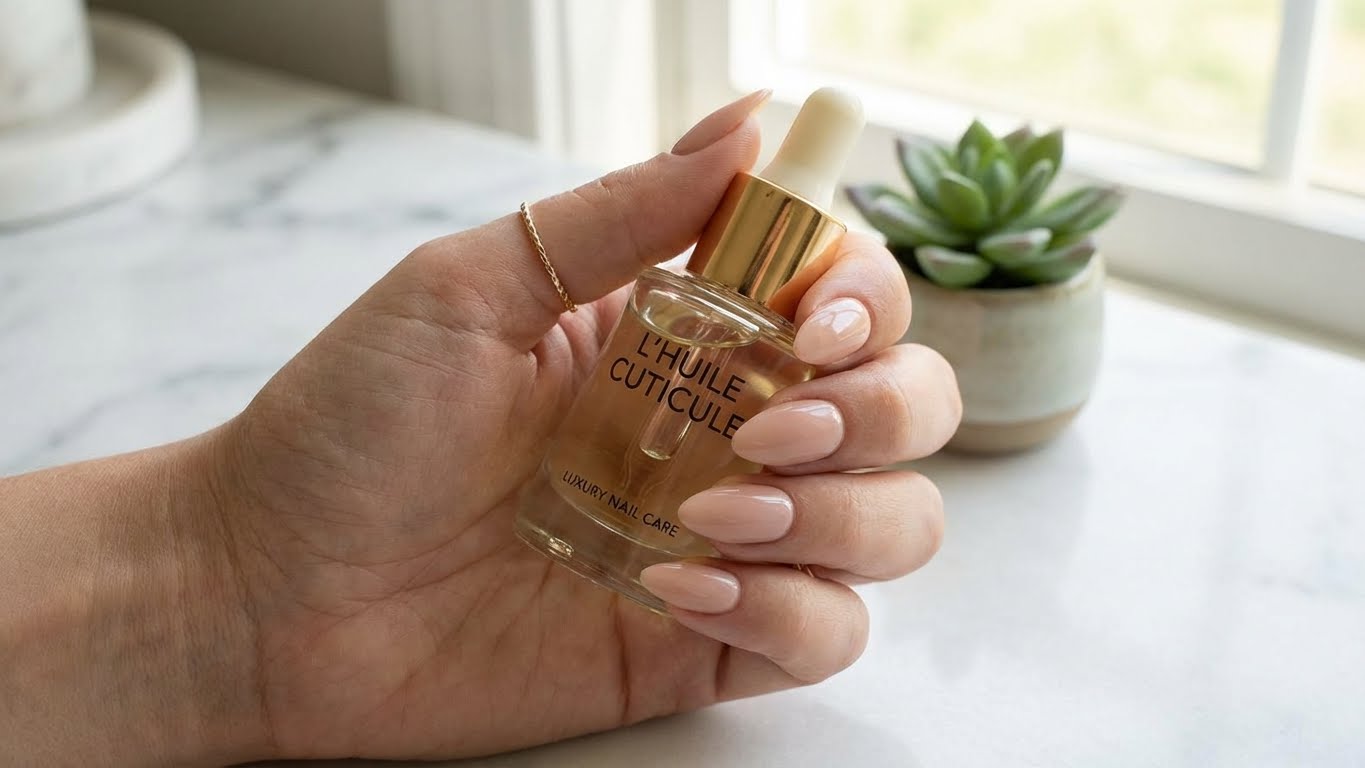
Use cuticle oil daily to keep the natural nail and surrounding skin flexible. Dry nails pull at the enhancement and raise the edges. When cleaning, wear gloves for dishes and chemicals to limit lifting and discoloration.
File only when needed and always in one direction to avoid creating tiny fractures. If a lift appears, fix it quickly with a drop of nail glue or a repair kit; small lifts grow into full lifts within days if ignored.
Individual Lifestyle Habits
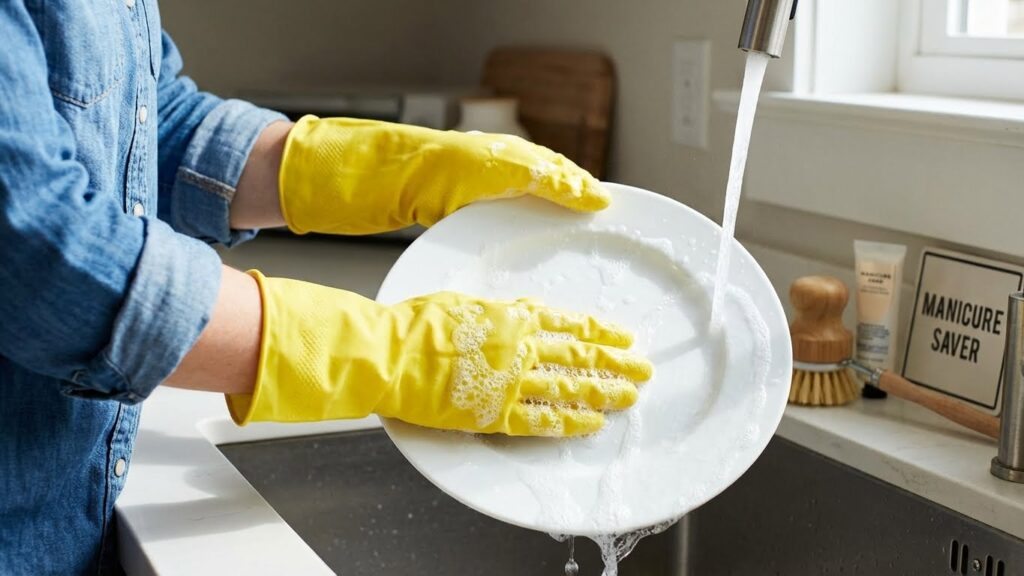
Your daily activities change wear time a lot. Frequent hand washing, gardening, or jobs that use your hands increase the risk of chips and lifts. Typing and texting alone are mild, but heavy use combined with water exposure shortens life span.
Sports and weightlifting can stress the nail tips. If you grip bars or use tools, consider shorter shapes or reinforced tips. Nail length and shape matter too—long coffin or stiletto shapes break easier than short square nails.
Health and nail growth rate affect timing for fills. If your nails grow fast, the visible gap appears sooner, making nails look old even if the enhancement is intact. If you have brittle nails, talk to your technician about products that add flexibility.
Signs It’s Time to Replace Fake Nails
Check your nails often for gaps, cracks, or major changes in fit or pain. Replace nails when you see lifting, breaks, or when growth creates pressure or infection risk.
Visible Lifting or Separation
If you notice any gap between the fake nail and your natural nail, take action. Lifting creates a pocket where water and dirt can collect. That pocket raises infection risk and makes glue weaken faster.
Small lifting at the tip can sometimes be fixed with glue, but lifting near the cuticle or along the nail plate means removal or a salon refill. Also watch for trapped moisture or a dark spot under the lifted area — that can signal fungus or bacteria. When more than one nail lifts, replacement is usually safer than repeated repairs.
Physical Damage or Breakage
Cracks, chips, or a nail snapped off are clear signs to replace prosthetics. Damaged nails can snag, tear the natural nail, and hurt the nail bed.
If a nail is cracked but still attached, remove it carefully or see a technician to prevent further tearing. A fully broken nail needs immediate removal and cleanup to avoid catching on fabrics or cutting into your skin. Replace the set if multiple nails show structural damage.
Nail Growth Impact
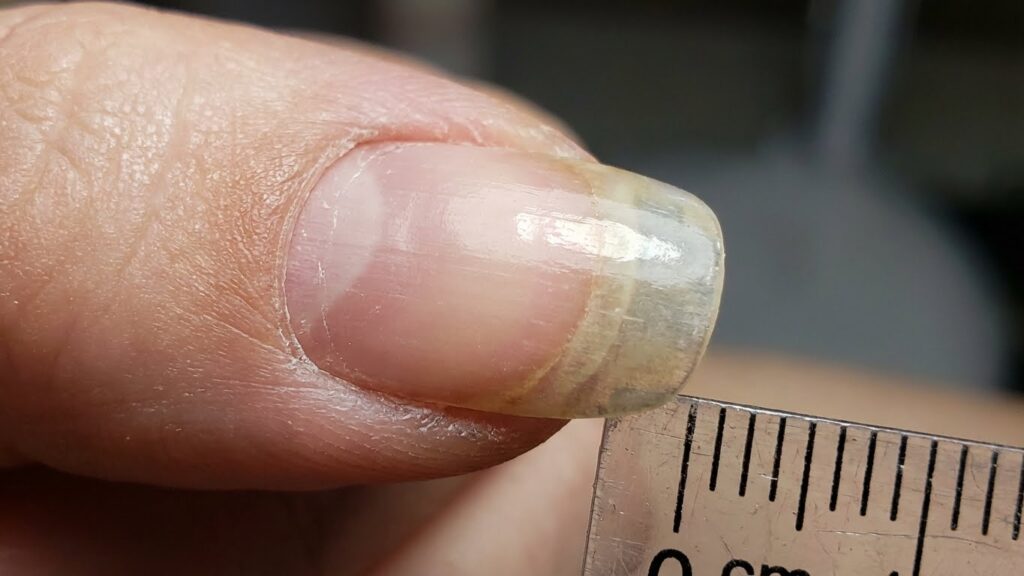
As your natural nail grows, the fake nail moves away from the cuticle and creates a gap. When the gap reaches about 2–3 millimeters, you should schedule a refill or replacement.
Growing out too long adds stress at the bond point and increases the chance of lifting or breakage. If you wear acrylics or gels, plan refills every 2–4 weeks to keep the shape and reduce damage. For press-ons, replace them once the fit no longer sits flush on the nail plate.
Maximizing the Lifespan of Fake Nails
Follow a few simple steps, use the right products, and get occasional professional help to keep nails secure and natural-looking. Clean prep, gentle daily care, and timely touch-ups make the biggest difference.
Recommended Maintenance Routines
Start with clean, dry nails before any application. Remove oils with alcohol, push back cuticles gently, and file natural nail edges so press-ons or overlays sit flat.
Wear gloves for chores that use water or chemicals. Do not use your nails as tools for opening cans or scraping labels. This prevents lifting and chipping.
Check adhesive edges daily. If you see a small gap, press it down and add a tiny drop of nail glue or a replacement adhesive tab. Keep the nail tips trimmed if you have long styles that catch on things.
Moisturize your hands and cuticles every evening. Use a non-greasy cuticle oil or lotion so the glue bond stays strong. Avoid heavy oils right before applying nails.
Products to Extend Wear
Choose a high-quality nail glue with cyanoacrylate for press-ons; it bonds faster and lasts longer than adhesive tabs. Keep a travel-size tube for quick fixes.
Use a bond-strengthening base or nail primer for acrylics and gels. These reduce lifting by improving adhesion between your natural nail and the enhancement.
Carry an emergency kit: travel glue, a few spare nails, a small nail file, and acetone wipes. This helps you repair chips or reattach nails before the damage grows.
Invest in a proper top coat for gel or acrylic sets. Reapply a thin layer every 5–7 days to seal edges and keep shine. For press-ons, a quick buff and clear top coat can extend wear by a few days.
Professional Touch-Ups
Book fill-ins for acrylics or hard gels every 2–3 weeks. A pro will remove grown-out product at the cuticle and add material to prevent lifting and stress cracks.
Ask your technician to file and shape edges rather than clipping. Proper shaping reduces snags and breakage. Show them any problem areas so they can reinforce weak nails.
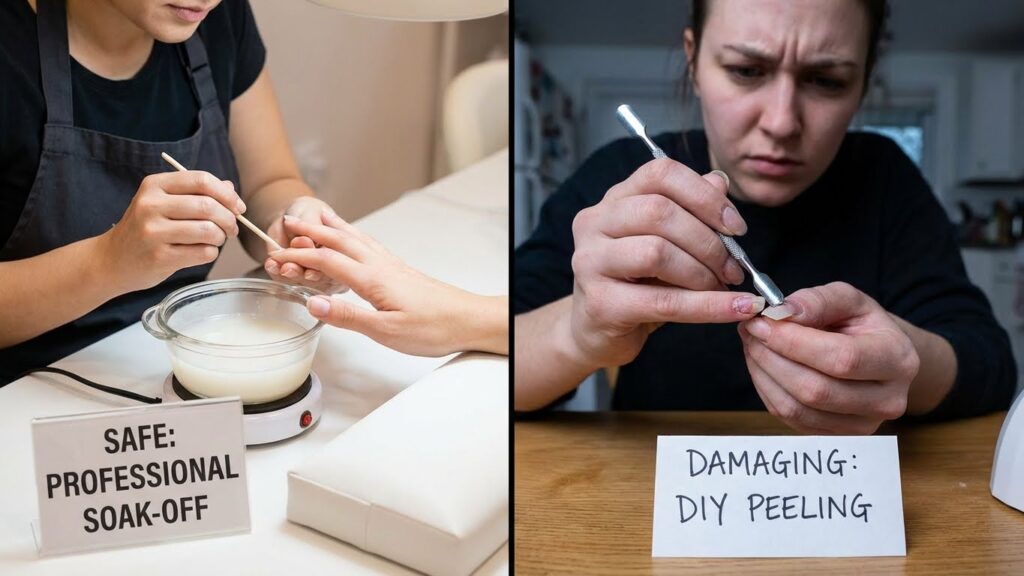
Get professional removal when you change styles. DIY removal with force can strip layers of your natural nail. A salon will soak and file off enhancements safely.
Schedule quick check-ups after any trauma to a nail. A small repair at the salon costs less than replacing a full set and keeps the rest of your nails intact.
Potential Risks of Wearing Fake Nails Too Long
Wearing fake nails for long stretches can raise three main problems: infections under the nail, weakening or permanent damage to your natural nail, and allergic reactions to glue or acrylic. Each problem can start small but become harder to treat the longer you wait.
Risk of Nail Infections
When fake nails lift or gap at the cuticle, moisture and dirt can collect under the enhancement. That trapped moisture creates a breeding ground for bacteria and fungi. You might first notice pain, swelling, a yellow or greenish spot under the nail, or a foul odor.
If an infection sets in, a nail technician may need to remove the enhancement, and a doctor might prescribe topical or oral medication. Ignoring early signs can lead to a deeper infection that damages the nail bed and slows healing. Keep nails dry, fix lifts quickly, and avoid cutting into or picking at the gap.
Damage to Natural Nails
Long-term wear and repeated fills weaken the natural nail plate. Glue removal, filing, and soaking in acetone strip oils and proteins from the nail, causing brittleness, thinning, and peeling. You may see ridges, horizontal splits, or nails that break near the base.
Frequent mechanical stress from long tips or heavy designs also stresses the nail matrix where growth starts. That stress can slow growth or cause uneven growth lines. Give your nails a break every 2–3 months, trim long tips, and use a strengthening oil to help restore flexibility and hydration.
Allergic Reactions
Acrylic powder, methacrylates in adhesives, and some nail primers can trigger contact dermatitis. Symptoms include red, itchy skin around the nail, blistering, or swelling of the fingertips. Reactions can appear immediately or after repeated exposure.
If you develop a rash, stop using the product and see a dermatologist. A patch test can identify the specific chemical causing the allergy. Once sensitized, you might react to the same chemicals in other salons or products, so choosing hypoallergenic brands or alternative methods can reduce risk.
When to Seek Professional Nail Care
If your fake nails lift, crack, or separate from the nail bed, see a pro right away. Lifting can trap moisture and bacteria, which raises the risk of infection. A technician can remove or repair nails safely.
Notice redness, swelling, pain, or pus around your nails? Those are signs of infection. Stop using at-home glues or tools and get professional care to avoid worsening the issue.
If you get frequent breaks or recurring lifting, book a refill or reshaping appointment. A skilled nail tech can rebalance the nail, fix the fit, and suggest a different enhancement type if needed.
Consider professional removal if you used strong glue or acrylics. DIY removal can thin or damage your natural nails. A salon will remove layers gently and may offer treatments to restore nail strength.
Want a longer-lasting set or have an active job? Ask a technician about more durable options like acrylics or gel overlays. They can tailor the application and aftercare tips to your lifestyle.
If you’re unsure whether a problem is cosmetic or medical, consult both a nail professional and a healthcare provider. This protects your nail health and helps you choose safe, lasting options.
FAQs
How long should fake nails last on you? It depends on the type. Press-ons often last 1–2 weeks with good prep and glue, while gel and acrylic nails usually hold up for 2–3 weeks before a fill or touch-up is needed. Your daily activities and nail prep change that timeline.
Will fake nails damage your natural nails? They can, if removed or applied incorrectly. Always follow safe removal steps and consider professional help; the CDC and nail-care pros recommend gentle removal and regular breaks to help nails recover (see CDC skin safety guidance).
How can you make them last longer? Prep your natural nail by cleaning and lightly buffing the surface, use quality adhesive or a professional application, and avoid soaking hands in hot water for long periods. Regularly check edges and re-glue a loose tip quickly to prevent lifting.
What if a nail lifts or breaks? Don’t peel it off. Trim or file the lifted edge and reattach with glue or visit a salon to fix it. If you notice pain, redness, or discharge, stop using the nail and see a clinician.
Are at-home kits as good as salon services? Many at-home kits work well for press-ons and simple gel systems, but salon applications usually last longer because of professional prep and tools. Choose what fits your budget, skill, and how long you need the nails to last.
Conclusion
Choose the nail type that fits your life and goals. Press-ons work well for short events and changeups, gels and acrylics suit longer wear and stronger looks.
Watch for lifting, gaps, or pain. These signs mean you should remove or refill the nails to avoid damage or infection.
Care extends wear time. Keep nails dry, avoid harsh chemicals, and use proper glue or salon products to help them last longer.
Plan regular upkeep. Short touch-ups every 2–3 weeks for gels or acrylics, and glue or adhesive refreshes for press-ons, keep nails looking fresh.
If your natural nails hurt or show signs of damage, stop and consult a pro. A nail technician can recommend safe removal and recovery steps.
Quick reference
- Press-ons: 5–21 days with care.
- Gel/acrylic: 2–6 weeks before touch-up or fill; replace every 3–4 months to reduce risk.
- Signs to remove: persistent pain, swelling, or dark spots under the nail.
Make choices that protect your natural nails. With proper application, care, and timely removal, you can enjoy fake nails without long-term harm.