
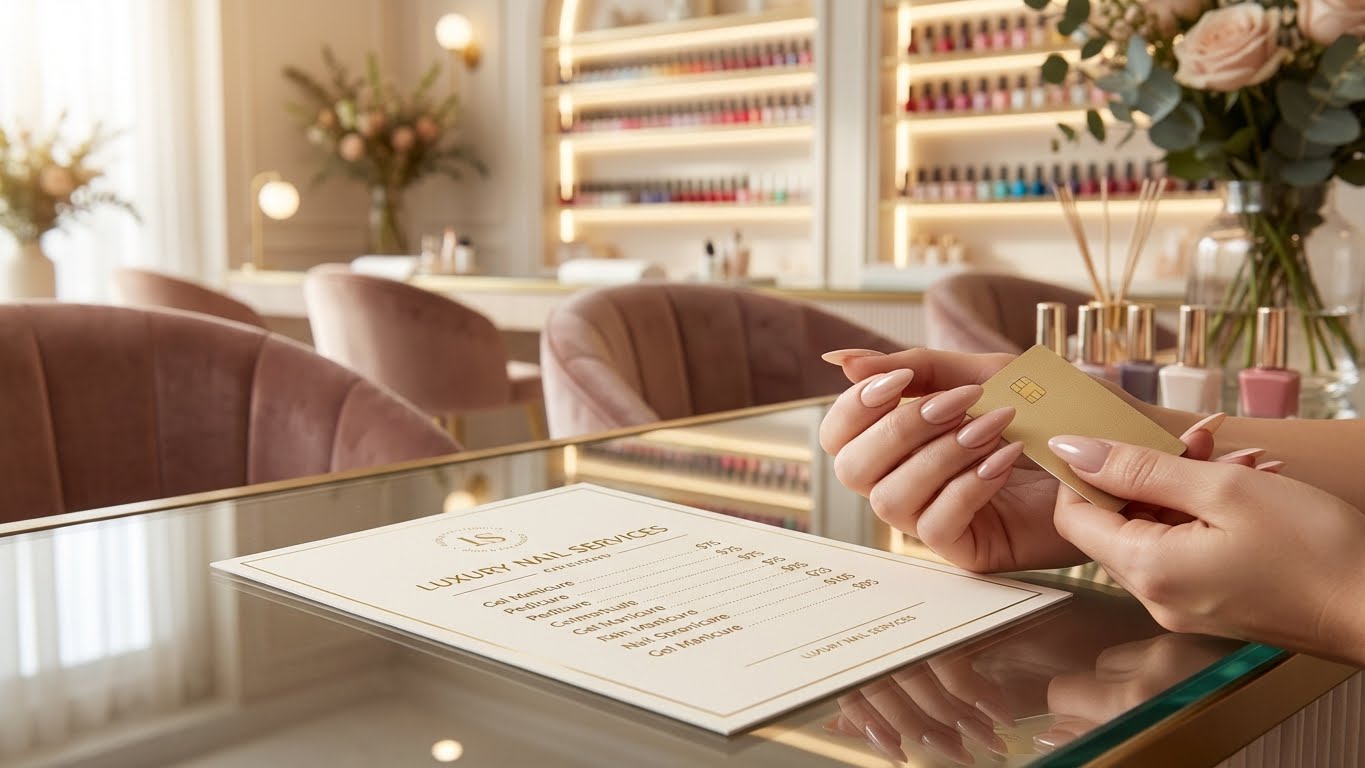
You can get a basic set of fake nails for as little as $20–$40, while salon-quality acrylics or detailed designs usually run $30–$150 or more depending on style and location. Most people pay roughly $30–$60 for a standard acrylic set, with fills costing about $20–$40 every 2–3 weeks.
If you want cheaper options, press-ons or DIY kits cut the price and let you change looks at home. If you want long-lasting, custom designs, expect higher upfront and maintenance costs.
Key Takeaways
- Expect low-cost sets around $20–$40 and salon averages near $30–$60.
- More intricate styles and premium salons raise both initial and upkeep costs.
- DIY and press-on options save money, while fills and repairs add recurring expenses.
Average Cost of Fake Nails
Expect to pay from about $20 up to $150 depending on material, salon location, and how much design work you want. Basic sets land at the low end; custom art and high-end salons push prices higher.
National Pricing Trends
You’ll see wide regional differences. In smaller towns, a basic acrylic set often costs $20–$40. In mid-sized cities, expect $30–60 for a standard acrylic set. Major metro areas and luxury salons commonly charge $70–100+ for full sets.
Labor rates and rent drive most of the gap. Tourist areas and upscale neighborhoods add premium fees. Peak times like weekends and holidays can mean higher prices or required deposits. Always check technician experience—more skilled techs usually charge more.
Price Ranges by Nail Type
Different materials change the price you pay. Typical ranges:
- Acrylic full set: $30–60 (budget) to $100+ (high-end).
- Gel full set: $40–80 typical.
- Dip powder: $35–70.
- Press-on custom sets: $10–50 depending on quality and custom art.
Length and shape add cost. Long or sculpted tips often add $10–30. Complex nail art, rhinestones, chrome, or hand-painted designs can add $15–$75 or more per hand. Ask for a price list before booking.
Cost Breakdown Per Appointment
A single appointment may include several line items:
- Full set base price (material + application)
- Add-ons (art, tips, length, finishes)
- Fill or maintenance (usually 2–4 weeks; $15–40)
- Removal (salon removal $5–30 if done professionally)
Example: a $50 acrylic set + $25 intricate art + $20 long-tip fee = $95 at checkout. Tipping is customary; budget 15–20% of the total service. If you plan regular fills every 2–3 weeks, multiply the fill cost by the number of visits to estimate monthly spending.
Types of Fake Nails and Their Prices
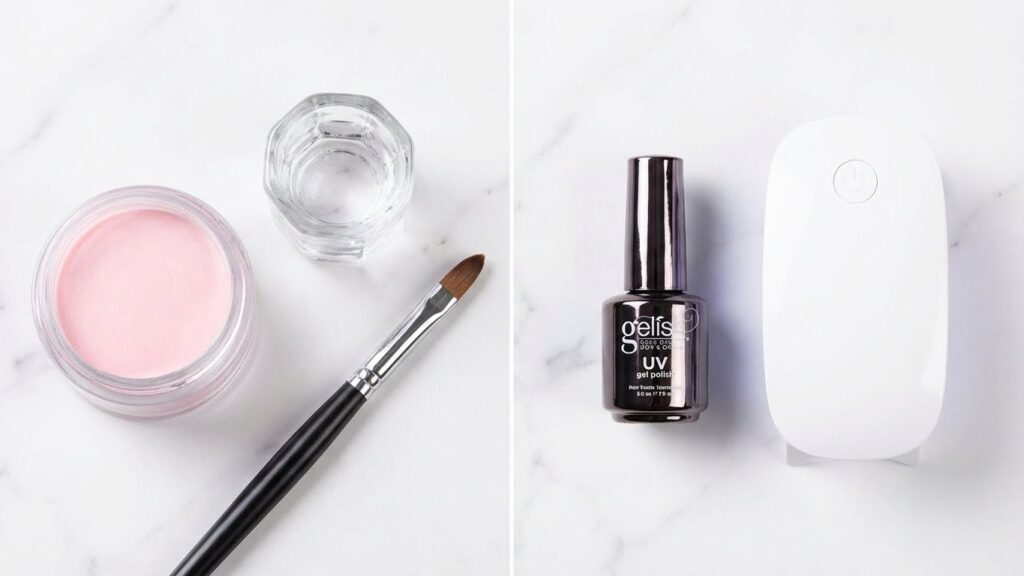
You’ll find big price differences based on the material, salon location, and how long the nails last. Expect acrylics to be cheapest up front, gels to cost more for a natural look, and dip powder to sit between them in price and durability.
Acrylic Nails Pricing
Acrylic full sets usually run from about $30 to $70 at most salons. Basic colors and short lengths sit near the lower end; longer nails, sculpted shapes, or detailed art push the price toward $100 or more.
Fills (every 2–3 weeks) generally cost $20 to $45. Removal can be $10–$25 if the salon does it. Acrylics are low-cost but need frequent fills and careful removal to avoid nail damage.
If you choose premium brands or custom nail art (glitter, chrome, gems), add $10–$40. Tip: ask for an itemized price before the appointment so you won’t get surprised by add-on charges.
Gel Nails Pricing
A full set of hard gel or soft gel extensions typically costs $50 to $120. Gel gives a more natural, glossy finish and can be thinner than acrylic, which is why salons charge more.
Gel fills usually run $25 to $60 every 2–3 weeks. Removal costs mirror acrylic removal, about $10–$30, though soak-off gels can be gentler on natural nails. Complex art, overlays, or builder gels increase the price by $10–50.
If you prefer gel polish (not extensions) over natural nails, expect $25 to $45 for a polish application that lasts 10–14 days. Ask whether the salon uses LED curing and which gel brands they carry for best results.
Dip Powder Nails Pricing
Dip powder full sets commonly cost $35 to $80. This method uses a colored powder layered over a base and sealed with topcoat. It often lasts longer than polish and can feel lighter than acrylic.
Refills or maintenance cost about $25 to $50 every 2–4 weeks. Removal is usually $10–$25, similar to acrylic and gel. Prices rise if you want extended length, stamped designs, or specialty powders like chrome or holographic.
Dip is a good middle ground if you want stronger nails than polish but less thickness than acrylic. Check whether the salon files the nail seam and uses quality primers to reduce lifting.
Factors Influencing the Cost of Fake Nails
Location, technician skill, and the level of decoration drive most price differences. Materials, time spent, and how often you need fills or removals also affect what you pay.
Salon Location Impact
Where you get nails done changes the base price a lot. Salons in downtown areas or large cities often charge 25–100% more than salons in suburbs or small towns because rent and operating costs are higher.
If a salon is in a luxury shopping district, expect higher hourly rates and a price premium for brand-name products. Neighborhood salons or independent technicians usually offer lower starting prices but may add fees for specialty products.
Tip: Compare prices by zip code and check whether listed prices include tips, polish, or removal. Travel time and convenience—like late hours or easy parking—can justify a slightly higher fee.
Technician Experience and Reputation
Experience matters for quality and price. A senior nail tech with 5–10+ years and a strong social media portfolio commands higher fees than a beginner. You pay more for steady application, complex shapes, and longer-lasting sets.
Reputable technicians often use higher-grade gels and brands and follow strict sanitation, which can add 10–30% to the cost. Reviews and photos help you judge value; look for consistency in finished work, not just one-off designs.
If you want a specific nail artist, expect appointment deposits or a premium for guaranteed time. For big events, hiring a top tech reduces risk of mistakes but raises the bill.
Design Complexity and Add-Ons
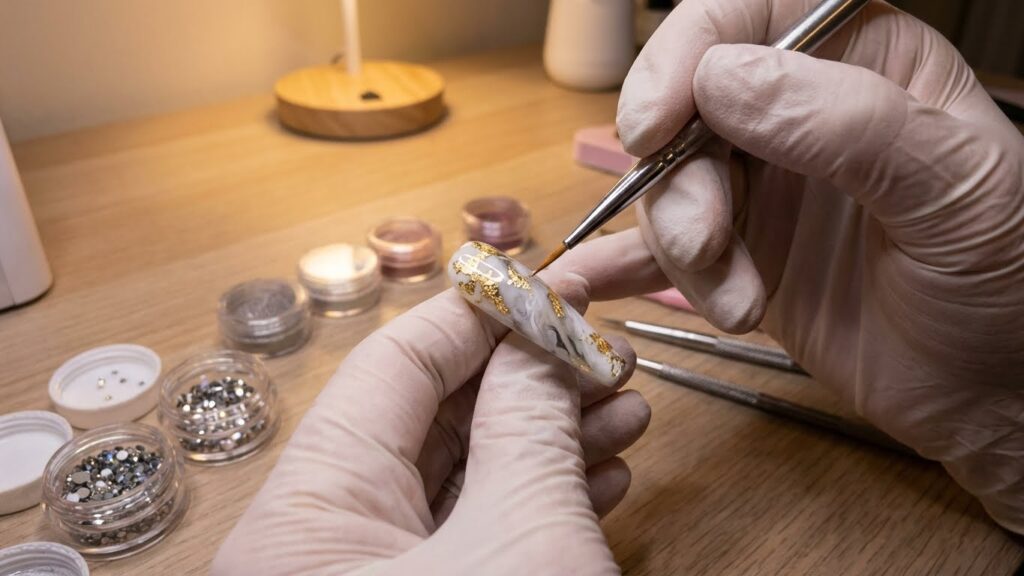
Simple full-sets cost less than intricate work. Plain acrylic or gel sets with solid color run at the low end. Adding ombré, hand-painted art, 3D elements, chrome, or gemstone details increases labor and materials, often adding $10–$75 or more per set.
Length and shape also affect price; extreme lengths or sharp stiletto shaping take more time and reinforcement. Add-ons like nail repairs, tip replacements, or specialty polishes (builder gel, dip powder brands) carry separate charges.
Ask for an itemized estimate before the service so you know what each design choice costs. That lets you pick only the extras that matter to you.
Initial Application vs. Fill-In Costs
Initial application prices are higher than fills because they include full sculpting, shaping, and materials. Fills cost less but come more often and add up over time.
Full Set Application Fees
A full set usually runs from about $25 to $95 at most salons in the U.S., with common ranges of $40–$90 depending on method. Acrylic or dip powder full sets often cost $40–$60. Gel extensions and complex sculpted sets typically land $50–$90 or more.
You pay for labor, length, and design complexity. Simple colors and short lengths sit at the low end. Long tips, hand-painted art, or specialty finishes raise the price.
Salons in big cities or high-end shops charge more. Ask for a price list before booking so you know if removal or added nail art costs extra.
Recurring Maintenance Charges
Fill-ins (fills) usually cost $20–$65 in the U.S., depending on growth, repairs, and whether the salon charges for additional polish or repairs. Typical fills for acrylics and gels fall between $20 and $60.
Frequency matters: most fills are needed every 2–3 weeks. If you get fills every three weeks at $40, your monthly average equals about $53 per month just for maintenance. Repairs or full removals add one-time fees, often $10–$40.
You can reduce cost by choosing simpler designs, extending time between fills, or using press-ons between salon visits. Always confirm refill policies and exact fees when you book.
Additional Costs and Upgrades
Expect extra charges for detailed art, longer or sculpted lengths, and premium treatments. Prices change by design complexity, nail length, and added spa services.
Nail Art and Custom Designs
Small accents like a single glitter or rhinestone usually add $2–$5 per nail. Full-hand designs, such as hand-painted florals or detailed patterns, commonly range from $30–$80 depending on time and artist skill. Stickers and simple stamping cost less, often $5–$20 for a set.
Complex additions like chrome powders, encapsulated designs, or 3D sculpted elements require more time and materials. Ask the salon for an itemized price list and estimated time before the appointment. If you want matching art on each nail, expect the higher end of the price range.
Length and Shape Modifications
Short acrylic or gel extensions cost less than long, sculpted sets. Most salons charge extra for extra-long tips—typically $10–$30 more—because they use more material and take longer to shape. Changing to dramatic shapes like stiletto or coffin can also add labor costs.
If you bring your own tips or use specialty materials (clear builder gels, dual forms), tell the technician ahead of time. Fills for long nails tend to cost more too; plan on $20–$45 per fill depending on length and condition.
Luxury and Spa Upgrades
Upgrades like paraffin dips, hot-oil treatments, or long-lasting topcoats run $5–$25 each. A gel polish over extensions or a soak-off acrylic removal before a new set may add $10–$40. Some salons offer “deluxe” packages that bundle massage, exfoliation, and longer cuticle work for $30–$70 extra.
High-end brands or LED-curing systems can increase the base price. If you want calming extras—aromatherapy, extended hand massage, or luxury brands—ask for a full price list so you can compare add-on costs before booking.
Home Application Versus Salon Costs
You’ll see big price differences between doing fake nails at home and getting them at a salon. Home kits cost less upfront, but salons charge more for skill, durability, and complex designs.
DIY Kits and Their Price Points

DIY kits range from budget to pro. Basic press-on kits cost about $5–$20 and include nails, glue, and simple instructions. Starter acrylic or gel kits run $25–$80 and add liquid monomer, powder, brushes, or a small LED lamp. Mid‑range kit brands with better tools and reusable tips usually sit at $40–$100.
Think about replacement parts and extras. You may need nail glue refills, buffers, nail files, and acetone remover. If you want long-term use, a quality LED lamp ($20–$60) and good clippers or forms will raise the initial spend but lower per‑set cost over time.
Hidden Costs of At-Home Application
At-home work can add surprise costs you might miss at first. Mistakes often mean you buy more supplies: extra glue, replacement tips, or nail solution. A botched set can require acetone and cotton, or even a salon fix that costs $20–$50.
Time and durability matter too. Poor application shortens wear, so you may redo sets more often. Also factor in sanitation: isopropyl alcohol, clean tools, and storage add $5–$30 annually. If you upgrade designs, nail art supplies or special polishes will push total costs closer to salon prices.
Savings Strategies for Fake Nails
You can cut costs by using salon deals, memberships, or choosing cheaper nail types and simpler designs. Small choices like timing, product swaps, and fill schedules make a big difference in long‑term spending.
Promotions and Memberships
Look for recurring deals and loyalty programs at salons you visit. Many salons offer a first‑time client discount, weekday or slow‑day specials, and email coupons for future visits. Ask about punch cards or points systems; after a set number of visits you often get a free or discounted service.
Consider monthly memberships if you get nails done every 2–3 weeks. Memberships can lower per-visit prices for fills, basic gels, or polish changes. Read the fine print: check cancellation rules, included services, and whether upgrades (art, length) cost extra.
Use local deal sites and social media to find flash sales from new or independent techs. Booking during off-peak hours can also score lower prices without lowering quality.
Choosing Affordable Options
Pick nail types that match your budget and maintenance plan. Press-on nails or basic gel polish cost much less upfront than full acrylic or sculpted sets. If you like acrylics, opt for a basic full set with neutral color rather than custom art to save $15–$50.
Limit expensive add-ons like 3D art, chrome, or frequent length changes. Ask for single-color fills and keep tips short; short nails need less product and shorter salon time. Space out fills by 2–3 weeks instead of 1–2 weeks when safe for nail health.
Shop for quality DIY kits for touch-ups at home. A simple glue-on kit or at-home gel lamp can extend time between salon visits and cut yearly costs without sacrificing looks.
Long-Term Value and Maintenance Expenses
Expect ongoing costs beyond the initial set. Regular fills, repairs, and safe removal add up, and supplies like cuticle oil help keep your natural nails healthy.
Cost of Repairs and Removal
Repairs usually cost $5–$30 per nail depending on damage and salon rates. A chipped or cracked acrylic might be $10–$20 to fix, while a full replacement of one nail can reach $25–$30.
If you wait too long between fills, you may need a full set replacement. Full removals at a salon cost $10–$40, depending on whether soaking or professional filing is used. DIY removals with acetone are cheaper but risk damage if done incorrectly.
Keep a small emergency budget of $20–$50 for unexpected fixes. Ask your technician about their repair policy; some salons include minor fixes within a week.
Budgeting for Ongoing Nail Care
Plan for fills every 2–3 weeks. Typical fill costs range from $20–$60, so expect monthly maintenance of about $40–$120. Gel and acrylic fills can vary by salon and length.
Add costs for routine items: cuticle oil ($5–$15), a gentle hand cream ($5–$25), and occasional strengthening treatments ($10–$30). If you choose frequent nail art, budget an extra $5–$40 per visit.
Track your expenses for three months to see your real monthly average. That helps decide whether salon upkeep fits your budget or if press-ons and DIY kits would be more cost-effective.
FAQs
What will fake nails cost you? Prices usually range from about $20 to $150 for a full set, depending on type and salon. Acrylics tend to sit on the lower end, while gel and dip powder can cost more.
How often do you need fills and what do they cost? Fills are typically needed every 2–3 weeks and cost less than a full set. Expect refill prices around $15–$50 depending on salon and nail length.
Can fake nails damage your natural nails? They can if you skip proper removal or use harsh products. Follow safe removal methods and give your nails a break if you notice thinning or pain. The American Academy of Dermatology has guidance on nail health you can check for care tips.
Should you tip and what other fees might appear? You should plan to tip 15–20% for salon work. Extra fees can come from detailed nail art, length extensions, and frequent maintenance.
Are press-on and DIY kits worth it? Press-ons and at-home kits cost much less upfront and work fine for short-term wear. For longer-lasting or intricate designs, a professional salon gives stronger results and longer wear. The CDC and dermatology sources offer safe-use tips if you try at-home options.
Conclusion
You can expect to pay anywhere from about $20 to $100+ for a full set of fake nails, depending on type, length, salon, and design. Basic acrylics sit near the low end, while custom gels, intricate art, or high-end salons push prices higher.
Think about ongoing costs too. Fills or maintenance typically run $15–$40 every 2–3 weeks, and removals can add a small fee if not included.
Match the service to your budget and lifestyle. Choose shorter or simpler styles to save money, or pick premium options when you want longer-lasting or more detailed work.
Use this quick checklist before booking:
- Confirm base price for a full set.
- Ask about refill and removal fees.
- Check whether tips, glue, or nail art cost extra.
You’ll get the best value by comparing local salons, reading reviews, and asking clear questions about what’s included.