
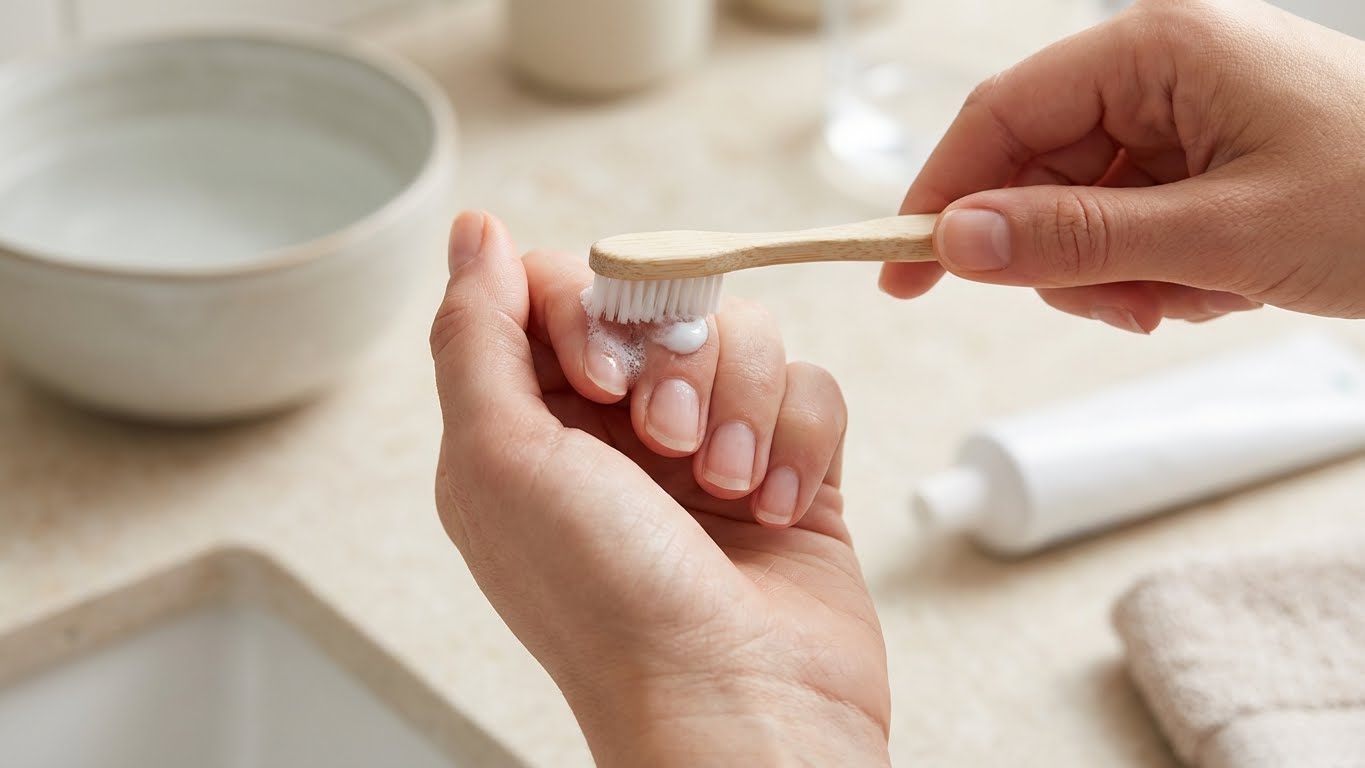
Keeping nails clean and bright is important for a neat and healthy appearance. Toothpaste can be an easy and effective tool for cleaning nails because it contains mild abrasives and whitening agents. Using toothpaste helps remove stains and discoloration from nails, making them look fresher and whiter.
This simple method involves applying a small amount of toothpaste to the nails and gently scrubbing to lift dirt and yellowing. It is a quick and inexpensive way to improve the look of nails at home without harsh chemicals.
Being careful with the amount of pressure used during cleaning can protect the nails from damage. With a few easy steps, anyone can achieve cleaner, brighter nails using a common household item.
Key Takeaways
- Toothpaste removes stains and brightens nails effectively.
- Gentle scrubbing is important to avoid nail damage.
- This method offers a simple, affordable way to clean nails at home.
Why Use Toothpaste to Clean Nails
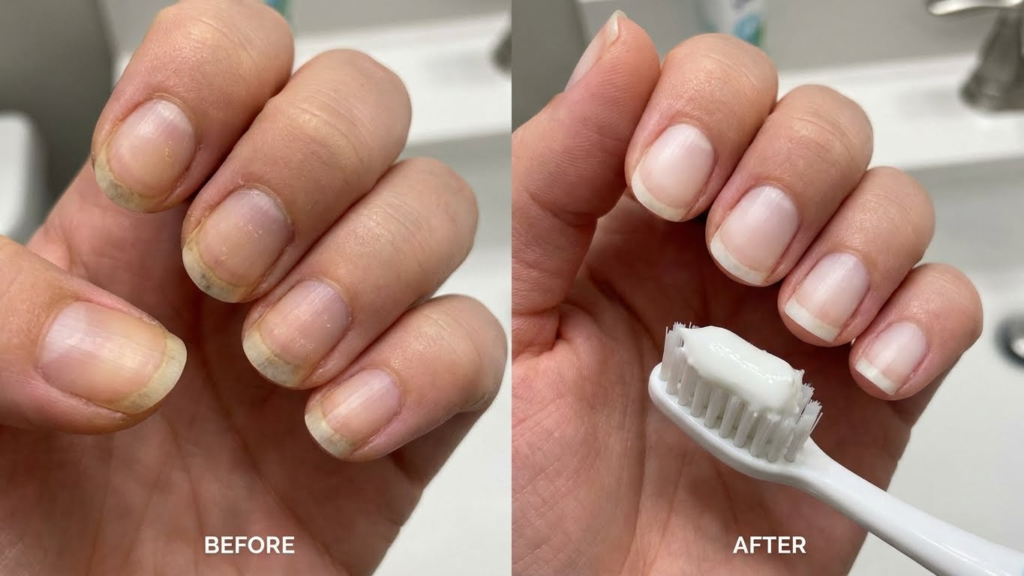
Toothpaste is a simple and effective option for cleaning nails. It contains ingredients that help remove stains and brighten nails without harsh chemicals. People often find it an easy way to improve nail appearance using something already at home.
Benefits of Toothpaste for Nail Cleaning
Toothpaste has mild abrasives that scrub away dirt and surface stains from nails. It can brighten yellow or dull nails, making them look cleaner and healthier. Unlike strong nail whitening products, toothpaste is gentle and less likely to cause irritation.
It’s also affordable and easy to use. Many people appreciate that toothpaste is a common household item, so no special purchases are needed. Additionally, it leaves a fresh scent and can improve the overall cleanliness of nails when combined with regular nail care habits.
Common Ingredients That Remove Stains
Toothpaste usually contains ingredients like baking soda, hydrogen peroxide, and mild abrasives.
- Baking Soda: Helps break down stains safely.
- Hydrogen Peroxide: Acts as a bleaching agent to lift yellowing.
- Mild Abrasives: Gently polish the nail surface.
These ingredients work together to clean and brighten nails by removing discoloration caused by dirt, tea, smoke, or nail polish residue.
Comparison to Other Nail Cleaning Methods
Toothpaste offers a convenient alternative to using stronger chemicals or specialized nail products. Compared to bleach or harsh nail cleansers, toothpaste is less damaging and easier to use for daily care.
Many other nail cleaning methods involve expensive tools or require frequent salon visits. Toothpaste, however, can be applied quickly at home and rinsed off without extra effort. While it brightens nails effectively, it does not promote nail growth, so it should be used alongside good nail hygiene and moisturizing for the best results.
Preparing to Clean Nails With Toothpaste
Before using toothpaste to clean nails, it is important to pick the right type, gather the necessary tools, and follow safety measures. Proper preparation helps ensure the process is effective and gentle on nails and skin.
Choosing the Right Toothpaste Type
Using the correct toothpaste is key for cleaning nails well. Whitening toothpastes work best because they contain mild abrasives and ingredients like baking soda or hydrogen peroxide. These help remove stains and brighten the nail surface without causing damage.
Avoid toothpastes with strong gels, heavy dyes, or extra flavors, as they may irritate the skin or not clean nails properly. Plain whitening toothpaste with natural ingredients is a safe and effective choice for nail cleaning.
Essential Tools and Materials
Having the right tools makes the nail cleaning process easier and more effective. The basic items needed are:
| Tool/Material | Purpose |
|---|---|
| Soft toothbrush | To gently scrub the nails |
| Cotton pads or cloths | For wiping off toothpaste residue |
| Warm water | For rinsing after scrubbing |
| Nail file or buffer | Optional, for smoothing nail surface |
| Moisturizer or cuticle oil | To hydrate the skin after cleaning |
These simple materials help remove dirt and stains efficiently without harming nails or skin.
Pre-Cleaning Safety Tips
Proper safety steps protect nails and skin. First, check for cuts, sores, or infections on and around the nails. Avoid toothpaste if any wounds are present to prevent irritation.
Wash hands with soap and water before starting to remove loose dirt. Test a small amount of toothpaste on the skin to check for allergic reactions or sensitivity. If redness or discomfort appears, do not proceed.
Finally, avoid harsh scrubbing. Use gentle circular motions with a soft brush to protect the natural nail and skin from damage during cleaning.
Step-by-Step Guide to Cleaning Nails With Toothpaste
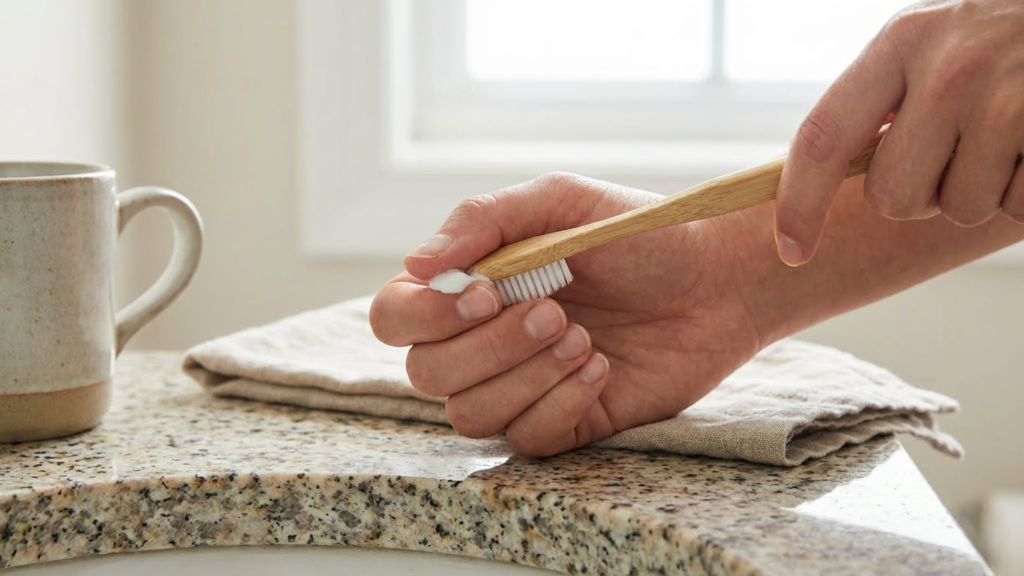
Cleaning nails with toothpaste involves applying the right amount of toothpaste, using the correct brushing method, and properly rinsing and moisturizing afterward. Each step plays a role in removing stains and brightening nails without causing damage.
Applying Toothpaste to Nails
Begin by removing any nail polish and washing hands with soap and water. This clears dirt and oils that can block the cleaning action.
Next, apply a pea-sized amount of whitening toothpaste directly onto each nail. Avoid using gel or colored toothpaste, as they may not have the necessary mild abrasives for cleaning.
Using a toothbrush or a small nail brush is best. Toothpaste should cover the nail surface evenly but not excessively to prevent mess.
Brushing Technique for Best Results
Use a soft-bristled toothbrush or nail brush for gentle scrubbing. Move in small circular motions on each nail to loosen dirt and stains.
Focus on the edges and underneath the nail tip where buildup often hides. Spend about 2 minutes brushing each hand.
Avoid vigorous scrubbing to protect the nail surface. Mild pressure is enough to let the toothpaste abrasives work without damaging the nail or skin.
Rinse and Moisturize After Cleaning
Once brushing is complete, rinse nails thoroughly with warm water to remove all toothpaste residue. Leftover toothpaste can dry out skin or cause irritation.
Dry hands gently with a clean towel. Apply a moisturizer or cuticle oil to restore hydration to nails and skin.
This final step keeps nails healthy and prevents dryness that toothpaste use can sometimes cause. Repeat this process 1-2 times a week for clean, brighter nails.
Tips for Effective Nail Cleaning
Cleaning nails with toothpaste requires attention to frequency and proper care to prevent damage. Using the right type of toothpaste and knowing how often to apply it will keep nails brighter without weakening them.
How Often to Clean Nails With Toothpaste
Toothpaste cleaning should not be done daily. It is best to limit the treatment to once or twice a week. This helps avoid wearing down the nail surface because toothpaste contains mild abrasives that, if used too often, can make nails brittle.
Using toothpaste too frequently may cause dryness or irritation around the nails. After cleaning with toothpaste, it is a good idea to moisturize the nails and cuticles to maintain hydration.
Choosing a toothpaste with mild abrasives and avoiding gel or whitening-specific formulas helps reduce the risk of over-scrubbing. This routine supports maintaining a cleaner, brighter nail look without harsh effects.
Avoiding Damage to Nail Surfaces
Preventing nail damage starts with using toothpaste gently. Instead of scrubbing hard, a soft toothbrush or cloth should be used to apply toothpaste in small, circular motions on the nail surface.
It is important to avoid harsh or whitening toothpaste that contains strong chemicals like high levels of hydrogen peroxide or bleach. These can make nails fragile and cause peeling.
Rinsing nails thoroughly after cleaning removes any leftover toothpaste residue, which can be drying. Pairing this method with regular nail care—such as trimming, moisturizing, and keeping nails away from harsh chemicals—helps maintain healthy nails over time.
Potential Risks and Precautions
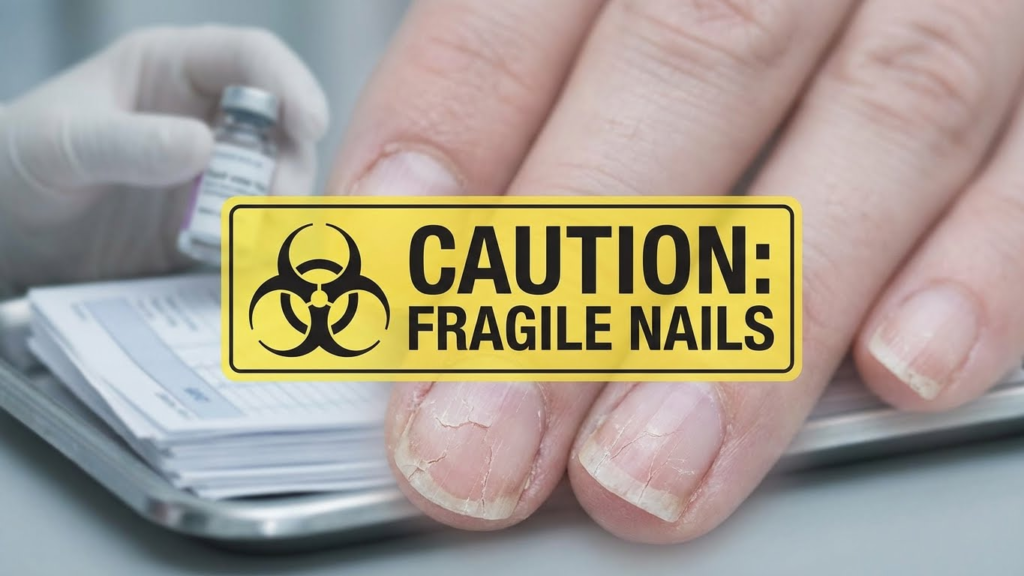
Using toothpaste on nails can improve their appearance, but it is important to be aware of possible side effects and when to avoid this method. Some toothpaste ingredients may cause irritation or worsen nail issues, especially if nails are already damaged.
Potential Side Effects of Toothpaste on Nails
Toothpaste contains mild abrasives and whitening agents that help clean nails, but these ingredients can sometimes irritate the skin around nails. People with sensitive skin may notice redness, dryness, or itching after using toothpaste. This reaction happens due to ingredients like fluoride or certain detergents in the toothpaste.
Repeated or excessive use can also cause the skin to become dry. It is best to apply toothpaste carefully and rinse it off after a few minutes. If irritation occurs, stop using toothpaste and try a gentler nail cleaning method. Testing on a small skin area before applying widely can help prevent a bad reaction.
Not Recommended for Damaged Nails
Toothpaste is not suitable for nails with cracks, cuts, or infections. The mild abrasives may worsen damage by rubbing harshly against the fragile nail surface. Applying toothpaste to broken skin can increase pain and the risk of infection.
People with fragile or damaged nails should avoid using toothpaste and seek proper treatment for the underlying issue. Cleaning with soap and water or using gentle nail care products is a safer choice in such cases. If unsure, consulting a dermatologist or healthcare provider is recommended before trying home remedies like toothpaste.
Maintaining Clean and Healthy Nails
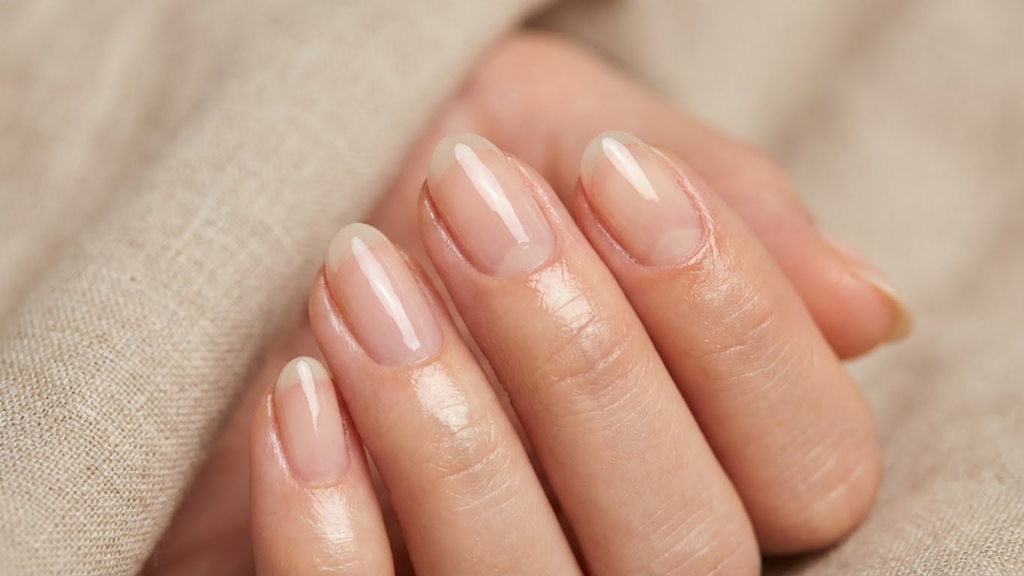
Keeping nails clean and healthy requires regular care and simple habits. Toothpaste can be used as a mild cleaner because it contains gentle abrasives and agents that help remove stains and brighten nails. Applying a small amount on nails and scrubbing gently with a brush helps get rid of dirt and bacteria, especially under the nails where germs often hide.
Besides cleaning with toothpaste, trimming nails properly is important. Nails should be cut straight across and filed gently to avoid sharp edges or snags. This prevents nails from breaking or splitting. Using clean, sharp nail clippers or scissors is best for shaping nails safely.
Moisturizing the nails and cuticles also supports nail health. Dry nails can crack and become weak. Applying hand lotion or cuticle oil regularly keeps the nails hydrated and strong. Avoid biting nails or picking at cuticles because this can cause damage and increase the risk of infection.
To maintain nail hygiene, it’s useful to:
- Keep nails dry and clean
- Avoid using nails as tools
- Use a soft nail brush for cleaning
- Wear gloves when doing activities that involve water or harsh chemicals
These basic steps help nails stay healthy and less prone to damage or infection. Toothpaste adds a simple way to brighten nails along with regular nail care habits.
Alternative Gentle Nail Cleaning Methods
Some people prefer gentler ways to clean their nails without toothpaste. One common method is using olive oil and lemon juice. Olive oil helps moisturize the nails, while lemon juice acts as a natural brightener. They can be mixed and applied to the nails for a few minutes before rinsing off.
Another gentle option is a soft nail brush with warm, soapy water. This method removes dirt and grime without using harsh chemicals. It is especially good for daily cleaning and sensitive skin.
For those who want a simple natural approach, soaking nails in a baking soda and water solution can help. Baking soda works as a mild abrasive to lift stains and clean the nails softly. After soaking for 5-10 minutes, nails can be scrubbed gently and rinsed.
Using nail-safe cleaning products is also an option. These products avoid damaging harsh chemicals and protect nail health. They clean well while supporting strong, healthy nails.
Summary of alternatives:
| Method | Benefits | How to Use |
|---|---|---|
| Olive oil & lemon juice | Moisturizes and whitens | Apply mixture, wait 5 min |
| Nail brush & soapy water | Removes dirt gently | Scrub nails, rinse well |
| Baking soda soak | Mild abrasiveness, stain removal | Soak 5-10 mins, scrub gently |
| Nail-safe cleaning products | Protects nail health | Follow product instructions |
These alternatives provide options that suit different needs and skin types. They support nail cleaning without being too harsh.
FAQS
Can toothpaste really clean and whiten nails?
Yes. Toothpaste contains mild abrasives, baking soda, and hydrogen peroxide. These ingredients help remove stains and discoloration from nails, making them look cleaner and whiter.
How should toothpaste be applied to nails?
Apply a small amount of toothpaste to each nail. Use a soft brush or your finger to gently scrub the surface for 1-2 minutes. Rinse thoroughly with warm water and dry your nails.
Is toothpaste safe for all nail types?
Mostly yes, but it can dry out nails if used too often. People with very sensitive or damaged nails should be cautious and avoid overuse to prevent irritation.
How often can toothpaste nail cleaning be done?
Using toothpaste on nails 1-2 times a week is enough to see improvement. Daily use might lead to dryness or damage.
Will toothpaste remove deep stains or nail discoloration?
Toothpaste works best on surface stains caused by everyday activities. It may not fully remove deep or long-term discoloration caused by health issues or heavy smoking.
Are there any risks in using toothpaste on nails?
Overuse can cause nails to become dry or brittle. Avoid swallowing toothpaste and keep it away from your eyes and skin. Use a toothpaste without strong whitening chemicals to minimize risk.
| Tip | Reason |
|---|---|
| Use a soft brush | To avoid scratching or damage |
| Moisturize nails | Prevent dryness after cleaning |
| Test on one nail | Check for sensitivity first |
Conclusion
Toothpaste can be a useful option for cleaning nails. Its mild abrasive ingredients help remove dirt, stains, and discoloration from the nail surface. This can make nails look brighter and fresher without needing harsh chemicals.
However, toothpaste is best for light cleaning and whitening. It may not work well on deep stains or strong odors. Users should apply it gently to avoid drying out or damaging their nails.
For safer results, it is helpful to follow these tips:
- Use a soft brush or cloth to apply toothpaste.
- Rinse nails thoroughly after cleaning.
- Avoid using toothpaste too often to prevent nail dryness.
- Combine toothpaste with natural ingredients like lemon or olive oil for added benefits.
Using toothpaste is a simple, affordable way to improve nail appearance at home. While it is not a permanent fix, it offers a quick and mild solution for cleaner, healthier-looking nails when done properly.