
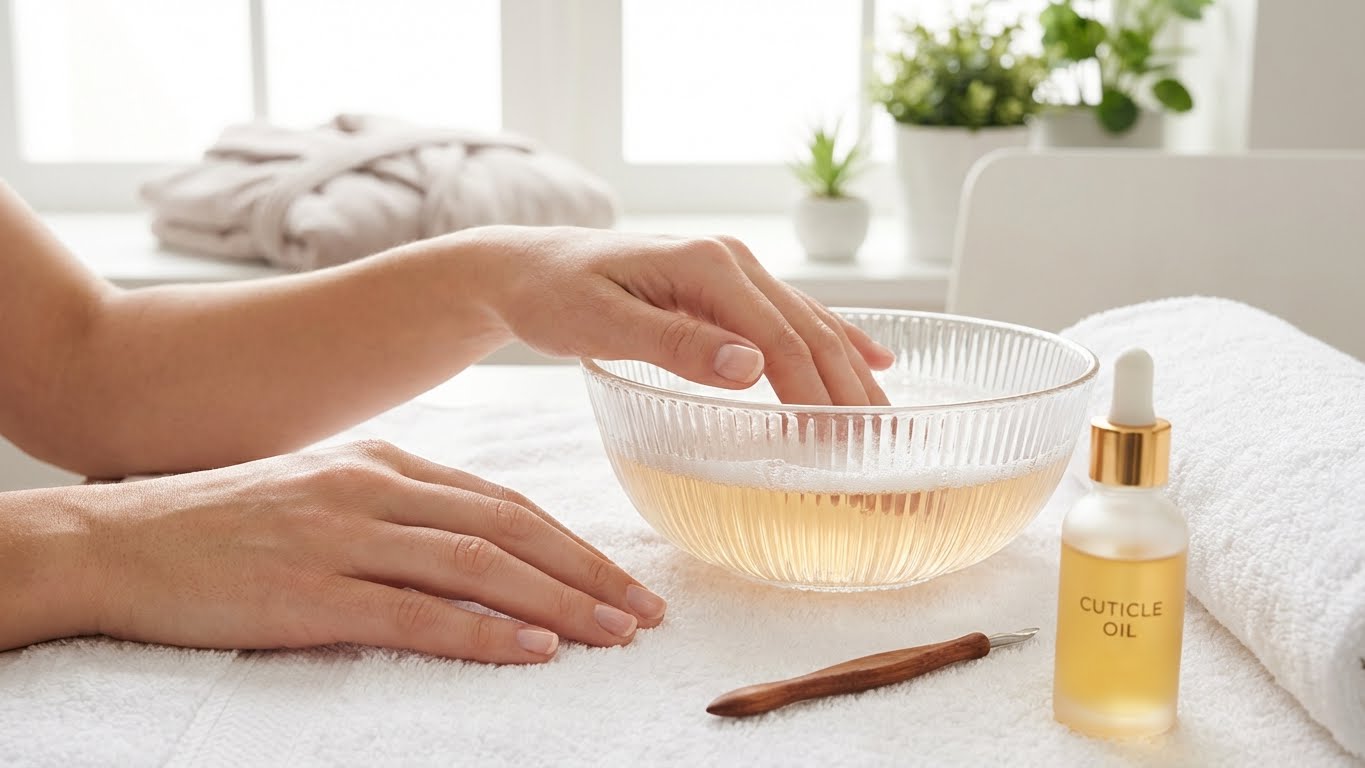
Getting nail glue off can feel stressful, but you can remove it safely at home with the right supplies and a little patience. Use gentle soaking with acetone or an oil-based remover, softening the glue before lifting it with a cuticle stick to avoid ripping your natural nail.
Follow a few careful steps and you’ll avoid pain and damage while clearing stubborn residue. The tips ahead show safe options, quick fixes for small spills, and when to stop and get professional help so your nails stay healthy.
Key Takeaways
- Prepare your nails and gather gentle removal supplies before you start.
- Soak and soften glue, then lift it away slowly to protect the nail surface.
- Stop and see a pro if glue won’t budge or if your nail hurts.
Understanding Fake Nail Glue
Fake nail glue comes in different strengths and formulas. Knowing the type and how it bonds helps you remove it safely without damaging your natural nails.
Types of Nail Glues
There are three common kinds of nail glue you will find: standard cyanoacrylate, brush-on gel glue, and slow-release or remover-friendly formulas. Standard cyanoacrylate is the fast-drying white or clear glue sold in small bottles. It bonds within seconds and gives the strongest hold for press-on nails and tips.
Brush-on gel glues come in a tube with a brush applicator. They spread more evenly, let you position the nail a few seconds longer, and often feel less brittle after drying. Slow-release or “soak-off” glues are made to break down with acetone or special removers. They dry firm but let you remove the fake nail without aggressive prying. Check the label for words like “soak-off,” “acrylic adhesive,” or “cyanoacrylate” so you know which removal method to use.
How Fake Nail Glue Adheres to Nails
Most fake nail glues use cyanoacrylate chemistry to form a tight bond. When you apply the glue, it reacts with moisture on the nail surface and in the air. This reaction creates long polymer chains that lock the fake nail to your natural nail within seconds.
Surface prep affects the bond a lot. Oils, lotions, and dust weaken adhesion. Buffing the nail plate lightly and wiping with alcohol gives the glue a clean, dry surface to grip. For thicker glues or gel adhesives, the bond can form layers that stick not just to the nail edge but to the nail plate itself, which is why soaking or using acetone often works better than force when you remove them.
Preparation Steps Before Removal
Get the right tools, protect your skin, and check for reactions before you use any solvents or start soaking. Lay out supplies and make a small test to avoid irritation.
Gathering Necessary Supplies
Set up a clean workspace near a sink or a well-ventilated area. You will need acetone or non-acetone nail polish remover, cotton balls or pads, aluminum foil or nail clips, a glass or ceramic bowl, a wooden cuticle stick, a fine nail file, petroleum jelly, and soft towels. Keep a small bowl of warm soapy water handy to rinse if needed.
Place all items within reach to avoid interruptions. Use acetone for the strongest glue but choose non-acetone if your nails are brittle or you have sensitive skin. Have moisturizer and cuticle oil ready for aftercare.
Protecting Skin and Cuticles
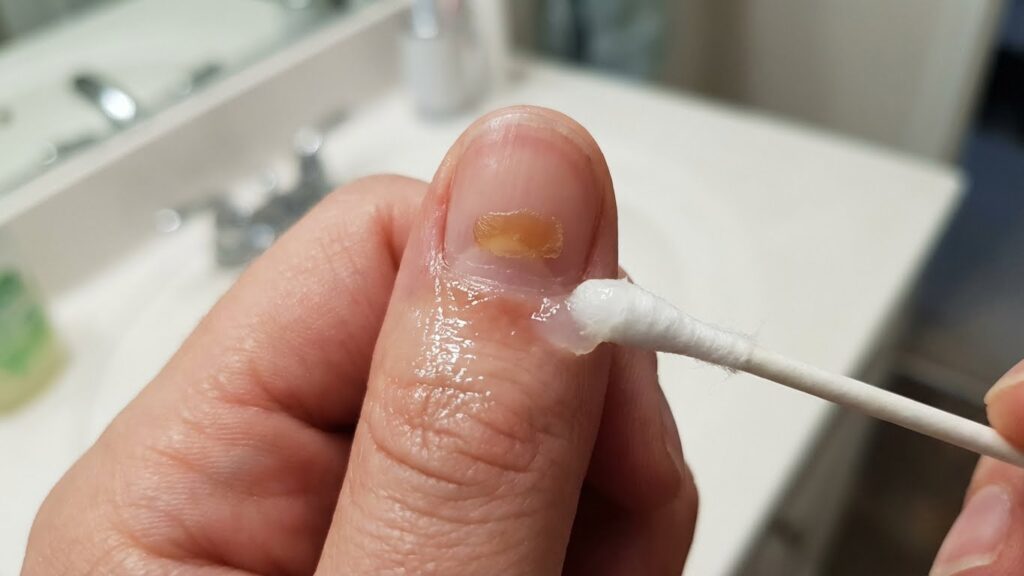
Apply petroleum jelly or a thick balm around the nail edges and on cuticles. This creates a barrier that reduces skin exposure to acetone and prevents dryness. Avoid getting the barrier on the nail surface where glue sits.
When soaking, wrap cotton soaked with remover on each nail and secure with foil or use reusable nail clips. Keep wraps snug but not tight; you want the remover to sit against the glue. Rinse skin with warm water if you feel burning, and stop if irritation continues.
Testing for Allergic Reactions
Before using acetone or any new remover, do a patch test on the inner wrist or the side of a finger. Dab a small amount, wait 10–15 minutes, then check for redness, itching, or burning. If you see any reaction, stop and use a gentler method or seek advice.
If you have a history of skin allergies, perform the test with the exact product you plan to use, including any glue removers or solvents. Record the product name and time of test so you can track delayed reactions over 24 hours.
Safe Removal Methods for Fake Nail Glue
You can remove glue without ruining your natural nails by choosing a gentle method and working slowly. Pick between warm soapy water, pure acetone, non-acetone products, or oils depending on how strong the glue is and how healthy your nails feel.
Soaking in Warm Soapy Water
Soak your nails in warm water mixed with a mild liquid soap for 15–30 minutes.
Use a small bowl, keep the water comfortably warm (not hot), and gently rub the glued areas with a soft nail brush or an orangewood stick. This softens many white-glue or weak salon glues and lets the fake nail or glue lift without force.
If the glue loosens, slide the fake nail off gently along the nail bed. Stop if you feel resistance; re-soak and try again. Finish by washing, lightly buffing any residue, and applying cuticle oil to rehydrate the skin and nail plate.
Using Acetone-Based Remover
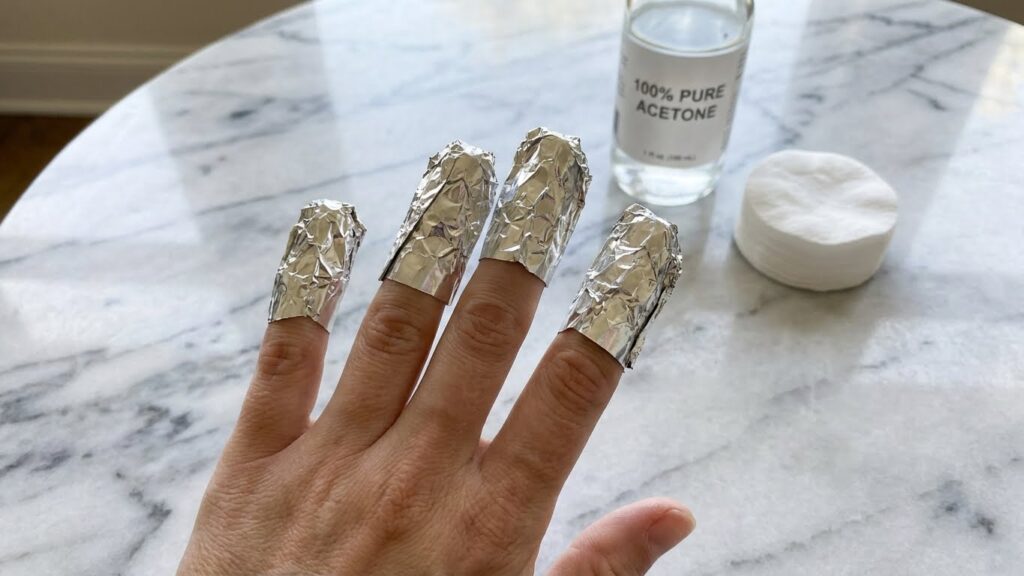
Use 100% acetone for the fastest removal of strong glue or acrylic tips.
Work in a well-ventilated area and protect your skin with petroleum jelly around the nail to limit drying. Soak cotton balls in acetone, place them on each nail, and wrap with foil for 10–20 minutes.
After soaking, test the glue with a wooden stick; it should lift easily. Do not force a stuck nail — rewrap and soak longer. Rinse with warm water, buff gently to remove residue, and apply a nail oil or cream to restore moisture. Limit repeated acetone use to avoid brittle nails.
Non-Acetone Alternatives
Use non-acetone removers when you need less drying action or have sensitive skin.
Look for removers with ethyl acetate or specific “glue remover” formulas. They work slower than pure acetone but reduce severe dryness. Soak cotton on the nail and hold 10–30 minutes, or follow product directions.
You can also file the top layer of the glue lightly with a fine file first to let the remover penetrate. After glue loosens, push it off gently and wash hands. Always moisturize well afterward and avoid frequent use if your nails are weak.
Debonding with Oils
Oils work best on thin glue layers and to remove leftover residue.
Use acetone-free olive oil, coconut oil, or commercial cuticle oil. Warm the oil slightly, then massage it into the nail and cuticle area for several minutes. For stubborn spots, soak cotton in oil and wrap the nail for 10–20 minutes.
Use a soft brush or orangewood stick to roll the glue off once it softens. Oils won’t work quickly on strong adhesives, so combine oil treatment with soaking or gentle filing when needed. Finish by rinsing and applying more oil to hydrate the nail plate.
Step-By-Step Guide to Remove Fake Nail Glue
You will prepare your nails, soften the glue, and then lift or scrape it away safely. Work slowly, use acetone or oil depending on skin sensitivity, and protect surrounding skin.
Initial Cleaning and Buffing
Wash your hands with warm, soapy water for at least 30 seconds to remove oils and dirt. Dry completely so acetone or oil can work directly on the glue.
Gently trim any long free edge of the fake nail with clippers if present. Use a fine nail file to lightly buff the top layer of the glue or fake nail until the shiny surface is gone. Buffing helps acetone or remover penetrate faster.
Avoid aggressive filing down to your natural nail. Stop if you feel heat or sharp pain. Apply a small amount of petroleum jelly to the cuticle and skin around the nail to protect it before using strong solvents.
Applying Removal Solutions
Choose 100% acetone for fastest results or a non-acetone remover/baby oil if your skin is sensitive. Pour acetone into a small glass or bowl—do not use plastic if it will melt.
Soak a cotton ball in acetone or oil and place it over the glued area. Wrap the fingertip tightly with aluminum foil or use a reusable nail clip to hold the cotton in place. Leave it wrapped for 10–20 minutes, checking at 5-minute intervals.
If using oil, you may need 20–40 minutes and gentle re-soaking. After the time passes, press the foil and cotton down and twist gently to roll off dissolved glue. Reapply and soak again if the glue remains hard.
Gentle Scraping Techniques
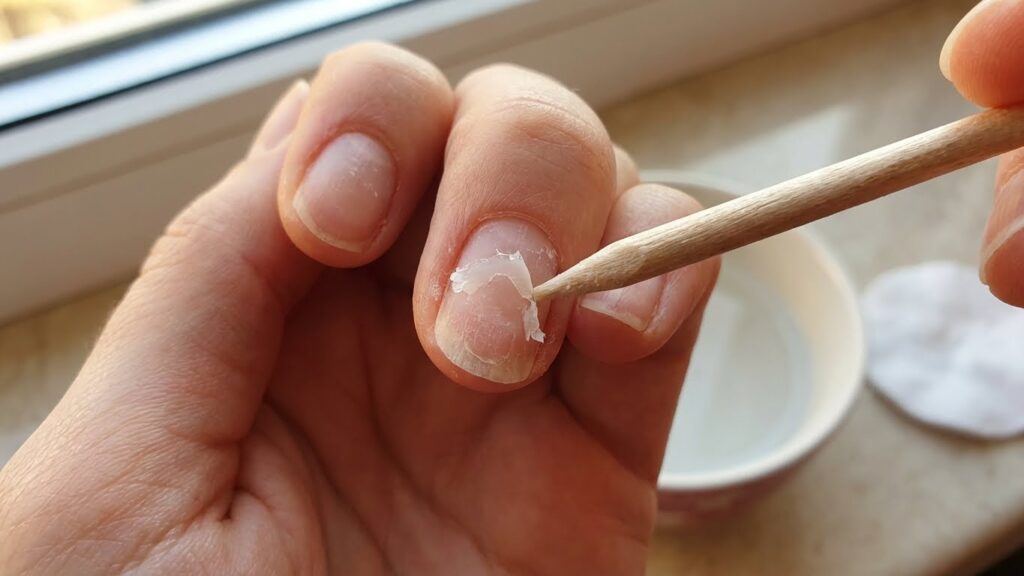
After soaking, use an orangewood stick or cuticle pusher to gently lift softened glue from the edge. Hold the nail flat and push from the cuticle toward the free edge in short strokes. Do not pry or force.
If glue resists, soak again for 5–10 minutes before trying a second time. Use a clean buffing block to remove thin residue and smooth the nail surface. Finish with cuticle oil and hand lotion to rehydrate nails and surrounding skin.
If you notice bleeding, severe pain, or the nail separating from the nail bed, stop and seek professional help from a salon or medical provider.
Post-Removal Nail Care
Focus on rehydrating and repairing nails right after removal, and take steps to protect them so they heal strong and avoid future damage.
Moisturizing and Healing Damaged Nails
After glue removal, soak your nails in warm water for 5–10 minutes to soften the nail plate and any remaining residue. Gently push back cuticles with a cotton-tipped stick; do not force or pick at thin, flaky areas.
Apply a nail oil or cuticle oil containing vitamin E, jojoba, or almond oil twice daily. Massage the oil into the nail and surrounding skin for 30–60 seconds to boost circulation and absorption. Use a water-based hand cream after washing hands to lock in moisture.
If nails are brittle, take a break from polish and press-on nails for at least 1–2 weeks. Use a strengthening base coat infused with keratin or calcium when you resume. If you notice deep splits, persistent pain, or signs of infection (redness, pus), see a doctor.
Preventing Future Damage
When applying fake nails again, choose products labeled “gentle” or “for sensitive nails” and avoid super-strong industrial glues. Apply glue sparingly: a thin line near the tip of the artificial nail reduces pressure on your natural nail.
File and buff carefully. Use a fine-grit file and buff very lightly—over-filing thins the nail. Always prep with alcohol wipe to remove oils so nails adhere without extra glue.
Give your nails weekly recovery days: no glue, no polish, just oil and moisturizer. Consider taking a biotin supplement (consult your healthcare provider) if your nails stay weak despite good care.
Dealing With Stubborn Glue Residue
Stubborn glue often needs a mix of soaking, gentle scraping, and a solvent like acetone to lift it without harming your nail. Work slowly and protect the surrounding skin to avoid irritation.
Additional Removal Tips
Soak nails in warm, soapy water for 10–15 minutes first to soften the glue. If residue remains, use a cotton ball soaked in acetone and hold it on the nail for 5–10 minutes. Wrap the cotton with aluminum foil or plastic wrap to keep the acetone in contact and speed softening.
After soaking, use a wooden orange stick or a soft cuticle pusher to nudge the glue off. Move in one direction and never force a chunk free; stop and soak again if the glue resists. Apply a small amount of petroleum jelly to skin before acetone to protect it.
If you have sensitive skin, try an oil-based remover like olive oil or baby oil. These take longer—often 15–20 minutes of soaking—but are gentler. Finish by washing hands and applying a hydrating cuticle oil.
Recommended Tools for Residue
Essential tools: acetone-based nail polish remover, cotton balls, aluminum foil, wooden orange sticks, a soft nail buffer, and cuticle oil. Keep acetone for tough glue and oil for sensitive skin or small spots.
Use a soft buffer on low pressure to remove thin, flaky residue. Avoid metal tools; they can gouge the nail. Sterilize or discard sticks after use to prevent infection.
Have a small bowl for warm soapy water and a towel ready. A napkin and moisturizer help clean and soothe your skin after treatment.
When to Seek Professional Help
If your natural nail lifts, splits, or bleeds when you try to remove glue, stop and see a professional. A nail tech can remove glued-on nails safely with the right tools and techniques. You can avoid further injury by letting them handle fragile nails.
If you have severe pain, swelling, redness, or signs of infection, seek medical care right away. These symptoms may need treatment beyond a salon fix. A doctor can check for infection and prescribe medication if needed.
When glue covers a large area of skin or hardens into thick layers, a technician can soften and remove it without cutting or ripping. Professionals use acetone soaks, wraps, and specialized tools that reduce damage to your nail plate.
If you have medical conditions like diabetes, poor circulation, or a weakened immune system, book professional help before you remove glue at home. Your nails and skin heal differently, and a pro will take extra precautions.
Cost and time also matter. If you value speed and a lower risk of damage, a salon visit may be worth it. Ask about the methods they will use and any aftercare you should follow.
Tips for Avoiding Nail Damage in the Future
Choose high-quality glues or adhesive tabs and follow the maker’s instructions. Use tabs for short-term wear to cut down on harsh solvents and reduce stress on your natural nail.
Give your nails time to recover between sets. Take breaks of a week or more so your nail bed can rehydrate and rebuild strength.
Keep nails and skin clean and dry before applying fake nails. Oil, lotion, or moisture weakens adhesion and traps water under the nail, which can cause lifting and infection.
File and fit press-ons before gluing to avoid extra force during removal. Proper shaping prevents catching and reduces the need to pry or peel.
Use acetone sparingly and only for full-coverage glue removal. When you do soak, protect surrounding skin with petroleum jelly and follow with cuticle oil to restore moisture.
Trim and buff gently; don’t over-buff the nail plate. Light buffing helps adhesion, but heavy buffing thins the plate and makes nails fragile.
Moisturize daily with cuticle oil or a nourishing hand cream. Stronger, well-hydrated nails resist peeling and splitting better than dry nails.
Watch for irritation or allergic reactions and stop use if you see redness, persistent pain, or swelling. Seek medical advice for infections or severe reactions.
Reserve false nails for special events if your natural nails are weak. Occasional use lowers cumulative damage and helps nails stay healthier over time.
Common Mistakes to Avoid
Picking or scraping at glue can tear your nail and damage the skin. Stop if the glue won’t lift easily and switch to a gentler method like acetone soak or oil soaking.
Using harsh tools or metal implements risks gouging your nail bed. Use a wooden stick or an orange wood cuticle pusher and work slowly instead.
Skipping protection for surrounding skin lets acetone dry and irritate your cuticles. Put petroleum jelly or a barrier cream around the nail before using acetone-soaked cotton.
Applying excessive force to pry off a fake nail increases the chance of lifting or breaking your natural nail. Soften the glue first with acetone or warm, soapy water and then ease the nail off.
Relying only on quick fixes like nail polish remover without checking ingredients may not work. Ensure the remover contains acetone for glued nails, or use one of the safe alternative methods if your skin is sensitive.
Not moisturizing after removal leaves nails brittle and weak. Massage a nourishing oil or hand cream into nails and cuticles right after treatment.
Filing aggressively to remove glue residue removes natural nail layers. Instead, gently buff the surface and follow up with a nail-strengthening treatment if needed.
FAQs
What should you do first if nail glue is stuck to your skin or nail?
Gently file the top layer of the glue to break the seal. Then soak your nails in acetone or warm, soapy water to soften the remaining glue. Use a cotton ball and gentle pressure rather than scraping hard.
Is acetone safe for your nails and skin?
Acetone works fast but dries skin and cuticles. Protect the skin with petroleum jelly and limit soaking to 10–15 minutes. If you have sensitive skin, try olive or coconut oil as a gentler option.
Can you remove glued-on press-on nails at home without damage?
Yes. Soak with acetone or use warm, soapy water plus oil, then lift the tips with an orange stick once glue softens. Go slowly to avoid lifting your natural nail.
How do you care for nails after glue removal?
Wash and moisturize with cuticle oil or a rich hand cream right away. Give your nails a break from polish or enhancements for a few days to let them recover.
When should you see a professional?
Visit a salon or a dermatologist if your nail is lifting, bleeding, or painful. If home methods don’t work after several attempts, a pro can remove glue safely.
Where can you learn more about safe nail care?
Check guidance from dermatology sources like the American Academy of Dermatology (https://www.aad.org) and reputable nail-care guides for step-by-step tips.
Conclusion
You can remove fake nail glue safely with patience and the right tools. Start with gentler methods like soaking and warm water, then use acetone if needed. Take breaks to avoid overworking your nails.
Protect your skin and nail bed during the process. Use petroleum jelly around nails, file gently, and avoid prying or pulling which can cause damage. If you feel pain, stop and seek help.
After glue is gone, hydrate your nails and hands. Apply cuticle oil and a rich hand cream. Give your nails time to recover before applying new enhancements.
If glue proves stubborn or you worry about harming your nails, visit a professional. A salon technician can remove adhesives safely and advise on nail care.