
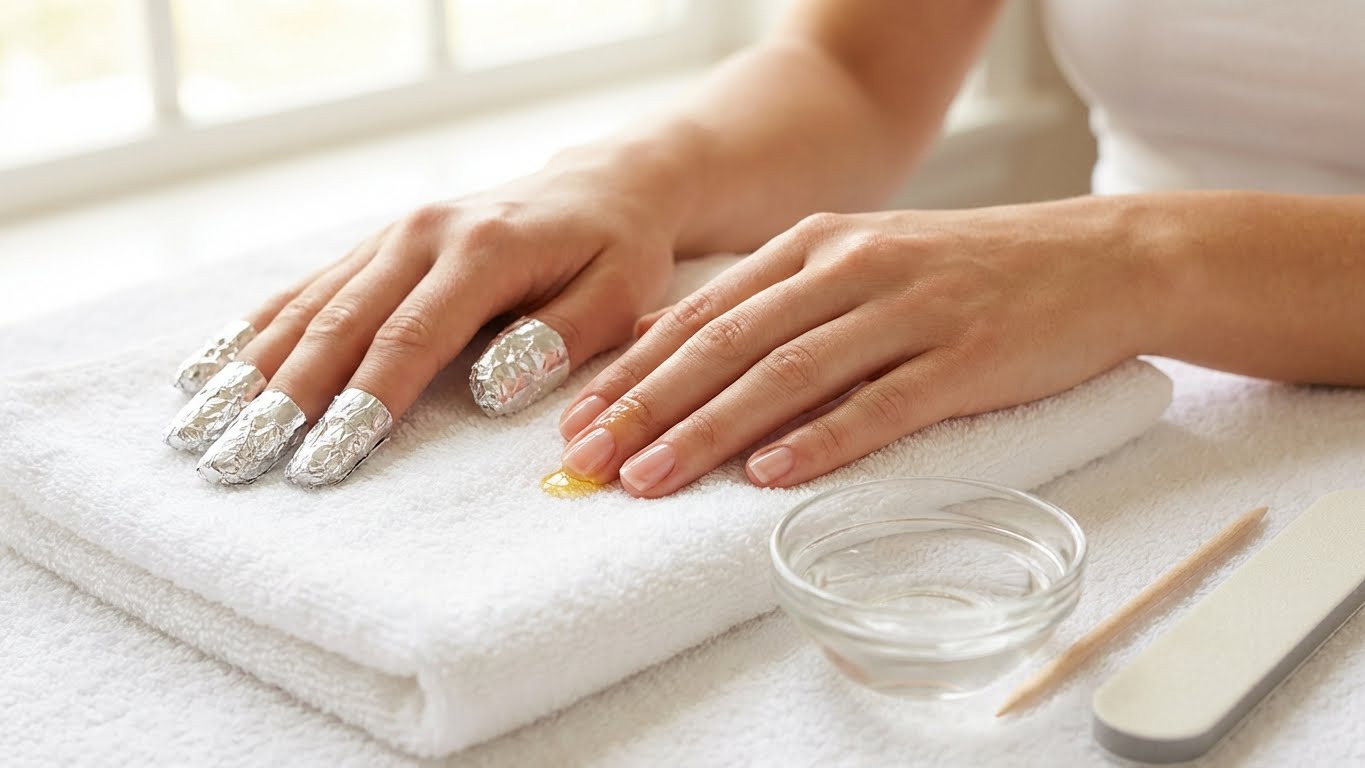
If you need fake nails off fast without wrecking your natural nails, soak them in 100% acetone and use gentle pressure and a wooden stick to lift the softened tips. Bold removal with acetone is the fastest reliable method for acrylics and many gel tips when you take it slow and protect your skin.
You can also speed things up by trimming the nails, filing the top layer, and wrapping cotton soaked in acetone around each nail before covering with foil. Work one hand at a time and stop if you feel sharp pain—protecting your real nails matters more than speed.
Key Takeaways
- Use pure acetone and gentle tools to remove fake nails quickly and safely.
- Prep nails by trimming and filing to shorten removal time.
- Care for your natural nails after removal to prevent damage.
Quickest Methods to Remove Fake Nails
You’ll learn three fast, reliable ways to remove fake nails: an acetone soak for speed, non-acetone options when you need gentler chemicals, and a foil wrap trick that speeds up soaking. Each method focuses on tools, steps, and safety so you remove nails without harming your natural nails.
Soaking in Acetone
Acetone dissolves most glue and acrylic quickly. Use 100% pure acetone in a glass or metal bowl. Fill the bowl to cover the nail tips, then submerge your fingertips for 10–20 minutes. Check every 5 minutes and gently test one nail with an orangewood stick; lift when the fake nail slides off easily.
Protect your skin and cuticles: apply petroleum jelly around each nail first, and wear gloves on the rest of your hand if you need. Work in a well-ventilated room and avoid flames—acetone is flammable. After removal, wash hands, buff gently to remove residue, and apply cuticle oil and moisturizer.
Using Non-Acetone Removers
Non-acetone removers use solvents like ethyl acetate and take longer but irritate skin less. You need to soak cotton balls in remover and press them to the nail surface, then hold with tape or a clip for 15–30 minutes. Larger or thicker acrylics may need repeated applications.
Use a soft tool to push off loosened material; never force or pry hard. Non-acetone works well on press-on nails and some gels, but it may not dissolve heavy acrylics. Finish by rinsing, buffing gently, and applying oil to rebuild moisture.
Foil Wrap Technique
The foil wrap speeds up both acetone and non-acetone soaks and helps contain fumes. Cut 10 small foil squares and prepare cotton soaked in remover. Place the cotton on the nail, wrap foil tightly around the fingertip, and leave for 10–20 minutes with acetone or 20–40 minutes with non-acetone.
Remove one wrap at a time and check the nail. If the fake nail lifts, slide it off gently with an orangewood stick. If it resists, rewrap and soak longer. Clean residue with a remover pad, then moisturize. Use this method when you want controlled, even soaking without messy bowls.
How to Remove Different Types of Fake Nails Fast
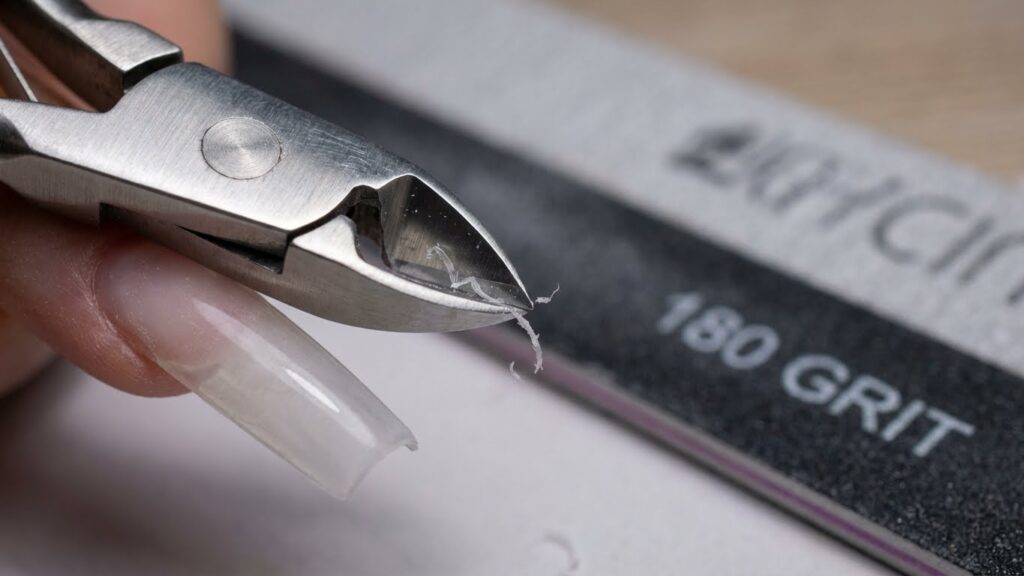
You can remove acrylics, gels, and press-ons quickly by using the right solvent, tools, and patience. Work one nail at a time, protect your skin, and stop if you feel pain.
Acrylic Nail Removal Steps
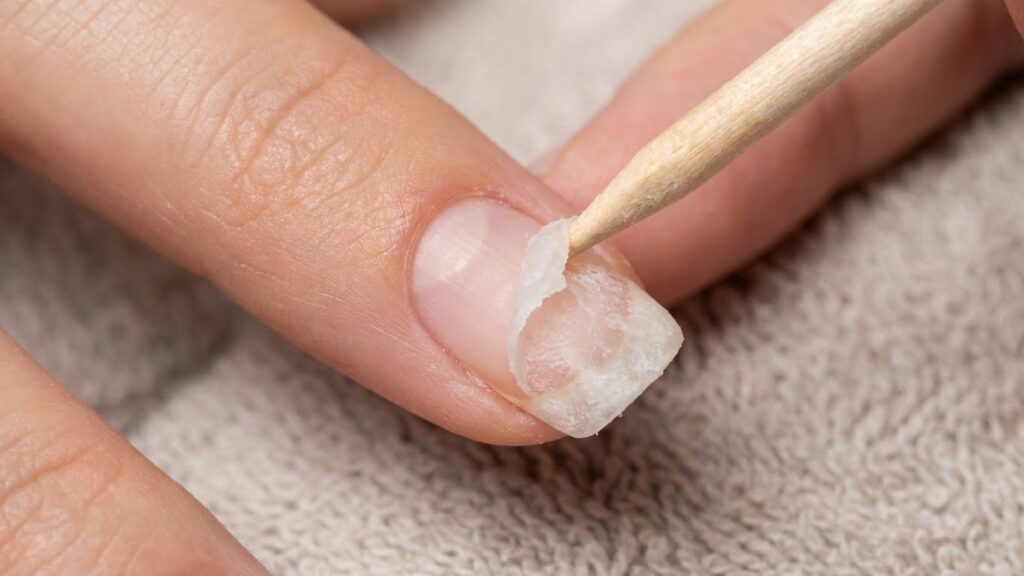
Start by trimming any free edge of the acrylic with clippers to shorten length. Use a coarse file to thin the top surface and break the seal so acetone can penetrate faster.
Soak cotton balls in 100% acetone and place each on the nail. Wrap the nail in foil or use a plastic clip and wait 15–25 minutes. Check one nail first — the acrylic should lift or flake.
Gently pry lifted areas with an orange stick or cuticle pusher; never force a stuck section. If residue remains, repeat soaking for 5–10 minutes. Finish by buffing leftover adhesive lightly and apply cuticle oil to rehydrate.
Gel Nail Removal Process
Begin by filing the shiny top layer of the gel to thin it. This speeds acetone action and avoids excessive soaking time.
Soak cotton with 100% acetone and secure it to each nail with foil or a soak-off clip. Wait 10–20 minutes depending on gel thickness. Test one nail; the gel should appear spongy and lift from the natural nail.
Use a wooden or metal pusher to slide the softened gel off gently. If it resists, soak another 5–10 minutes. After removal, buff lightly, wash hands, and apply oil or moisturizer to restore hydration.
Press-On Nail Removal Tips
If nails are glued, try soaking in warm, soapy water for 10–15 minutes to soften the adhesive. This often releases lighter press-ons without chemicals.
For stubborn glue, use 100% acetone or an adhesive remover on the seam. Lift an edge with dental floss slipped under the press-on and saw back and forth while pulling up. Work slowly to avoid tearing natural nail.
If press-ons were applied with strong nail glue, acetone soak for 5–10 minutes usually loosens the bond. Clean adhesive residue with an orange stick and finish with cuticle oil.
Tools and Products for Fast Removal
You’ll need a few specific tools and products to remove fake nails quickly and safely. Focus on high-purity acetone, a sturdy file, and items that protect your skin and speed up soaking.
Essential Tools for Home Removal
- Nail file / buffer: Use a coarse 180-grit file to thin the fake nail surface. Work gently and file the top layer until the shine is gone. This helps acetone penetrate faster.
- Cuticle pusher or orangewood stick: Use to lift loosened edges after soaking. Be careful not to pry under firmly bonded edges; push softly to avoid damage.
- Aluminum foil and cotton balls: Wrap cotton soaked in acetone over each nail and secure with foil. This traps heat and keeps acetone in contact with the nail for faster breakdown.
- Small bowl and nail clipper: Clip long tips before soaking to reduce soak time. Use a bowl only if you’ll do a full acetone soak; avoid hot water in bowl with acetone.
- Nail brush and emery board: Clean residue and smooth edges after removal. A soft nail brush removes particles without scraping.
Recommended Nail Removal Products
- 100% pure acetone: Fastest solvent for acrylic, gel, and dip powders. Use in a well-ventilated space and limit skin contact.
- Non-acetone removers: Slower but gentler for press-ons or sensitive skin. Look for removers labeled for acrylic or gel removal if you avoid acetone.
- Cuticle oil and heavy hand cream: Rehydrate nails and skin immediately after removal. Apply several times over 24–48 hours.
- Nail strengtheners or protein treatments: Use after nails are dry to rebuild layers if you notice peeling or softness.
- Acetone clips or gel soak trays: These hold soaked cotton in place and reduce foil waste. Choose reusable clips with a snug fit.
Time-Saving Accessories
- Acetone nail clips: Hold cotton pads in place and keep acetone from evaporating. They cut foiling time and let you move freely while soaking.
- Electric nail drill (low-speed): If you know how to use one, a coarse bit can quickly remove acrylic layers. Use caution—drills can damage natural nail if used incorrectly.
- Microwave-safe heating pad or mini heater: Raising temperature slightly speeds solvent action. Wrap hands in a towel after heating to retain warmth; do not use open flame.
- Disposable gloves and nail trays: Protect skin and surfaces. Use trays to organize tools and reduce cleanup time.
- Timer or phone alarm: Set precise soak times (usually 10–20 minutes per soak) so you don’t overwork nails and can repeat efficiently.
Caring for Natural Nails After Removal
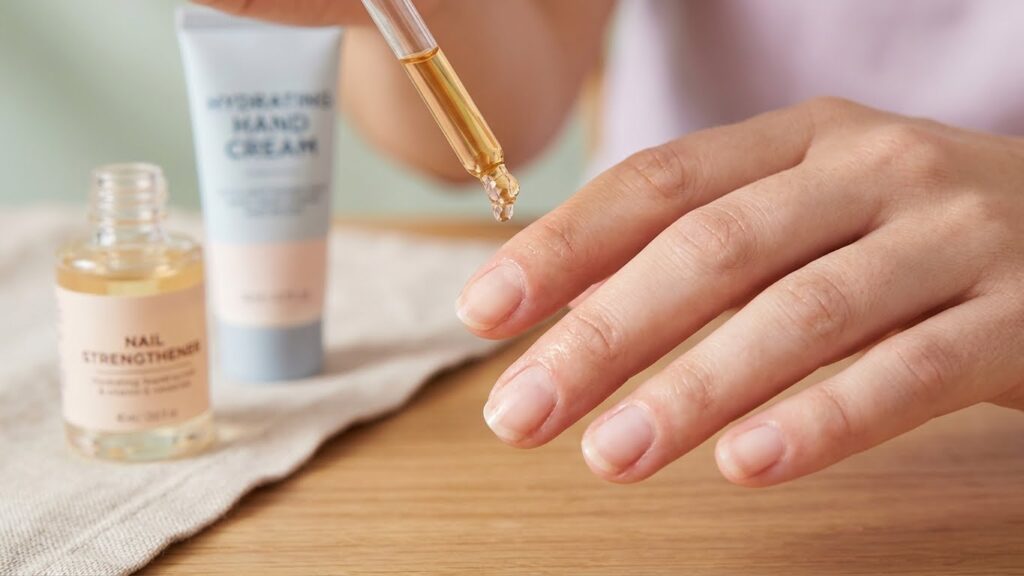
Start rebuilding nail health by restoring moisture, then focus on protection and slow strength gains. Use oil, gentle products, and simple habits to stop peeling and splitting.
Moisturizing and Strengthening
Apply cuticle oil twice daily to nails and the skin around them. Look for jojoba, vitamin E, or argan oil and rub it in for 30–60 seconds to boost hydration and circulation.
Use a protein-rich treatment once or twice a week. Choose a biotin or keratin-based nail serum and follow label directions; don’t use harsh formaldehyde products that can make nails brittle.
Keep nails short while they recover. Trim to a length you can file easily, and use a fine-grit file to shape edges in one direction only. This reduces snags and prevents further peeling.
Avoid long soaks in water and strong detergents. Wear gloves for dishes and cleaning. Water and chemicals soften nails and make them more prone to splitting.
Preventing Damage
Don’t pick or peel at remaining adhesive or nail layers. If residue stays, soak with acetone or see a pro to remove it safely without scraping.
Skip acrylics, gels, and press-ons for at least 4–6 weeks. Let new growth strengthen before applying more enhancements. If you must reapply, ask for a gentler system and professional removal.
Limit nail polish removers to acetone-free formulas. Use them sparingly and follow with oil or a moisturizer right away to replace lost lipids.
Protect nails with a thin clear base coat when you wear polish. It acts as a barrier, reduces staining, and helps prevent chips that can turn into breaks.
Common Mistakes to Avoid When Removing Fake Nails
Take your time and use gentle actions. A slow, steady approach and the right tools protect your real nails and skin.
Rushing the Process
If you try to force or peel off fake nails quickly, you can lift or tear the nail plate. That causes pain, raw skin, and a higher risk of infection. Instead, soften adhesive or acrylic first with an acetone soak or warm soapy water depending on the type of fake nail.
Work one nail at a time. Gently push at the edge with a wooden cuticle stick after soaking; if the nail resists, soak longer. Keep checks short and frequent rather than applying hard pressure. Stop and re-soak if you feel tugging or pain.
After removal, file gently to smooth edges and apply cuticle oil and hand cream to rehydrate nails and skin.
Using Harsh Tools
Do not use metal tools, pliers, or excessive force to pry nails off. Metal tools and sharp instruments can gouge the nail bed, cut skin, and cause bleeding.
Choose safer options: a soft nail file to thin the fake nail, a wooden or plastic cuticle pusher for lifting, and fine-grit files for smoothing. If you use an electric file, keep speed low and avoid grinding near the natural nail surface. Wear a mask if you create dust from buffing.
If the nail won’t come off with safe tools, stop and seek a professional. Forcing removal with harsh tools often creates damage that takes weeks to heal.
Alternative Fast Removal Techniques
You can use stronger professional tools for speed or mild natural methods if you want less chemical exposure. Choose based on how quickly you need results and how much risk to your nail health you’ll accept.
Salon-Grade Methods
Salon-grade removal uses 100% acetone and tools to dissolve and lift product fast. Start by trimming the free edge of the fake nail and filing the top layer to break the seal. Soak a cotton ball in 100% acetone, place it on the nail, and wrap each finger with aluminum foil for 10–20 minutes. Check one nail first; the acrylic or gel should soften and lift. Use a wooden cuticle stick or metal pusher gently to slide the product off—never force it.
If the product resists, soak another 5–10 minutes rather than prying. You can speed things up with a small glass bowl of warm water under the foil or a dedicated acetone soak bowl sold for salons. Finish by buffing, applying cuticle oil, and moisturizing your hands.
Natural Solutions
If you avoid acetone, try warm soapy water with mechanical removal or household alternatives like oil and salt scrubs. Trim and file the nail surface first. Soak your nails in warm water mixed with a few drops of dish soap for 20–30 minutes to loosen glue and lift edges.
After soaking, use an orangewood stick to gently push and roll off softened tips. You can also mix olive oil or coconut oil with Epsom salt and massage the base of the fake nails to weaken adhesive over 30–40 minutes. These methods take longer and may not fully remove strong acrylics, but they reduce chemical exposure and lower the chance of drying or irritating your skin.
Safety Tips for Quick Nail Removal
Always work in a well-ventilated area when using acetone or strong solvents. Open a window or use a fan to reduce fumes that can irritate your eyes and lungs.
Never force or pry a nail off. If a nail resists, soak longer; forcing can peel layers from your natural nail and cause pain or infection.
Protect your skin and cuticles with petroleum jelly or a barrier cream around each nail. This reduces drying and irritation from acetone and helps keep skin healthier after removal.
Use the right tools: a glass bowl for warm water or acetone, a clean towel, a soft file, and a cuticle pusher. Disinfect metal tools before and after use to lower infection risk.
Limit soak time and recheck nails often. Soak in acetone for short intervals and test gently after each soak to avoid overexposure that weakens nails and skin.
If you feel heat, burning, or sharp pain, stop immediately. These signs can mean chemical irritation or damage; rinse your hands with water and seek advice if symptoms continue.
Moisturize and strengthen after removal. Apply cuticle oil and a gentle hand cream, and avoid harsh nail products for a few days to let your nails recover.
If you notice swelling, severe pain, pus, or a fever, see a medical professional. These may be signs of an infection that needs treatment.
FAQs
What if the glue won’t budge? Try soaking your nails in acetone for 15–30 minutes after filing the top layer thin. Use pure acetone and wrap cotton on each nail with foil for best results. If you prefer gentler options, warm soapy water can soften some glue but may take longer.
Can you use household items instead of acetone? Yes. Warm soapy water, cuticle oil, or petroleum jelly can help loosen fake nails slowly. These methods are safer for skin but need more time and patience than acetone.
Will removing fake nails damage my natural nails? You can avoid big damage by not prying or peeling forcefully. File, soak, and gently push off residue with a cuticle stick. Finish with nail oil and moisturizer to restore strength.
How long should you wait after soaking? Check every 10 minutes after the first 15–20 minutes. When the nail lifts easily with little pressure, it’s ready. For acrylics or gel, total soaking can take 20–40 minutes depending on thickness.
When should you see a pro? If your nails hurt, bleed, or you can’t remove the product after repeated safe attempts, visit a salon or a dermatologist. A technician can remove acrylics and gels without harming your nails. For more details on safe removal steps, see guidance from the American Academy of Dermatology and trusted how-to resources.
Conclusion
You can remove fake nails quickly without hurting your natural nails if you pick the right method and take your time. Acetone soaks work fastest for acrylics and gels, while press-ons often lift with warm soapy water or gentle pushing.
Protect your skin and cuticles. Use a buffer, file, or a soak to avoid prying or peeling, which can cause damage and pain.
Have simple supplies ready: acetone, cotton, foil, a nail file, a wooden stick, and cuticle oil. These small tools make the process faster and safer.
If your nails feel thin or sore afterward, give them a break. Moisturize with oil and avoid polish for a few days to let your nails recover.
When in doubt, choose a professional removal. A salon can save you time and lower the risk of harm if nails are glued or complicated.