
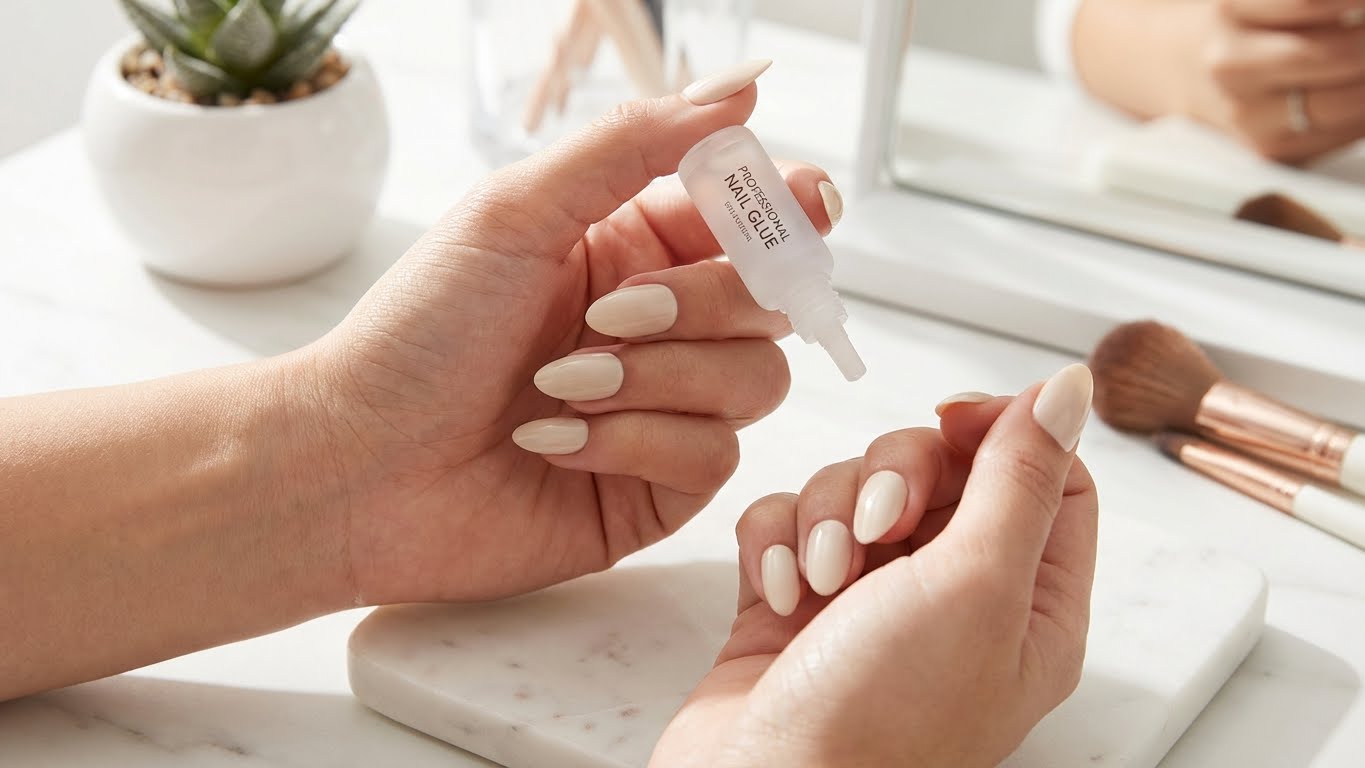
You can keep fake nails on longer by prepping your natural nails, choosing the right glue or adhesive, and caring for them after application. Follow simple steps to remove oils, match nail sizes, press firmly, and avoid water or heavy tasks right away so they stay put.
You’ll learn easy tricks pros use to prevent lifting and chipping, what to avoid, and quick fixes if a nail starts to lift. Use clean, dry nails, the correct adhesive, and careful aftercare to get the best, longest-lasting wear.
Key Takeaways
- Prep your nails and pick the right adhesive for better hold.
- Apply carefully and press nails firmly to reduce lifting.
- Protect nails after application and fix small issues early.
Choosing the Right Type of Fake Nails
Pick a nail type that matches your daily routine, how long you want them to last, and how much care you’re willing to give. Think about durability, removal method, and whether you want a salon service or a quick at-home fix.
Acrylic vs. Gel vs. Press-Ons
Acrylic nails use a liquid monomer and powder polymer. They cure at room temperature and give a hard, long-lasting surface good for heavy use. Expect upkeep every 2–3 weeks for fills and professional removal to avoid nail damage.
Gel nails use a gel polish or builder gel cured under an LED/UV lamp. They look shinier and feel slightly more flexible than acrylics. Gel fills are usually needed every 2–3 weeks, and removal requires soaking in acetone or filing.
Press-ons are pre-shaped nails you glue or stick on. They work best for short-term wear, special events, or beginners. High-quality press-ons can last 7–14 days with good prep, but they are easiest to remove without chemicals.
Selecting the Correct Size
Choose press-ons, tips, or forms that match each nail’s natural width from cuticle to sidewall. A too-small nail lifts at the edges; a too-large nail stresses the natural nail and lifts early.
Measure by placing the false nail over your natural nail and pick the size that sits flush at the cuticle without touching skin. For salon services, tell the technician which natural nails chip or lift so they can customize shapes and thickness.
If you file or trim tips, do it before glueing. Sand the back lightly and clean the natural nail with alcohol to improve adhesion.
Quality and Brand Considerations
Higher-priced options often use better materials and more precise sizing, which helps nails stay on longer. Look for brands with consistent sizing charts and reviews that confirm real wear time.
Check ingredients if you have allergies: some formulas contain MMA (avoid) or strong resins. Choose products that offer replacement tabs or stronger adhesives if you need extra hold.
For tools, use a good nail glue, a 180–240 grit buffer, and nail dehydrator or alcohol wipes. These small investments reduce lifting and extend wear.
Prepping Natural Nails for Application

Clean, dry, and smooth nail beds help fake nails stick and last. You will remove polish and oils, push back cuticles, gently buff the nail surface, and finish by dehydrating the nail plate for better glue or adhesive contact.
Cleaning and Dehydrating the Nail Bed
Start by removing all nail polish with acetone or non-acetone remover. Soak a cotton pad and wipe each nail until no color remains. Avoid getting remover on your skin more than necessary.
Dry your nails completely after cleaning. Use a lint-free wipe or let them air dry for a minute. Any moisture will reduce glue adhesion and cause lifting.
To dehydrate further, apply a nail dehydrator or a 70–90% isopropyl alcohol wipe for about 10–15 seconds per nail. This removes oils that polish remover can miss and sets the surface for stronger bonding.
Pushing Back Cuticles
Soften cuticles first by soaking your hands in warm water for 1–2 minutes or using a cuticle remover for the product’s recommended time. This makes pushing safer and reduces tearing.
Use a clean, angled cuticle pusher to gently push cuticles back toward the nail fold. Work along the base of each nail with light pressure. Do not cut live cuticle; only remove loose dead skin.
After pushing, cleanse the nail base again with alcohol or dehydrator. Any leftover cuticle residue can lift glue, so ensure the nail edge where you will place the fake nail is clear and smooth.
Buffing the Nail Surface
Lightly buff the center of each nail with a fine-grit buffer (180–240 grit). Make 2–3 gentle strokes to remove the shiny top layer. Do not over-buff; thinning the nail weakens it.
Focus on creating a slightly roughened surface for glue to grip, not deep grooves. Buffing the full nail surface can help press-on nails sit flat, while a small rough patch under the nail tip helps acrylic or gel adhere.
Wipe away buffing dust with a lint-free wipe and alcohol. Dust left on the nail prevents strong adhesion and speeds up lifting.
Removing Natural Oils
Even after cleaning, natural oils remain and can cause fake nails to lift. Use an alcohol wipe, nail cleanser, or acetone-free dehydrator and rub each nail for 10–15 seconds.
Allow the alcohol to fully evaporate—about 20–30 seconds—before applying glue or adhesive tabs. Press-on glue and liquid adhesives bond best to a fully dry, oil-free surface.
If you handle lotion or touch your face after dehydrating, redo the alcohol wipe. Any oil transfer resets the prep and will shorten wear time.
Applying Fake Nails Properly
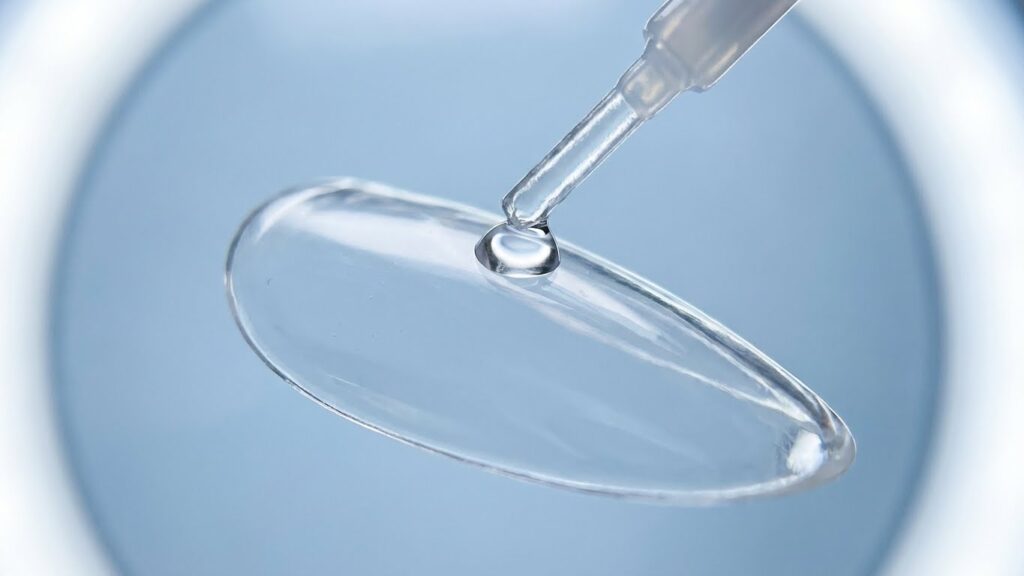
Do a careful, steady application to make nails last. Focus on the right glue amount, correct alignment, and removing air before you press.
Using the Right Amount of Adhesive
Use the right glue amount for the type of fake nail you choose. For press-ons, a thin, even layer on the back of the fake nail and a dot on your natural nail works well. Too much glue squeezes out and weakens the bond; too little can cause lifting.
If you use glue tabs, center the tab on the fake nail and trim any excess. For liquid nail glue, apply a small bead near the cuticle area and a second thin line down the middle for better spread. Wait 3–5 seconds for tackiness when instructions recommend it before placing the nail.
Keep extra glue off your skin and cuticle. Wipe up overflow quickly with a cotton swab dipped in acetone if needed. Store glue upright and cap it tightly to keep it fresh.
Aligning and Pressing Nails Correctly
Place the fake nail at a slight angle near the cuticle, then lay it down straight toward the free edge. Start at the cuticle area so you can push out air as you set the nail.
Once positioned, press firmly for 10–30 seconds depending on the glue type. Apply pressure at the center first, then press the sides. Use a finger or a nail tool to hold edges down so the glue bonds evenly.
Check that the fake nail sits flush at the cuticle and follows your natural nail curve. If it sits too high or crooked, remove it and reapply before the glue sets.
Avoiding Air Bubbles
Air bubbles make nails lift and fall off fast. Before pressing, brush the adhesive across the fake nail or natural nail so it spreads evenly and leaves no gaps.
When you set the nail, press from the cuticle outward in a single smooth motion. This pushes air and excess glue out toward the tip. If bubbles appear, lift gently within a few seconds and reapply glue to smooth them out.
After application, run a wooden stick along the edge to seal gaps. Avoid wetting hands for at least an hour so the bond cures without moisture disrupting trapped air.
Aftercare to Increase Longevity
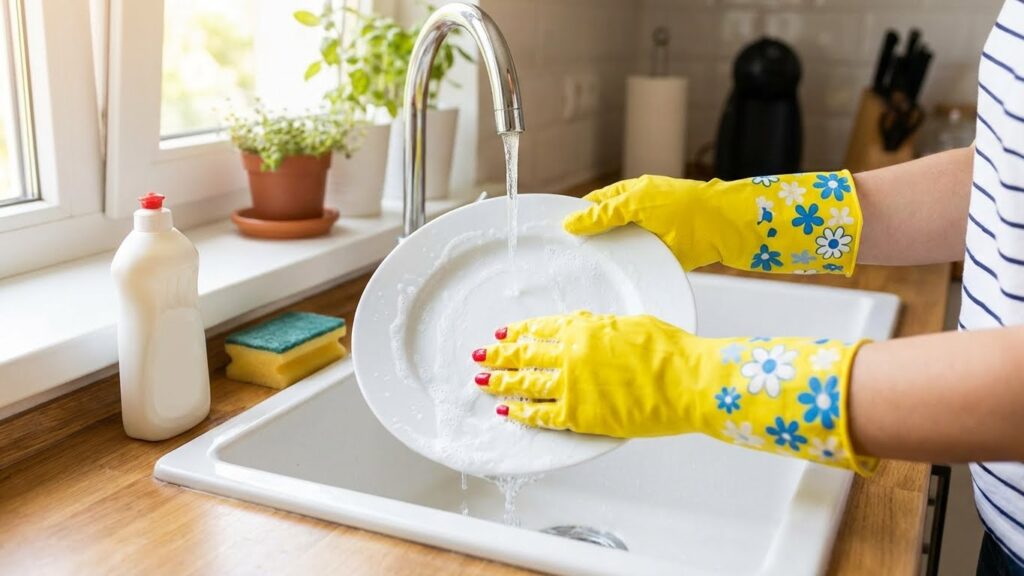
Protect the bond, keep the edges smooth, and feed the skin around your nails. Small daily habits prevent lifting and breakage.
Avoiding Water and Chemicals
Water and harsh chemicals weaken glue and soften nail tips. Wear rubber gloves for washing dishes, cleaning, or any task that soaks your hands for more than a few minutes. If you must get hands wet, dry them thoroughly and press each nail gently for 10–15 seconds to reseat the glue.
Avoid acetone, heavy cleaners, and strong detergents. Use a non-acetone polish remover if you need to remove polish on your fake nails. When using household cleaners, choose milder formulas or add a glove liner to reduce sweating inside gloves.
Limit long soaks like baths or swimming for the first 24–48 hours after application. Those initial hours are when the glue sets strongest, so extra moisture then raises the risk of lifting.
Gentle Filing and Maintenance
Trim and file only when necessary. If an edge lifts, file it gently with a fine-grit file to remove snags and prevent catching on fabric.
Keep a small nail file and a buffer in your bag. Lightly buff any rough spots and round sharp corners to reduce pressure points that cause peeling. Do not over-file the fake nail surface; that can weaken the tip or ruin the finish.
For press-ons, press back any loosened tips and add a small drop of nail glue under the lifted edge. Hold firmly for 30 seconds. For acrylic or gel fills, schedule a touch-up at the salon as soon as you notice growth or lifting to avoid bigger problems.
Using Cuticle Oil
Apply cuticle oil twice daily to the skin at the base of each nail. Oils like jojoba or vitamin E hydrate the skin and help the natural nail stay flexible under the fake nail.
Massage oil into the cuticle and the area where the fake nail meets your natural nail. This reduces brittleness and the chance of the natural nail lifting away from the glue.
Carry a small bottle or single-use drops for on-the-go use. Consistent oiling maintains a healthy nail bed and supports longer wear.
Common Mistakes That Lead to Lifting
Poor nail prep, wrong glue choices, and skipping simple aftercare are the main reasons fake nails lift early. Fixing these three areas stops most lifting issues and makes your set last longer.
Incorrect Preparation
If you skip cleaning, your fake nails won’t bond well. Remove oils with a nail cleanser or rubbing alcohol, then gently push back cuticles so the nail plate is clear. Any leftover skin or oil creates tiny gaps where moisture can collect and break the bond.
Avoid over-filing the natural nail. Lightly buff the surface to remove shine, but don’t thin the nail or create a jagged edge. Also make sure the nail is dry before you apply glue or adhesive tabs—trapped moisture causes lifting fast.
Improper Glue Usage
Using the wrong glue or too much glue weakens the hold. Use a nail glue made for press-ons or acrylics and apply a thin, even bead down the center of the fake nail or the natural nail. Too much glue takes longer to dry and can form bubbles that break the bond.
Press the tip down and hold for 10–15 seconds to let the glue set. If you see white residue or air pockets, remove and reapply. Old or thickened glue loses strength, so replace it if it becomes stringy or clumpy.
Skipping Aftercare Steps
You must avoid soaking hands in water for the first 12–24 hours. Water softens glue and makes edges lift. Wear gloves for dishes, cleaning, and gardening to protect the bond.
Keep nails trimmed and file lifted edges right away to prevent further catching. Reapply glue to small gaps when you spot them. Regular light maintenance—cleaning under the free edge and using cuticle oil on the surrounding skin—helps keep the nail bed healthy and the adhesive intact.
When to Remove and Replace Fake Nails
Watch for lifting, pain, or split edges, and remove nails before moisture, dirt, or pressure gets trapped under them. Use gentle tools and the right solvent to avoid damage when you take them off.
Recognizing Signs of Weak Adhesion
Look for any gap between the fake nail and your natural nail at the cuticle or sidewalls. Even a small lift lets water and bacteria in and can cause infection.
Notice bubbling, peeling, or a change in how the nail feels when you press it. If the tip catches on fabric or breaks easily, the bond is failing. Pain, redness, or swelling around the nail means remove the fake nail right away and consider seeing a clinician.
Track how long your nails normally last. If they start coming loose days earlier than usual, the adhesive or prep may be the problem. Replace nails when you see consistent lifting across multiple nails.
Safe Removal Techniques
Gather supplies: acetone or an acetone-based remover, a small bowl, nail file, cuticle pusher, cotton balls, foil, and a buffer. Work in a well-ventilated area and protect skin with petroleum jelly if needed.
Start by filing the topcoat to break the seal. Soak cotton in acetone, place it on the nail, and wrap with foil for 10–20 minutes. Check one nail first; if the product softens, gently push it off with a cuticle pusher. Do not force or pry.
For press-ons, try warm soapy water for 10–15 minutes first; if they still won’t budge, use adhesive remover or acetone. After removal, buff lightly, wash hands, and apply cuticle oil to rehydrate your nails and skin.
Professional Tips for Extra Durability
Use strong adhesives, proper surface prep, and steady application to make fake nails last. Pay attention to product quality and small technique details that pros use to avoid lifting and early loss.
Salon-Quality Products
Choose a high-bond nail glue labeled for acrylics or press-ons, not a craft glue. Look for formulas with cyanoacrylate and a thin tip applicator so you can place a small, controlled bead of glue near the cuticle without overflow.
Keep a 3-in-1 kit on hand: nail dehydrator, primer (acid-free if you have thin nails), and a high-bond glue. The dehydrator removes oils; primer improves chemical bonding. Replace glue every few months; expired glue loses hold.
For press-ons, use double-sided nail tabs only for short wear. For multi-week wear, pick a builder gel or dip powder system and a professional-strength resin. Store products in a cool, dry place to maintain shelf life and performance.
Expert Application Methods
File and buff the natural nail lightly to remove shine. Wipe with an alcohol or acetone wipe afterwards to remove dust and oils. Trim cuticles back just enough so the fake nail sits flat against the nail bed.
Apply a thin bead of glue to the fake nail, not the natural nail, then press from cuticle to free edge for 10–20 seconds. Hold with steady pressure and avoid sliding the tip as that traps air and causes lifting.
Seal the edges with thin layers of gel or top coat, curing between coats if using gel. For acrylics, ensure the sidewalls are sealed and the free edge is fully covered. Aftercare: avoid soaking hands in very hot water for the first 24 hours and wear gloves for heavy cleaning tasks.
FAQs
What makes fake nails lift or fall off?
Poor prep is the most common cause. If your natural nails have oil, lotion, or debris, glue won’t bond well. Light filing and wiping with alcohol before application helps a lot.
Which adhesive works best for press-ons?
Nail glue gives the strongest hold for short-term wear; adhesive tabs are gentler and easier to remove. Follow the glue maker’s instructions and press the nail down for 30 seconds to set the bond.
How long should fake nails last?
With proper prep and care, press-ons can last about a week or two, while salon acrylics or gels last longer. Your daily activities and nail growth affect wear time.
How do you fix a lifted nail without removing it?
Clean the area, apply a tiny dab of glue under the lift, then press and hold. Wipe away excess glue and avoid water for a few hours to let it cure.
Can fake nails damage your natural nails?
They can if you remove them roughly or skip breaks between sets. Use proper removal methods and moisturize your nails and cuticles. For guidance on safe removal, see the American Academy of Dermatology (https://www.aad.org).
Any tips to make them last longer?
Trim and file your natural nails, choose the right size press-on, and avoid using nails as tools. Regular maintenance and quality products make the biggest difference. For product safety and ingredient info, consult the U.S. Food & Drug Administration (https://www.fda.gov).
Conclusion
You can make fake nails last by focusing on three simple steps: prep, apply, and maintain. Clean, dry nails and light buffing give the glue the best chance to hold.
Use the right adhesive for your nail type and press-ons. Hold each nail firmly for at least 30 seconds so the bond sets, and avoid wetting your hands for an hour after application.
Small daily habits protect your manicure. Wear gloves for chores, trim hangnails, and avoid using your nails as tools. If a nail lifts, reapply glue quickly to stop water and dirt from weakening the bond.
Keep a small kit with glue, a buffer, and replacement nails. That lets you fix problems fast and extend wear without a salon visit.
Treat your natural nails gently between sets. Give them breaths of no glue, use cuticle oil, and file rather than rip to keep your nails healthy and ready for the next application.
Follow these steps and adjust based on how your nails and lifestyle respond. Your nails will stay put longer when you combine careful prep with steady aftercare.