
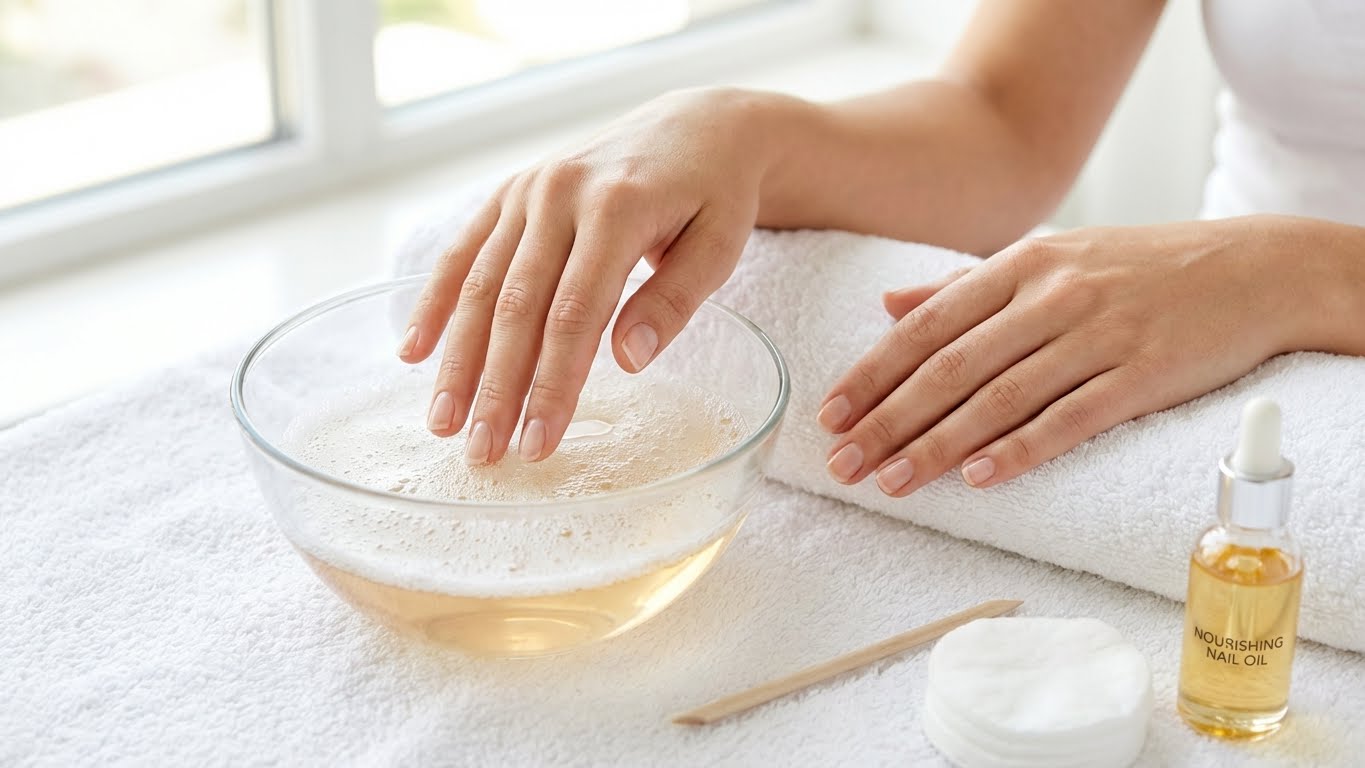
You want the fake nails gone without wrecking your real nails. Use acetone soak or a gentle filing-and-soak method to loosen the glue, protect the skin with petroleum jelly, and remove the fake nail slowly to avoid damage. If you soak the nails in acetone with cotton and foil for 10–20 minutes, the glue will soften and the fake nail can usually lift off without force.
Work patiently and keep your natural nails moist afterward to help them recover. Small steps and simple tools will save time and prevent pain, so stick with safe, steady removal rather than yanking or prying.
Key Takeaways
- Use a gentle soak or light filing to soften glue before lifting fake nails.
- Protect skin and avoid force to prevent nail damage.
- Moisturize and care for nails after removal to speed recovery.
Understanding Nail Glue on Fake Nails
Nail glue is a strong, fast-acting adhesive that creates a tight bond between a fake nail and your natural nail. Knowing what it is and how it bonds helps you remove it safely without damaging your nail bed or cuticle.
What Is Nail Glue
Nail glue is usually cyanoacrylate-based, the same family as super glue. It dries in seconds and forms a hard, clear film. Some formulas include stabilizers, plasticizers, or fillers to improve flexibility and prevent cracking.
You will find different viscosities: thin formulas spread easily and give a thinner bond, while thicker gels fill gaps under the tip. Many commercial nail glues come in small bottles with a precision nozzle or in single-use tabs.
Keep in mind that nail glue can irritate skin or cause allergic reactions in some people. If you get glue on skin, soak the area and avoid pulling glued skin forcefully to prevent injury.
How Nail Glue Bonds to Fake Nails
The glue forms a chemical bond with the fake nail surface and your natural nail. It wets the surfaces, then polymerizes (hardens) when moisture triggers the reaction. That rapid curing creates a very strong attachment.
Bond strength depends on surface prep. Dirt, oils, or moisture reduce adhesion, while a clean, lightly buffed natural nail increases it. Some fake nails have porous backs to let glue grip better; others use smooth plastic that relies on mechanical fit plus glue.
Removing glued nails works best when you break the bond slowly—soften the adhesive with acetone or oil and lift gently along the nail edge. Avoid forcing the nail off; that risks peeling layers from your natural nail.
Preparing for Nail Glue Removal
Gather the right items and take simple safety steps before you start. This helps protect your skin and natural nails and makes removal faster.
Materials Needed
- Acetone — Use 100% acetone in a glass or metal bowl for stubborn glue. It breaks down the adhesive fastest.
- Cotton balls or pads — These soak up acetone and press against the glued area.
- Aluminum foil or nail clips — Wrap soaked cotton against each nail to keep acetone in place for 10–20 minutes.
- Petroleum jelly — Apply a thin layer around cuticles and skin to protect from acetone.
- Cuticle pusher or orangewood stick — Gently lift softened glue or press-on edges after soaking.
- Nail file and buffer — Lightly file the top of fake nails to break the seal before soaking and buff away small residue after removal.
- Small bowl of warm, soapy water — Use for milder removal or to rinse off oils and residue.
- Towels and trash bag — Protect surfaces and discard used cotton and foil safely.
Keep all items within reach and work on a clean, well-lit surface.
Precautions to Take
Work in a well-ventilated room to avoid strong acetone fumes. Open a window or turn on a fan. Do not breathe acetone directly or use it near open flames.
Protect the skin around your nails with petroleum jelly. This prevents dryness and irritation from acetone. If you have sensitive skin or a cut, skip acetone and use warm soapy water and oil methods instead.
Test a small area first if you’re unsure how your skin reacts. Stop immediately if you feel burning, severe stinging, or see redness that spreads.
Avoid forcing or prying nails off. If glue won’t budge after soaking, repeat the soak process. For persistent glue or damage, visit a salon or a healthcare professional.
Gentle Methods to Get Nail Glue Off Fake Nails
You can loosen glue with water, dissolve it with acetone, or try gentler solvents if you can’t use acetone. Pick the method that fits your skin sensitivity, time, and available supplies.
Soaking in Warm Soapy Water
Soak your nails in a bowl of warm water and a few drops of gentle hand soap for 10–20 minutes. The warm water softens the glue and the soap helps break the bond.
After soaking, use an orange stick or a soft cuticle pusher to gently lift the edge of the fake nail. Work slowly and stop if you feel pulling or pain. If the nail won’t lift, soak for another 5–10 minutes rather than force it.
Pat your nails dry and apply a bit of cuticle oil or hand cream afterward. This keeps your skin and nails from drying out after extended soaking.
Using Acetone
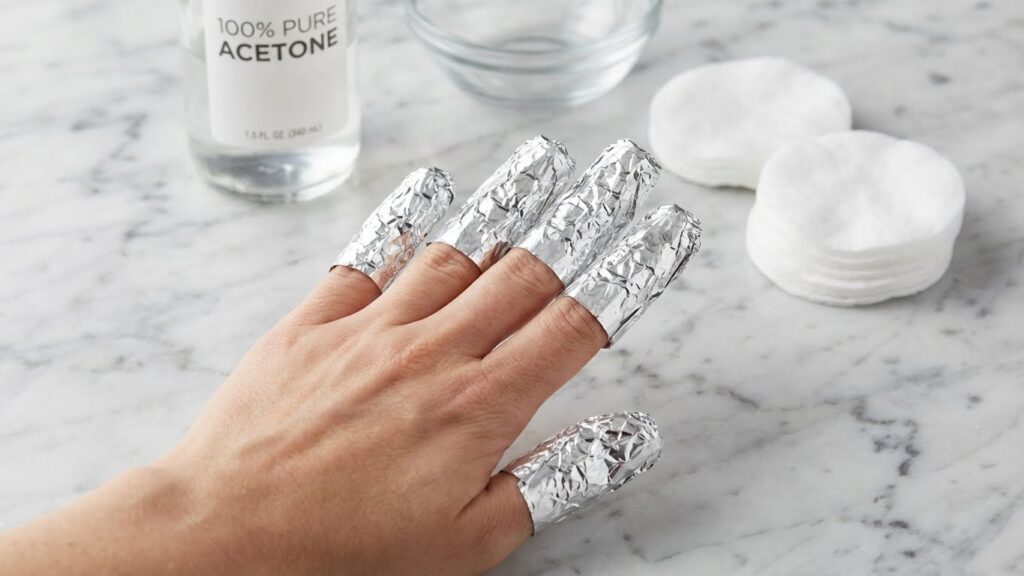
Place a cotton ball soaked in pure acetone on the glued nail and wrap the fingertip with foil. Keep it on for 10–15 minutes to let the acetone break down the glue. Check one nail first to judge timing.
After removing the wrap, push the fake nail gently with an orange stick. If glue still resists, re-soak the cotton and wrap again for another 5–10 minutes. Avoid excessive rubbing to protect the natural nail surface.
Use petroleum jelly on the surrounding skin before acetone to reduce irritation. Finish by rinsing with warm water and applying moisturizer or cuticle oil.
Non-Acetone Alternatives
If you can’t use acetone, try isopropyl alcohol (70–99%) or an oil soak with olive oil, coconut oil, or baby oil. Soak nails in oil for 15–30 minutes; the oil helps loosen the glue and protects your skin from drying.
Apply alcohol-soaked cotton to the nail and hold for several minutes, then gently lift with a cuticle pusher. Alcohol is slower than acetone but less harsh.
For stubborn spots, use a fine nail file to carefully remove glue residue. File lightly and stop frequently to avoid thinning your natural nail.
Detailed Steps for Safe Removal
You will need acetone, cotton balls, aluminum foil, a nail file, an orange stick, and a buffer. Work slowly, protect your skin, and stop if you feel sharp pain.
Step-by-Step Removal Process
- Prep: Trim any long free edge of the fake nail with clippers so the acetone reaches the glue better. File the top surface of the fake nail lightly to remove the shine; this helps acetone penetrate.
- Protect skin: Apply petroleum jelly around the cuticle and skin to reduce irritation from acetone.
- Soak method: Soak a cotton ball in pure acetone. Place it on the nail, then wrap the fingertip with aluminum foil to hold the cotton in place. Repeat for all nails.
- Wait and check: Leave wraps on for 10–20 minutes. Check one nail by gently pressing the edge of the fake nail with an orange stick.
- Remove: If the glue has softened, slide the fake nail off with the orange stick. Works slowly to avoid pulling. Rewrap and soak longer if it resists.
How to Handle Stubborn Glue
If the fake nail still sticks after the first soak, do not force it. File a thin layer of the fake nail surface to break the seal, then repeat the acetone soak. Use gentle scraping with an orange stick or cuticle pusher; keep motions parallel to the nail to avoid lifting your natural nail layers.
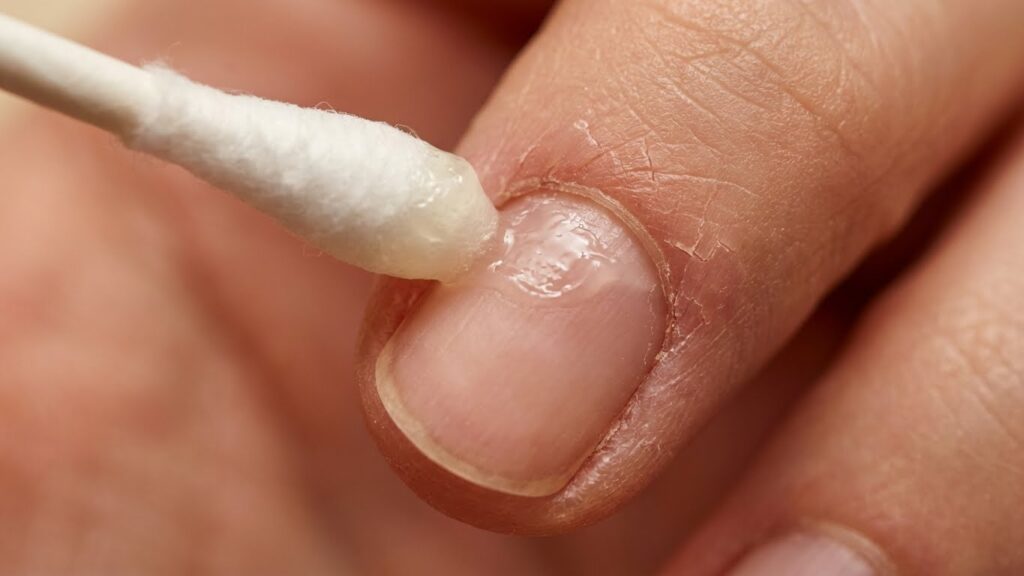
For glue on the skin, rub a little acetone on a cotton swab and gently roll the glue off. If acetone irritates your skin, stop and wash immediately with soap and water, then apply moisturizer. After removal, buff your natural nail lightly and apply a strengthening oil or lotion to help restore moisture.
Aftercare for Nails Post-Removal
Focus on rehydrating the nail plate, protecting the cuticle, and watching for signs of lifting, thinning, or infection. Use simple, low-risk products and gentle habits to help nails recover.
Moisturizing and Nail Care
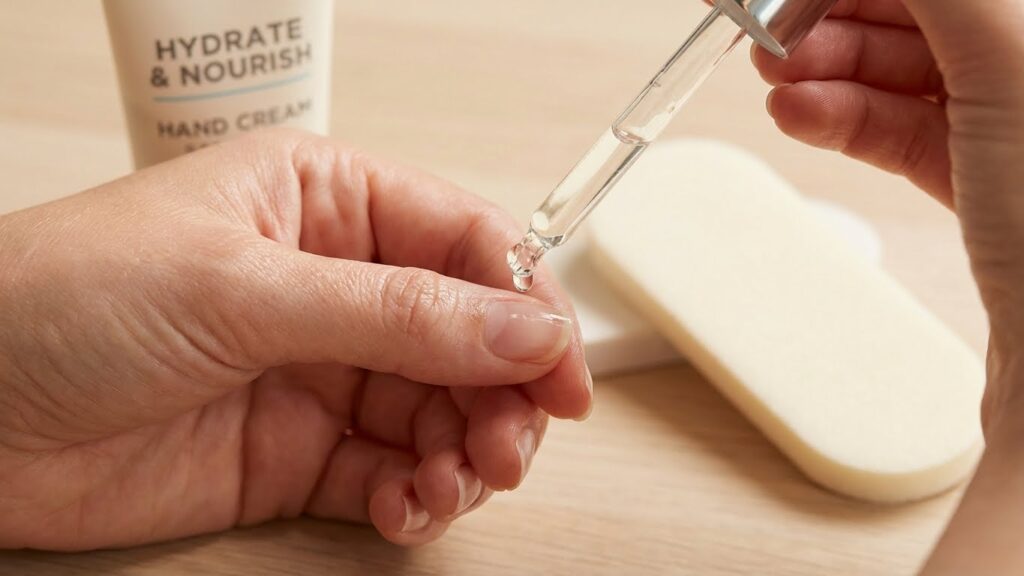
Apply a nourishing oil to each nail and cuticle twice daily for at least two weeks. Choose cuticle oil with vitamin E, jojoba, or almond oil, and massage it in for 30–60 seconds to boost blood flow and hydration.
Keep nails short and file them straight across to prevent snagging. Use a fine-grit file and work in one direction to avoid peeling. If nails feel dry, soak them for 5–10 minutes in warm water with a drop of mild soap before applying oil.
Use a plain, hydrating hand cream after washing hands. Avoid harsh acetone or frequent manicures for a week. If you want a protective layer, apply a strengthening base coat containing keratin or calcium, but stop use if irritation appears.
Signs of Nail Damage
Look for these clear signs: white spots (surface lifts), vertical ridges, thinning or transparent tips, and persistent redness around the cuticle. Any pain, swelling, or pus needs prompt medical attention.
Minor peeling or rough edges can often improve with oil and short-term protection. If nails split repeatedly or lose more than a small layer of the plate, stop all nail treatments and give nails a full month to recover.
Track changes by taking a photo when you finish removal and again each week. This helps you spot slow recovery or worsening issues and decide if you should see a dermatologist.
Preventing Nail Glue Residue in the Future
Keep nails clean, use the right glue amount, and protect the skin around your nail. Small prep steps and careful application prevent most residue and make removal easier.
Best Application Practices
Prep each nail by washing with soap and water, then gently buff the nail surface with a fine nail file to remove oils and shine. Wipe nails with a lint-free pad and a bit of rubbing alcohol so glue bonds to nail, not skin.
Use a tiny drop of glue near the center of the fake nail instead of a line across the edge. Press the fake nail down starting at the cuticle and roll it forward; this pushes out air and excess glue. Have a cotton swab and acetone nearby to wipe a small squeeze of glue from the skin immediately.
Avoid skin contact by applying a thin ring of petroleum jelly around the nail base before you glue. Work on a flat surface with good light so you can see drips. Wait the full cure time on the glue label before using your hands.
Choosing Quality Nail Glues
Pick a glue with a clear label for use with press-on or acrylic nails and a moderate drying time (10–30 seconds) so you can position nails without rushing. Glues labeled “skin-safe” reduce irritation if small amounts touch your skin.
Look for glues that list cyanoacrylate as the main ingredient but also include additives for flexibility; these hold better and are less likely to flake into residue. Avoid overly watery formulas that run under the edge of the fake nail.
Buy from known brands and check reviews about residue and removal. Smaller bottles with a narrow applicator tip give better control than wide-mouth containers, which lowers the chance of spills and leftover glue on the skin.
Common Mistakes to Avoid During Removal
Avoid shortcuts and harsh tools that can tear or burn your natural nail. Use gentle, patient steps and the right products to protect your nail bed and skin.
Rushing the Process
If you pull a glued-on nail before the adhesive softens, you risk peeling layers from your natural nail. Soak the nail in 100% acetone or warm soapy water until the glue loosens. This can take 10–30 minutes depending on glue type.
Work slowly after soaking. Use an orange stick or cuticle pusher to gently lift the fake nail edge. Stop if you feel pain or resistance. Repeat soaking rather than forcing the nail off.
Finish by filing away remaining residue with a soft buffer and applying cuticle oil. This reduces lifting, splits, and thin spots that come from hurried removal.
Using Dangerous Tools
Never use metal picks, razor blades, or scissors to pry glue off. Those tools can cut your skin or gouge the nail plate in one slip.
If glue seems impossible to remove, choose a nail file, acetone-soaked cotton, or a professional manicure tool designed for glued nails. Use a coarse file only on the fake nail, not on your natural surface.
Keep a bowl of warm water nearby to soothe skin and stop if you notice redness, bleeding, or severe pain. If damage occurs, seek a professional rather than trying deeper DIY fixes.
FAQs
What if the glue won’t come off after soaking?
Try repeating short acetone soaks and gently pushing the fake nail with an orange stick. Be patient — forcing the nail can lift or tear your natural nail. If you feel pain, stop and see a pro.
Can you use household items instead of acetone?
You can try warm, soapy water and a nail buffer for light residue. For stronger glue, pure acetone works best. The American Academy of Dermatology has basic nail care tips you may find helpful: https://www.aad.org.
Is acetone safe for your skin and nails?
Acetone dries skin and cuticles, so protect the skin with petroleum jelly and moisturize after. Use shortsoaks and limit exposure to avoid brittle nails.
How do you remove glue from skin without scrubbing?
Apply oil (like olive or coconut) and rub gently until glue loosens. For small spots, an acetone-soaked cotton swab works, but rinse and moisturize right away.
When should you see a salon or doctor?
Visit a salon if nails still stick after home care or if you worry about damage. See a doctor if you get persistent pain, swelling, or signs of infection.
Can removal damage your natural nails?
Yes, improper prying or clipping can thin or tear nails. Use gentle soaking, soft tools, and avoid force to keep your natural nails healthy. For step-by-step removal guides, check a trusted nail-care resource like the NHS or a professional salon site.
Conclusion
You can remove nail glue from fake nails without damaging your natural nails if you take your time and use the right method. Choose acetone soak for strong glue, oil or warm soapy water for light residue, and gentle filing for stubborn spots.
Protect your skin and cuticles while you work. Apply cuticle oil or petroleum jelly around the nail, and stop if you feel pain or excessive scraping.
Keep your nails hydrated after removal. Rub in cuticle oil, moisturize your hands, and avoid harsh chemicals for a day or two to help nails recover.
If you find the glue too stubborn or the nails painful to remove, see a salon or a professional. A trained technician can remove glue safely and prevent lasting damage.
Quick reference
- Soak: use acetone for 10–20 minutes for strong glue.
- Gentle methods: warm soapy water, oil, or commercial removers for light residue.
- Finish: file lightly, buff, and moisturize.
Follow these steps and you’ll reduce the risk of damage while getting glue-free nails.