
Fake nails can trap moisture and lift away from your natural nail, creating a warm spot where fungus grows. Act fast: remove the fake nail safely, clean the area, and start antifungal treatment so the infection doesn’t spread or get worse. Removing the acrylic or gel and using proven antifungal treatments-topical or prescription oral medicines—gives you the best chance to clear the fungus and let your nail grow back healthy.
You’ll learn simple steps to spot infection early, treat it effectively at home or with a doctor, and prevent it from coming back when you wear fake nails again. Follow practical tips on cleaning, treatment choices, and when to see a medical professional so you can get your nails back on track.
Key Takeaways
- Remove the fake nail, clean the nail bed, and begin treatment promptly.
- Use proven antifungal options and consult a medical professional if needed.
- Practice dry, clean nail care and safe fake-nail habits to prevent recurrence.
Understanding Nail Fungus From Fake Nails
Fake nails can trap moisture and lift at the nail edge, creating places where fungi grow. You need to know how the fungus gets under artificial nails, what signs to watch for, and why you should treat it early.
What Causes Nail Fungus Under Fake Nails
Fungi enter when the seal between your natural nail and the fake nail breaks. Lifting, gaps, or thin adhesive allow water and dirt to sit under the nail. Moist, dark spaces feed dermatophytes and yeasts that cause onychomycosis.
Salon tools or glue that are not properly sanitized can transfer fungal spores. Long wear of acrylics or gels increases risk because the natural nail can weaken and thin. Ill-fitting nail tips and aggressive filing of the nail plate also damage your nail’s protective layer and make infection more likely.
Some personal factors raise your risk too: a history of athlete’s foot, weakened immune system, diabetes, or poor circulation. If you sweat heavily or expose your hands to water for long periods, fungus finds a better environment under artificial nails.
Signs and Symptoms to Watch For
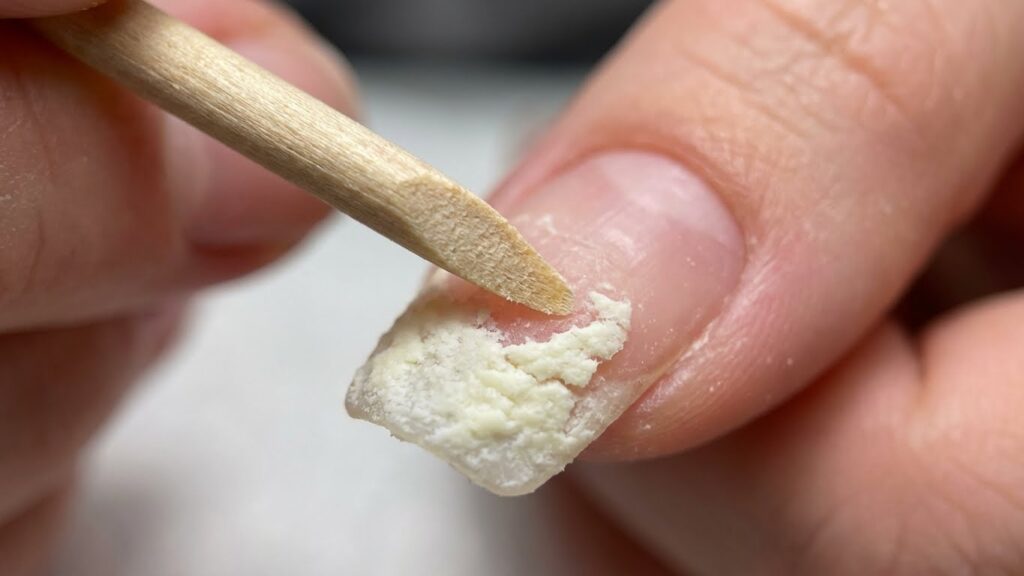
Look for color changes like white, yellow, or brown spots near the nail edge or under the fake nail. The nail may thicken, crumble at the tip, or develop brittle edges that snip away easily. You might notice a foul or musty smell coming from under the nail.
Pay attention to lifting of the fake nail or increased gap between the artificial and natural nail. Pain or pressure when you press on the nail can indicate deeper infection. Small white dots that spread toward the cuticle often mean the fungus is moving under the plate.
If you see any of these signs, remove the fake nail and inspect the natural nail. Early detection makes treatment easier and limits spread to other nails.
Risks of Leaving Nail Fungus Untreated
Untreated nail fungus can destroy the nail plate, causing permanent thickening and deformity. The infection may spread to nearby nails or skin, leading to athlete’s foot or chronic skin infections. That spread raises the chance you’ll need long-term prescription treatment.
You may face more pain while wearing shoes or using your hands, and nails can become a source of bad odor. For people with diabetes or weak immunity, a nail infection can lead to more serious skin infections and delayed healing from small injuries.
Leaving fungus under fake nails also risks reinfection after treatment if the artificial nails or salon tools remain contaminated. Consider removing fake nails and treating both the nail and your manicure routine to reduce recurrence.
Immediate Steps to Take When You Notice Nail Fungus
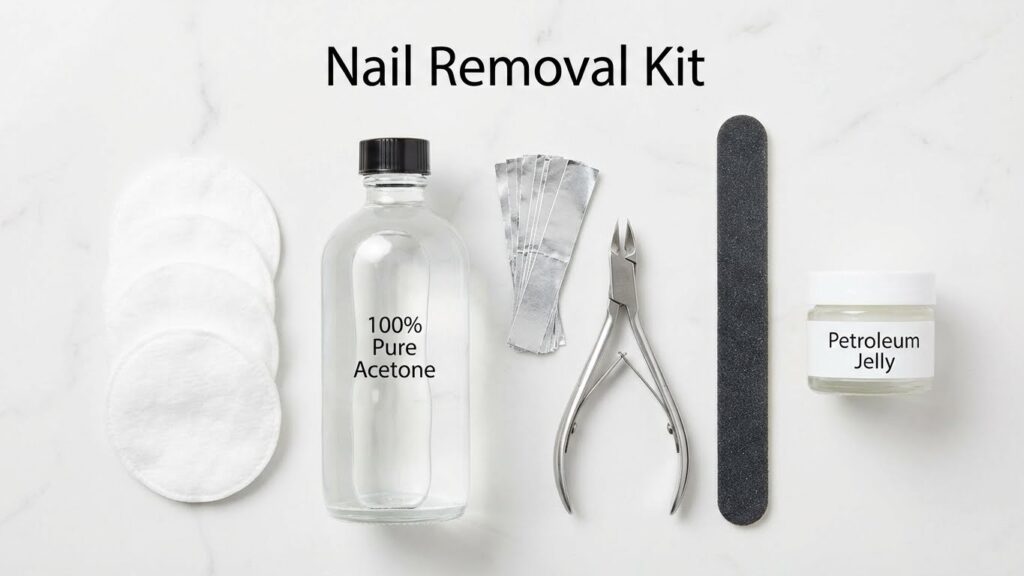
Act quickly: remove the fake nail safely, clean the area, and disinfect tools and surrounding skin to limit spread. Work in a well-lit area with clean hands and gather acetone, cotton pads, a nail file, soap, and a disinfectant.
Safely Removing Fake Nails
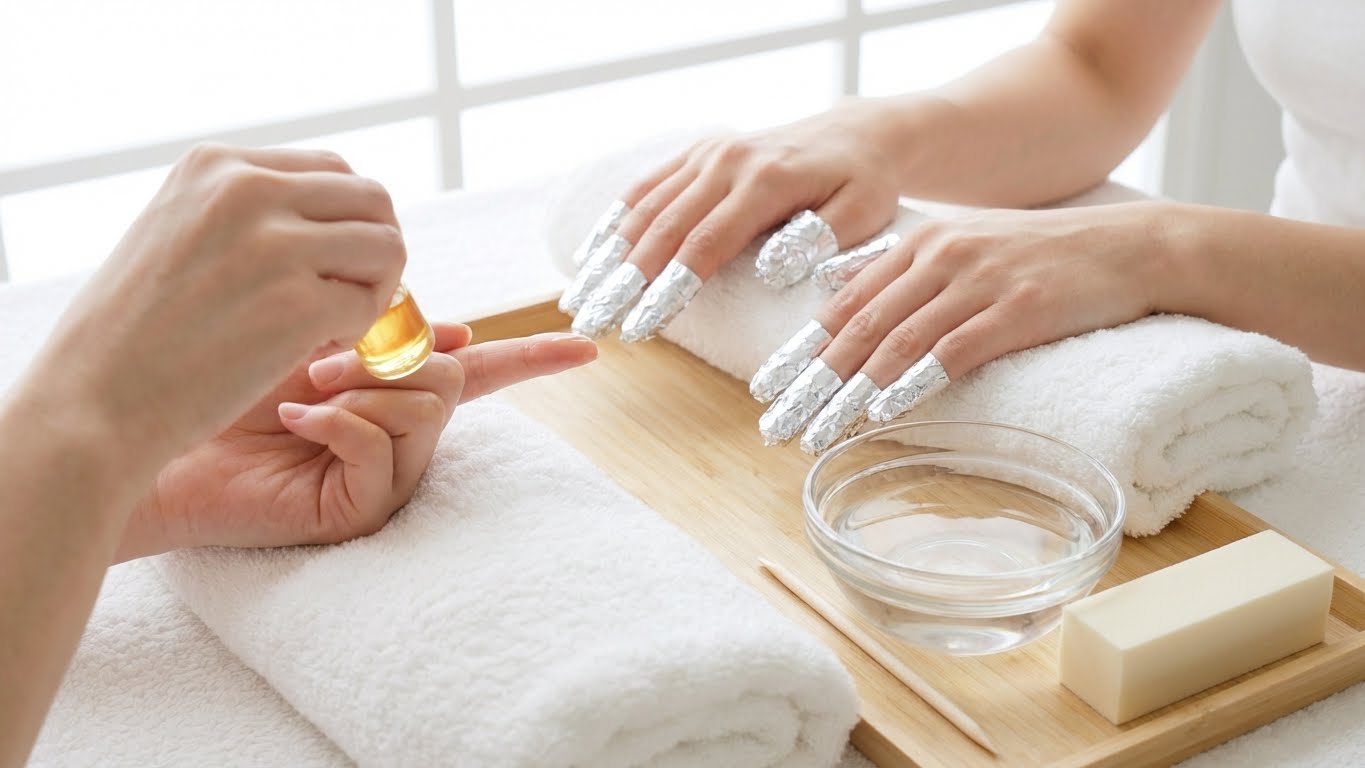
Soak a cotton pad in pure acetone and place it over the fake nail. Wrap the fingertip in aluminum foil or use a soak-off clip and wait 15–30 minutes until the adhesive softens.
Gently push the fake nail off with an orange stick or cuticle pusher. Stop if you feel pain or resistance; force can tear the natural nail and worsen infection. If the fake nail does not lift, repeat the soak rather than prying.
File any remaining glue or acrylic lightly on the surface. Avoid deep filing into the nail plate. Trim loose or thickened nail edges with clean clippers to reduce debris that traps fungus.
Cleaning and Disinfecting Affected Nails
Wash your hands and the affected finger with warm water and antibacterial soap for at least 20 seconds. Dry thoroughly; fungus grows in moisture, so use a clean towel or a paper towel and pat dry.
Use a 70% isopropyl alcohol wipe or a diluted bleach solution (1 part household bleach to 10 parts water) to disinfect the nail, surrounding skin, and your tools. Apply for at least 30 seconds, then rinse and dry.
Discard any disposable materials (cotton pads, foil) used during removal. Soak reusable tools in hot, soapy water and then in a disinfectant (70% alcohol or an EPA-registered disinfectant) for the time listed on the product label before drying and storing.
Effective Treatment Options for Nail Fungus
You can treat fungal infections under or around fake nails with topical creams, medicated lacquers, or prescription pills. Removing the artificial nail before treatment and keeping the area clean speeds healing.
Over-the-Counter Antifungal Treatments
OTC options include antifungal creams, ointments, and medicated nail lacquers you apply directly to the nail and surrounding skin. Look for active ingredients like clotrimazole or undecylenic acid; these work best when you use them every day and keep the nail dry.
Remove the fake nail first so the medicine reaches the infected area. File down thickened nail edges gently and clean the site before each application.
Use a nail brush and alcohol or antifungal cleanser to reduce surface spores. Expect slow improvement — several months — and stop if you get a rash. If you see no change after 2–3 months, get medical advice.
Prescription Medications for Severe Cases
If the infection is extensive or OTC treatments fail, a doctor may prescribe oral antifungals such as terbinafine or itraconazole. These drugs reach fungus inside the nail and usually work faster than topical products.
Your provider will check for drug interactions and liver issues before starting pills. Typical courses last 6–12 weeks, but full nail regrowth can take months.
For localized severe cases, a clinician might remove the artificial or natural nail temporarily to apply medication under it or perform permanent nail removal in rare cases. Follow dosing instructions exactly and attend follow-up tests if your doctor orders them.
Natural Remedies to Help Eliminate Nail Fungus
You can try home treatments that reduce fungus under fake nails and help healthy nail growth. Pay attention to consistent care, drying the area, and stopping product use that traps moisture.
Home Remedies That May Help
- Soak with diluted vinegar — Mix one part white or apple cider vinegar with two parts warm water. Soak the affected nail for 10–15 minutes daily, then dry the area thoroughly. Vinegar can lower pH and slow fungal growth.
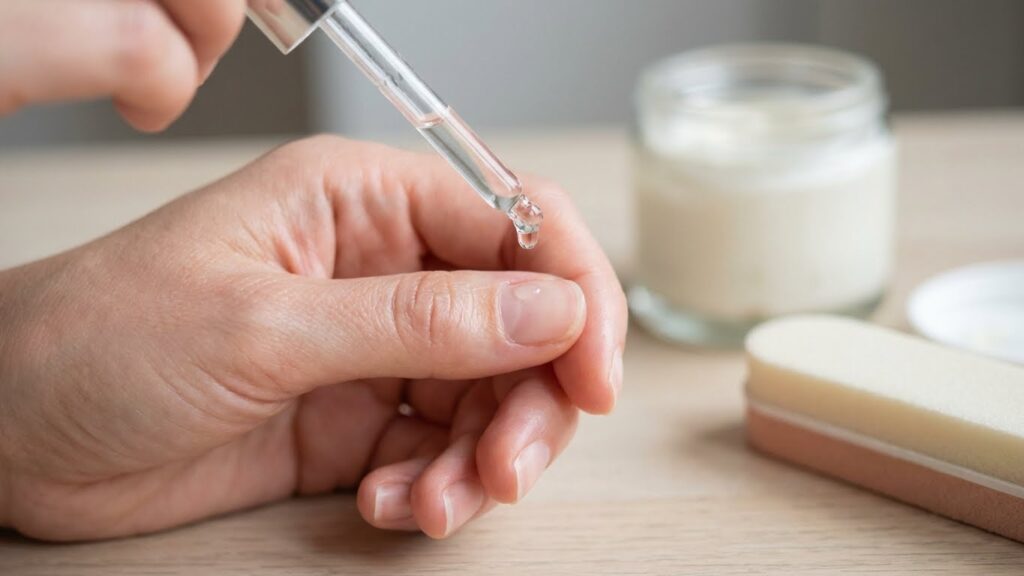
- Apply tea tree oil — Use a drop of 100% tea tree or an antifungal essential oil on the nail once or twice daily. Put it on clean, dry skin and avoid using undiluted oil on irritated skin.
- Use hydrogen peroxide or diluted antiseptics — Dab a small amount on the nail to help reduce surface fungi. Do not overuse; stop if you get strong irritation.
- Keep nails trimmed and fill gaps — Carefully trim or file away loose fake nail material and damaged nail. Use a new, clean file and disinfect tools after each use.
- Maintain dry, breathable conditions — Wear open shoes at home, change socks daily, and avoid sealing the nail with polish while treating the fungus.
Precautions With Natural Treatments
- Watch for skin irritation — Stop any remedy that causes redness, burning, or swelling. Essential oils and concentrated antiseptics can irritate or damage skin and surrounding healthy nail.
- Avoid masking infections — Do not repeatedly apply fake nails or nail polish over an infected nail. That traps moisture and lets fungus grow deeper.
- Combine with medical care when needed — If the nail worsens, the infection spreads, or you have diabetes or poor circulation, see a clinician promptly. Prescription topical or oral antifungals often work better for stubborn infections.
- Use clean tools and hygiene — Disinfect brushes, files, and clippers. Wash hands and dry nails fully before treatment. Sharing tools can pass fungus to others.
Nail Care Hygiene to Prevent Recurrence
Keep nails dry, clean, and free of debris. Focus on tool sanitation and choosing salons that use single-use or properly sterilized equipment.
Cleaning Tools and Hands Properly
Wash your hands and feet with soap and water after removing fake nails and dry thoroughly, especially between toes and around nail folds. Moisture lets fungus grow, so use a clean towel or a hair dryer on low to finish drying.
Disinfect metal tools after each use. Soak clippers, cuticle pushers, and files in 70% isopropyl alcohol for at least 10 minutes or use a commercial EPA-registered disinfectant labeled for salon tools. Replace foam or wooden files and buffers after one use.
Store tools in a dry, clean container. Replace disposable items after every treatment. If you treat nails at home, apply an antifungal topical as directed and let nails breathe between artificial sets for several weeks to check for recurrence.
Choosing Safe Nail Salons
Pick salons that clearly show licensing and sanitation protocols. Ask staff whether they use hospital-grade autoclaves or single-use disposables for items that touch your nails.
Watch for these practices when you visit:
- Tools sealed in sterilized pouches until opened.
- Fresh liners in foot tubs or single-use basin inserts.
- Technicians washing hands and wearing gloves for nail procedures.
If a salon uses only chemical soak disinfectants, confirm they follow contact-time instructions and replace solutions regularly. Leave immediately if tools look rusty, stored wet, or if technicians skip hygiene steps.
Signs You Should See a Medical Professional
If your fake nail area becomes painful, spreads, or shows major color or texture changes, get medical care. Quick action prevents deeper infection and stops fungus from returning to real nails.
When To Seek Help
Seek care if you notice any of these signs: increasing pain, redness, swelling, pus, or a nail lifting away from the nail bed. Also see a doctor when discoloration spreads under the artificial nail or the real nail becomes thick, crumbly, or foul-smelling.
If you have diabetes, a weakened immune system, poor circulation, or peripheral neuropathy, contact a clinician at the first sign of trouble. These conditions raise the risk of serious infections and slow healing.
Bring photos of the nail before and after applying the fake nail, and tell the provider which products or adhesives you used. Expect them to examine the nail, possibly take a nail clipping or culture, and recommend topical or oral antifungals or removing the artificial nail.
Potential Complications to Consider
Untreated fungal infection under a fake nail can spread to the surrounding skin, cause painful ingrown nails, or permanently damage the nail matrix. Permanent nail deformity can occur if the infection reaches the growth zone.
Secondary bacterial infection is common when the skin breaks or the nail lifts. Bacterial infection can cause more swelling, drainage, and faster tissue damage. This may require antibiotics in addition to antifungal therapy.
If you delay treatment, the fungus can spread to other nails or to family members through shared tools or footwear. A clinician can advise on treatment, nail care steps, and measures to prevent reinfection, such as disinfecting tools and avoiding salon reuse of non-sterile equipment.
Tips for Wearing Fake Nails After Healing
Start slowly and choose products and habits that lower infection risk. Focus on breathable, well-fitted options and use safe removal tools and techniques.
Choosing Healthy Nail Products
Pick nails and adhesives labeled breathable or non-porous to cut moisture buildup that feeds fungus. For press-ons, choose high‑quality resin or medical‑grade adhesive tabs. If you prefer acrylic or gel, ask for a saline‑based primer instead of strong acids and insist on a thin natural nail prep to avoid over‑filing.
Use nail glue with FDA‑cleared ingredients when possible, and avoid products with formaldehyde or toluene. Choose non‑occlusive topcoats and finishers that allow some moisture exchange. Keep a separate, clean bottle of acetone‑free remover for touchups.
Replace worn sets every 2–3 weeks and discard reusable forms or adhesives after signs of wear. Clean reusable tips with 70% isopropyl alcohol and let them fully dry before reusing.
Practicing Safe Application and Removal
Have a trained technician do full sets and fills in a clean salon that uses sterilized or single‑use tools. Watch that they file the free edge only and avoid aggressive buffing of the nail plate. If you do at-home application, follow the manufacturer’s prep steps exactly and never skip nail cleansing.
When removing, soak in acetone or use the manufacturer’s remover wrap; never pry or peel artificial nails. Peeling lifts the nail plate and creates gaps where fungus can enter. After removal, dry your nails fully and apply an antifungal or healing oil if your doctor advised it.
If you notice redness, thickening, odor, or persistent discoloration, stop using fake nails and see a healthcare provider before reapplying.
FAQs
What causes nail fungus under fake nails?
Fungi get in through gaps between the artificial nail and your natural nail. The space stays warm and moist, which helps the fungus grow. Poor application or lifting of acrylics or gels raises the risk.
How will you know if you have a fungal infection?
Look for yellowing, thickening, crumbling, or an odd smell. Pain or greenish discoloration can mean a bacterial mix. See a clinician for a clear diagnosis and possible culture.
Can you treat fungus without removing fake nails?
You should remove them to let medication reach the nail and nail bed. Topical creams alone rarely cure infections under acrylics. For guidance, check trusted sources like the CDC for fungal infection info.
Do over-the-counter remedies work?
OTC antifungal creams may help mild cases but often take much longer and may fail for severe infections. Prescription oral or topical antifungals clear many cases faster. Ask your provider about risks and interactions.
How long does treatment take?
Treatment can take months because the nail must grow out healthy. Toenails often need longer than fingernails. Your doctor will monitor progress and adjust treatment as needed.
How can you prevent reinfection?
Keep nails dry and clean, avoid reapplying artificial nails until fully healed, and choose a reputable salon that sanitizes tools. Replace or disinfect nail tools and nail polish to reduce the chance of return.
Conclusion
You can stop and treat nail fungus that grows under fake nails by acting quickly and following clear steps. Remove the artificial nail to let the area breathe and to make treatment possible. Clean the nail bed, keep it dry, and avoid sealing moisture under new enhancements.
See a healthcare professional if the infection is painful, spreading, or not improving. Prescription antifungal creams or oral medicines work better for many cases than over-the-counter remedies. A clinician can confirm the diagnosis and pick the right treatment for you.
Prevent future infections by keeping nails dry and clean, using reputable salons, and avoiding nail glue or acrylic when your natural nails are weak. Replace tools that may harbor fungi and sanitize regularly. Choose breathable nail options and give your nails breaks between sets.
If you prefer home care, try consistent, proven steps: remove the fake nail, clean the area, apply recommended topical treatment, and monitor progress. Track changes and stop any cosmetic service if you notice lifting, discoloration, or odor.
Bold steps and steady care help restore nail health. You can reduce recurrence by combining safe salon habits with proper treatment and follow-up.