
How to Keep Kids’ Nails Clean: A Practical Guide for Parents and Caregivers

Clean kids’ nails are less about perfection and more about a simple routine that fits real life. Children touch everything, dig in dirt, snack with sticky fingers, and often forget to wash the edges of their nails well. The goal is not to keep every nail spotless all day. The goal is to keep nails short, clean, and comfortable so dirt has fewer places to hide and skin around the nails stays intact.
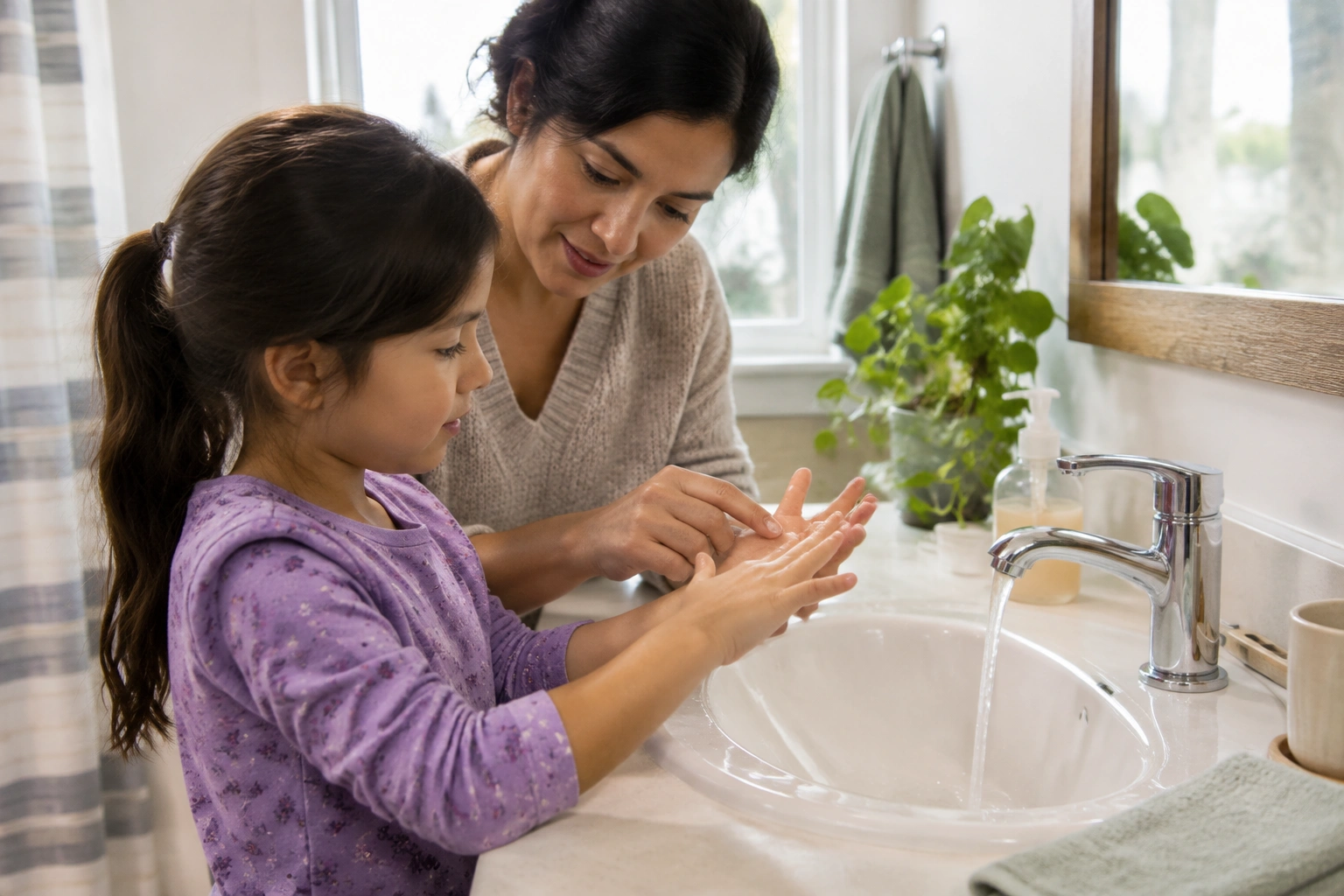
A calm routine works better than a rushed one. In practice, that means handwashing with soap and warm water, a gentle check for debris, regular trimming, and a soft brush only when needed. If you build those habits into bath time or the after-play cleanup, nail care becomes much easier for both you and your child.
How to Keep Kids’ Nails Clean: The Simple Routine
A good nail-cleaning routine has four parts: wash, check, trim, and smooth. Handwashing removes most surface grime. A quick visual check tells you whether dirt has collected under the nails or whether a hangnail is forming. Trimming keeps the nail edge from trapping debris. Filing or smoothing helps prevent snags that can tear skin.
For many families, the easiest rhythm is daily handwashing, a nail check every few days, and trimming about once a week or as needed. If your child plays outside, paints, handles sand, or gets into gardening soil, check the nails after those activities. You do not need to scrub deeply every time. Often, a thorough wash and a brief brush of the fingertips is enough.
If you want one rule to remember, make it this: short, clean, smooth nails are easier to maintain than long, uneven ones. Short nails also tend to catch less dirt and are less likely to snag on clothing or scratch skin. That matters especially for younger kids who rub their faces, bite their nails, or put their hands in their mouths.
How Often to Wash and Check Kids’ Nails
Handwashing should happen throughout the day, especially before meals, after bathroom use, after outdoor play, and after messy activities. When children are learning the habit, include the fingertips and nail edges in the wash. That extra few seconds helps lift away grime that sits around the nail line.
A nail check does not need to be a formal event. You can glance at the nails after bath time, before bed, or while drying hands after washing. If you notice visible dirt, trim the nail if it is getting long, or clean gently with soap and water.
Trimming frequency depends on the child and how quickly the nails grow. Some children need it weekly; others can go a little longer. Fingernails usually need attention more often than toenails because they grow faster and collect more debris from play and eating. Toenails can often be checked and trimmed less frequently, but they should still be kept straight and not left so long that they press into shoes.
A simple way to remember the schedule:
– Daily: wash hands well and check for visible dirt.
– Weekly: trim nails if they are getting long or sharp.
– After messy play: clean, inspect, and dry thoroughly.
Best Tools for Cleaning Children’s Nails
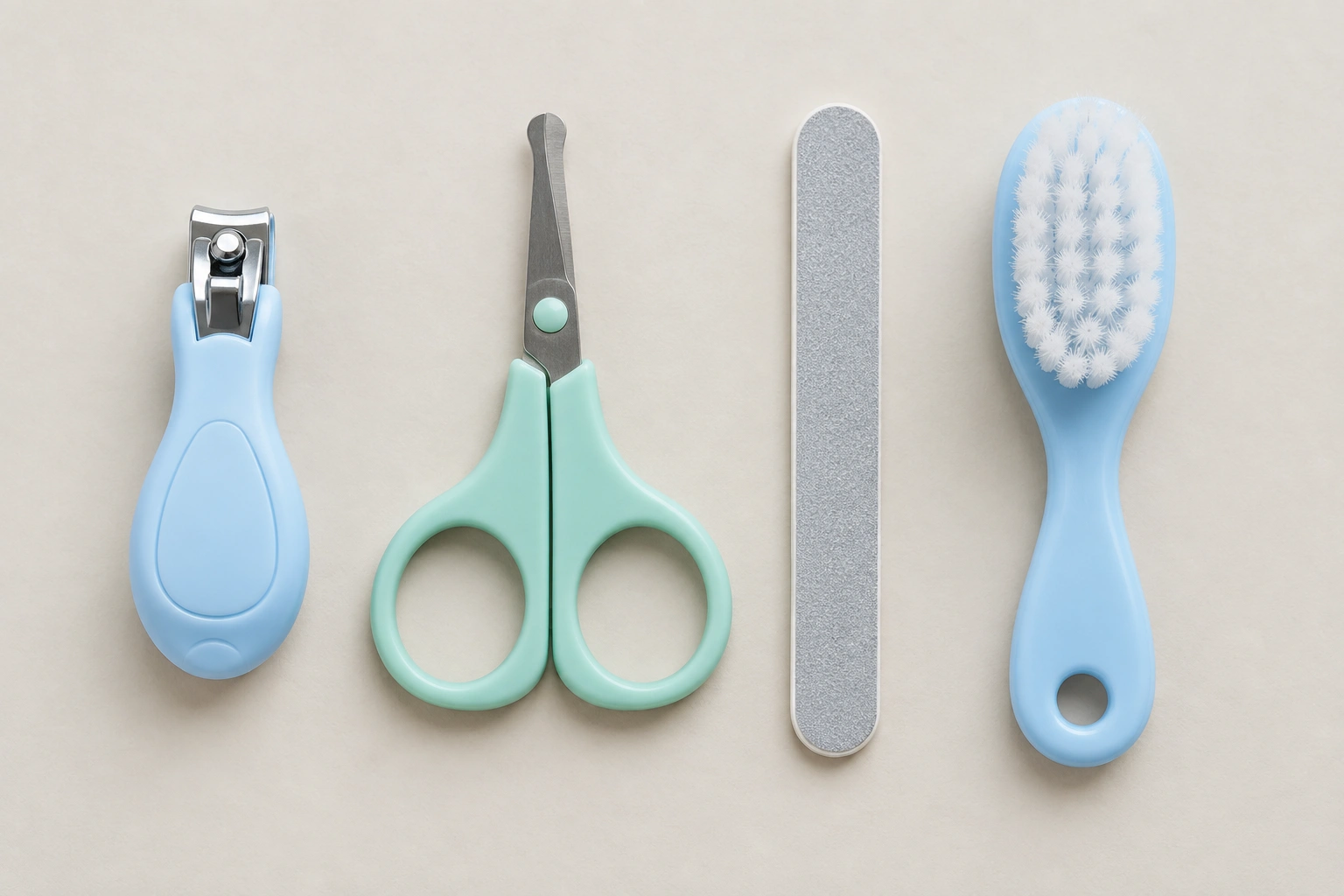
The safest tool is the one that matches your child’s age, nail size, and tolerance. Here is a practical comparison.
| Tool | Best for | Safety level | Best use case | Trade-off |
|---|---|---|---|---|
| Nail clippers | Babies, toddlers, older children | High when used carefully | Quick trimming of fingernails and toenails | Fast, but less forgiving if the child moves |
| Nail scissors | Babies and very small nails | High with good control | Tiny nails where precision matters | Slower than clippers and needs a steadier hand |
| Emery board | Babies, toddlers, older children | Very high | Smoothing rough edges after trimming | Does not shorten nails quickly |
| Soft nail brush | Toddlers, older children | High | Cleaning dirt from fingertips and under nails during washing | Helpful for debris, but not a substitute for trimming |
For tiny, wriggly fingers, many caregivers prefer nail scissors or baby clippers because they offer more control. For older children, a standard clipper is usually efficient. An emery board is useful when a nail edge feels sharp but cutting would be too much. A soft nail brush can help after outdoor play, especially when dirt is packed around the fingertips.
If you keep one tool at the sink, choose a soft brush with gentle bristles rather than anything stiff or sharp. A soft brush can be a practical everyday option for light cleanup when used gently and rinsed often.
How to Clean Dirt from Under Nails Safely
The safest method is gentle, not aggressive. First wash the hands with warm water and soap. Then use a soft nail brush or the pad of your own thumb to loosen debris at the edge of the nail. Rinse well and dry completely.
Avoid digging under the nail with a pointed tool, toothpick, or sharp edge. That can irritate the skin, create tiny tears, and make the area more prone to soreness. If dirt remains after washing, it is usually better to repeat the wash than to scrape harder.
For very small babies, keep it simple: wash with soap and warm water, then wipe or brush lightly around the nail edge if needed. For toddlers and older children, a soft brush can be used a little more directly, but still gently.
A useful sequence for a child who comes in from the yard:
1. Wash hands with warm water and soap.
2. Brush lightly around the fingertips and nail edges.
3. Rinse.
4. Dry carefully, including between the fingers and around the nails.
5. Trim only if needed and if the child is calm enough for it.
Soaking can soften stuck debris, but it is optional and should be brief if you use it at all. Brushing after washing is usually the main cleaning step, and special products are not necessary for routine care. Harsh chemicals and antiseptic soaks are not needed for everyday nail cleaning.
Safe Nail-Cutting Tips by Age: Babies, Toddlers, and Older Kids
Babies
Baby nails are tiny and delicate, and babies often move without warning. The safest time to trim is usually after a bath or when the baby is sleepy and calm. Hold the finger steady, press the fingertip pad slightly away from the nail, and clip only the free edge. Use baby nail clippers or small nail scissors with care.
Do not try to cut too close to the skin. A small amount of white edge is safer than a too-short cut that can cause irritation. If your baby’s nails feel rough between trims, smooth them with an emery board rather than cutting again.
Toddlers
Toddlers are busy and rarely interested in sitting still. Trimming after bath time often helps because nails are softer and the child is already in a hygiene routine. Keep the session short. Clip straight across for toenails and gently round the corners of fingernails if needed, being careful not to cut into the skin.
For toddlers who fight nail trimming, one hand at a time works better than trying to finish all ten fingers in one go. You can also trim a few nails during a calm moment and finish later. That is safer than forcing the issue.
Older children
Older kids can help with the routine. They can wash, dry, and even check their own nails before you trim. This is a good stage to teach them why short nails are easier to keep clean and less likely to snag. Some older children can use an emery board on sharp edges with supervision.
If your child is independent enough, give them a mirror and ask them to check for dirt after outdoor play. That simple habit builds ownership without turning nail care into a battle.
What Cleaning Method Is Best by Age?
- Babies: wash with soap and warm water, then wipe or brush lightly if needed.
- Toddlers: wash with soap and warm water, then use a soft nail brush for visible dirt.
- Older children: wash with soap and warm water, then brush under the nails only when dirt is visible or after messy play.
In general, parents do not need to clean under the nails at every bath or handwash. Routine cleaning should focus on visible dirt, and a quick check is usually enough unless the child has been outside, playing in soil, or handling sticky messes.
How to Make Nail Care Easier for Resistant Kids
Resistance is common, especially with toddlers and children who dislike being touched around the hands. The easiest fix is to make nail care predictable. Use the same time, same place, and same order each time. Many children do better when they know what comes next.
A few practical tactics help:
– Trim after bath time, when nails are softer and the child is already clean.
– Keep the session short and calm.
– Offer a choice, such as “Do you want the blue towel or the green towel?”
– Let older children hold the brush or clipper case.
– Praise cooperation right away, even if only one hand gets finished.
– If your child is sensitive to touch or sounds, let them watch first, touch the brush, or help dry their own hands before you begin.
If your child pulls away, stop and reset rather than forcing the trim. A rushed cut can nick the skin or make the child fear the routine even more next time. For very resistant children, trimming one or two nails at a time may be more realistic than trying to do everything in one sitting.
How Handwashing and Drying Help Keep Nails Clean
Handwashing does most of the work. Soap and water loosen grime from the fingertips, nail edges, and skin around the nails. That is why teaching children to wash the tips of the fingers matters, not just the palms.
Drying is just as important. Damp hands can hold onto lint and dirt more easily, and moisture around the nail folds can make the skin softer and more likely to tear. After washing, dry between the fingers and around the nails with a clean towel.
One practical habit that helps is pairing handwashing with a quick nail check. If the nails are clean, dry, and short, there is less chance of debris collecting before the next wash. For children who come inside with dirty hands often, keeping a small brush near the sink can make cleanup faster and more consistent.
How to Prevent Nail Biting, Picking, and Thumb-Sucking Dirt Buildup
Nail biting and picking can leave nails rough, short, and harder to clean. They also make the skin around the nails more vulnerable to tiny tears and hangnails. Thumb sucking can do something similar by keeping the fingers in the mouth and exposing the nail area to moisture and repeated contact.
The most useful prevention step is keeping nails trimmed and smooth so there is less to bite or pick at. Sharp edges and peeling skin are often what children notice first. An emery board can help reduce those rough spots.
For children who bite their nails, focus on the routine rather than shame. A simple after-school handwash, nail check, and praise for leaving nails alone can be more effective than repeated scolding. If the habit is frequent, watch for triggers such as boredom, stress, or screen time. Replacing the habit with a small fidget or a chew-safe alternative may help some children, but the nail-care routine still needs to stay in place.
Common Nail Problems to Watch For: Hangnails, Ingrown Nails, and Infection
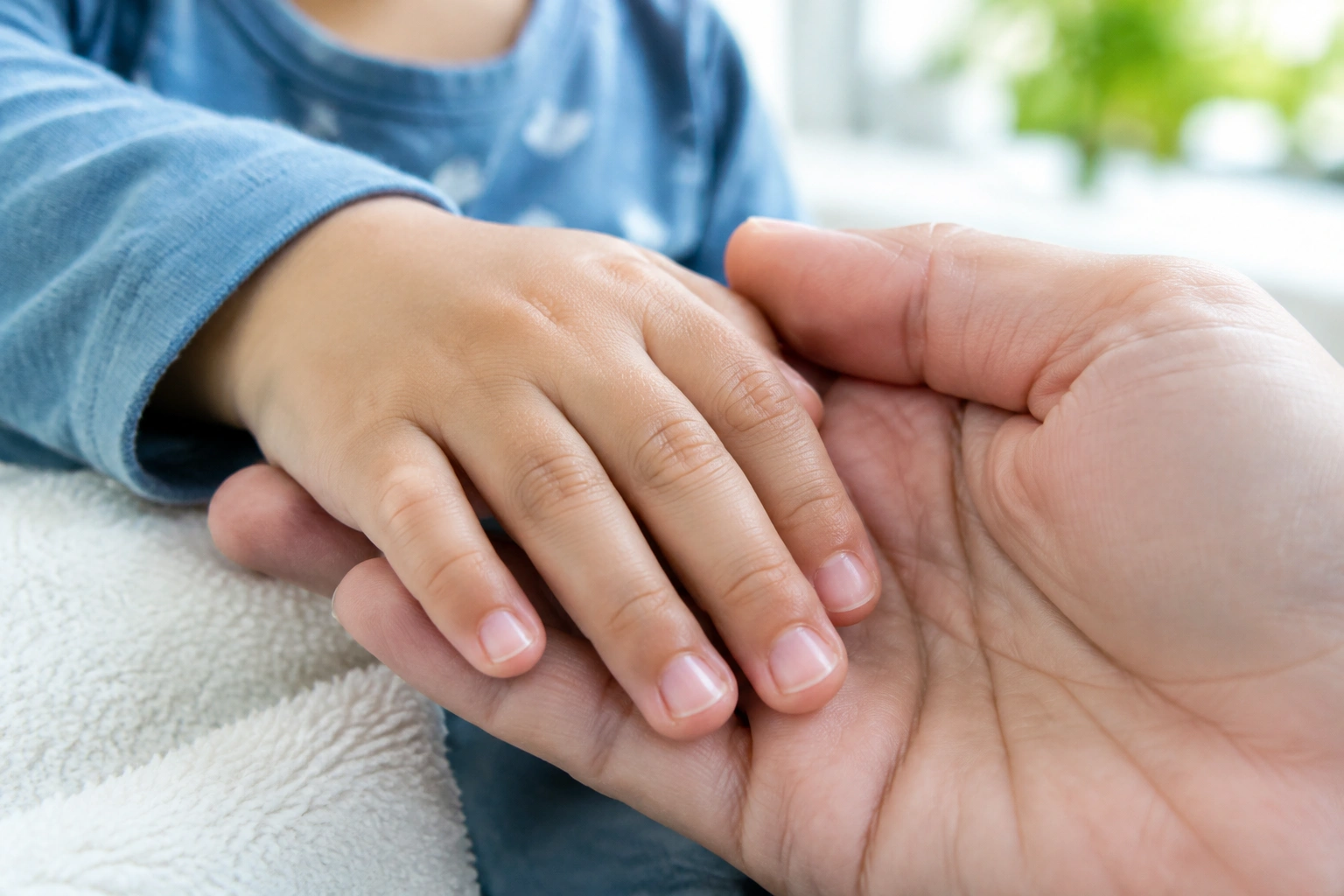
A dirty nail is not the same thing as an irritated nail. Knowing the difference helps you decide whether home care is enough.
Hangnails
A hangnail is a small torn piece of skin near the nail. It can catch on clothing and become more painful if pulled. Trim it carefully with clean clippers or scissors rather than tearing it off. If the area stays red, swollen, or tender, keep an eye on it.
Ingrown nails
Ingrown nails are more common on toes than fingers. You may notice redness, pressure, or soreness along the edge of the nail, especially if the nail corner is pressing into the skin. Toenails should usually be trimmed straight across to reduce that risk. If the skin looks increasingly swollen or painful, do not keep trimming at home and hoping it will settle.
Possible infection
Redness, warmth, swelling, pus, or worsening pain around the nail can point to infection rather than simple dirt buildup. A child who suddenly avoids using a finger or complains that the toe hurts in shoes should be taken seriously. Keep the area clean and avoid poking at it.
When to See a Pediatrician or Dermatologist
If a nail problem looks painful, swollen, infected, or keeps coming back, start with your pediatrician. They can help decide whether the issue is a simple irritation, an ingrown nail, or something that needs more treatment. A dermatologist is more appropriate for persistent or unusual nail changes, such as ongoing discoloration, repeated nail deformity, or a problem that does not improve.
Seek medical advice sooner if:
– redness is spreading
– the nail area is swollen or warm
– there is pus or drainage
– pain is getting worse
– the child has trouble walking or using the finger
– an ingrown nail or hangnail is not improving
If the problem is only dirt under the nail, home care is usually enough. If the area is tender, red, or worsening, it is no longer just a cleaning issue.
A Simple Routine That Actually Fits Family Life
The easiest nail routine is the one you can repeat. Wash hands often, keep nails short, clean gently under the edges when needed, and trim after bath time or another calm moment. For babies, use extra control. For toddlers, keep the session brief. For older kids, teach them to help.
The main takeaway is that routine cleaning should be simple, gentle, and based on soap, warm water, and a soft brush when needed. You do not need special products or frequent deep cleaning to keep kids’ nails in good shape.

