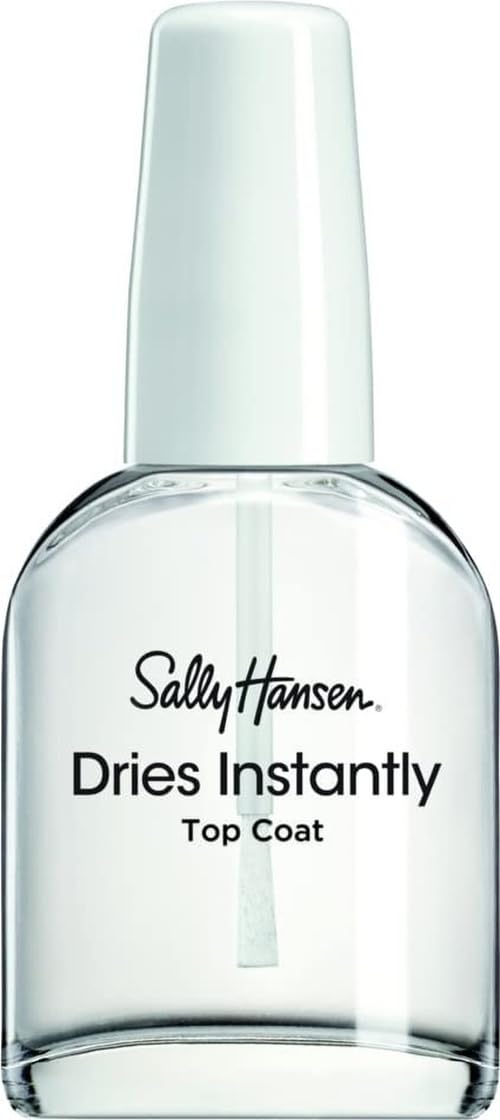
How to Store Nail Dehydrator: A Practical Safety Guide

Quick Answer
Store nail dehydrator upright in its original, tightly closed bottle, somewhere cool and dry, away from sunlight and ignition sources. Keep it inaccessible to children and pets, and follow your product’s label and safety data sheet. The FDA’s nail product safety guidance also emphasizes ventilation and following label warnings.
Five storage steps
- 1. Read first: Check the manufacturer’s storage instructions before choosing a location.
- 2. Close securely: Replace the correct cap immediately after use.
- 3. Keep upright: Use a stable spot where the bottle cannot tip easily.
- 4. Avoid heat: Keep it away from windowsills, heaters, flames, and hot equipment.
- 5. Control access: Choose secure storage away from food, medicines, and incompatible chemicals.
A small nail dehydrator bottle can disappear among your manicure supplies, making storage easy to overlook. I’d give its storage spot the same attention as the nail preparation itself.
This guide explains how to choose that spot, protect the bottle, and recognize when something needs attention. You’ll also find practical advice for shared homes, salon stock, and travel kits.
In This Guide
- What makes nail dehydrator storage different?
- Where should you store nail dehydrator?
- What temperature is suitable?
- How do you store it after each use?
- How should you organize shared storage?
- How long can you keep nail dehydrator?
- How should you pack it for travel?
- What should you do about leaks and disposal?
- Frequently asked questions
- Your storage checklist
What makes nail dehydrator storage different?
Nail dehydrator is a nail preparation liquid that temporarily removes surface moisture and oils before an enhancement system. Many formulas contain fast-evaporating solvents, so their storage needs differ from those of ordinary creams.
The product name alone doesn’t identify every ingredient or hazard. A dehydrator, primer, and cleanser may come in similar bottles but need different precautions.
Start with the exact product
Match the bottle’s full name to its instructions, especially when buying a preparation kit. Don’t assume advice for one brand covers another.
- Label: Check storage directions and warning symbols.
- Safety data sheet: Look for the document covering your exact formula.
- Manufacturer support: Ask about missing instructions or unclear temperature limits.
Which safety data sheet sections matter?
A safety data sheet describes a product’s hazards and handling requirements. You don’t need to read it like a chemistry textbook.
- Section 2: Hazard identification.
- Section 6: Accidental release measures.
- Section 7: Handling and storage.
- Section 10: Stability and incompatible materials.
- Section 13: Disposal considerations.
For example, this verified Nail Prep Dehydrator safety data sheet specifies cool, dry storage and protection from sunlight. It also identifies flammability precautions and incompatible substances.
That document illustrates what to check; it doesn’t replace your own product’s sheet. As of 2026, product-specific instructions remain more useful than a universal storage rule.
Where should you store nail dehydrator?
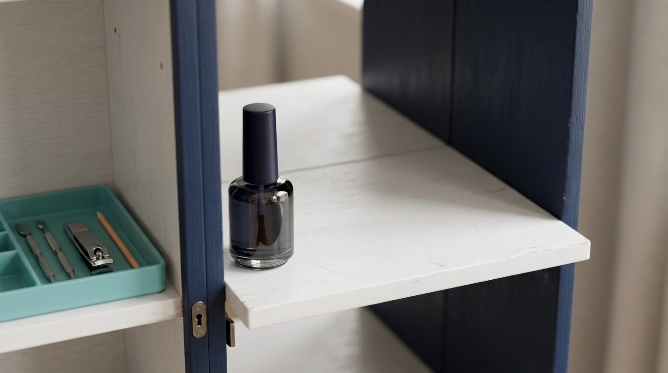
Choose a secure location that meets the label’s conditions and keeps the bottle stable. Check the surroundings before deciding that an empty drawer is suitable.
I’d assess the location during normal household use, not just when the room is quiet. A shelf beside a hair straightener becomes a different storage spot once that appliance heats up.
Compare common storage locations
| Location | Main concern | Decision |
|---|---|---|
| Secure indoor storage | Temperature, nearby products, and ventilation requirements | Consider if all label conditions are met |
| Sunny windowsill | Direct sunlight and warming | Avoid |
| Bathroom shelf | Steam, splashes, and hot appliances | Usually a poor choice |
| Parked vehicle | Uncontrolled temperature and bottle movement | Not a storage location |
| Food refrigerator | Unsuitable equipment for flammable solvents | Avoid |
Make the spot easy to use correctly
A crowded organizer encourages sideways storage and hurried cap replacement. Leave enough space to remove the bottle without knocking another product over.
- Keep the label facing outward.
- Choose a shelf that supports the bottle’s whole base.
- Keep heavy tools from falling onto the glass.
- Use compatible secondary containment if the manufacturer recommends it.
An organizer holds bottles; it doesn’t automatically provide chemical-safe storage. Check its material and suitability before relying on it to contain a leak.
What temperature is suitable for nail dehydrator storage?
Use the temperature range stated by the manufacturer. There isn’t one verified numerical range that applies to every nail dehydrator.
“Room temperature” can be misleading in a hot home or unheated workspace. Check the actual storage conditions if your room regularly becomes uncomfortable.
What if the label only says “cool and dry”?
Ask the supplier for a specific range if heat is a concern. Don’t turn a temperature quoted for another product into your bottle’s limit.
- Check whether afternoon sun reaches the storage area.
- Notice heat from nearby appliances.
- Consider seasonal changes in the room.
- Ask the manufacturer about prolonged temperature excursions.
A small room thermometer can help you describe conditions accurately. Record the reading near the storage location without opening or altering the bottle.
Should you refrigerate nail dehydrator?
Don’t use a household or ordinary cosmetic refrigerator for a flammable dehydrator. Refrigeration is not a general method for extending its life.
If a manufacturer specifies cold storage for a particular formula, ask what equipment is suitable. Don’t improvise with an appliance intended for food or skincare.
What about a bottle left in heat?
A hot-car incident doesn’t have a universal recovery time or guaranteed safe outcome. Tell the manufacturer approximately how hot it became and how long it stayed there.
- Do not deliberately heat or rapidly chill the bottle.
- Do not open a suspect bottle to test its smell.
- Stop using it if the packaging leaks or appears damaged.
How do you store nail dehydrator after each use?
Replace the correct cap promptly, then return the bottle upright to its designated spot. Make this part of finishing nail preparation rather than an end-of-manicure task.
My practical suggestion is to keep one clear bottle space in your organizer. That empty space becomes a visible reminder that the product still needs putting away.
A simple closing routine
- Finish dispensing: Stop using the product before moving other tools around it.
- Check the closure: Look for damage or debris that could prevent a proper seal.
- Replace the cap: Align the threads and close it as intended.
- Inspect the exterior: Address any wetness according to the product’s spill instructions.
- Return the bottle: Place it upright and secure the storage area.
Don’t force a cross-threaded lid. A cap that sits crooked needs attention, even if it feels tight.
Protect the formula from accidental mixing
Keep each brush and cap with its original bottle. Similar-looking closures make mix-ups easy when several preparation products are open.
- Don’t add water to replace missing liquid.
- Don’t add remover, alcohol, or primer.
- Don’t pour leftovers from a working dish back into the bottle.
- Don’t transfer the product into a food or drink container.
If the liquid level drops unexpectedly, check your closing habits and packaging condition. The amount remaining cannot tell you whether the formula still meets its original specification.
How should you organize nail dehydrator in shared storage?
Organize around access and chemical compatibility, not bottle color or brand alone. Keep food and medicines outside the nail-product storage area.
In a home with children or pets
Choose storage that children cannot open and pets cannot reach or knock over. A high shelf alone may not provide enough protection.
- Use a secure closure or lock where needed.
- Keep the original warning label readable.
- Tell other adults where the product belongs.
- Return it immediately after use.
A pretty display shelf can make a bottle look like an ordinary cosmetic. Clear labeling helps other household members recognize that it needs careful handling.
Alongside other nail products
Check compatibility instructions before sharing a tray with cleaners or treatment liquids. Separate containers can still mix if both leak into the same compartment.
Keep product names visible instead of covering them with decorative labels. A small opening-date sticker should leave warnings and batch details readable.
For salon stock
A salon needs a storage plan that reflects its full chemical inventory. Requirements can depend on product hazards, quantities, and local workplace or fire rules.
- Keep an inventory of open bottles and reserves.
- Make current safety data sheets accessible.
- Assign responsibility for checking damaged stock.
- Confirm any required flammable-liquid storage arrangements locally.
An ordinary beauty trolley is not automatically an approved flammable-liquid cabinet. Avoid modifying a purpose-built safety cabinet without its manufacturer’s guidance.
How long can you keep nail dehydrator?
Follow the manufacturer’s expiration date and any stated period after opening. There is no reliable universal “12 months” or “24 months” rule for all formulas.
The FDA’s cosmetic shelf-life guidance explains that manufacturers are responsible for determining product shelf life. A missing printed date does not establish unlimited usability.
Track dates without guessing
- Purchase date: Keep the receipt or order record.
- Opening date: Add a small dated sticker.
- Batch code: Photograph it before the print wears away.
- Manufacturer guidance: Save any product-specific response.
For example, write “Opened 14 September 2026” rather than simply “September.” A complete date stays useful when reviewing older stock.
When should you stop using a bottle?
Pause use when the bottle or liquid changes unexpectedly. Appearance alone cannot prove a product remains safe or effective.
- The cap no longer seals properly.
- The bottle cracks or leaks.
- The liquid develops unexplained particles or cloudiness.
- The product’s identity or age becomes uncertain.
- The manufacturer’s stated usable period has passed.
Photograph any visible change and contact the supplier with the batch code. Don’t deliberately sniff the bottle or apply it to skin as a quality test.
How should you pack nail dehydrator for travel?
Keep the product in its labeled original container and protect it from tipping or impact. A travel case helps organize the bottle but does not control temperature.
For a local appointment
- Check the cap and glass before packing.
- Keep the bottle upright in a supported compartment.
- Separate it from food and personal medicines.
- Use compatible leak containment where appropriate.
- Unpack it into suitable storage when you arrive.
Carry only the quantity needed for the work. Leaving spare stock in a vehicle creates an avoidable storage problem.
For flights or shipping
Check the exact product against current carrier and dangerous-goods rules before packing. Meeting a cabin liquid-size limit does not by itself establish permission to carry a flammable product.
Give the carrier the product name and safety data sheet if classification is unclear. Don’t describe nail dehydrator as harmless skincare to simplify acceptance.
What should you do about leaks and disposal?
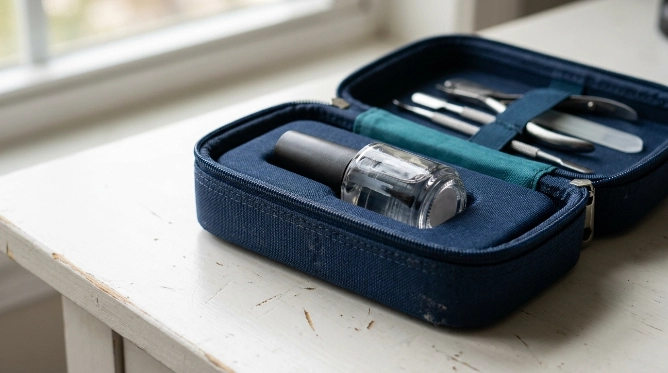
Stop using a leaking bottle and consult its spill instructions. A strong chemical smell in a closed storage area warrants attention, not fragrance or deodorizer.
Respond to a suspected leak
- Keep children and pets away.
- Avoid flames and other ignition sources.
- Do not switch nearby electrical equipment on or off in a suspected flammable vapor buildup.
- Follow the safety data sheet’s ventilation and cleanup instructions.
- Leave the area and seek emergency help for a substantial spill or overwhelming fumes.
Do not improvise with a vacuum cleaner or mix cleaning chemicals into the spill. Cleanup materials and protective equipment depend on the formula.
Health note: For exposure or symptoms, follow the label’s first-aid directions and contact a poison service or medical professional. Seek veterinary advice if a pet is exposed.
Dispose of unwanted product responsibly
Don’t pour leftover dehydrator down a drain or intentionally evaporate it as a disposal method. Keep it labeled while obtaining local disposal instructions.
The EPA’s household hazardous waste guidance explains why hazardous leftovers need careful handling. Ask your local waste service how it accepts solvent-based nail products.
- Keep unwanted chemicals separate rather than combining leftovers.
- Ask whether contaminated packaging requires special handling.
- Follow business-waste requirements for salon waste.
Frequently asked questions
Can I store nail dehydrator with gel polish?
Possibly, if both products’ instructions allow the same conditions and their contents are compatible. Keep each bottle closed and labeled, and check whether shared leak containment is appropriate before placing everything in one organizer.
Does nail dehydrator need a dark bottle?
Keep nail dehydrator in the packaging supplied by its manufacturer, whether clear or tinted. Don’t transfer it merely to change the bottle color; follow the product’s sunlight precautions and choose a suitable storage location instead.
Can I keep nail dehydrator in a bathroom cabinet?
A bathroom cabinet is usually a poor choice because showers and appliances can change the surrounding conditions. Choose a secure location that meets the label’s requirements, especially when your bathroom becomes steamy or contains hot styling tools.
What happens if I leave the cap off overnight?
Leaving the cap off can allow evaporation and contamination, but the effect depends on the formula and conditions. Replace the cap if safe, stop using the product, and ask the manufacturer whether replacement is necessary rather than adding liquid.
Can I use nail dehydrator after its expiration date?
Follow the manufacturer’s stated expiration or replacement guidance. A clear appearance does not establish that an expired product still meets its specifications, and a successful manicure is not a safety test for an old bottle.
Should unopened bottles be stored differently?
Unopened bottles still need the manufacturer’s required storage conditions and secure access control. Keep the original packaging and batch information, and check reserve stock periodically for damage rather than assuming an intact purchase seal prevents every problem.
Your storage checklist
Good nail dehydrator storage starts with knowing your exact product. Build a simple routine around its instructions so putting it away becomes automatic.
- Read the label and matching safety data sheet.
- Choose a secure, suitable storage spot.
- Keep the original bottle upright and properly closed.
- Record the opening date without covering warnings.
- Address damaged packaging or uncertain product condition before reuse.
Before your next manicure, check the bottle’s cap, label, and storage location. Those three checks are a useful place to start.