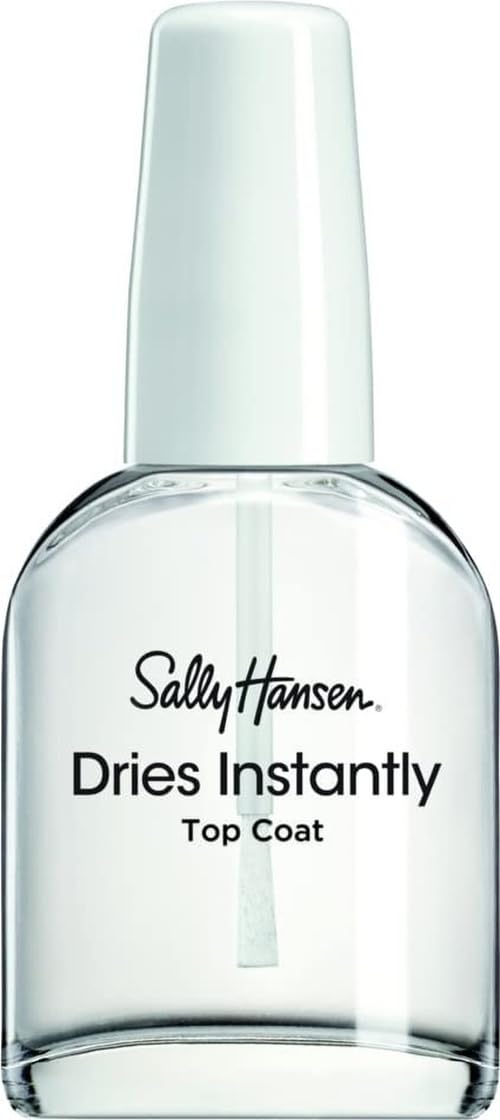
How to Store Nail Polish Properly So It Lasts Longer

If you want the simplest answer, here it is: store nail polish upright in a cool, dry, dark place with a tightly closed cap. A drawer, cabinet, or closet is usually better than a bathroom shelf or sunny windowsill.

That one habit does most of the work. It slows evaporation, helps prevent thickening, and reduces the chance of leaks or broken bottles. If you already have a small collection at home, this is the easiest way to keep it in good shape for longer.
For beginners who want a quick foundation on polish care, it also helps to understand the product itself. If you want that bigger picture, this guide on what nail polish is and this breakdown of what nail polish is made of are useful next reads.
What Actually Damages Nail Polish
Nail polish does not usually “go bad” all at once. It changes slowly when the bottle is exposed to the wrong conditions.
Heat speeds up evaporation
Polish contains solvents that keep it fluid. When the bottle sits near a heater, in a hot car, or in a warm room with little airflow, those solvents can evaporate faster. The result is a polish that gets thicker, stringier, or harder to spread.
Sunlight can break it down over time
Direct sunlight and UV light are not kind to polish. Bright windowsills may look convenient, but they expose bottles to light and heat at the same time. That combination can change the texture and sometimes affect the color.
Humidity causes more trouble than people expect
Bathrooms are a common storage mistake because they get warm and steamy. Even if the bottle is closed, repeated humidity and temperature swings can shorten the life of the polish and make caps stickier.
Air exposure dries polish out
Every time a bottle is opened, a little solvent escapes. If the cap is loose, the neck of the bottle gets crusty and the polish inside thickens faster. That is why cap care matters more than many beginners realize.
Nail polish is also flammable, so it should stay away from flames and heat sources.
The Best Storage Conditions: Cool, Dry, Dark, and Stable
Think “quiet storage,” not “special storage.”
A good spot has four qualities:
- Cool enough that the polish is not constantly warming up and cooling down
- Dry enough that moisture does not build up around the bottles
- Dark enough that direct sunlight does not hit the glass
- Stable enough that the temperature does not swing a lot from day to day
A bedroom drawer, closet shelf, or closed cabinet usually fits that description better than a bathroom or open vanity.
Simple decision rule
If a place is:
– near a window,
– near a heater,
– in a steamy room,
– or gets opened and closed with big temperature changes,
it is probably not the best long-term home for polish.
Small collection setup
If you only own a few bottles, a small drawer or box is enough. Keep the bottles upright and group them by how often you use them. That makes it easier to put caps back on quickly after each use.
Larger collection setup
If you have more bottles, use a lidded box, drawer organizer, or a closed cabinet shelf. The goal is not fancy storage. The goal is to keep bottles protected, easy to find, and less likely to tip over.
A practical, beginner-friendly rule is to keep polish where you would also be comfortable storing other delicate personal items: away from sun, moisture, and heat.
Should You Store Nail Polish Upright or on Its Side?
Upright is the better choice for most people.
Here is why:
- It lowers the chance of leaks
- It keeps polish from pooling in the cap
- It helps the neck of the bottle stay cleaner
- It makes bottles easier to grab and return without mess
Storing bottles on their side may seem like a space-saving trick, but it is not ideal for long-term preservation. Sideways storage can let polish collect in the cap area and may make dried buildup worse.
When sideways storage is used
If you are short on space, a few bottles may end up lying down temporarily. That is not the end of the world. But for the best balance of convenience and preservation, upright storage wins.
One easy habit that helps
After using a bottle, wipe the neck clean before closing it. That small step helps the cap seal more tightly and keeps dried polish from making the bottle harder to open later.
Room Temperature vs. Refrigerator Storage
Many beginners wonder if the fridge is better. In most cases, room temperature is the better default.
Room temperature storage
This is usually the best choice because it is easy, consistent, and does not create condensation problems. If your room is not hot and the polish is kept out of sunlight, room temperature storage works well for most regular nail polish.
Refrigerator storage
For long-term home use, refrigeration is usually unnecessary. It can also create condensation when a cold bottle is opened in a warmer room, which is not ideal around the cap or inside the bottle.
Best practical rule
If you live in a very warm home and have a specific reason to chill polish, use the fridge carefully and let the bottle come to room temperature before opening it. Otherwise, a cool cabinet or drawer is usually the better everyday solution.
Bottom line
For most beginners, a fridge adds inconvenience without enough benefit to be worth it.
Where Not to Store Nail Polish
Some storage spots are convenient, but they work against the polish.
Bathroom shelves
Bathrooms are one of the worst places because of humidity, heat, and frequent temperature changes. A bottle may look fine for a while and still thicken sooner than one stored in a dry closet.
Sunny windowsills
These combine direct light with heat. Even if the bottle is closed, the environment is still harsh on the formula.
Hot cars or garages
These places can get too warm too quickly. They are especially risky because temperatures can swing a lot.
Near heaters, radiators, or vents
Warm air repeatedly blowing on polish speeds up evaporation and can weaken the cap seal over time.
Open shelves in bright rooms
If the bottles are out in the open, they are more exposed to light, dust, and accidental knocks. A closed drawer or cabinet offers better protection.
If you want a simple visual comparison, think of it this way: dry closet good, steamy bathroom bad.
How to Keep Bottles Sealed and Prevent Thickening
Good storage is not only about location. It is also about how you close the bottle.
Tight caps matter
Always close the cap firmly after use. A loose cap lets solvent escape, and that is one of the fastest ways for polish to thicken.
Clean the neck before recapping

If polish builds up around the bottle opening, the cap may not seal properly. Wipe the neck with a lint-free cloth or tissue before closing it.
Shake gently, not aggressively
A gentle roll or soft shake can help mix a bottle that has separated a little. But don’t whip it hard. Over-shaking can add air bubbles and make the polish foamy.
Keep a bottle in its original container
The original bottle is usually the safest place for home storage. Decanting into another container adds spill risk, contamination risk, and extra evaporation exposure.
Use polish thinner, not acetone, for thick polish
If a bottle gets a little thick, a proper nail polish thinner is usually the better maintenance product. Acetone is much harsher and can change the formula in ways that make the polish perform worse.
If you want to understand the ingredients behind that advice, the article on what nail polish is made of explains why the bottle seal and solvent balance matter so much.
How to Organize a Small or Large Nail Polish Collection
Storage works better when the collection is easy to put away correctly.
For a small collection
Use a drawer or small box with dividers. Keep your most-used shades at the front. That makes it easier to return each bottle upright instead of leaving it out on a counter.
For a larger collection
Group bottles by:
– color family,
– finish,
– or how often you use them.
You do not need a complicated system. The main goal is to reduce handling and prevent bottles from tipping over while you search for a shade.
A simple home setup that works well
- A closed drawer or closet shelf
- A tray or organizer to keep bottles standing upright
- A dry, shaded location away from the bathroom
- A small spot for nail polish thinner, if you use it
What to avoid
Do not stack bottles loosely in a way that makes them rub or fall. Broken glass and spilled polish create a bigger mess than most beginners expect.
For readers who enjoy choosing colors as part of their routine, this guide to nude nail polish colors can help with selecting shades you will actually reach for often.
How to Store Opened vs. Unopened Bottles
Both types need the same basics, but opened bottles deserve a little more attention.
Unopened bottles
Unopened polish usually lasts longer because less air has entered the bottle. Still, it should be stored the same way: upright, cool, dry, and away from light.
Opened bottles
Once a bottle has been opened, evaporation becomes more of a concern. That means the cap seal, bottle neck, and storage location matter even more.
Practical difference
If you have a bottle you use often, check it more regularly for thickening or separation. If you have an unopened bottle saved for later, store it carefully and leave it alone unless you need it.
Specialty formulas
Quick-dry formulas and treatments may be a little more sensitive to evaporation, but the basic rule stays the same: keep them sealed tightly and away from heat and light. Glitter and metallic polishes can also settle more noticeably, so gentle mixing before use is often helpful.
Signs Your Nail Polish Is Going Bad
Not every thick bottle is ruined. Some polish just needs a little help. But there are clear warning signs.
Usable with minor help
- Slight separation that mixes back together
- Mild thickening
- Smooth color once shaken gently or thinned properly
Probably past its best
- Stringy texture that does not improve
- Lumpy polish
- A bottle that has become extremely thick and hard to spread
- A cap that is permanently glued shut by dried product
- Separation that does not come back together after gentle mixing
What to look for
If the polish looks clumpy in the bottle and also applies unevenly, it is probably losing quality. If it still moves normally after gentle care, it may be salvageable.
When to Toss vs. Rescue Nail Polish
If the polish is only mildly old, you may be able to save it.
Rescue it if:
- It has mild separation
- It is only a little thick
- It still stirs or rolls back together smoothly
- A small amount of nail polish thinner improves the texture
Toss it if:
- It stays stringy after thinning
- It is lumpy or gritty
- The formula separates and will not remix
- The cap is sealed shut and the bottle is clearly unusable
- The polish applies so poorly that it is no longer worth the effort
A simple rule
If a bottle can be brought back with a little thinner and gentle mixing, keep it. If it is fighting you every time you open it, discard it and move on.
For more on polish basics before you troubleshoot old bottles, you may also like this beginner guide to nail polish.
Common Storage Mistakes to Avoid
A few habits do most of the damage.
- Storing polish in the bathroom
- Leaving bottles in direct sunlight
- Keeping caps loose
- Putting polish near heaters or in hot cars
- Laying bottles on their sides for long periods
- Using acetone to thin polish
- Trying to save polish that is clearly too degraded
- Decanting into random containers
- Forgetting to clean the bottle neck before closing it
- Shaking so hard that air bubbles form
If you fix just three things—location, cap tightness, and upright storage—you will already be ahead of most casual polish users.
How Long Nail Polish Lasts When Stored Properly
There is no exact universal timeline that fits every formula, and brands can vary. Even so, properly stored nail polish is often usable for a few years, and sometimes longer if the bottle stays sealed well and is not exposed to heat, light, or humidity.
A realistic expectation
If the bottle is stored well and used occasionally, many people can keep it in decent shape for a long time. But once a bottle has been opened and used repeatedly, evaporation and separation become more likely over time.
Keep, thin, or discard
- Keep it if it still flows smoothly and applies evenly
- Thin it if it is a little thick but otherwise stable
- Discard it if it becomes stringy, lumpy, gritty, or impossible to remix
Practical takeaway
Storage can extend the useful life of polish, but it cannot protect a bottle forever. If a polish has changed enough that it no longer applies well, it has reached the end of its usable life.
Quick Takeaway
The best home setup is simple: keep nail polish upright in a cool, dry, dark place, with the cap closed tightly and the bottle stored in its original container. A drawer, cabinet, or closet usually works better than a bathroom, windowsill, or hot room.
If you remember nothing else, remember this: stable conditions preserve polish better than clever tricks.