

You can remove a fake nail safely at home using simple tools and a patient, step-by-step approach. If you soak the nail in acetone or use gentle lifting techniques and avoid prying, you’ll protect your natural nail and skin while the fake nail comes off.
Grab a few basic supplies, set aside 20–40 minutes, and follow a careful method that matches your nail type (press-on, acrylic, gel, or dip). Small actions—filing the top, soaking, and moisturizing after—make the biggest difference in preventing damage and speeding recovery.
Key Takeaways
- Gather simple supplies and plan enough time before you start.
- Match your removal method to the type of fake nail and work slowly.
- Follow gentle aftercare to restore and protect your natural nails.
Necessary Tools And Supplies
You need safe, basic tools plus a few extras for comfort and speed. Choose high-quality items that match the nail type (acrylic, gel, or press-on) and protect your natural nail during removal.
Essential Items For Safe Removal
- Pure acetone (100%): This dissolves acrylic and many gel adhesives fastest. Use small glass or metal bowls—plastic can degrade.
- Nail clippers and nail file: Clip any long tips first, then file the top layer gently to break the seal. Use a 100–180 grit file for acrylic, a finer grit for softer gels.
- Cuticle pusher or orangewood stick: Use to lift softened product without digging. Work slowly and stop if you feel resistance.
- Cotton balls or pads and foil: Soak cotton in acetone, place on the nail, and wrap in aluminum foil to keep heat and solvent in.
- Small bowl of warm soapy water: Use before or after acetone to soften edges and wash off residue.
- Towel and nail brush: Keep a towel under your hand and use a soft brush to clean residue after soaking.
Optional Supplies For Comfort
- Cuticle oil or petroleum jelly: Protect skin around nails before soaking and rehydrate afterward.
- Nail buffer: Smooth any remaining roughness gently after removal.
- Dental floss or a thin orange stick: Helpful for press-ons—slide floss under the edge and saw gently to lift without prying.
- Disposable gloves and a fan: Gloves protect your skin from acetone. A small fan helps evaporate fumes.
- Moisturizing hand cream: Use after removal to restore skin and nail hydration.
- Eye protection and small trash bag: For safety and tidy cleanup if you clip or file a lot of acrylic dust.
Choosing The Right Products
Match product strength to nail type and skin sensitivity. Use 100% acetone for acrylics and most hard gels; choose non-acetone polish remover only for light glue-on nails or if your skin reacts strongly to acetone. Pick a dual-grit file (80/100 for heavy acrylic reduction, 180+ for finishing) to avoid over-filing the natural nail.
Buy cotton pads labeled “lint-free” to prevent fibers getting under the nail. Select aluminum foil strips pre-cut for nail wraps or cut small squares from standard kitchen foil. For tools, choose stainless steel pushers and good-quality clippers to avoid slip and injury.
Preparing Your Nails For Removal
Clean hands, short free edges, and skin protection reduce pain and prevent infection. Gather supplies like acetone, cotton balls, foil, a nail file, cuticle oil, and a bowl of warm soapy water before you start.
Cleaning And Sanitizing Hands
Wash your hands with warm water and soap for at least 20 seconds to remove dirt and oils that block acetone. Focus on the underside of the nails and around the cuticles.
Use a soft brush or toothbrush to scrub gently. Rinse and dry with a clean towel.
Sanitize tools and surfaces next. Wipe the work area with rubbing alcohol and soak metal tools in isopropyl alcohol for a few minutes. Clean tools reduce the risk of transferring bacteria when the nail surface is opened.
Trimming And Filing Fake Nails

Trim any long tips with nail clippers made for artificial nails. Cut straight across to avoid stress on the fake nail that could lift or crack during removal.
File the top surface of the fake nail to remove shine. Use a coarse emery board and file gently until the glossy layer is dull. This helps acetone penetrate and speeds the breakdown of glue or gel.
If nails are glued-on press-on types, lift a corner with an orange stick after filing the edge. Don’t force lifting; stop if you meet strong resistance to avoid pulling real nail tissue.
Protecting The Skin Around Nails
Apply a thin layer of petroleum jelly or thick moisturizer to the skin and cuticles. This creates a barrier that prevents acetone from drying and irritating your skin.
Use cotton pads soaked in acetone only on the nail surface, and wrap foil snugly to hold them in place. Keep acetone off surrounding skin as much as possible, and remove wraps if you feel burning or severe stinging.
After removal, rinse your hands in warm water and apply cuticle oil or a rich hand cream. This restores moisture and soothes any redness from the process.
Different Methods To Take Off Fake Nails
You can remove fake nails with acetone, use gentler non-acetone options, or take them off manually. Each method needs specific tools and steps to avoid harming your natural nails.
Soaking In Acetone
Soaking in pure acetone dissolves acrylic, builder gel, and most gel polish. Cut the fake nails short with clippers and file the top layer to break the seal. Protect your cuticles with petroleum jelly to reduce dryness.
Place cotton soaked in acetone on the nail, then wrap each finger in aluminum foil for 10–20 minutes. Check one nail after 10 minutes; if the product lifts, gently push it off with an orange stick. If it resists, rewrap and soak another 5–10 minutes.
Work slowly to avoid scraping live nail. After removal, wash hands, apply oil to the cuticles, and moisturize your hands to restore hydration.
Non-Acetone Removal Techniques
Non-acetone removers use gentler solvents or warm soapy water and are best for press-ons and weak gels. Start by trimming the fake nail and soaking in warm soapy water for 15–20 minutes to soften the glue or edges.
If glue remains, use an oil (olive or cuticle oil) around the nail to weaken the bond, then try a dental-floss lift technique (see manual methods) to slip the press-on off. For polygel or strong gels, use a non-acetone gel remover product and follow the product instructions carefully.
These methods lower the risk of severe dryness but may take longer and might not work on hard-set acrylics.
Manual Removal Methods
Manual removal uses tools and patience to lift press-ons or loose enhancements without solvents. Tools you’ll need: nail clippers, a buffing block, an orange stick, dental floss, and cuticle oil.
For press-ons, slide dental floss under the edge, work it back and forth to separate the adhesive, and lift slowly. For partially lifted acrylics or gels, clip the extension short, gently buff the top layer, and use an orange stick to lift softened edges after soaking.
Never pry or force a stuck nail; that can tear your natural nail. Stop if you feel pain and try soaking, oiling, or visiting a professional instead.
Step-By-Step Guide For Acetone Soak
You will prepare tools, protect skin, and soak nails long enough for the product to soften. Work methodically: apply acetone to each nail, wrap tightly, watch the clock, then lift gently.
How To Apply Acetone

Use 100% pure acetone — not regular nail polish remover with additives. Pour acetone into a small glass or metal bowl, or soak cotton balls in a dish. Work over a protected surface and keep a fan or window open for ventilation.
Gently buff the shiny top layer of the fake nail or gel with a coarse nail file first. This helps acetone penetrate. Place a soaked cotton ball directly on each nail so the acetone touches the fake nail surface, not just the surrounding skin.
Apply cuticle oil or petroleum jelly to the skin around the nail before you start if you want extra protection. Avoid getting oil on the glued area; it will reduce acetone contact.
Wrapping Each Nail Properly
Use small squares of aluminum foil to hold cotton in place. Put the soaked cotton on the nail, then wrap foil tightly around the fingertip so the cotton stays pressed to the nail. The foil traps heat and acetone vapor, which speeds up the process.
Wrap each finger separately to avoid spilling acetone. Make sure the foil covers the fingertip from the tip of the nail to the first knuckle. For toes, use larger foil pieces and sit so your foot stays still.
Label or count wrapped fingers if you plan to stagger timing. Keep a trash bag or bowl nearby for used cotton and foil.
Timing The Removal Process
Soak time depends on product thickness. Start with 12–20 minutes for thin gel or light acrylic overlays. Thick acrylics or multiple layers may need 25–40 minutes. Check one nail after the lower range time to avoid overexposure.
Do not assume the same time for all nails. Remove one foil at a time and test the nail by gently pushing with a cuticle pusher. If the product does not slide off or looks dry, rewrap and soak five to ten more minutes.
Avoid soaking longer than necessary. Excessive acetone exposure dries the nail plate and surrounding skin.
Safely Lifting Off Fake Nails
After soaking, use a wooden or metal cuticle pusher to gently lift softened product. Work from the cuticle outwards with light pressure. If you meet resistance, stop and soak again rather than force it off.
When the fake nail lifts, use nail clippers or nippers to trim any loose edges before finishing. Do not pull or pry with force; this can remove layers of your natural nail.
Finish by washing hands with mild soap and warm water, applying cuticle oil and a strengthening treatment. Give nails a few days to recover before applying new enhancements.
How To Remove Fake Nails Without Acetone
You can loosen and remove fake nails using warm soapy water or oil-based products. Work slowly, protect your skin, and stop if you feel sharp pain.
Using Warm Water And Soap
Fill a bowl with comfortably hot water — not scalding — and add a few drops of liquid dish soap. Soak your fingertips for 10–20 minutes to soften the glue and edges.
After soaking, use a soft nail brush or an orange stick to gently lift the nail edges. Move slowly and only pry where the adhesive has softened. If the nail resists, soak another 5–10 minutes rather than forcing it.
Dry your hands and push back any loose acrylic or glue with a cuticle pusher. Repeat soaking and gentle lifting until the fake nail slides off. Keep a towel nearby and work one nail at a time.
Applying Oil-Based Solutions
Choose a thick oil like olive oil, coconut oil, or cuticle oil. Warm the oil slightly by rubbing it between your hands, then apply around the nail base and under the lifted edge if you can.
Let the oil sit for 10–15 minutes to penetrate the glue. Use dental floss or a cuticle stick to ease the fake nail up while pulling the floss in a gentle back-and-forth motion. Never force the nail; reapply oil and wait if it sticks.
After removal, wash your hands with soap, trim and file the natural nail gently, and apply moisturizer or cuticle oil to rehydrate the skin and nail plate.
Aftercare For Natural Nails
Treat your nails gently and give them time to recover. Focus on rehydration, repair, and using targeted treatments to rebuild strength and prevent peeling.
Moisturizing And Nourishing Nails
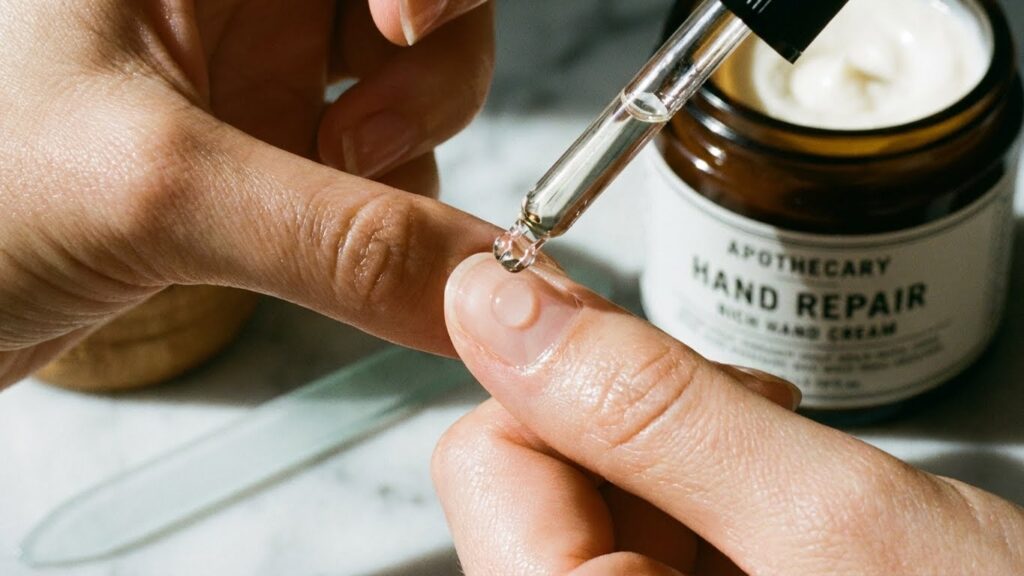
Keep your nails and cuticles hydrated to restore oils lost during removal. Apply cuticle oil (jojoba, almond, or vitamin E) twice daily. Rub the oil into the base and underside of the nail for 15–30 seconds to boost absorption.
Use a simple hand cream after washing dishes or using cleaners. Look for creams with glycerin or shea butter. Wear gloves for chores that use water or chemicals; prolonged soaking weakens nails.
Add a weekly treatment: massage a drop of pure oil or a strengthening balm into each nail, then wear cotton gloves overnight. This helps repair the nail plate and cuticle without harsh chemicals.
Dealing With Damage Or Weakness
If nails are thin, soft, or peeling, trim them short to prevent snags and breakage. File in one direction with a fine-grit file (180–240) to smooth edges. Avoid aggressive buffing; it thins the nail plate.
Stop using nail polish for at least one to two weeks if nails feel fragile. Give them time to regain flexibility and natural oils. If you see redness, swelling, or persistent pain around the nail, consult a healthcare provider; that could signal an infection.
Avoid acrylics, press-ons, or gel for a few cycles while nails recover. Let new growth appear before reapplying enhancements to reduce repeated stress on the same area.
Recommended Nail Strengthening Treatments
Choose a formal nail strengthener with keratin, calcium, or protein if nails split or bend. Apply as directed, usually every other day for several weeks. Follow product instructions to avoid overuse, which can cause brittleness.
Biotin supplements (2,500–5,000 mcg/day) can help some people; check with your doctor before starting any supplement. Topical treatments like clear base coats with bonding agents also protect the nail during growth.
Keep a simple routine: trim, file, oil, and apply one strengthening product. Monitor progress every two weeks and stop any product that causes increased dryness or flaking.
Tips To Prevent Nail Damage
You can protect your natural nails by using gentle tools, soaking methods, and short sessions. Avoid force, give nails time to rehydrate, and repair with basic care after removal.
Techniques For Gentle Removal
Soak the nail in pure acetone for 10–20 minutes to loosen acrylic or gel. Place a cotton ball soaked in acetone on the nail, wrap with foil, and check every 5 minutes. If the tip lifts, use a wooden cuticle stick to gently push the softened product away from the nail — do not pry or twist.
File the top layer first to remove the shiny seal; this helps acetone penetrate. Keep filings light and stop when you reach the natural nail. After removal, wash hands, soak in warm water for a few minutes, and apply a nutrient-rich oil or hand cream to rehydrate the nail and surrounding skin.
Mistakes To Avoid During Removal
Do not peel, rip, or force a fake nail off. Pulling damages the nail plate and can cause tears or infections. Avoid using metal tools to dig under the nail; these can gouge the nail bed.
Don’t skip nail softening steps like filing and acetone soaking. Also avoid long acetone exposure without moisturizing afterward — it dries nails and skin. If your nails are thin, painful, or show signs of infection, stop and see a professional rather than continuing at home.
When To Seek Professional Help
If your nail or surrounding skin shows clear signs of infection, severe pain, or a lifting fake nail that won’t come off, get professional help. A nail technician or medical provider can safely remove the nail and treat any damage.
Signs Of Nail Or Skin Issues
Look for redness, swelling, warmth, or pus near the nail base or cuticle. These signs suggest an infection that needs professional care, not just home acetone or filing.
If you have sharp, persistent pain or bleeding after attempting removal, stop and see a technician or doctor. Pain that radiates beyond the fingertip, severe throbbing, or increasing pain over hours can mean deeper tissue damage.
Noticeable thinning, white spots, or a paper-thin nail plate after removal also warrants a pro’s assessment. A technician can check for fungal infection, nail bed trauma, or chemical damage and recommend treatment to prevent permanent weakening.
If you have diabetes, poor circulation, or a weakened immune system, seek professional removal every time. These conditions raise the risk of infection and slow healing, so a trained clinician should handle nail work.
Benefits Of Visiting A Nail Technician
A trained nail technician uses tools and techniques to remove nails without tearing the natural plate. They can file and soak in ways that limit acetone exposure and preserve nail strength.
Technicians can spot early signs of fungal infection, lifting, or nail bed trauma and advise treatment or refer you to a medical provider. They also sterilize instruments to lower infection risk, which reduces complications compared with DIY attempts.
You gain targeted aftercare when you visit a pro: protective nail treatments, cuticle care, and product recommendations to rebuild nail health. If you prefer a new set of enhancements, they can apply replacements safely with proper prep to avoid repeating damage.
How To Prepare For Your Next Set Of Fake Nails
Give your natural nails time to strengthen, trim and shape them, and set up clean tools and products before you reapply. You’ll focus on recovery, hydration, and creating a clean base so the next set bonds properly and lasts longer.
Allowing Nails Time To Recover
After removing fake nails, let your natural nails rest for at least 7–14 days if they feel thin or rough. Keep them short (about 1–2 mm past the fingertip) to reduce bending and breakage while they rebuild strength.
Use a hydrating routine: apply cuticle oil twice daily and a nail-strengthening treatment every other night. Look for treatments with keratin, proteins, or calcium—avoid ones that list formaldehyde as a main ingredient.
Protect your hands during chores. Wear gloves for washing dishes, cleaning, or gardening to stop water and chemicals from softening nail edges. If nails peel, use a thin layer of base coat until they smooth out.
Pre-Application Nail Care
Before a new set, make sure nails are completely clean, dry, and oil-free. Remove all oils and moisturizers by wiping each nail with acetone or a 70%+ isopropyl alcohol pad for 30 seconds.
File the nail edge lightly to create a gentle natural curve; don’t over-file the surface. Push back cuticles carefully with a wooden stick or cuticle pusher—do not cut live skin. Trim hangnails and buff only the top shine lightly if the technician needs extra adhesion.
Sanitize tools and work area. Use fresh glue or adhesive tabs, or a new bottle of primer if required. If you apply press-ons at home, test-fit each nail for size and shape before applying to avoid lifting or pressure points.
FAQs
What if a fake nail won’t lift easily?
Be patient. Try soaking the nail in warm, soapy water for 10–15 minutes to loosen glue, then gently pry with an orange stick. If it still resists, soak in acetone following safety steps or see a pro to avoid damage.
Can acetone harm my skin or nails?
Yes, acetone dries skin and can thin nails with repeated use. Protect your skin with petroleum jelly around the nail, work in a well-ventilated area, and limit exposure. For more safety tips, check a trusted source like the American Academy of Dermatology.
Are there gentler alternatives to acetone?
You can remove glue-on nails with warm soapy water, oil, or dental floss to slide the nail off gently. These methods work best when the glue has already softened or for press-ons rather than acrylics.
How do you care for your nails after removal?
File any rough edges and apply cuticle oil or a nail-strengthening treatment to restore moisture. Give your nails a week or two without enhancements to rebuild strength.
When should you see a professional?
If you feel pain, notice bleeding, or a nail bed that looks infected, get help right away. A salon or medical professional can remove the nail safely and treat any issues.
Conclusion
You can remove a fake nail safely with patience and the right method. Choose acetone soak for acrylics and gels, warm soapy water or oil for press-ons, and gentle filing to reduce thickness first.
Work slowly and protect your skin and cuticles. Use cotton, foil, or a bowl soak, and stop if you feel sharp pain or see bleeding.
After removal, wash and dry your nails. Apply cuticle oil and a moisturizer to help nails recover.
If a nail won’t budge, seek a pro instead of forcing it. A salon can remove stubborn or glued-on nails without harming your natural nail.
Keep basic supplies on hand: acetone or gentle remover, a nail file, cuticle oil, and a soft buffer. These simple tools make removal easier and safer.