

You can remove glued-on fake nails at home without wrecking your natural nails if you use patience, proper tools, and safe methods. Start by softening the glue with acetone or an oil soak, work gently with a wooden stick or dental floss, and never force the nail off to avoid tearing your nail bed. The quickest safe method is to soak each nail in pure acetone until the glue softens, then lift gently and finish with oil and a short filing.
Take your time and prepare the right supplies: acetone (or oil for sensitive skin), a bowl, cotton, foil or clips, a wooden pusher, and a nail file. Following careful steps protects your nails, speeds recovery, and lowers the chance you’ll need salon repairs later.
Key Takeaways
- Soften glue before trying to remove nails to prevent damage.
- Use gentle tools and avoid prying or peeling nails off.
- Finish with oil and light care to help nails recover.
What You Need to Know Before Removing Fake Nails With Glue
Know the type of nail and glue you used, the condition of your natural nails, and basic safety steps to protect your skin and nail beds. Take time to gather the right supplies and plan at least 30–60 minutes for a safe removal.
Types of Fake Nails and Glue
Fake nails come as press-ons, tips, and full-cover acrylics. Press-on nails often use removable adhesive tabs or weaker cyanoacrylate glue. Tips are glued only at the nail edge and are easier to lift. Acrylic and gel systems are bonded over the whole nail and usually need filing and longer acetone soaking.
Glues vary by strength. “Nail glue” sold for press-ons is usually cyanoacrylate and dissolves slowly in acetone. Super glue (also cyanoacrylate) behaves similarly but may bond to skin. Salon adhesives for acrylics or tips can be stronger or paired with primer; these need more patience and careful filing before soaking.
Identify what you have first: press-on or salon acrylic. That tells you whether you can soak off with acetone and oil, or if you must file and work in stages to avoid damage.
Potential Risks of Improper Removal
Pulling or prying off glued nails can strip layers of your natural nail. That causes thinning, ridging, and pain. Repeated force can also lead to splits or nail bed injury, which may take months to heal.
Using non-acetone solvents or household chemicals can irritate skin and cuticles. Soaking too long or using high-concentration acetone without skin protection dries and cracks skin. Infection risk rises if you break the nail or cut the cuticle while scraping adhesive away.
Be careful with electric files and aggressive sanding. If you over-file, you remove protective nail plate layers and weaken the nail. Stop and switch to a gentler method if you feel sharp pain or see bleeding.
When to Avoid DIY Nail Removal
Avoid home removal if you have visible infection, open wounds, severe pain, or a history of nail disorders. Redness, pus, or spreading swelling needs professional care. Seek a salon or medical provider to prevent worsening the problem.
Skip DIY if you used highly bonded salon acrylics and you lack proper tools like a coarse file or pure acetone. In those cases, slow professional removal reduces damage. Also don’t attempt removal right before an important event if you risk visible nail damage.
If you have thin, brittle nails, or take medications that affect nail health (like chemotherapy), get professional help. A trained technician or clinician can assess risk and use gentler, safer methods.
Gathering Essential Tools and Materials
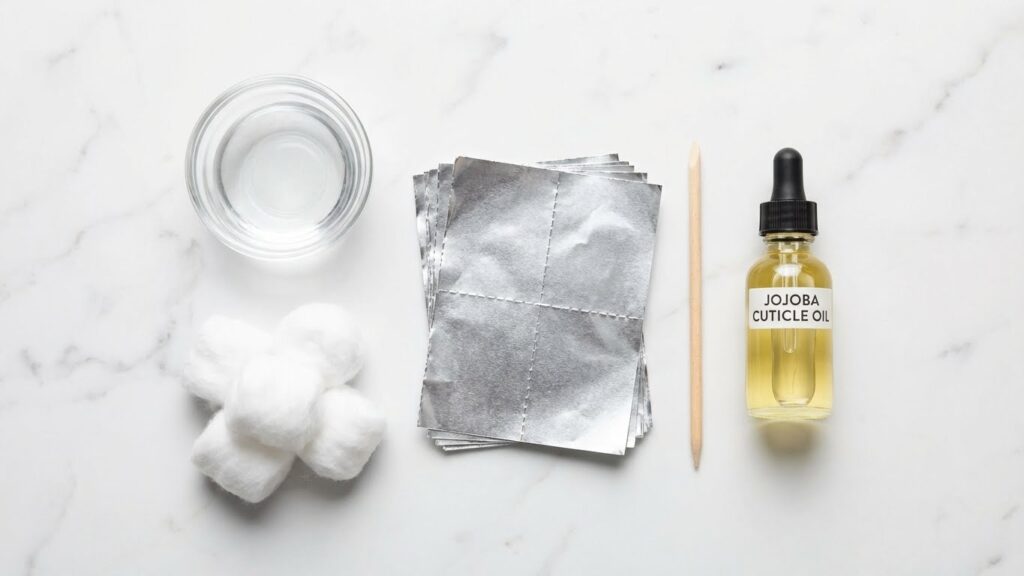
You will need a few safe tools, an acetone-based remover, and a clean workspace. Pick items that protect your skin and let you work slowly to avoid damage.
Recommended Products for Safe Removal
- Pure acetone (100% or high-purity): Works fastest to dissolve nail glue and acrylic. Buy a small bottle if this is a one-time task.
- Nail glue remover pads or cotton balls: Use pads soaked in acetone or cotton wrapped in foil for each nail. This keeps acetone in place and speeds removal.
- Aluminum foil (cut into 10–12 small squares): Wrap soaked cotton to hold acetone against the nail. Foil traps heat and prevents spilling.
- Cuticle pusher or orangewood stick: Gently lift softened glue. Choose a non-metal tool to reduce nail scratching.
- Nail file (180–240 grit): Lightly file the top coat or edge to break the seal before soaking. Don’t over-file the natural nail.
- Nail clippers or tip cutters: Trim long tips first so acetone can reach the glue more easily.
- Moisturizer and cuticle oil: Acetone dries skin and nails; you’ll need oil and cream after removal.
- Protective items: Use nitrile gloves if you want to protect skin, and a small bowl of warm water to rinse afterward.
Preparing Your Workspace
Choose a flat table and good lighting so you can see edges and glue lines clearly. Sit at eye level with your hands to avoid strain.
Lay down a towel to catch debris and protect the surface. Keep a trash bag nearby for foil squares and cotton.
Open windows or use a fan for ventilation because acetone fumes are strong. Avoid open flames and keep the acetone bottle capped between uses.
Arrange tools within arm’s reach: acetone, pre-cut foil squares, cotton, file, and a cuticle pusher. Work on one hand at a time and have a timer or phone handy to track soak times.
Step-By-Step Guide to Taking Off Fake Nails With Glue
You will weaken the glue, lift the fake nails without tearing, and clean the nail surface. Gather acetone, cotton, foil, a file, a cuticle stick, and moisturizer before you start.
Soaking Method
Start by trimming any long tips and gently filing the shiny top coat of each fake nail. Roughening the surface helps acetone penetrate the glue faster.
Pour pure acetone into a small glass bowl. Soak your fingertips for 10–20 minutes. Check every 5 minutes; heat or time can vary with glue strength.
After soaking, test one nail by pushing gently at the base with a cuticle stick. If the nail lifts, continue. If it resists, soak another 5–10 minutes. Do not force a stuck nail; forcing can peel layers from your natural nail.
Rinse your hands with warm water and pat dry when nails come off. Move to the next step if residue remains.
Foil Wrap Technique
Cut aluminum foil into 10 small squares, about 3×3 inches each. Prepare cotton balls or pads soaked in acetone.
Place a soaked cotton pad over the fake nail. Wrap the fingertip tightly with foil to hold the pad in place. Repeat for each finger you plan to treat.
Leave foil wraps on for 10–15 minutes. For very strong glue or acrylic, leave up to 20 minutes. Keep a clock nearby so you don’t over-soak skin.
Unwrap one finger at a time and press the pad while checking if the nail lifts. If the nail still resists, rewrap for another 5–10 minutes.
Gently Lifting the Nails

Use an orange wood stick or plastic cuticle pusher. Work at the side and base of the nail, not the center. Apply light, steady pressure to lift the fake nail.
If you feel resistance, stop and soak the nail longer. Forceful prying can strip your natural nail and cause pain.
For stubborn glue bits, use a wooden stick to roll the residue off rather than scraping hard. Small, repeated lifts are safer than one big pull.
When the fake nail comes off, do not rip off any attached layers of your natural nail. If layers peel, file the edges smooth and avoid further force.
Final Cleanup and Nail Care
Remove remaining glue with a cotton pad soaked in acetone, or file gently with a fine buffer. Work slowly to avoid thinning your natural nail.
Wash your hands with soap and warm water to remove acetone. Apply a hydrating cuticle oil and a thick hand cream to restore moisture.
Trim and gently file your natural nails to a smooth shape. If nails feel weak, use a strengthening treatment or biotin supplement as recommended by a healthcare provider.
Aftercare for Natural Nails Post-Removal
Start caring for the nail surface right away. Focus on restoring moisture, avoiding further harm, and rebuilding strength with targeted products and gentle habits.
Hydrating and Nourishing Your Nails
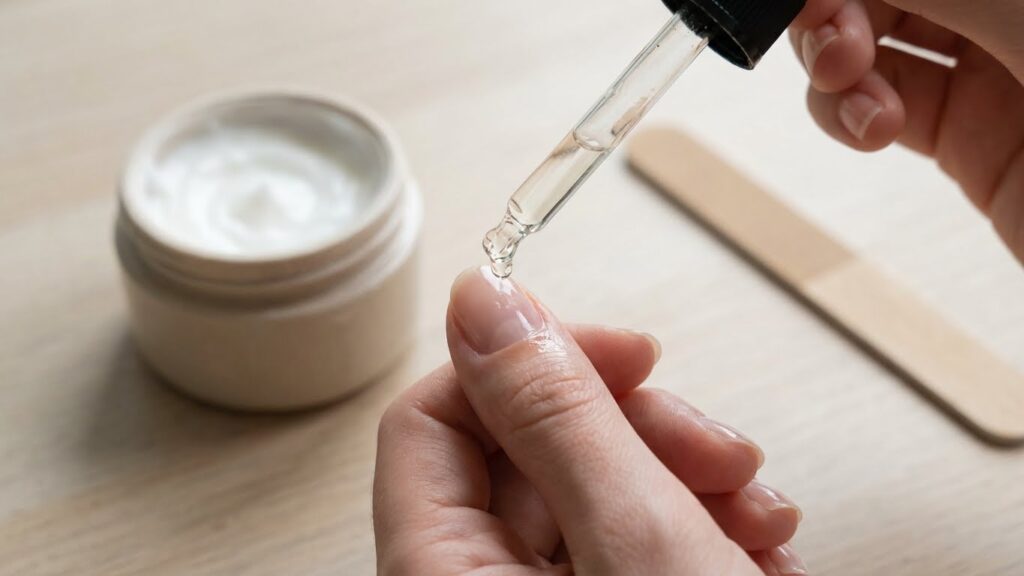
Apply a cuticle oil twice daily for the first two weeks to rehydrate the nail plate and surrounding skin. Choose oils with jojoba, vitamin E, or almond oil and rub a drop into each nail and cuticle. This reduces flaking and improves flexibility.
Use a moisturizing hand cream after washing your hands. Look for creams with glycerin or ceramides and reapply throughout the day. Avoid lotions with high alcohol content because they dry nails out.
Once a week, soak nails in warm olive oil or a gentle oil mixture for 10–15 minutes. This helps oil penetrate the nail and soften any hard residue. Pat your hands dry and finish with cuticle oil to lock in moisture.
Preventing Nail Damage
Do not peel or force off remaining glue or nail bits. Use a soft buffer or a gentle acetone soak to remove stubborn residue instead of scraping, which can remove thin layers of your natural nail.
Wear nitrile or latex gloves when cleaning, doing dishes, or using household chemicals. Detergents and solvents strip oil and weaken nails, so protect them during chores.
Trim nails straight across and file with a fine-grit file in one direction. This reduces splitting. Avoid aggressive manicures, gel polish, or new acrylics for at least two to four weeks to let nails recover.
Restoring Nail Strength
Start a strengthening routine with a clear protein treatment or a nail hardener labeled for daily use. Apply a thin coat every other day for two weeks, then reduce frequency as nails improve.
Support internal repair by eating a balanced diet rich in protein, iron, zinc, and biotin. If you choose a supplement, pick one with biotin 1,000–2,500 mcg and check with a healthcare provider if you have health concerns.
If nails remain soft, peel, or show signs of infection (redness, pain, pus), stop treatments and see a dermatologist. They can check for nail bed damage and recommend professional therapies if basic aftercare doesn’t help.
Tips for Preventing Nail and Skin Damage
Keep your natural nails intact by working slowly, using proper tools, and protecting the cuticle and surrounding skin. Choose gentle solvents, avoid forced peeling, and give your nails time to rest and recover after removal.
Common Mistakes to Avoid
- Peeling or prying off fake nails: Pulling nails makes your natural nail layers peel and can cause pain or bleeding. If a fake nail lifts, soak it in acetone or warm soapy water until it loosens.
- Using metal tools to dig under the nail: Metal picks and pushing too hard can lift the nail plate and injure the nail bed. Use a wooden cuticle stick or a soft orangewood tool instead.
- Rushing the process: Skipping soak time or filing too aggressively damages the nail surface. File only the top layer of the fake nail to thin it, then soak; repeat if needed.
- Skipping aftercare: Not moisturizing or trimming rough edges lets nails split and peel. Apply cuticle oil and a gentle nail oil or cream right after removal.
Products to Avoid During Removal
- Household solvents and nail glue removers not meant for nails: Paint thinner, acetone substitutes labeled for industrial use, and super glue removers can irritate skin and strip oils.
- Strong abrasives and power files: High-speed e-files and coarse grits remove product fast but remove natural nail layers too. If you use an electric file, keep it low speed and use a fine bit.
- Harsh soaps and alcohol-heavy cleaners: These dry the skin and cuticle, making nails brittle. Use mild soap and a nourishing oil after cleaning.
- Bleach or peroxide mixes: These can burn or bleach the skin around the nail. Stick to plain acetone or professional removers and rinse thoroughly.
Alternatives to At-Home Glue-On Nail Removal
You can choose professional help or salon techniques if home removal feels risky. Both options protect your natural nails and reduce chances of peeling, lifting, or infection.
When to Seek Professional Help
Seek a pro if your nails hurt, are swollen, or show signs of infection like pus or spreading redness. Also go to a technician if glue layers are thick, nails are lifting across most fingers, or you lack time and steady hands.
A salon tech has tools—e-files, professional acetone wraps, and fine buffers—that remove glue faster and safer than DIY soaking alone. They can assess nail damage and stop removal if your nail plate is thinning.
Expect a short consultation, gentle filing to thin the glue, and controlled soaking or electric removal. Tell the tech about allergies, recent nail trauma, or acrylic/gel history so they pick the safest method.
Salon Removal Methods Compared
Acetone wraps: Techs place pure acetone-soaked cotton and foil to soften glue. This method works well for thick glue and full-tips. It can dry cuticles, so expect cuticle oil afterward.
Electric filing (e-file): Pros use a fine bit to grind away glue and product. This is fast and precise but needs a skilled hand to avoid thinning your natural nail.
Soaking plus manual lift: Techs combine shorter acetone soaks with gentle wedging and prying using orangewood sticks or metal pushers. This lowers chemical exposure and helps preserve the nail surface.
Ask the salon which method they’ll use and how they’ll protect your skin. Request cuticle oil and a strengthener after removal to speed nail recovery.
FAQs
What if the glue won’t budge?
You can soak your nails in 100% acetone for 10–20 minutes to soften the glue. If the glue still holds, repeat the soak and use a wooden cuticle stick to gently lift the edges. Visit the American Academy of Dermatology for basic nail care tips if you have concerns: https://www.aad.org
Will acetone hurt my skin or nails?
Acetone can dry your skin and weaken nails if used often. Protect your skin with petroleum jelly around the nail, and apply cuticle oil and hand cream after removing the fake nails to restore moisture.
Can you file fake nails off instead?
Yes, you can file down press-on or glue-on nails, but stop once you reach the glue layer. Filing too far can damage your natural nail. Use a fine-grit file and take your time.
What if my natural nail peels or is sore afterward?
Stop removing and give your nails a break for a few weeks. Keep them trimmed and moisturized. If you see severe peeling, pain, or signs of infection, see a healthcare provider or dermatologist.
Is it safe to remove glued nails at home or should you see a salon?
You can remove them safely at home if you follow gentle steps and use the right supplies. If the nails are stubborn, glued tightly, or you feel pain, get help from a professional nail technician.
Conclusion
You can remove glued-on fake nails safely if you work slowly and use gentle methods. Choose acetone for strong glue or oils and warm soapy water for milder glue and sensitive skin.
Start by soaking and loosening glue rather than pulling. Use a wooden cuticle stick or soft file to lift edges after the glue softens.
Protect your skin and nails during the process. Apply cuticle oil and hand cream afterward to restore moisture and prevent brittleness.
If you notice pain, lifting nails, or signs of infection, stop and seek professional help. A salon can remove stubborn glue more quickly and with less risk.
Keep tools clean and use short, careful steps. That approach lowers the chance of damage and helps your natural nails recover faster.