

You can remove fake nails without acetone using gentle methods that soften glue and lift tips without harsh chemicals. Warm, soapy water, oil or olive oil, and careful soaking will loosen edges so you can slide nails off with minimal force. If you take your time and use warm water, oil, and gentle pushing, you can remove most fake nails at home safely without acetone.
Keep tools simple and work slowly to avoid shredding your natural nails or tugging at the skin. Follow small steps: soak, let adhesive loosen, then lift gently and finish with oil and a bit of filing to smooth the nail bed.
Key Takeaways
- Soak nails to weaken glue before trying to lift fake nails.
- Use oil and gentle pushing to remove tips without harsh chemicals.
- Finish with moisturizing and light filing to protect natural nails.
Preparing to Remove Fake Nails Without Acetone
Gather tools, protect your skin and nails, and check what kind of fake nails you have so you can choose the safest removal method. Read labels and work in a well-lit area with good ventilation.
Gathering Necessary Tools and Materials
You will need a few basics: a bowl for soaking, warm water, mild dish soap, a soft nail file, a cuticle pusher or orangewood stick, cotton balls, and a towel. If you plan to use oil-based methods, have cuticle oil, olive oil, or coconut oil ready.
Optional items that help: non-acetone nail polish remover, dental floss, pumice stone, and a small pair of nail clippers. Keep a small bowl of fresh water nearby to rinse and a hand cream for aftercare. Lay out everything on a towel to protect your surface.
Check each product’s label before use. Avoid anything with acetone if you are skipping it. Use warm—not hot—water to prevent burns.
Protecting Your Natural Nails
Trim any long fake tips with clippers to reduce leverage and the chance of ripping your natural nail. Work slowly; forcing a nail off can peel layers from your real nail plate.
Use a cuticle oil or petroleum jelly around the skin to protect it from prolonged soaking or rubbing. If you feel pain or bleeding at any point, stop and let the nails rest for a day before trying again.
After removal, gently buff the nail surface to remove glue residue, then apply a strengthening base or moisturizer. Avoid harsh scrubbing or aggressive filing that thins the nail.
Assessing the Type of Fake Nails
Identify the type: press-on/tips, acrylics, or gel overlays. Press-on nails often peel off with slow prying and oil soaks. Acrylics bond with glue and often need prolonged soaking or gentle filing to lift. Gel overlays may be thin and peel after soaking and pushing.
Look for visible glue lines, thickness, and whether the fake nail is directly bonded to the nail plate. If the fake nail is lifting at the edges, you can start there. If the fake appears fused or very thick, consider visiting a salon if home methods don’t work within a few gentle attempts.
Soaking Methods for Safe Nail Removal
Soaks soften the glue and loosen the fake nail edges so you can lift them gently. Each soak uses simple household liquids and needs patience, a soft tool, and time.
Using Warm Soapy Water

Fill a bowl with warm water about body temperature (not hot). Add a few drops of dish soap and mix until sudsy. Soak your nails for 15–20 minutes to soften the adhesive and any dried top coat.
After soaking, dry hands lightly and use a wooden cuticle stick or orangewood stick to ease the nail off. Work at the edges and lift slowly; stop if you feel pain. Repeat the soak for another 10–15 minutes if the nail resists instead of forcing it.
Finish by washing hands, applying cuticle oil, and gently buffing any glue residue with a fine buffer. This method is safest for natural nails and glue-on tips.
Olive Oil and Cuticle Oil Soak
Warm a small bowl of olive oil (hand-hot, not scalding). Add a teaspoon of cuticle oil if you have it. The oil seeps into the bond and softens the glue while also moisturizing your nail plate.
Soak each hand for 20–30 minutes, checking every 10 minutes. Use a soft cuticle pusher to lift the fake nail edge once the glue gives. If nails remain tight, soak longer rather than pry.
Wipe excess oil off with a cloth and massage remaining oil into the nail and cuticle. Oil soaks reduce brittleness and are good if your nails are already dry or damaged.
Saltwater Solution Technique
Dissolve one tablespoon of table salt in a cup of warm water and stir until mostly dissolved. Salt slightly increases water’s ability to loosen adhesive and helps reduce swelling around the nail bed.
Soak for 15–25 minutes, then try to lift the fake nail with dental floss or a wooden stick. Slide the floss gently under the edge and saw slowly; stop if you feel resistance or pain. Repeat the soak as needed.
Pat nails dry, apply a moisturizer or cuticle oil, and buff lightly to remove any glue residue. This method is a low-irritant option if you lack oils or acetone-free removers.
Gently Lifting and Removing Fake Nails
Work slowly and protect your natural nail as you lift. Use a soft tool and steady pressure to avoid tearing the nail bed.
Loosening Edges With a Cuticle Stick

Start by soaking your nails in warm, soapy water for 10–20 minutes to soften the glue. Pat your hands dry, then push back your cuticles gently with a wooden or plastic cuticle stick.
Slide the flat end of the stick under the free edge of the fake nail at a shallow angle. Move the stick side to side with light pressure to break the glue bond incrementally. Do not force the stick if you feel strong resistance.
If edges stay tight, soak for another 5–10 minutes and try again. Use a small amount of oil (olive, coconut, or cuticle oil) around the edge to help lubricate and reduce pulling on your natural nail.
Slow and Careful Detachment
Once edges lift, work from the outer corner toward the center in small steps. Hold the base of your real nail with your other hand to support it and reduce stress.
Gently rock the fake nail while you lift, stopping if you feel pain or pressure. If the nail resists, soak again rather than yanking it off. For press-on nails, dental floss can help: slide a waxed strand under the edge and use a gentle sawing motion to ease the glue apart.
After removal, file any residue lightly and finish with a moisturizing oil or cream to condition your nail plate and cuticle.
Alternative Removal Techniques
These methods let you remove fake nails without harsh solvents. They work by gently separating the fake nail from your natural nail using thin tools and lubrication, so you can avoid damage if you take your time.
Dental Floss Method
Slide a piece of waxed dental floss under the edge of the fake nail, near the cuticle. Hold the floss ends and use a gentle sawing motion to move the floss back and forth. Work slowly and stop if you feel resistance or pain.
Apply a few drops of oil (olive, coconut, or cuticle oil) around the nail edges first. The oil reduces friction and helps loosen the glue, making the floss glide under the fake nail more easily. Clean the floss or use a fresh section as you progress to avoid tearing.
Do each finger separately and rest between attempts. Once the fake nail lifts, ease it off; do not force it. After removal, wash your hands and apply a nourishing oil or lotion to the natural nail and skin.
Using Thread or String
Use a thin, non-stretch sewing thread or dental tape if floss is too wide. Thread works the same way but can be easier to control for tight edges. Slip one end under the free edge of the fake nail, then hold both ends and saw gently.
Soak your nails in warm soapy water for 10–15 minutes before using thread. Warmth softens the adhesive and reduces pulling. Add a little oil at the edges to further loosen the bond and protect your natural nail.
If the nail won’t budge, stop and soak longer. For stubborn glue, combine soaking, oil, and careful threading rather than forcing removal. After the fake nail comes off, smooth any glue residue with a soft nail file and rehydrate your nails with oil.
Post-Removal Nail Care
After removing fake nails without acetone, focus on rehydrating, smoothing, and calming your natural nails and skin. Use targeted products and gentle tools to restore strength and reduce sensitivity.
Moisturizing and Restoring Nails
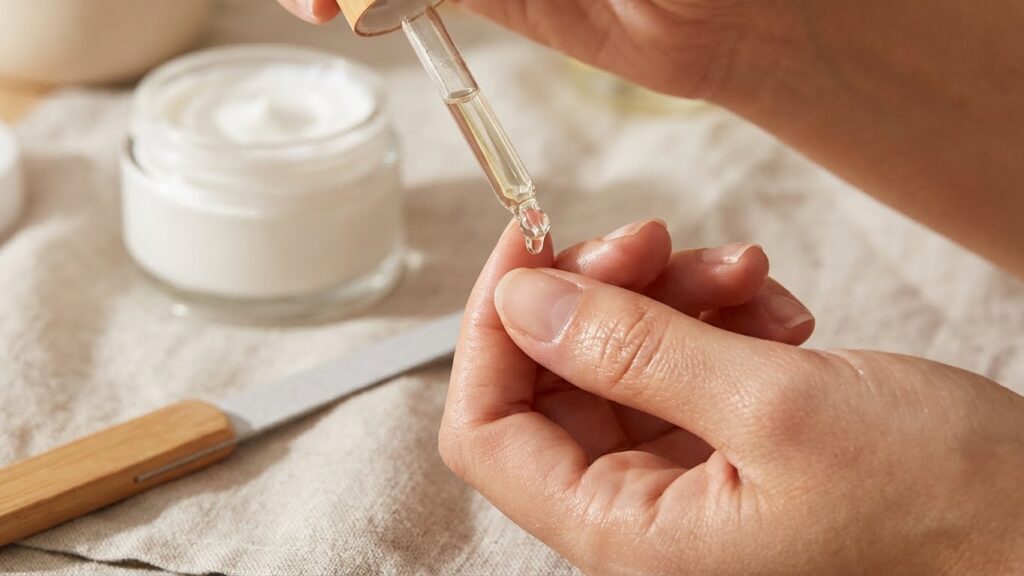
Apply a nourishing oil or cream within 10 minutes of finishing removal to lock in moisture. Use products with vitamin E, jojoba oil, or almond oil; rub a small drop into each cuticle and nail plate twice daily.
For stronger results, do a 5‑minute oil massage at night. Push oil into the nail with gentle circular motions to improve circulation and absorption. Keep hands covered with cotton gloves for 20–30 minutes if your skin is very dry.
Use a moisturizing hand cream during the day. Look for creams with glycerin or hyaluronic acid to pull moisture into the skin. Reapply after washing hands.
Buffing and Shaping Nail Surface
Only buff after nails are fully dry and moisturized. Lightly use a fine-grit buffer (180–240 grit) to smooth ridges. Make 2–3 gentle passes across each nail—don’t overbuff or you’ll thin the nail plate.
File the free edge to shape nails. Use a glass or fine emery board and stroke in one direction to prevent splitting. Aim for a rounded or squared shape with softened corners to reduce catching.
If nails are very thin, skip buffing and focus on protective treatments like a strengthening base coat or nail hardener with proteins. Wear them sparingly to avoid brittleness.
Treating Nail Sensitivity
If nails or skin feel sore or sensitive, apply a cool compress for 5–10 minutes to reduce inflammation. Follow with a barrier balm containing panthenol or ceramides to protect the skin.
Take a break from polish, gels, and press-ons for at least one to two weeks. During this time, use a strengthening treatment with biotin or keratin every other day to aid recovery.
If you see persistent redness, swelling, or pain after 48 hours, consult a healthcare professional. Persistent symptoms can signal infection or allergic reaction and may need medical care.
Tips for Preventing Nail Damage
Take steps that reduce peeling, thinning, and infection. Use gentle tools, limit force, and restore moisture right after removal.
Avoiding Common Mistakes
Do not pry or peel fake nails off quickly. Forcing them can strip layers of your nail plate. Instead, soak your nails in warm, soapy water or oil to loosen glue, then gently work edges with a soft cuticle stick.
Avoid aggressive filing of the top layer. Heavy filing thins the natural nail and makes it weaker. File only the fake nail edge to reduce bulk, and stop as soon as the tip lifts.
Skip using metal tools under a stubborn nail. Metal scrapers can gouge the nail bed. Use dental floss or a soaked cotton swab to ease adhesive, and be patient—slow removal prevents damage.
Protecting Nails After Removal
Immediately trim and lightly buff nails to smooth rough edges. Short, even nails reduce snagging and splitting while they recover.
Apply a hydrating oil or cream to the cuticles and nail plate twice a day. Look for products with vitamin E, jojoba, or almond oil to rebuild moisture and flexibility.
Allow nails to breathe for several days before applying any new enhancements. If you must use polish, apply a base coat first to add a protective layer. Consider taking a week-long break from glue or acrylics after heavy wear.
Choosing the Best Method for Your Needs
Think about how much time you can spend. Soaking in warm, soapy water or using oil can take 15–45 minutes. If you need a faster option, use dental floss or a gentle prying tool, but be careful.
Check the type of fake nails you have. Press-on nails usually lift easier with oil or warm water. Acrylics and gel overlays bond stronger and may need more patience and repeated soaking.
Consider the condition of your natural nails and skin. If your nails are thin, brittle, or peeling, pick the gentlest method—oil, warm water, and slow work. Avoid forceful pulling or scraping to lower the risk of damage.
Weigh tools and supplies you have at home. You can remove press-ons with dental floss, while a nail clipper and file help reduce length before any soak. If you have little supplies, warm soapy water plus oil is the most accessible choice.
Balance comfort and safety. Choose a method that reduces pain and keeps your skin healthy. If you feel pressure, stop and try a gentler approach or ask a pro for help.
Quick comparison:
- Gentle & safe: oil soak, warm soapy water
- Moderate time, more effective: repeated soaking and careful lifting
- Fast but riskier: floss or prying tools (use with caution)
Pick the method that fits your time, nail type, and nail health.
FAQs
What if the fake nails won’t lift after soaking? Try more time and gentle filing. Soak your nails in warm, soapy water for 15–30 minutes, then use a soft cuticle stick to ease the edges. If they still resist, pause and repeat later to avoid ripping your natural nails.
Can oils help remove adhesive? Yes. Apply olive oil, coconut oil, or cuticle oil around the nail base and under the tips. Oils soften glue and hydrate skin; massage gently and wait 10–20 minutes before trying to pry the nail off.
Is it safe to use a nail file and pry method? Yes, when you stay gentle. Lightly file the top layer to reduce thickness, then work slowly from the sides with a cuticle pusher. Stop if you feel pain or see lifting of your real nail. For safety tips, check guidance from the American Academy of Dermatology: https://www.aad.org.
How do you care for nails after removal? Buff lightly and apply cuticle oil or a moisturizing hand cream right away. Keep nails trimmed and avoid polish for a few days so they can recover.
When should you see a professional? If you have severe pain, persistent redness, or signs of infection, see a dermatologist or nail technician. A pro can remove stubborn enhancements safely and treat any damage. For general nail health, the Mayo Clinic has useful information: https://www.mayoclinic.org.
Conclusion
You can remove fake nails at home without acetone by using gentle, patient methods. Warm, soapy water, oils, and careful mechanical help (like dental floss or a cuticle pusher) can loosen adhesive without harsh solvents.
Take your time. Soak for 15–30 minutes, repeat if needed, and work slowly to avoid lifting or tearing your natural nail. If a nail resists, stop and try soaking more rather than forcing it.
Protect your skin and nails after removal. Wash well, apply a moisturizer or cuticle oil, and give your nails a few days to rest before applying new enhancements.
If you feel pain, see signs of infection, or the fake nails were professionally glued down very tightly, seek professional help. A salon technician can remove stubborn nails safely.
Quick reference
- Soak: warm soapy water for 15–30 minutes.
- Lubricate: olive oil, coconut oil, or cuticle oil to loosen glue.
- Pry gently: use dental floss or a cuticle tool with care.
- Aftercare: wash, moisturize, and rest your nails.
These steps reduce damage and keep your natural nails healthy while avoiding acetone.