
Nail Factory Nivela PH Balancer Review: Nail Prep Performance

Nail technicians know that adhesion problems rarely start with the adhesive itself. More often, the culprit is what happens (or doesn’t happen) to the natural nail plate before product goes on. The Nail Factory Nivela PH Balancer is built around that exact idea: a quick prep step meant to condition the nail surface so enhancements bond more securely.
Nail Factory Nivela PH Balancer comes in a small bottle sized for backbar use, not for at-home nail kits.
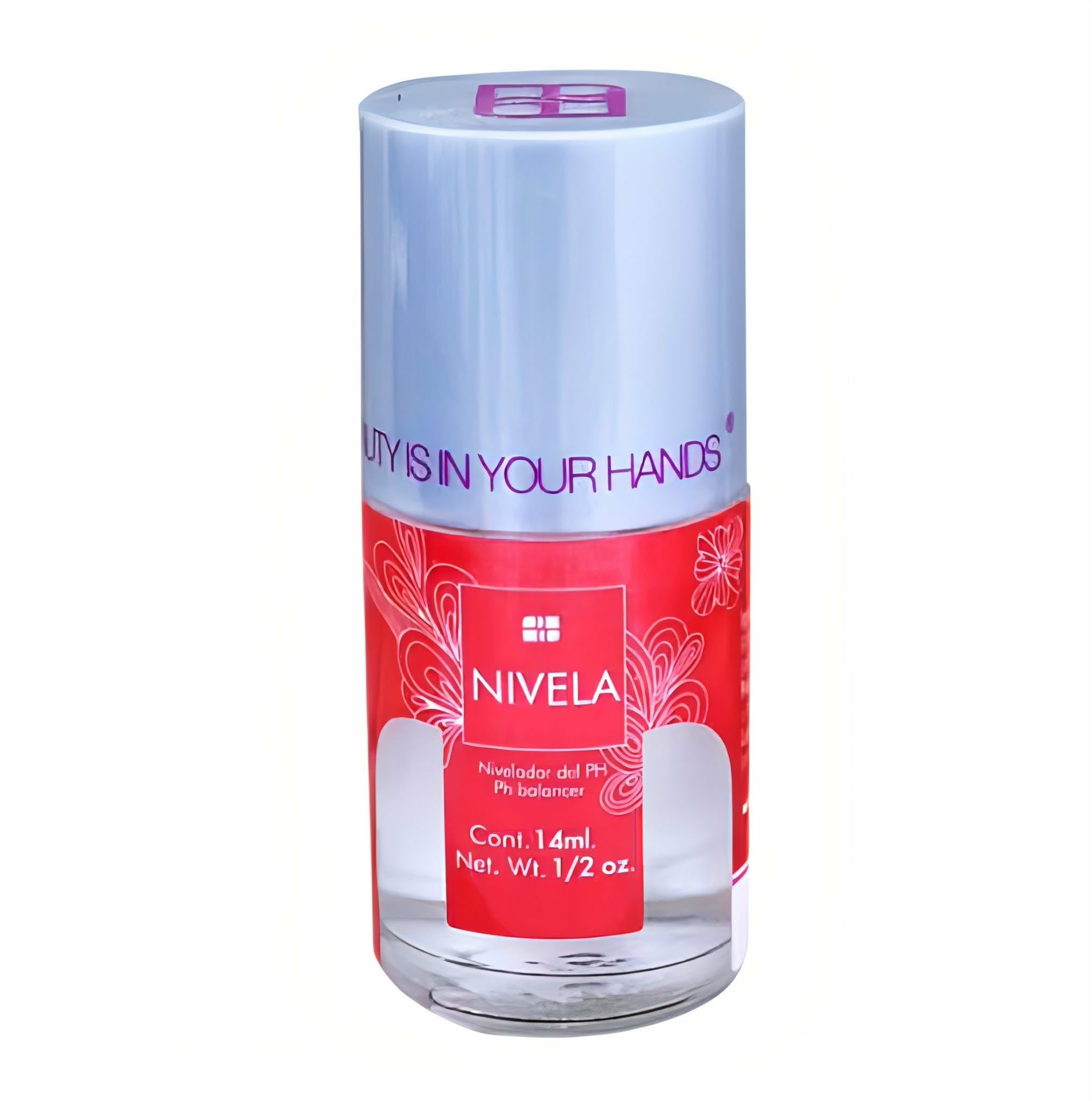
The formula is marketed strictly for professional use, and the listing repeats that point more than once. For technicians who already have a prep routine, this product is meant to slot in as one step, not replace the full process of cleansing, dehydrating, and buffing. It’s worth noting the listing itself lists two different volumes, 14ml in one spot and 15ml in another, so checking the actual bottle label on arrival is a smart move.
Bottom Line
For salon professionals looking for a dedicated pH-prep liquid to support enhancement retention, this product is worth a look. Technicians who already understand proper nail prep and want an extra layer of adhesion support may find it useful. Check current price and availability for the Nail Factory Nivela PH Balancer here.
Overview: Nail Factory Nivela PH Balancer
This product is a liquid prep solution meant for use before applying acrylic, gel, or other artificial nail enhancements. It comes from Nail Factory, a brand focused on professional nail supplies rather than consumer beauty lines.
The bottle is compact, holding either 14ml or 15ml depending on which part of the listing is being read. That inconsistency doesn’t change what the product does, but it’s a detail worth flagging before checkout.
What Is It Designed to Do?
The balancer’s job is to adjust the pH level of the natural nail plate before product application. Nails naturally carry oils and moisture that can interfere with how well acrylic or gel bonds to the surface.
By neutralizing that surface chemistry, the product aims to give enhancements a cleaner, more consistent base to grip. It’s a prep step, not a treatment for nail health or growth.
pH-Balancing Nail Surface Prep
Balancing pH before applying enhancements addresses a common but often overlooked adhesion issue. Natural nails vary in oil content and surface pH from person to person, and that variation can affect how well products stick.
A pH balancer works by neutralizing the nail bed so it’s less acidic or oily, creating a more uniform surface. This step typically happens after cleansing and light buffing, right before primer or bonding agent goes on.
Technicians who skip this step sometimes notice lifting sooner than expected, especially on clients with naturally oily nail beds. Adding a balancing liquid to the prep sequence is a small habit change that can make prep more consistent from client to client.
It won’t fix major application errors or poor filing technique. It supports the steps a technician is already trained to do.
Long-Lasting Artificial Nail Adhesion
Better adhesion at the start of a service tends to translate into longer wear later. When the nail surface is properly balanced before application, enhancements have a more stable base to bond to, which can reduce early lifting.
This matters most for clients who return every two to three weeks expecting a clean, secure set. A balancing step won’t guarantee a specific wear time, since factors like nail shape, client habits, and application skill all play a role.
What it can do is reduce one variable that’s easy to control. For salons focused on retention rates and repeat visits, small prep improvements like this often add up over many services.
Professional Use and Safe Handling
This product is labeled strictly for professional use, and that label should be taken seriously. It’s a prep chemical designed for people trained in nail services, not a general-purpose polish or treatment.
The product should be kept away from children and used only in a controlled salon setting. Technicians handling it should follow standard safety practices already common in the industry, including proper ventilation and avoiding skin contact where possible.
Why Technician Training Matters
Training matters because pH balancers are chemically active, even in small amounts. Used correctly, the product supports adhesion. Used incorrectly, it can affect nail bed health or interfere with product bonding in unexpected ways.
A trained technician understands how much product to use, how long to let it sit, and how it interacts with primers or bonding agents used afterward. That knowledge is part of what separates a professional-grade prep step from a casual, guesswork approach.
Pros and Cons
Weighing this product against a technician’s existing prep routine helps clarify where it fits.
Pros
- Designed specifically to support enhancement adhesion, not general nail care
- Compact bottle size works well for backbar storage
- Fits easily into an existing prep sequence without major workflow changes
- Positioned clearly for professional use, which suggests a formula built for salon conditions
Cons
- Listing shows conflicting volume information (14ml vs 15ml), so label-checking is needed
- Limited independent feedback, since public reviews are still few in number
- Not suitable or intended for at-home or non-professional use
- Requires proper technique to see any adhesion benefit
Customer Reviews
Feedback on this product leans positive, with technicians describing better nail adhesion compared to lower-cost alternatives they’d used before. One reviewer mentioned switching from a cheaper product that caused lifting near the cuticle, and noticing improved hold after switching to this balancer.
Another reviewer hadn’t tried it yet but mentioned hearing positive recommendations from other technicians. A third comment simply noted general satisfaction with the brand overall, without going into specific detail.
What the 4.9-Star Rating Suggests
A high average rating from a small number of reviews is worth reading carefully. Fifteen ratings is a modest sample, and while the average sits at the high end, that doesn’t mean the product has been tested across a wide range of salon conditions or client nail types.
It suggests early users are satisfied, but it isn’t a large enough dataset to draw firm conclusions about consistency across different technicians, climates, or application styles. Treating it as a positive early signal, not a guarantee, is the more balanced way to read it.
Conclusion
For salon professionals already comfortable with nail prep procedures, this balancer offers a simple way to add a pH-adjusting step before enhancement application. It’s positioned clearly for trained technicians, not casual users, and its ingredients and packaging reflect that focus.
The volume discrepancy between 14ml and 15ml across the listing is a small but real detail worth checking before purchase. Beyond that, the product fits into a standard prep routine without requiring major changes to technique or timing.
Technicians focused on improving retention rates, especially for clients prone to early lifting, may find this a useful addition to their backbar lineup. Anyone newer to enhancement application should master core prep steps first, since a balancer supports good technique rather than replacing it.
FAQs
Is this product meant for at-home use? No. The listing and packaging both specify professional use only, intended for trained nail technicians working in salon settings.
Does it replace other prep steps like cleansing or dehydrating? No. It’s meant to be used alongside standard prep steps, not instead of them, typically right before primer or bonding agent application.
Why does the listing show both 14ml and 15ml? The product description contains both volume figures in different places. Checking the actual bottle label after purchase is the best way to confirm exact contents.
Can this product improve nail health on its own? It’s designed to support adhesion for artificial nails, not to treat or improve the health of the natural nail plate.
How reliable is the 4.9-star rating? The rating comes from a small number of reviews, so it reflects early user satisfaction rather than a large-scale track record.

