
Can You Use a Nail File on a Foot Callus? Safety, Alternatives, and Best Practices

Dealing with rough, thickened skin on your feet can be frustrating, especially when sandal season arrives or your heels start catching on your socks. When you are staring down a stubborn patch of hard skin, you might look around your bathroom vanity and spot your trusty manicure supplies. This often leads to a very common home-care question: can you use nail file on foot callus safely and effectively?
Introduction
Foot calluses form as a natural protective response to friction and pressure, typically on the heels, balls of the feet, or toes. When these areas become thick and rough, finding a quick DIY solution is tempting. Many people wonder if standard grooming tools like an emery board or a metal manicure file can do the job.
Using the wrong tool on thick foot skin can lead to skin tears, irritation, or even infection. According to the American Podiatric Medical Association, proper foot hygiene and careful exfoliation are essential for preventing complications, particularly for individuals with underlying health conditions.
This guide explores whether standard nail files work on foot calluses, the risks involved, the best tools for the job, and how to safely smooth your feet at home without causing injury.
Quick Answer
Can you use a nail file on foot callus? Generally, no. A standard fingernail file is too small, too fine, and not designed to handle the thick, dense skin of a foot callus. Using it is ineffective, time-consuming, and can cause skin friction burns. Instead, use a dedicated foot file, pumice stone, or a professional pedicure rasp.
Understanding Foot Calluses vs. Fingernails
To understand why a fingernail file is the wrong tool for the job, it helps to look at the structural differences between hand nails and foot skin.
Fingernails are made of hardened keratin plates designed to be shaped with gentle, fine-grit abrasive strips. Foot calluses, on the other hand, are layers of dead epidermal skin cells that have compacted over months of walking, running, or wearing ill-fitting shoes.
A standard manicure file lacks the surface area and coarseness required to break down thick plantar skin. Trying to file down a heavy heel callus with a tiny nail file is like trying to sand a wooden deck with an emery board—it will wear down the tool long before it makes a dent in the problem.
The Risks of Using Nail Files on Feet
Recommended Size: 900×600 px
While using a small nail file on your foot might seem harmless, several hidden risks are involved:
- Inefficiency and Skin Burn: Because nail files are fine-grained, rubbing them repeatedly against tough skin creates friction and heat, which can cause a painful friction burn.
- Bacterial Contraception and Micro-Tears: Using a porous cardboard emery board on wet foot skin can trap bacteria, increasing the risk of localized skin infections.
- Uneven Exfoliation: A small file creates pits and uneven ridges in the callus rather than a smooth, uniform surface.
- Cross-Contamination: Using the same file on your hands and feet transfers foot fungi (such as athlete’s foot bacteria) directly to your fingernails.
According to public health guidelines from the U.S. Food and Drug Administration regarding cosmetic tool safety, unsterilized personal care instruments can harbor harmful microorganisms if shared or improperly cleaned.
Best Tools for Treating Foot Calluses at Home
If a nail file won’t work, what should you use? Several safe, highly effective alternatives are designed specifically for the thicker skin of the feet.
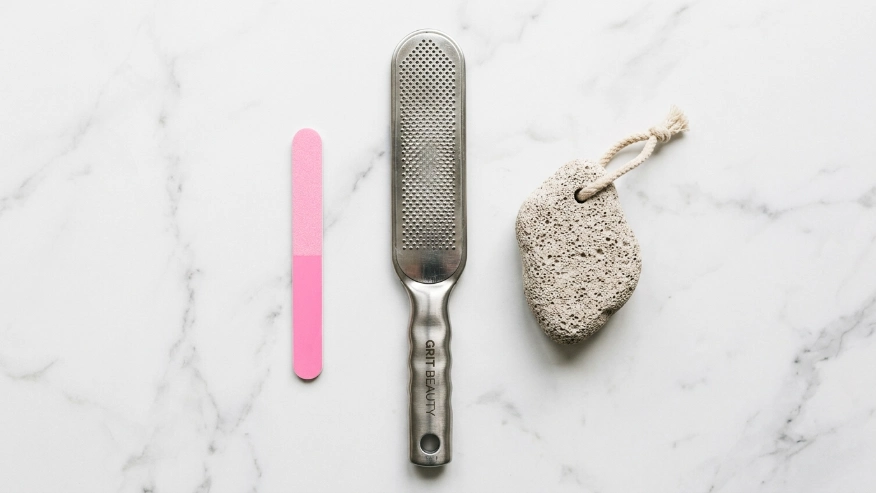
1. Pumice Stones
A natural volcanic rock with a porous texture, a pumice stone gently buffs away dead skin when used on softened, damp feet. It offers controlled, gradual exfoliation without sharp blades.
2. Metal Foot Rasps and Micro-File Paddles
These tools feature surgical-grade stainless steel surfaces with micro-etched patterns. They quickly and safely shave off thin layers of dead callus skin without cutting living tissue.
3. Electronic Callus Removers
Battery-operated rollers spin automatically to buff away rough patches with minimal physical effort. They are ideal for individuals with limited hand strength or arthritis.
Step-by-Step Guide: How to Safely Remove a Foot Callus
Instead of frantically scrubbing with a tiny nail file, follow this structured, salon-approved routine for smooth, healthy feet.
| Step | Action | Recommended Tool |
| 1. Soak | Soften the hard skin by soaking feet in warm water for 10–15 minutes. | Basin, warm water, Epsom salt |
| 2. Dry Partially | Pat feet dry with a clean towel. Skin should be damp, not dripping wet. | Soft cotton towel |
| 3. Exfoliate | Gently glide your foot file or pumice stone across the callus in one direction. | Metal foot rasp or pumice stone |
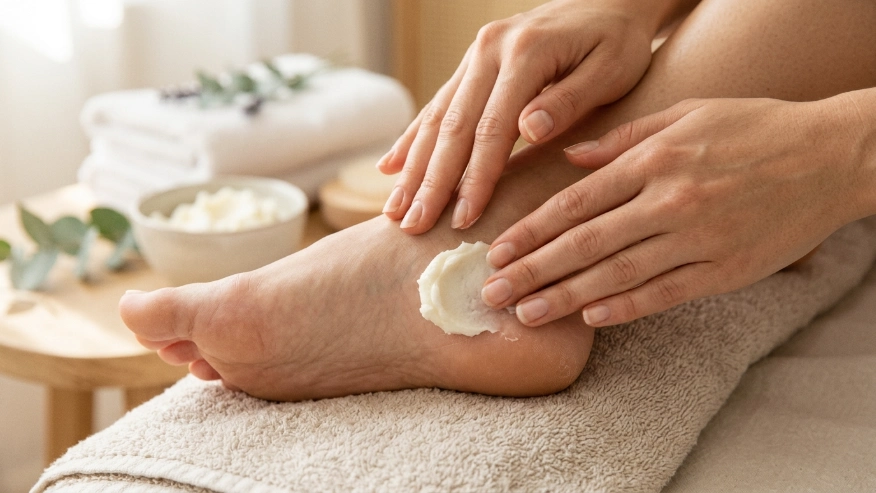
| 4. Moisturize | Lock in hydration immediately with a rich urea- or shea butter-based cream. | Intensive foot cream |
Expert Tip: Never use razor blades, kitchen graters, or scissors to cut away foot calluses at home. Self-surgery on feet drastically increases the risk of severe lacerations and deep bacterial infections.
When to See a Nail Technician or Dermatologist
While at-home maintenance works well for minor roughness, certain situations require professional intervention. You should seek help from a licensed podiatrist or dermatologist if:
- You have diabetes, poor circulation, or neuropathy (nerve damage), as minor foot injuries can escalate into ulcers.
- The callus is extremely painful, inflamed, or bleeding.
- You suspect the hard spot is actually a plantar wart or corn rather than a simple mechanical callus.
- Home remedies and regular exfoliation show no improvement after several weeks.
Common Mistakes to Avoid
- Filing dry skin: Filing completely dry calluses causes harsh friction and ragged skin tears. Always soften your feet in a warm bath first.
- Applying aggressive pressure: Pushing down too hard with a file damages healthy underlying skin layers, leading to raw, tender patches.
- Skipping the moisturizer: Exfoliation removes dead layers, but failing to apply a heavy moisturizer leaves new skin vulnerable and prone to rapid hardening.
- Neglecting tool hygiene: Failing to wash and sanitize foot files after every use turns them into breeding grounds for mold and bacteria.
FAQs
Can I use an electric nail file on my feet?
Some hobbyist rotary tools come with sanding bands, but standard cosmetic electric nail files lack the power and surface area needed for feet. Specialized electronic pedicure rollers are safer and more effective.
How often should I file my foot calluses?
Limit physical exfoliation to once or twice a week. Over-filing triggers the body to produce thicker calluses as a defense mechanism against the friction.
Can soaking my feet make callus removal easier?
Yes. Soaking your feet in warm water for 10 to 15 minutes softens the keratinized proteins in the dead skin cells, making them much easier to buff away gently.
Are metal foot scrapers safe?
Professional stainless steel foot rasps are completely safe when used gently on damp skin. Avoid cheap blades or cheese-grater style tools that lack safety guards.
Why do foot calluses keep coming back?
Calluses form due to ongoing friction and pressure from walking or shoes. Unless you address the root cause—such as adding cushioned insoles or wearing better-fitting shoes—the calluses will return.
Can a pumice stone damage healthy skin?
Yes, if used too aggressively or on thin, sensitive areas of the foot. Use light pressure and stop immediately if the skin turns pink or feels raw.
Conclusion
Can you use a nail file on a foot callus? Technically, you can, but it is inefficient, unsafe, and unlikely to give you the smooth results you want. Protecting your foot health requires using the right tools—such as a pumice stone or professional foot rasp—combined with warm water soaks and rich moisturizers. Skip the tiny manicure tools, upgrade your pedicure routine, and take a gentle, consistent approach to keep your feet feeling soft, healthy, and sandal-ready all year round.

