ROSALIND Nail Dehydrator Review: Acid-Free Prep & Performance

Anyone who paints their own gel or acrylics at home eventually asks the same question: does a nail dehydrator actually make a difference, or is it just another bottle taking up counter space? The ROSALIND Nail Dehydrator is a small, 11 ml liquid meant to strip away oils and dust before polish or enhancement application, so the goal here is to see whether that small bottle earns a spot in a regular routine.
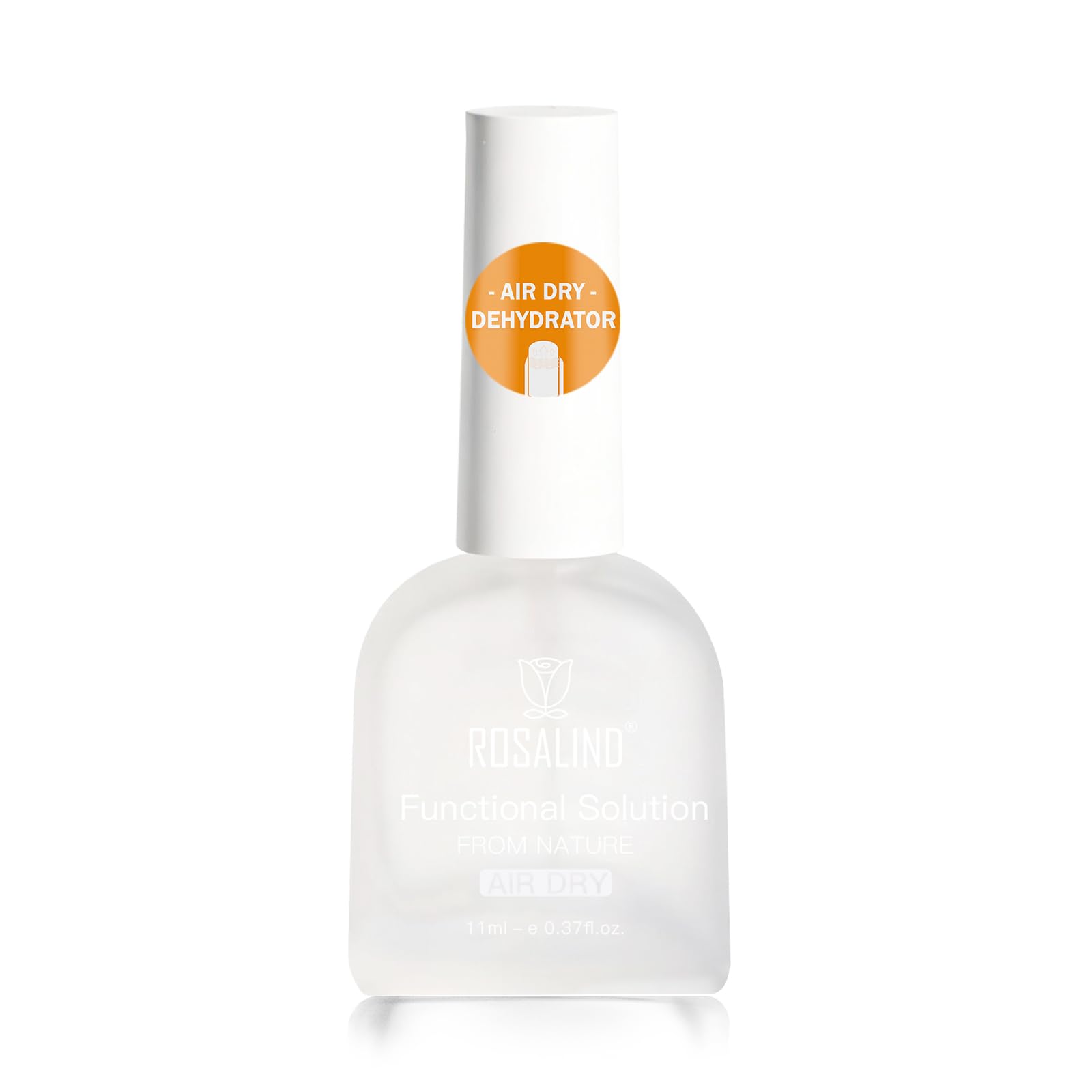
This is a prep step, not a polish or top coat, so it won’t add shine or color. Its job is to clear the nail plate of natural oils and residue so gel, acrylic, or press-on adhesive has a cleaner surface to grip. It’s formulated to be acid-free, which matters for anyone who’s dealt with stinging or irritation from older-style dehydrators.
Bottom Line
For at-home manicure fans who already deal with lifting or early chipping, this dehydrator is a low-cost way to test whether better prep solves the problem. It’s not a guaranteed fix, but as a first step before base coat, it’s worth trying.
If a smoother, longer-wearing gel or acrylic application sounds appealing, check the current price and availability of the ROSALIND Nail Dehydrator on Amazon.
ROSALIND Nail Dehydrator, 11 ml: Overview
This is a single 11 ml bottle designed for one purpose: prepping the natural nail before gel polish, acrylic, or press-on application. It’s not a soak-off remover or a cuticle treatment, so buyers expecting a multi-use product should adjust expectations.
The formula is described as acid-free, which is meant to make it gentler on skin and nail tissue than older dehydrating formulas. It leaves a glossy, non-yellowing finish, according to the label, which matters for anyone doing sheer or “naked” nail looks where clarity counts.
At 11 ml, the bottle is small. For someone doing weekly manicures, that’s a few months of use. For a home nail tech doing multiple sets a week, it may run out faster. The brand markets it as compatible with most professional nail systems, which is a reasonable claim for a basic prep liquid, though it hasn’t been tested here against every gel or acrylic brand on the market.
Removes Oils and Dust Before Application
Its main function is to wipe away the natural oils, debris, and light bacteria that sit on the nail bed even after washing hands. That’s a normal part of skin, not a hygiene issue, but it can interfere with how well gel or acrylic grips the nail.
The liquid is applied with a brush or lint-free wipe directly onto the clean nail plate, then left to air dry for a few seconds before base coat goes on. It’s a quick step, adding maybe 30 seconds per hand.
Why a Clean Nail Surface Can Reduce Lifting
Lifting often starts at the edges of a manicure, where oil or moisture gets trapped between the nail and the product. Removing oil before application gives adhesives a cleaner bond point.
This doesn’t guarantee a lift-free manicure. Filing, cuticle work, and curing time all play a role too. But a dehydrated nail bed is one less variable working against wear time.
Acid-Free Prep for Gel, Acrylic, and Press-Ons
Being acid-free is meant to make this dehydrator safer for repeated use than older, harsher prep liquids. Some traditional dehydrators use stronger acids that can dry out skin around the nail or cause mild irritation with frequent contact.
An acid-free formula is designed to reduce that risk, though “acid-free” doesn’t mean “irritation-free.” The brand still recommends a patch test, which is a reasonable precaution for any cosmetic liquid applied near skin.
Which Manicure Routines It Suits
This product fits best into routines that already include a full prep process: filing, pushing back cuticles, and cleaning the nail plate. Adding a dehydrator on top of that routine is a small, incremental step.
It works across a few nail styles:
- Gel polish manicures done at home with a UV or LED lamp
- Acrylic or hard gel enhancements applied over the natural nail
- Press-on nails that rely on adhesive tabs or glue for a secure bond
Anyone skipping basic prep steps like filing or cleaning likely won’t see much benefit from adding this alone.
How to Use It Safely in a Nail-Prep Routine
The safest way to use this product is as a short, controlled step right before base coat, not as a general hand or skin product. It’s designed for the nail plate only, not surrounding skin.
Where It Fits Before Base Coat or Enhancement Application
The order matters. After shaping and cleaning the nail, the dehydrator goes on next, followed by a primer (if the system calls for one), then base coat or acrylic liquid.
Applying it too early, before filing is finished, means dust and debris get sealed in rather than removed. Waiting until right before base coat gives the cleanest surface.
Patch-Test and Skin-Contact Precautions
The brand notes that skin contact can cause an allergic reaction in rare cases. A small patch test on the skin, away from the nail, is worth doing before full use, especially for anyone with sensitive skin or a history of reactions to nail products.
If redness, itching, or discomfort shows up, stopping use immediately is the right call. This is a basic safety step for most nail-prep liquids, not a sign this product is riskier than competitors.
Pros and Cons
Weighing this dehydrator against a typical at-home nail routine helps clarify where it earns its place and where it might feel unnecessary.
Pros
- Acid-free formula may be gentler on skin than older dehydrator types
- Small size makes it easy to fit into a nail kit or drawer
- Leaves a clear, non-yellowing finish suited to sheer or naked nail looks
- Works as a general prep step across gel, acrylic, and press-on systems
Cons
- 11 ml is a small volume, so frequent users will need to reorder often
- No written customer reviews are available yet to confirm long-term wear results
- Requires a full prep routine (filing, cleaning) to be effective, not a standalone fix
What Do the Early Customer Ratings Suggest?
The current rating sits at a strong average, but it comes from a very small pool of ratings, and no written reviews are attached to back up the details. That’s an important distinction for anyone comparing this to more established nail-prep brands with hundreds of reviews.
A high average from just a few ratings can shift quickly as more buyers weigh in. It’s a reasonable early signal, not a full track record.
Buyers who want more certainty about long-term wear or compatibility with specific gel brands may want to wait for more feedback, or start with a small test manicure before committing to it as a permanent routine step.
Conclusion
This dehydrator fits a specific, narrow role: prepping the nail plate for stronger gel, acrylic, or press-on adhesion. It’s acid-free, small, and simple to use, which suits at-home manicure fans looking for an affordable addition to their prep steps.
It won’t fix a manicure routine that skips filing, cuticle care, or proper curing time. And with only a handful of ratings and no written reviews, it’s hard to say how it performs across a wide range of nail types and gel systems.
For someone dealing with occasional lifting who already has a solid prep routine, adding this is a low-risk way to test whether extra dehydrating helps. For someone hoping a single product will solve deeper adhesion problems, expectations should stay modest.
FAQs
Does this replace a base coat? No. It’s a prep step used before base coat, not a substitute for one.
Can it be used under press-on nails? Yes, it’s designed to work across gel, acrylic, and press-on applications by clearing oils from the nail bed first.
Is it safe for sensitive skin? The brand recommends a patch test first, since skin contact can cause irritation in rare cases.
How long does 11 ml last? That depends on frequency of use. Weekly at-home manicures could stretch the bottle several months; frequent nail techs may go through it faster.
Does it guarantee my gel manicure won’t lift? No single prep product guarantees that. It’s designed to reduce one contributing factor (oil on the nail bed), not eliminate lifting altogether.