

Fake nails are artificial extensions or coverings you add to your natural nails to change their length, shape, or color. They include options like acrylics, gels, press-ons, and wraps, each made and applied differently to match how much time, cost, and upkeep you want.
You can use fake nails to get a polished look fast, fix broken nails, or try bold styles you can’t achieve with natural nails alone. Knowing the main types and how they attach will help you pick something that fits your routine and protects your real nails.
Key Takeaways
- Fake nails give instant length and style with different materials and finishes.
- Application methods affect durability, cost, and nail health.
- Proper care limits damage and keeps enhancements looking good.
What Are Fake Nails
Fake nails are artificial nail coverings you can wear to change length, shape, or color. They range from temporary press-ons to long-lasting acrylic or gel extensions. You can choose based on how long you want them to last, how natural you want them to look, and how much maintenance you can handle.
Definition of Fake Nails
Fake nails are nail enhancements applied over your natural nails. They include types like acrylics (powder + liquid), gel enhancements (cured under a UV/LED light), dip powder, silk or fiberglass wraps, and press-on nails that you glue or stick on. Each type has a different material, application process, and finish.
You can get full-cover tips that add length or overlays that strengthen your natural nail without much added length. Some are reusable, like higher-quality press-ons, while others are meant to last weeks and need professional removal.
History and Evolution
Artificial nails date back decades and grew from simple enhancements to a full beauty industry. Early commercial acrylics and sculpting techniques appeared in the mid-20th century. Salon methods improved over the 1970s–2000s with better polymers, UV-cured gels, and safer application tools.
Press-on nails became popular for quick, at-home looks. More recently, polygel and hybrid systems blended gel and acrylic properties for strength and flexibility. You’ll now find a wide range of materials and at-home kits as well as high-end salon services.
Purpose and Uses
You use fake nails to change the length, shape, color, or strength of your nails. People wear them for fashion, special events, to hide nail damage, or to protect weak nails while they grow out. Salons can sculpt complex shapes and nail art that’s hard to recreate on natural nails.
Maintenance varies: press-ons need little upkeep, while acrylics or gels require fills every 2–4 weeks. Removal matters too — incorrect removal can damage your natural nails, so follow proper steps or see a professional.
Types of Fake Nails
You can choose nails that last weeks, ones you press on for a day, or powders and gels that require a salon tool. Each option differs in durability, look, and how you remove it.
Acrylic Nails
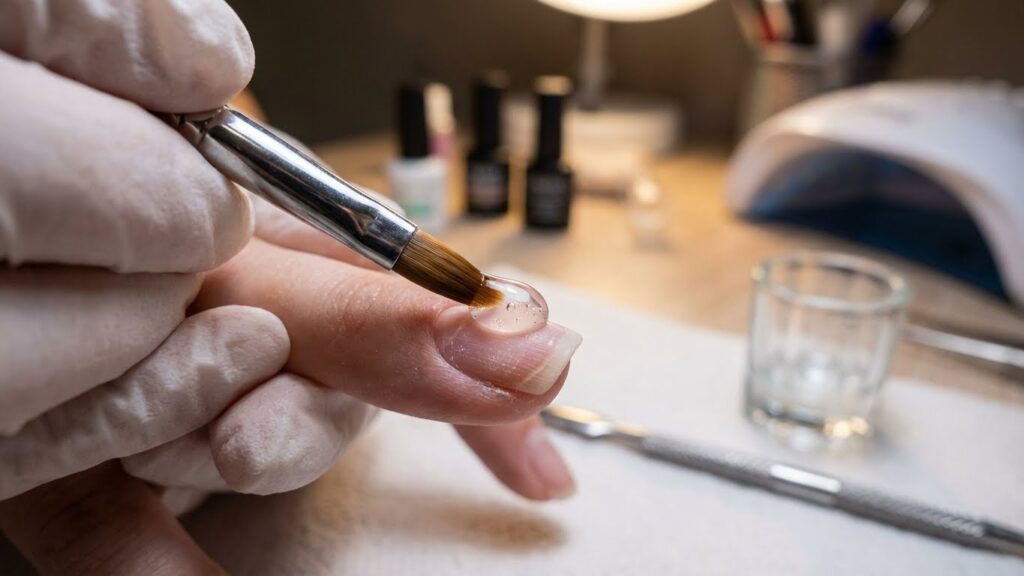
Acrylic nails use a liquid monomer plus a powdered polymer to build a hard nail extension. A technician sculpts them over your natural nail or on tips, then files and paints them. They are very strong and suit long or sculpted shapes.
Expect salons to fill gaps every 2–3 weeks as your natural nail grows. Removal needs soaking in acetone or professional filing; improper removal can thin or damage your nail. Acrylics can chip but resist impact better than many options.
If you want heavy designs or press-on decorations, acrylics hold them well. They also accept any polish, nail art, or overlays. However, they require regular salon upkeep and can feel thicker than natural nails.
Gel Nails
Gel nails are cured under a UV or LED lamp and give a glossy, natural finish. Technicians either apply gel polish on your natural nail for two-week wear or sculpt builder gel for longer, stronger extensions.
Gel remover is usually acetone soak-off, but hard gels may need filing by a pro. Gel holds shine longer than regular polish and chips less, but it can lift if the nail surface wasn’t prepped well. You’ll still need fills every 2–3 weeks as your nail grows.
Gel suits people who want a natural look with strong gloss. It’s often thinner feeling than acrylics and can be gentler if removed correctly. Make sure the salon cures properly to avoid tacky or undercured layers.
Press-On Nails

Press-on nails are pre-made tips you glue or stick to your nails at home or in a salon. They come in many shapes, lengths, and designs and can wear from a day to two weeks depending on adhesive and activity level.
Application is fast: you prep your nail, pick the right-sized tip, and press or glue it on. Removal means soaking in warm soapy water or using adhesive remover to avoid lifting your natural nail. They’re the cheapest and least permanent option.
Choose press-ons if you want quick change, travel-ready kits, or an inexpensive trial of a long shape. They don’t need curing tools and let you switch styles often, though they can pop off with heavy use.
Dip Powder Nails
Dip powder uses colored powder and a bonding liquid to build layers that harden without a lamp. Technicians dip your nail into the powder repeatedly, seal it with a top coat, then file and buff to shape.
Dip nails last about the same as gels or acrylics—often 2–4 weeks—depending on growth and wear. Removal requires soaking in acetone or professional filing. Dip powder gives a strong, thin-feeling finish and resists chipping well.
This method gives rich color and layered strength without the fumes of acrylics. It works well if you want long-lasting color and durability but still need proper removal to avoid nail damage.
Application Methods
You’ll learn the main ways fake nails get attached and which fit different goals: long wear and sculpted shapes from a pro, or quick press-ons and glue at home. Each method needs specific prep, tools, and care to avoid damage and get the look you want.
Professional Salon Application
When you go to a salon, technicians use methods like acrylics, hard gel, or gel extensions. They sculpt liquid and powder or apply builder gel directly on forms or tips to create a custom shape. You get precise sizing, cuticle work, and strong adhesion that lasts 2–4 weeks with fills every 2–3 weeks.
Expect these steps:
- Nail prep: buffing, cuticle push-back, and cleaning.
- Application: forms or tips are fitted, product is layered and cured (UV/LED for gels).
- Finishing: shaping, smoothing, and top coat or seal.
Salons can fix length and shape more reliably than at-home kits. They also use higher-strength adhesives and professional drills for removal and fills, which reduces cracking when done correctly.
DIY Home Application
At home you can use press-on nails, glue-on tips, or at-home gel kits. Press-ons stick with adhesive tabs or glue and take 5–15 minutes to apply. Glue-on tips require matching tip size, trimming, and gluing; they hold longer than tabs but may lift if prep is poor.
Follow these basics:
- Clean nails with alcohol, push back cuticles, and lightly buff the nail surface.
- Match sizes, apply glue or tabs, press and hold for 10–30 seconds.
- File edges and trim length for comfort.
For longer wear, use nail dehydrator and primer before glue. Remove gently with acetone or soak-off solutions to avoid pulling and damage.
Benefits of Fake Nails
Fake nails give you longer, neater nails instantly. They can change your nail shape, add color or art, and protect weak natural nails while you wear them.
Aesthetic Enhancement
You get immediate length and a clean shape that can be hard to grow naturally. Acrylics, gels, and press-ons let you pick exact lengths like short squares or long almond tips.
You can use any color, finish, or nail art. French tips, glitter, chrome powder, and hand-painted designs are all possible. This makes it easy to match a look for a job, event, or season.
If you want a polished, camera-ready look, fake nails reduce daily chipping and uneven edges. You control the style every few weeks when you refill or replace them.
Durability and Strength
Artificial nails add a hard layer over your natural nail, which helps prevent breaks and splits. This is useful if you work with your hands or have nails that crack easily.
Acrylics and hard gels cure to a tough surface that resists chips. Press-ons give short-term protection and are easy to swap when a tip loosens.
Regular fills and proper removal matter. If you leave them on too long or remove them roughly, your natural nails can weaken. Follow a technician’s care steps to keep strength benefits without damage.
Customization Options
You can tailor fake nails to your daily needs and budget. Choose long-lasting salon acrylics, flexible builder gels, or quick press-on sets for weekends.
Pick shapes, lengths, thickness, and finishes to suit activities. Thicker tips hold up better for manual work; thinner gels look more natural and bend slightly under pressure.
You can also mix features: for example, a neutral base with one or two accent nails in glitter or stones. That lets you create looks that fit your job, hobbies, and personal style.
Potential Risks and Drawbacks
Fake nails can thin or weaken your natural nails, cause infections, and trigger allergic reactions. Removal can also damage nails if done wrong, and some products contain harsh chemicals you should avoid.
Nail Health Concerns
If glue, acrylic, or gel covers your nail plate for weeks, your natural nails can become thin and brittle. Filing the nail surface to help product adhere removes protective layers and makes nails prone to splitting and peeling.
A gap can form between the artificial nail and your nail bed. That gap traps moisture and debris, which creates a good place for fungi and bacteria to grow. You may notice discoloration, thickening, or a foul smell if an infection starts.
Keep your nails dry and check under tips often. Replace or remove damaged sets quickly and give your nails breaks between applications to help them recover.
Allergic Reactions
Ingredients like methacrylates, formaldehyde, toluene, and certain acrylates can irritate your skin or cause allergic contact dermatitis. Symptoms include redness, itching, swelling around the cuticle, and blisters on the fingers or hand.
If you develop a reaction, stop using the product and see a dermatologist. They can test for specific allergens and recommend hypoallergenic alternatives or topical treatments.
Always tell your technician about past reactions and ask for product ingredient lists when available. Patch tests can help identify sensitivities before a full application.
Removal Challenges
Removing acrylics, gels, or glued tips wrongly can strip layers of your natural nail and cause long-term thinning. Peeling or prying off nails increases the risk of lifting, raw nail beds, and bleeding.
Proper removal usually requires soaking in acetone or visiting a trained technician. Acetone can dry your skin and cuticles, so use cuticle oil and moisturizers afterward to restore hydration.
If removal is painful or you see signs of infection—severe pain, pus, or spreading redness—stop and seek professional care to avoid further damage.
Maintenance and Care
Keep nails clean, avoid strong impacts, and check edges and glue daily to catch lifting early.
Daily Upkeep Tips

Clean under and around your fake nails every day with a soft brush and warm soapy water. This removes dirt and reduces infection risk. Dry your nails fully to prevent moisture from getting trapped.
Use cuticle oil once a day to keep the surrounding skin and natural nail plate hydrated. Apply a small drop along the cuticle and rub gently. This helps prevent lifting and splits.
Avoid using your nails as tools. Open cans or pry things with the pad of your finger instead. Wear gloves for cleaning or gardening to stop chemicals and dirt from weakening the bond.
If you see lifting, gently push the lifted edge down and apply a small amount of nail glue or adhesive tab designed for your nail type. File any rough edges with a fine nail file to stop further catching.
Safe Removal Practices
Soak press-ons in warm soapy water for 10–15 minutes to loosen adhesive, then lift gently from the sides with a wooden cuticle stick. Do not force or pry; that can strip layers from your natural nail.
For glue-on or salon systems, use 100% acetone in a small glass bowl or with cotton soaked in acetone wrapped in foil for 10–20 minutes. Check progress every 5 minutes and remove softened material with a buffer or orange stick. Stop if you feel pain.
After removal, buff lightly, wash hands, and apply a nail-strengthening treatment or oil for several days. Give your natural nails a break of at least a week between full sets if they feel thin or you notice white spots.
Environmental and Ethical Considerations
Fake nails use plastics and chemicals that affect the planet and people. You should know which materials they use and how to dispose of them to lower harm.
Sustainability of Materials
Most acrylic and gel nails are made from non-biodegradable plastics like polymethyl methacrylate and similar resins. Those plastics come from fossil fuels and do not break down in soil or water, so they add to long-term plastic waste. Some brands now offer press-on nails made from biodegradable polymers or recycled materials; check product labels for specific materials like PLA (polylactic acid) or certified recycled plastic.
Chemical ingredients matter too. Monomers, hardeners, and solvents used in application contain volatile organic compounds (VOCs) and other chemicals that can pollute air during salon use and manufacturing. You can reduce impact by choosing products listed as low-VOC, non-toxic, or that carry third-party certifications.
Disposal Issues
When you remove or file fake nails, tiny plastic particles can shed as microplastics. These particles wash down drains or end up in landfills and can travel into waterways. Avoid flushing nail debris; collect clippings and filings in a sealed bag and throw them in regular trash when recycling is not accepted.
Salons generate chemical waste too—acetone, glues, and soaked cotton pads. Proper disposal follows local hazardous-waste rules. Ask your salon whether they use waste-neutral practices, recycling programs, or biodegradable alternatives to minimize pollution and chemical runoff.
Trends and Innovations in Fake Nails
You’ll find bold new designs and smarter materials shaping fake nails. Both look and how nails are made are changing fast, with options for every skill level and budget.
Latest Design Trends
Designs now mix texture, color, and shape in eye-catching ways. You’ll see chrome and glass-like finishes, elevated French tips with thicker borders or split colors, and mismatched nails where each finger has a different motif. Press-on sets often include galaxy swirls, tiny 3D gems, and minimalist negative space for quick, salon-style looks at home.
Seasonal palettes matter: milky neutrals and soft pastels for spring, jewel tones for fall, and glitter or holographic effects for party looks. Short, almond, and coffin shapes dominate, but K-nails (squared with a soft edge) and sculptural forms are rising. If you want versatility, pick press-ons or reusable sets with adhesive that won’t damage your natural nails.
Advancements in Technology
Materials and tools have improved safety and ease of use. Gel and hybrid polymers give stronger, thinner tips that feel more natural than old acrylics. Press-on nails use better adhesives and reusable tabs so you can swap styles without glue residue.
You’ll also find smarter tools: LED-curing gels that set in seconds, heat-resistant topcoats, and lightweight molded forms for precise shaping. Nail printing tech and water-transfer decals let you apply complex art at home or in salons with consistent results. For eco-conscious choices, some brands now offer recyclable packaging and lower-VOC formulas.
FAQs
What exactly counts as fake nails? Fake nails include extensions and coverings like acrylics, hard gels, dip powder, and press-ons. They sit on or extend your natural nail to change length, shape, or color.
Will fake nails damage your natural nails? They can if applied or removed poorly. Have a trained technician do the work and follow safe removal steps to reduce lifting, thinning, and breakage.
How long do fake nails last? Wear time varies by type and care. Acrylics and hard gels often last 2–4 weeks with fills, while press-ons can last days to two weeks depending on adhesive and activity.
How do you remove fake nails safely? Soak and file methods differ by material. For acrylics and dip powder, acetone soaking is common; for gels, a salon may use filing or controlled soaking. Follow guidance from a trusted source like the American Academy of Dermatology for safe removal: https://www.aad.org.
Can you still get infections? Yes, moisture trapped under extensions or damaged cuticles can cause infection. Keep nails clean and dry, and see a healthcare provider if you notice pain, swelling, or pus. The CDC has basic tips on nail hygiene you can trust: https://www.cdc.gov.
How should you care for your natural nails under enhancements? Keep them moisturized, avoid picking, and give breaks between full sets when possible. Regular fills and gentle filing help maintain both the enhancement and your real nails.
Conclusion
Fake nails give you quick, polished results and lots of style options. You can choose acrylics, gels, or press-ons depending on how long you want them to last and how much upkeep you want.
They can damage your natural nails if you skip proper care. Follow safe application and gentle removal steps, and take breaks to let your nails recover.
If you have allergies, weak nails, or a job that uses your hands a lot, pick lower-risk options like short press-ons or a simple polish. Regular moisturizing and avoiding rough removal help protect your nails.
Make choices that fit your budget and lifestyle. A professional can reduce risks, but good home care also matters.
Bold tips:
- Do get removal done gently or soak with acetone.
- Do let nails rest between sets.
- Don’t pick or force off enhancements.
You control how you wear them. Use these points to keep your hands healthy while enjoying the look you want.