
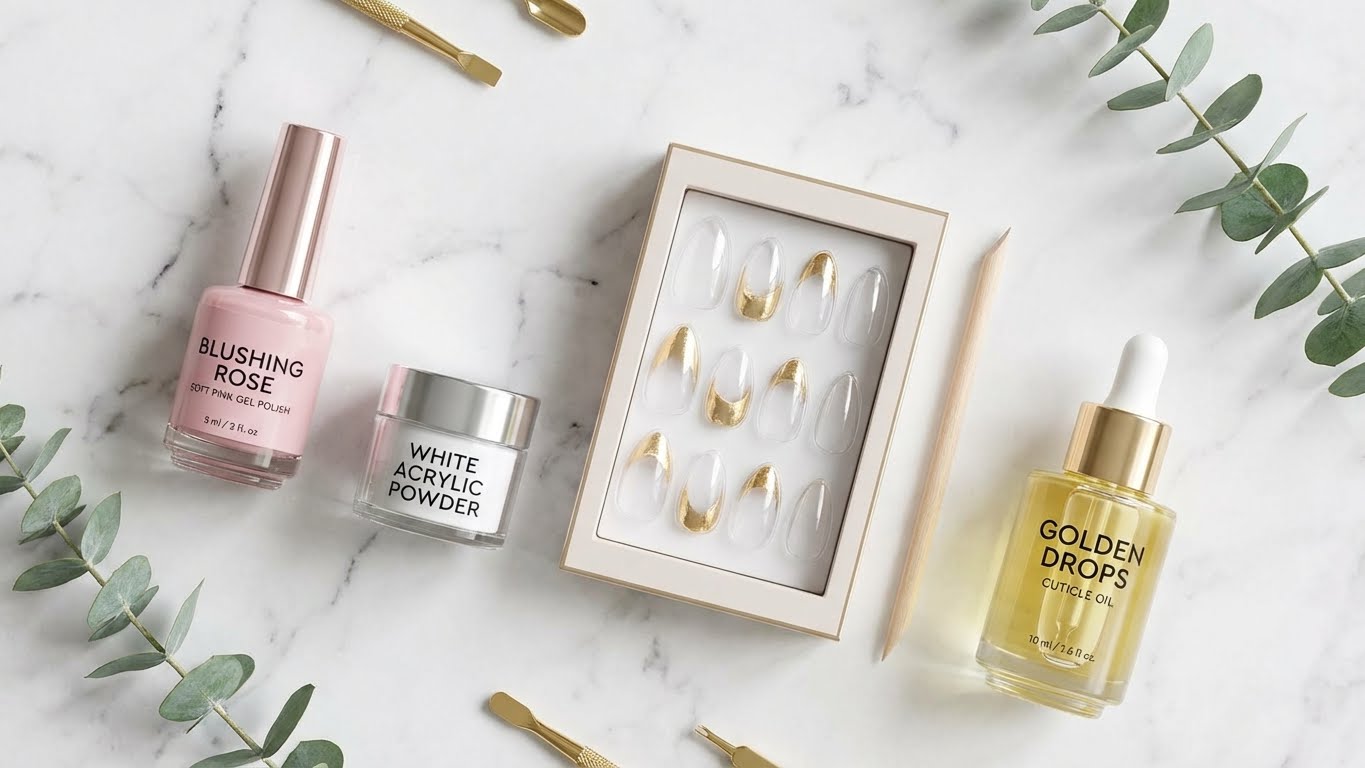
You’ll often hear fake nails called many names—artificial nails, false nails, acrylics, gels, press-ons, or nail extensions—depending on the material and how they attach to your natural nails. The simplest answer: “fake nails” is a general term, while more specific names (acrylics, gel, dip powder, press-ons, and wraps) tell you how they’re made and how long they last.
If you want a quick look or a long-lasting set, the name tells you what to expect: press-ons for easy, at-home wear; acrylics and gels for sculpted, durable looks; dip powder for color that lasts; and wraps for a thin, flexible finish. Keep scrolling to learn which type fits your budget, lifestyle, and nail health.
Key Takeaways
- Different names reflect material and application method.
- Choice depends on how long you want them to last and how much upkeep you’ll do.
- Match nail type to your budget, activity level, and nail health.
What Are Fake Nails Called?
Fake nails go by many names depending on material and application. You’ll most often hear terms like artificial nails, false nails, acrylics, gel nails, and press-ons used to describe different types and methods.
Definition of Artificial Nails
Artificial nails are extensions or coverings applied over your natural nails to change their length, shape, or appearance. They can attach directly to your nail plate or to a glued tip that extends your nail.
Materials include acrylic (a powder and liquid mix that hardens), gel (a polymer cured under UV/LED light), dip powder (colored powder sealed with resin), and pre-made press-on nails (plastic or resin tabs you glue on). Each type adds strength and length but differs in flexibility, shine, and removal method.
You choose artificial nails for cosmetic reasons, to protect damaged nails, or to get a specific look that’s hard to achieve with natural nails alone. Maintenance needs vary: acrylics often need fills every 2–3 weeks, gels last about 2–3 weeks, and press-ons can last days to a couple of weeks depending on adhesive.
Common Terminology for Fake Nails
You’ll hear several terms that refer to the same or similar things. Use this quick list to keep them straight:
- Acrylic nails: hard, sculpted with liquid and powder.
- Gel nails: soft-flex finish cured under a lamp.
- Dip nails (dip powder): color applied in layers then sealed.
- Press-on nails: pre-shaped tips you glue or stick on.
- Silk or fiberglass wraps: thin fabric glued and sealed for strength.
- Nail extensions/tips: plastic pieces glued to the nail edge and blended with product.
Salons may say “enhancements” or “manicure extensions” to cover several options. Knowing these terms helps you tell a technician exactly what you want and compare prices and care instructions more easily.
History of False Nails
False nails date back decades but became widely popular in the 20th century. Early products in the 1950s offered basic tips and overlays to fix or lengthen nails quickly.
In the 1970s and 1980s, acrylic systems improved, giving stronger sculpted nails and making salon extensions common. Gel systems grew in popularity in the late 1990s and 2000s as LED/UV curing lamps became standard, offering a shinier, more flexible finish.
Press-ons and stick-on nails rose again in the 2010s with better materials and designs, giving you quick, affordable options. Today you can pick from salon services or DIY kits depending on your budget, time, and how long you want the nails to last.
Types of Artificial Nails
You can choose from several main types of artificial nails, each with different durability, application steps, and upkeep. Pick the one that matches your budget, how long you want them to last, and how much maintenance you will do.
Acrylic Nails
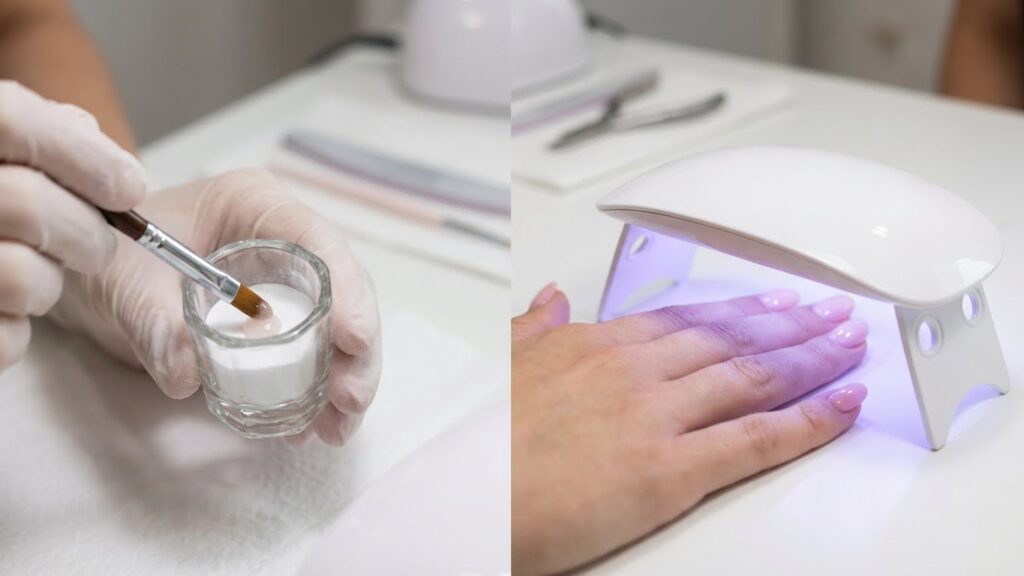
Acrylics are a mix of liquid monomer and powder polymer that technicians sculpt over your natural nail or a tip. They dry hard and give strong, long-lasting extensions that resist chipping. Expect a salon set to last 2–4 weeks before you need a fill as your natural nail grows.
Application needs a file, primer, and careful shaping. Removal requires soaking in acetone or professional filing to avoid damage. Acrylics suit people who want length and strength for daily use or nail art.
Care is simple: keep them dry after long soaking, avoid picking at edges, and get fills on a regular schedule to prevent lifting and moisture issues.
Gel Nails
Gel nails use a soft or hard gel cured under a UV or LED lamp. Hard gel creates durable extensions similar to acrylics, while soft gel is used mainly as a polish overlay that gives a glossy, natural look. Gel sets often look shinier and feel lighter than acrylics.
Curing takes minutes under a lamp, and removal usually means soaking in acetone or gentle filing by a pro. Gel can last 2–3 weeks, depending on wear and how fast your nails grow.
Choose gel if you want a natural finish with good flexibility and less odor during application. Be careful with home LED/UV exposure and follow removal steps to reduce nail thinning.
Silk Wrap Nails
Silk wrap nails are thin fabric pieces (silk, fiberglass, or linen) glued to the nail and sealed with resin or gel. They offer lightweight reinforcement for weak, split, or brittle nails without adding much bulk. You can use them to patch breaks or add short-length strength.
Application is more delicate: the fabric must lie flat and be trimmed to fit, then layered and sealed smoothly. They typically last 1–2 weeks and need professional removal or careful soaking and buffing to avoid fibers staying on the nail.
Silk wraps suit you if you want a subtle repair or light reinforcement without hard extensions. They give a natural look and are less damaging when applied and removed correctly.
Press-On Nails
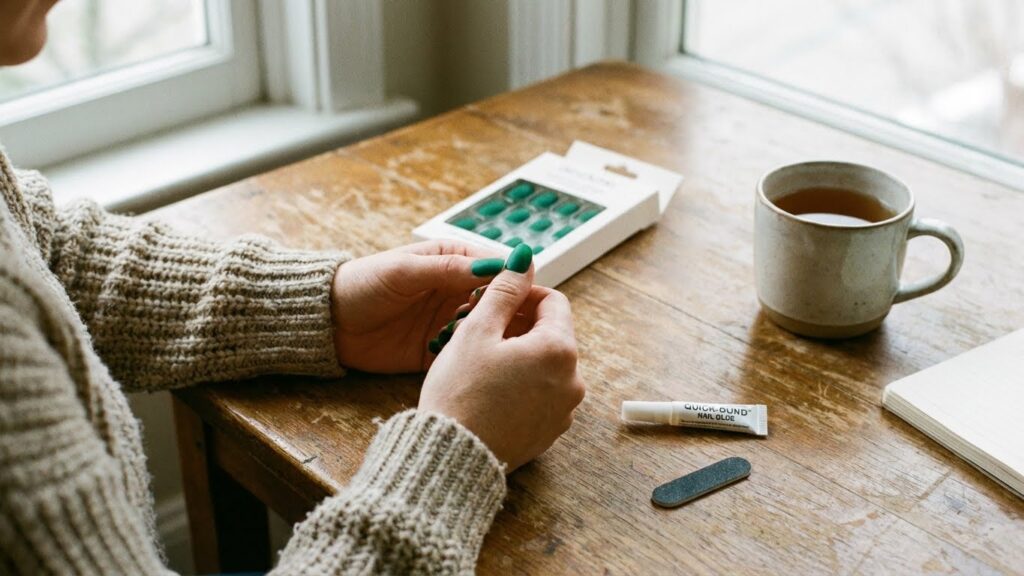
Press-ons are pre-made plastic or acrylic nails you stick on with glue or adhesive tabs. They come in many shapes, sizes, and designs and are the fastest, most affordable option. You can apply a full set at home in minutes and remove them with little skill.
Wear time varies: with glue, press-ons can last 5–14 days; with tabs, they may last a few days. They’re best for short-term looks, events, or when you want easy changeability.
To use press-ons, clean and prep your nail, choose the right size, and press firmly. For longer wear, file a tiny bit of the nail surface and use glue. Avoid sleeping with damaged edges and remove them by soaking in warm, soapy water or acetone if glue was used.
Popular Terms for Fake Nails
You’ll see several names for artificial nails based on how they’re applied and the materials used. Each term points to a specific method, lifespan, and care needs so you can pick the right option.
False Nails
False nails usually refer to ready-made nails you glue onto your natural nail. Press-on nails are the most common type here; they come pre-shaped and pre-painted. You apply adhesive tabs or nail glue and press them on for an instant manicure that can last from a few days to two weeks depending on glue quality and daily use.
False nails are best when you want a fast, temporary look for an event or a trial of length and shape. They’re easy to remove with soaking or gentle prying, which lowers the risk of drilling or filing damage to your nail plate.
Nail Extensions
Nail extensions extend the length of your natural nails and often require sculpting or tips plus a hardening product. Common methods include acrylic tips, gel overlays, and builder gels. Technicians either glue a plastic tip to add length or sculpt product over a form to build the extension.
Extensions usually last several weeks with fills every 2–4 weeks as your natural nail grows out. This option suits you if you want durable, long-lasting length and the ability to shape and file the extension like a natural nail.
Nail Enhancements
Nail enhancements describe products that strengthen, cover, or alter your natural nail without always adding obvious length. This term covers acrylics, hard gels, gel polish overlays, and dip powder systems. Enhancements can add strength, protect weak nails, or create a finished color that chips less than regular polish.
You choose enhancements when you need durability and a polished finish that holds up to daily tasks. Removal often requires soaking (acetone) or professional filing, so plan proper aftercare to keep your natural nails healthy.
Differences Between Nail Types
You’ll find fake nails vary by what they’re made of, how they go on, and how long they last. Those differences affect feel, nail health, cost, and the time you’ll spend getting them done or removing them.
Material Composition
Different fake nails use distinct base materials that change weight, flexibility, and finish. Acrylic nails use a powder (polymer) plus liquid monomer that hardens into a stiff, thick layer. They feel rigid and add strength, which helps if your natural nails break often.
Gel nails use a liquid or paste cured under a UV/LED lamp. They stay slightly more flexible and offer a glossier, natural look. Dip powder nails use resin and colored powder layered and sealed with a topcoat; they can be thinner than acrylics but still durable.
Press-on and wrap nails are usually plastic or thin fabric/resin sheets. They are lightweight and easy to remove, but they don’t reinforce weak natural nails the way acrylic or gel overlays do.
Application Methods
Application changes the final look and the time it takes. Acrylics require sculpting or tips, then shaping and filing—typical salon time is 60–90 minutes. Technicians mix the powder and liquid, apply in layers, then file to smooth.
Gel nails are painted or sculpted and cured under a lamp between layers. Expect 45–75 minutes. Gel requires less aggressive filing before application but needs UV/LED curing.
Dip powder involves base coat, dipping into powder, and sealing; it’s faster than acrylics but slower than simple press-ons. Press-on nails stick with adhesive tabs or glue and take 5–15 minutes. Wraps are applied with adhesive and heat or sealing; they are quick but need careful smoothing to avoid lifting.
Durability and Longevity
How long nails last depends on material and care. Acrylics usually last 2–3 weeks before fills; they resist impact but can crack if hit hard. You’ll likely need salon fills as your natural nails grow out.
Gel nails last about 2–3 weeks too, often with slightly better shine and less yellowing. They chip less than regular polish but can lift if moisture gets under the edge.
Dip powder can last 2–4 weeks with proper prep and topcoat; it’s strong and resists chips. Press-ons last from a few days up to 2 weeks depending on glue quality and activity level. Wraps are short-term—typically up to 1–2 weeks—and prone to edge lifting if not sealed well.
Choosing the Right Artificial Nail
Pick nails that match how you live, how much time you want to spend on them, and what you can pay for. Think about shape, length, finish, and how often you’ll visit a salon or replace press-ons.
Personal Style Preferences
Decide the look you want first. If you like long, dramatic nails for photos or events, acrylics or sculpted gels give strong, long-lasting length. If you prefer quick changes or trending designs, press-on nails let you swap styles at home in minutes.
Match nail shape to your fingers. Short, rounded shapes suit active hands and reduce breakage. Square or stiletto shapes look bold but need more care. Choose finish—glossy gel, shiny acrylic, or matte press-ons—based on the vibe you want.
If you wear gloves or use your hands a lot, choose shorter, thicker options. Pick neutral colors for work, bright or patterned sets for weekends. Consider custom-fit press-ons for better comfort and fewer gaps.
Maintenance and Upkeep
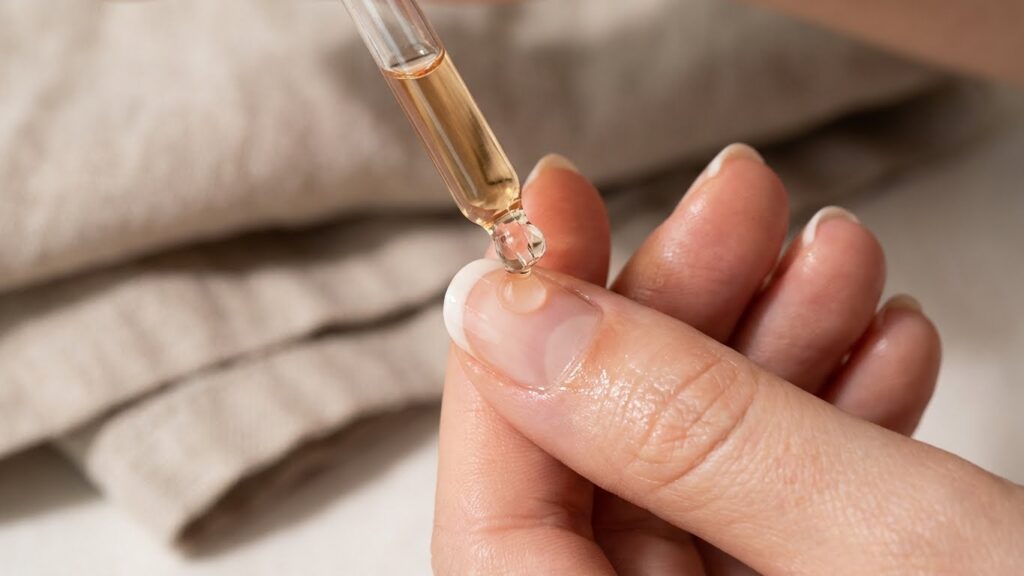
Know the care each type needs. Acrylics and sculpted gels need fills every 2–3 weeks to avoid lifting and to keep nails healthy-looking. Removal usually requires soaking or professional service to prevent damage.
Press-on nails require little maintenance: gentle washing, avoiding oil-based lotions on the adhesive, and replacing glue or tabs if they loosen. Gel polish applied over natural nails lasts 2–3 weeks but needs UV curing and careful removal.
Keep tools handy: a nail file, cuticle oil, and acetone for safe removal. If you get enhancements regularly, schedule routine nail health checks and give nails breaks between sets to let natural nails recover.
Cost Considerations
Set a budget for both upfront cost and ongoing expenses. Press-ons cost $5–$30 per set and are cheap to replace. Salon acrylics or gel extensions range from $30–$100 for a full set, plus $20–$60 per fill visit.
Factor in removal fees, repairs, and supplies like glue or sealant. Higher-priced salon options often use better materials and last longer, which can lower long-term cost per wear. DIY kits save money but may lead to more frequent replacements if applied poorly.
Weigh how often you change styles. If you switch weekly, press-ons will be cheaper. If you keep the same look for weeks, investing in salon acrylics or hard gel can be more cost-effective.
Trends and Innovations in Fake Nails
New materials and art techniques are changing how fake nails look and how long they last. You can now choose options that reduce chemical exposure, cut waste, and let you create very detailed designs at home or in a salon.
Eco-Friendly Nail Options
You can pick fake nails made from compostable or recyclable materials, such as cellulose-based tips or biodegradable press-ons. These reduce plastic waste compared with traditional acrylic tips and single-use salon items.
Low-odor, low-VOC gel and acrylic formulas limit strong chemicals that cause headaches or irritation. Many brands now list ingredient disclosures so you can avoid toluene, formaldehyde, and DBP.
Reuse is another important trend. Press-on kits with durable adhesive tabs or reusable full-set tips let you reapply the same set several times. That cuts cost and landfill waste.
If you want greener removal, look for soak-off gels and water-soluble adhesives. They let you take nails off without heavy acetone or aggressive filing that damages the nail bed.
Customization and Nail Art
You can get salon-level detail with hand-painted micro art, 3D embellishments, and full-wrap prints. Nail printers and UV gel pens let artists replicate photos or intricate patterns with high precision.
Press-ons and builder gels are now offered in pre-shaped sizes and lengths to match natural nails. That reduces fitting time and gives a snug, natural look without heavy filing.
You can mix techniques—gel overlays with chrome powders, encapsulated dried flowers, or tiny rhinestones set in clear builder gel—for long-lasting texture and shine. Layering also helps protect delicate decorations.
For DIY, look for transfer foils, nail stickers, and magnetic polishes that give complex effects at home. Many kits include step-by-step guides and replacement parts so you can refresh designs without starting from scratch.
FAQs
What do salons call fake nails?
Salons use several names: artificial nails, nail enhancements, acrylics, gel nails, press-ons, and dip powder. Each name points to a different material or method you might choose.
How long do different types last?
Press-ons last a few days to two weeks depending on glue and wear. Acrylics and hard gels can last 2–4 weeks with fills. Dip powder typically lasts 2–3 weeks. Your habits and maintenance change wear time.
Are fake nails safe for your natural nails?
They can be safe if applied and removed properly. Poor application, over-filing, or harsh removal can damage your nails. Ask a technician to use gentle methods.
Can you do nail art on fake nails?
Yes. Acrylics, gels, and press-ons all take polish and art well. Gel and acrylic provide a sturdy surface for detailed designs.
How do you remove them?
Press-ons peel or soak off with warm soapy water. Acrylics and dip usually require soaking in acetone or professional removal. Never force them off; that can harm your nails.
How do you choose the right type for you?
Consider cost, time, durability, and maintenance. If you want quick and cheap, try press-ons. If you want long wear and sculpted shapes, pick acrylics or hard gel.
FAQs
What do salons call fake nails? You’ll hear terms like acrylics, gel nails, press-ons, and nail enhancements. Each name points to a different material or method used to create the look you want.
How long do they last? It depends on the type. Acrylics and hard gels can last 2–4 weeks with fills. Press-ons and soft gel overlays usually last a few days to two weeks depending on wear and care.
Are fake nails safe for your natural nails? They can be safe if applied and removed correctly. Follow a trained technician’s advice and consider reading guidance from the American Academy of Dermatology for nail health.https://www.aad.org
How do you remove them? Professional removal is safest. Acrylics and gels often need soaking or filing, while press-ons come off with adhesive remover or warm soapy water.
Will fake nails damage your nails? Improper application or rough removal can thin or weaken your natural nails. You can reduce risk by taking breaks, using cuticle oil, and avoiding peeling or picking.
How much do fake nails cost? Prices vary by type and salon. Press-ons are cheapest; salon acrylics and sculpted gel services cost more. Check salon menus or reputable beauty sites for current price ranges and care tips.https://www.fda.gov
Do you need maintenance? Yes. Most long-wear types need fills every 2–3 weeks. Keep nails clean, moisturized, and book regular touch-ups to maintain appearance and health.
Conclusion
You now know that “fake nails” is a general term covering many options: acrylics, gels, press-ons, dip powder, and nail tips. Each type has different looks, costs, and care needs.
Choose based on how long you want them to last, how much upkeep you want, and whether you need strength or simple convenience. A salon tech can match a method to your daily routine and nail health.
Keep in mind risks like damage or allergies. Removal matters. Follow proper removal steps or see a pro to protect your natural nails.
If you want a quick guide, use this simple checklist:
- Durability: acrylics and hard gels
- Ease: press-ons and soft gels
- Low-damage options: shorter applications, gentle removal
- Professional help: complex designs or long-term wear
You can try different types to find what fits your style and schedule. Pay attention to how your nails feel and adjust care or frequency to keep them healthy.