
What Oily Nail Beds Are, Why They Happen, and How to Manage Them

If your fingernails or toenails look slick, shiny, or greasy even after washing, you may be dealing with what people commonly call oily nail beds. That phrase is descriptive, not a formal medical diagnosis. It is a non-medical way to talk about a nail area that seems to hold onto oil, residue, or surface shine more than expected.
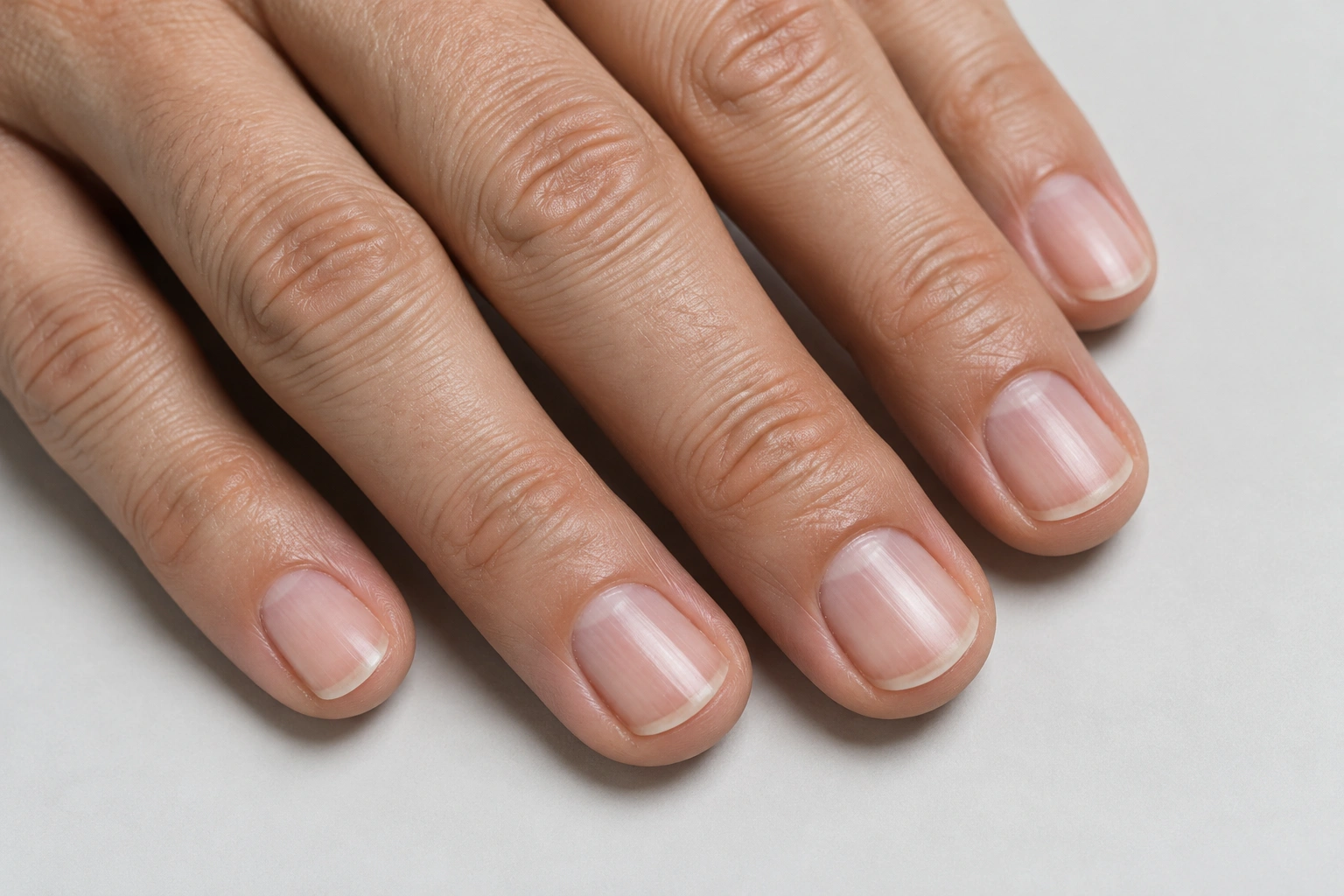
For nail-care users, this matters for two reasons. First, it can be confusing: a glossy nail area does not always mean a problem. Second, oiliness can affect how polish, gel, or acrylic services wear if residue is sitting on the nail plate before application.
The main thing to watch is whether oiliness is the only change. If it comes with pain, lifting, discoloration, thickening, or swelling, that shifts the conversation from cosmetic prep to medical evaluation.
What Oily Nail Beds Are
In plain language, oily nail beds are nail areas that look or feel slick, shiny, or greasy. People often use the term when the skin around the nail, the cuticle area, or the nail plate itself seems to have a film on it.
That visual effect may come from actual oil on the surface, but it can also come from lotion, hand cream, sunscreen, cuticle oil, cleanser residue, or sweat. In other words, “oily nail beds” often describes what you see, not a specific disease process.
A useful way to think about it: the nail bed is the skin underneath the nail plate, while the nail plate is the hard visible nail. What looks oily may be the plate, the surrounding skin, or both. The shine can be especially noticeable under bright bathroom lighting or right after moisturizing.
What Oily Nail Beds Look and Feel Like
The most common signs are visual and tactile:
- a glossy or slick surface around the nail
- a greasy feel when you touch the nail area
- polish that seems to slide or lift more easily than expected
- a sheen that remains even after handwashing
This is different from the natural shine some nails have when they are healthy and smooth. Healthy nails can reflect light without actually feeling oily. The difference is usually in texture: a normal shine looks clean, while an oily surface can feel slippery or coated.
A practical example: if you wash your hands, dry them well, and the nail area still feels slick within minutes, leftover product or natural oil is often the first thing to consider. If the look disappears after a more thorough cleanse and drying step, that points more toward residue than a nail disorder.
Common Causes of Greasy-Looking Nail Beds
Several everyday factors can make nail beds or the surrounding nail area look oily.
Natural skin oil and sweat
Skin around the nails produces sebum, and sweat can mix with it. That combination is more noticeable in humid weather, after exercise, or if you naturally have oilier skin. Toenails may also seem greasy when feet are warm and enclosed in shoes for long periods.
Lotion, cuticle oil, and sunscreen residue
This is one of the most common reasons. Hand cream, cuticle oil, sunscreen, and body lotion can leave a film on the nail plate if they are applied close to manicure time. Even a small amount can interfere with the clean, dry surface that polish needs.
Cleansers and household product buildup
Soap residue, dish soap, hand sanitizer, and cleaning products can leave a thin layer on the nail area. Some products dry out the skin but still leave a surface film, which can make nails look oddly slick rather than clean.
Humidity and frequent hand washing
Frequent washing changes how the skin and nail area look. In humid conditions, moisture can sit on the surface longer, making the nail region appear greasy. In very dry conditions, people often apply more lotion, which can also create residue.
Nail-care habits
Regular use of nail oil is not a bad thing. In fact, it can support the skin around the nails. The timing matters. If oil is applied right before polish or gel, the surface may look healthy but not be ready for adhesion.
For a quick authoritative reminder on why nail prep matters, the FDA’s general guidance on cosmetic use emphasizes following product directions and avoiding contamination or misuse of personal care products. See the FDA’s cosmetics overview.
When Oiliness Is Normal vs. When It May Signal a Problem
Not every greasy-looking nail is a warning sign. The easiest way to separate cosmetic oiliness from a possible issue is to look for what comes with it.
Usually normal or cosmetic
Oiliness is more likely to be harmless if:
- the nails are otherwise smooth
- there is no pain or tenderness
- the color is normal
- the shine changes after washing, wiping, or drying
- the issue appears after lotion, cuticle oil, or sunscreen use
This kind of oiliness is often a surface issue. It can be managed with better prep, timing, and cleanup.
Worth checking medically
A nail area that looks oily may deserve evaluation if it comes with:
- pain or soreness
- redness, warmth, or swelling
- nail lifting from the nail bed
- thickening
- yellow, green, or brown discoloration
- a bad smell
- spreading changes across multiple nails
Those signs suggest something more than surface residue. Infection, inflammation, trauma, or another nail disorder may be involved.
How Oily-Looking Nail Beds Differ From Other Nail Conditions
It helps to compare oiliness with a few common nail concerns.
| What it looks like | More likely cause | What usually helps | When to worry |
|---|---|---|---|
| Shiny or slick, but otherwise normal | Surface oil, lotion, cuticle oil, sweat | Cleanse, dry, and wait before manicure | If it keeps returning with no product cause |
| Dry, dull, rough-looking nails | Low moisture, over-washing, harsh removers | Gentle hydration and less stripping | If nails split, crack, or become painful |
| Yellow, thick, or crumbly nails | Possible fungal issue or other nail disorder | Medical evaluation | Especially if lifting or odor is present |
| Nail plate lifting away from the skin | Onycholysis or trauma | Professional assessment | If it spreads or changes color |
| Spotty discoloration with no slick feel | Staining, trauma, or other nail change | Depends on cause | If persistent or worsening |
One common mistake is confusing surface shine with nail plate damage. A nail can look glossy because of residue and still be structurally fine. By contrast, true nail plate problems usually change texture, thickness, attachment, or color.
Do Oily Nail Beds Affect Polish, Gel, or Acrylic Adhesion?
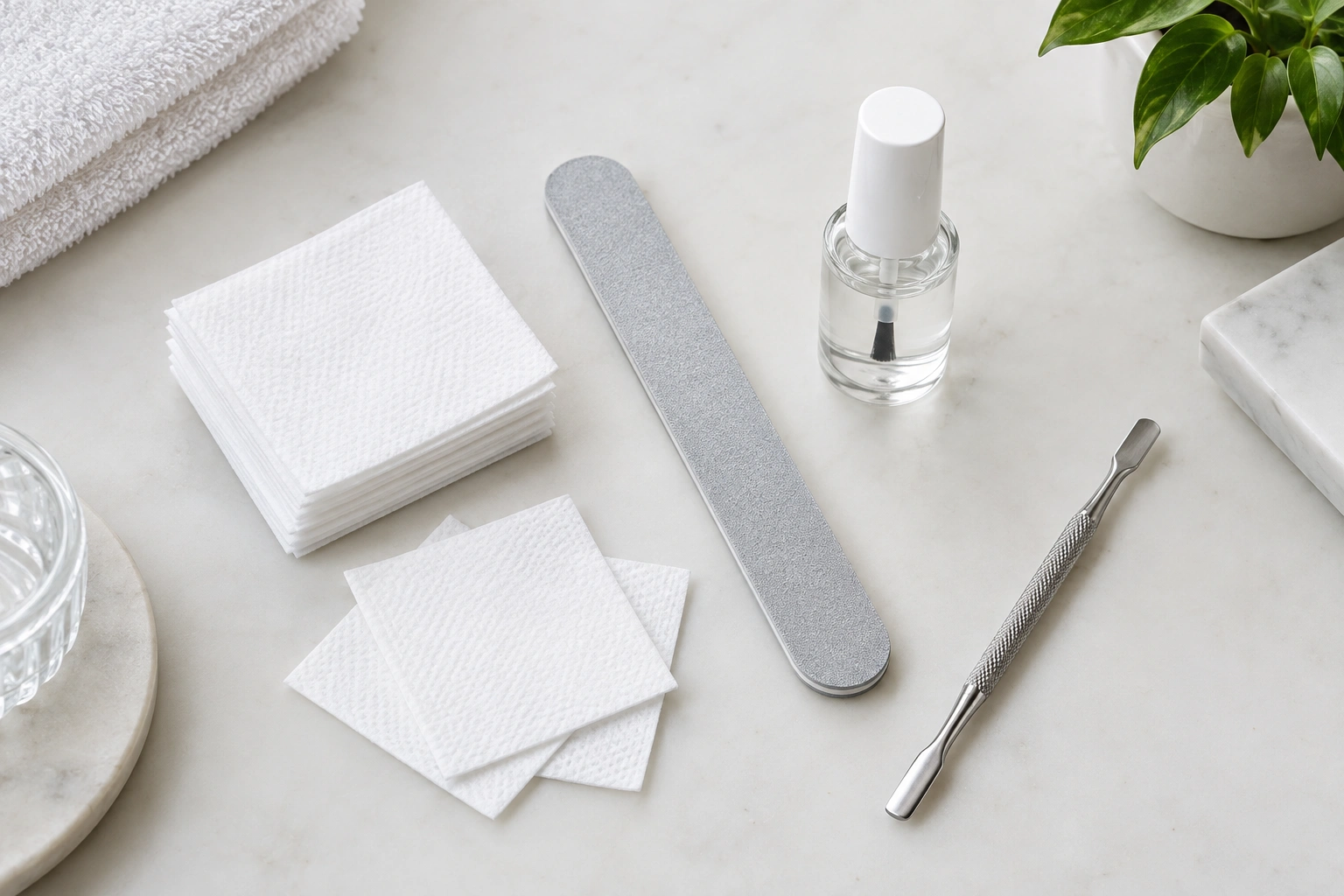
Yes, they can. Surface oil and residue may act like a barrier between the nail plate and the product. That matters for regular polish, gel polish, and acrylic enhancements because all of them need a clean surface to bond well.
A practical result is early lifting, chipping, or peeling. Some people notice polish coming off much sooner than expected when the nail plate was not fully cleaned beforehand. With gel or acrylic, poor prep may lead to weak adhesion at the edges or premature lifting.
This is why nail techs pay close attention to cleansing and dehydration steps before enhancements. The goal is not to strip the nail aggressively. It is to remove anything sitting on top of the nail that could block adhesion.
One industry source notes that excess oil on the nail plate can interfere with acrylic and gel bonding, which is consistent with common nail-prep advice. See this overview on oily nail beds and enhancements.
How to Reduce Oiliness Before Painting Your Nails
If your main concern is getting polish to stay on, focus on prep rather than overcorrecting the nail itself.
Clean the nail surface thoroughly
Wash hands first, then cleanse the nail area to remove residue without leaving a heavy film. A lint-free wipe lightly dampened with isopropyl alcohol can help remove leftover lotion, oils, and cleanser residue from the nail plate and surrounding skin. Pay attention to the sidewalls, cuticle area, and the free edge of the nail.
Dry completely
Water trapped around the nail can make the area look shiny and can also interfere with polish wear. Drying should include the skin around the nails, not just the tops of the fingers or toes.
Time lotions and oils carefully
Use hand cream and cuticle oil after your manicure, not immediately before it. If you need moisturizer earlier in the day, give the nails enough time to settle and then wipe the nail plate again before polish.
Avoid touching the nail plate after prep
Finger oils transfer quickly. Even a quick check of whether the nail is dry can leave residue behind. Once the nail is prepped, try not to handle it unnecessarily.
Use a prep routine that matches the service
For regular polish, a clean, dry surface may be enough. For gel or acrylic, the prep process is usually more exacting. Some nail systems call for a dehydrator or specific prep products, and those directions matter for the system you are using.
A conservative rule: if polish often lifts from your nails within a day or two, your prep routine likely needs more attention than your polish formula does.
When to See a Nail Technician or Dermatologist
A nail technician can help if the issue seems cosmetic and the main problem is product wear. They can look at prep steps, timing, and service choices to see whether the nail surface is being cleaned well enough before application.
A dermatologist or healthcare professional is the better choice if the nail changes are persistent or come with other symptoms. Make an appointment if you notice:
- ongoing discoloration
- thickening
- pain
- swelling
- warmth
- nail lifting
- odor
- changes that spread to multiple nails
- a change that does not improve after you stop using residue-heavy products
If the nail looks greasy but also becomes yellow, thick, or detached, do not assume it is just an oil issue. That pattern deserves a real exam.
The American Academy of Dermatology has a helpful overview of common nail concerns and when they may need medical attention: AAD nail care guidance.
FAQ: Oily Nail Beds
Are oily nail beds normal?
They can be. In many cases, the issue is surface oil, sweat, or product residue rather than a nail disease.
Can cuticle oil make nails look oily?
Yes. If it is applied too close to polish time, it can leave a slick film on the nail plate and reduce adhesion.
Do oily nail beds mean fungus?
Not by themselves. Oiliness alone is not enough to diagnose a fungal infection. Look for thickening, color change, lifting, or odor as additional clues.
Why does polish not stick to my nails?
A common reason is residue on the nail plate from lotion, oil, sunscreen, or cleanser. Poor drying and prep can also play a role.
Should I buff oily nails more?
Usually, no. Light surface prep may be enough, and aggressive buffing can irritate or thin the nail plate. If the issue is residue rather than texture, a clean wipe with alcohol or a compatible nail dehydrator is usually more appropriate than extra buffing.
Can toenails be oily too?
Yes. Toenails can look greasy from sweat, footwear, lotion, or sunscreen residue, especially in warm weather or after long hours in shoes.
Bottom Line
What people call oily nail beds are often a surface issue, not a diagnosis. The nail area may look slick because of natural oil, sweat, lotion, cuticle oil, or cleanser residue. That can be frustrating before a manicure, but it is usually manageable with better cleansing, drying, and timing.
The main thing to watch is whether oiliness is the only change. If it comes with pain, thickening, lifting, discoloration, or swelling, that shifts the conversation from cosmetic prep to medical evaluation.
