
What Are the Benefits of Nail Oil? A Practical Guide to Healthier Nails and Cuticles

If your nails feel dry, peel at the edges, or split the moment they get a little length, nail oil is worth understanding. It is one of the simplest products in nail care, but it does a very specific job: it helps moisturize the nail plate and the skin around it so nails are less prone to looking rough, feeling stiff, and becoming more fragile from everyday wear.
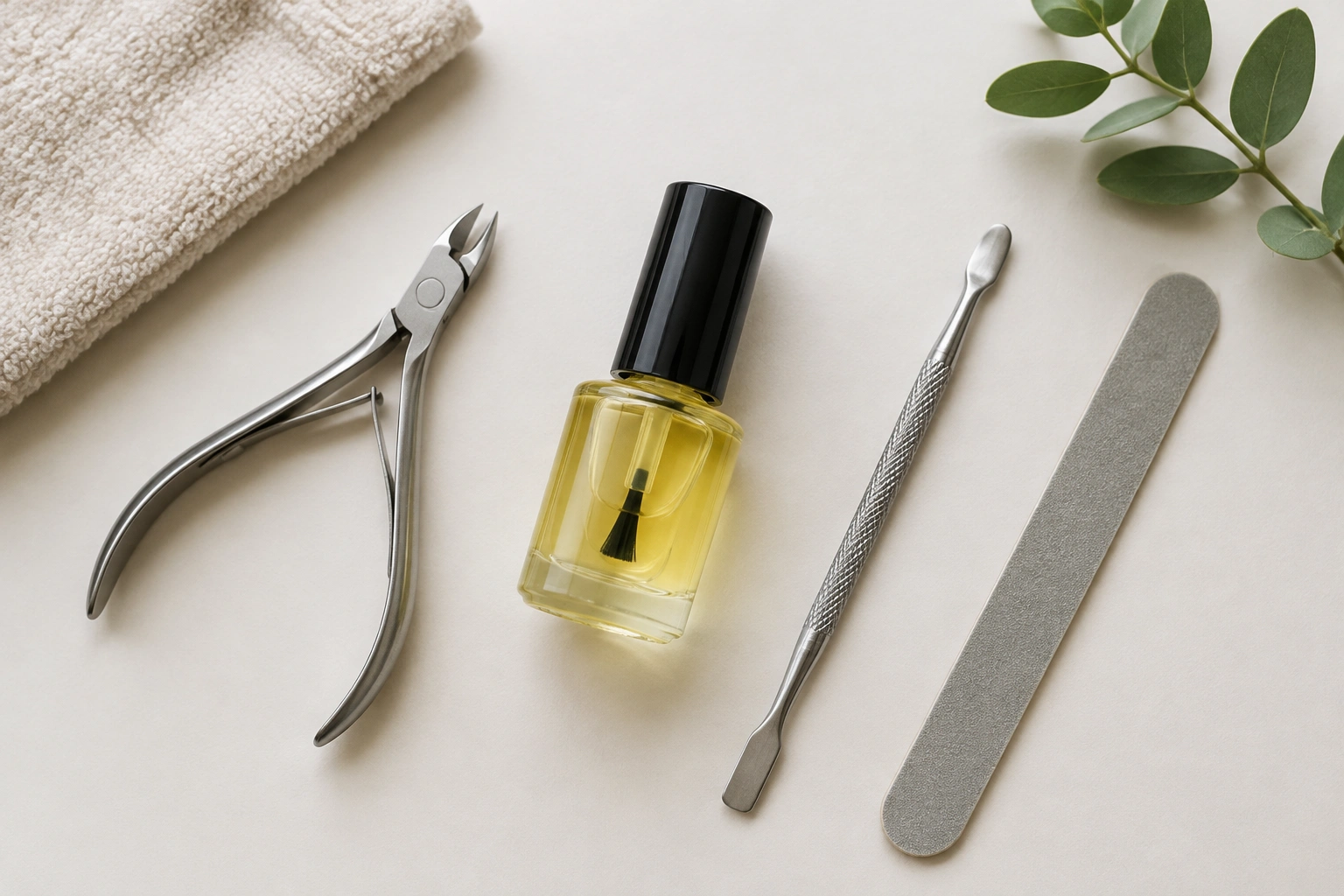
That matters because nails are made of keratin, and keratin behaves better when it is not overly dry. When nails and cuticles lose moisture, they can look dull, feel rough, and become more likely to snag or peel. Nail oil does not act like a repair serum or a hardener. Its real value is more practical: it supports a better environment for nails to stay flexible, comfortable, and easier to maintain.
For people who wear gel polish, acrylics, or frequent regular polish, that moisture support can be especially useful. Removal, filing, and repeated exposure to acetone or soap can leave nails and cuticles feeling stripped.
What Nail Oil Actually Does for Nails and Cuticles
Nail oil is designed to condition the nail area, not just the skin on top of it. A well-formulated oil can spread over the cuticle, the nail plate, and the skin around the nail to help reduce dryness and improve the way the area feels and looks.
That is why cuticle oil is often described as a moisturizing product that can improve the health and longevity of nails and cuticles. It is also why it is so commonly recommended after manicures or during dry weather. According to Healthline’s overview of cuticle oil, cuticle oil can help moisturize extremely dry nails and cuticles that have been exposed to cold, sun, chlorine, or salty or soapy water.
In practical terms, the product is doing three main things:
- adding moisture support to dry areas
- helping the nail surface feel less rigid
- softening the cuticle area so it looks neater and is easier to manage
Why this matters more than it sounds
A dry nail is often a brittle nail. When the nail plate lacks flexibility, it is more likely to crack, peel, or split under everyday stress like typing, washing dishes, or opening packaging. Oil does not make nails indestructible, but it can help them bend a little more instead of snapping so easily.
That is the difference many people notice first: not dramatic transformation, but less roughness and fewer tiny edge problems.
Key Benefits: Hydration, Flexibility, and Less Breakage
The most useful benefit of nail oil is hydration. Once nails and cuticles are better moisturized, they tend to feel smoother and look healthier. That moisture support can also make nails more flexible, which matters because flexibility is often what helps a nail resist breaking.
If you have ever had nails that seem to peel in layers or split at the corners, dryness is often part of the problem. Nail oil helps address that from the outside by reducing the dry, tight feeling that can contribute to a rough nail surface.
A few concrete examples:
- A person with peeling nails may notice the free edge looks less ragged after regular oiling.
- Someone whose nails crack after frequent handwashing may find the nails feel less stiff.
- A reader who keeps polish on all the time may see less dryness around the edges between manicures.
This is also where expectations matter. Nail oil can support the conditions that help nails stay in better shape, but it does not guarantee breakage will stop completely. If nails are being filed aggressively, soaked in acetone often, or exposed to lots of water without protection, oil is only part of the solution.
How Nail Oil Helps Cuticles Look and Feel Healthier
Cuticles are easy to ignore until they start looking rough, dry, or overgrown. Nail oil is especially useful here because cuticles respond quickly to moisture.
When the skin around the nail is dry, it can become:
- flaky
- tight
- cracked
- uneven in texture
- harder to groom neatly
Oil softens that area, which makes the whole nail look more polished even when you are not wearing color. That is one reason nail oil is popular with people who like a clean, natural manicure look. The cuticle area looks smoother, and the nail bed tends to appear more cared for.
It also makes basic grooming easier. If you gently push back cuticles after a shower or after applying oil, the skin usually moves more comfortably than if you try to work on it when it is dry. That does not mean you should cut aggressively or overdo it. It simply means the area is easier to manage when it is conditioned.
Does Nail Oil Help Nails Grow Faster or Stronger?
This is where a lot of marketing gets ahead of the evidence.
Nail oil may support healthier-looking growth conditions by keeping the nail and cuticle area hydrated, but that is not the same thing as proving that nail oil reliably makes nails grow much faster. Growth rate is influenced by many factors, and oil is not a growth treatment.
A more accurate way to think about it is this:
- nail oil may help nails grow out in better condition
- it may reduce the dryness that makes growth look uneven or fragile
- it may help nails feel less prone to splitting as they lengthen
So if your goal is “I want my nails to stop breaking before they get anywhere,” oil can be useful. If your goal is “I want visibly longer nails in a week,” that is not realistic.
The same goes for strength. Nail oil can make nails feel more flexible and less dry, but it is not the same as a nail hardener. Hardener products are usually chosen when someone wants a firmer feel. Oil is better when the problem is dehydration, peeling, or rough cuticles.
Best Ingredients to Look For in a Nail Oil
Ingredient quality matters because the best nail oils usually do more than sit on the surface. They should spread well, absorb reasonably, and support moisture without feeling overly greasy.
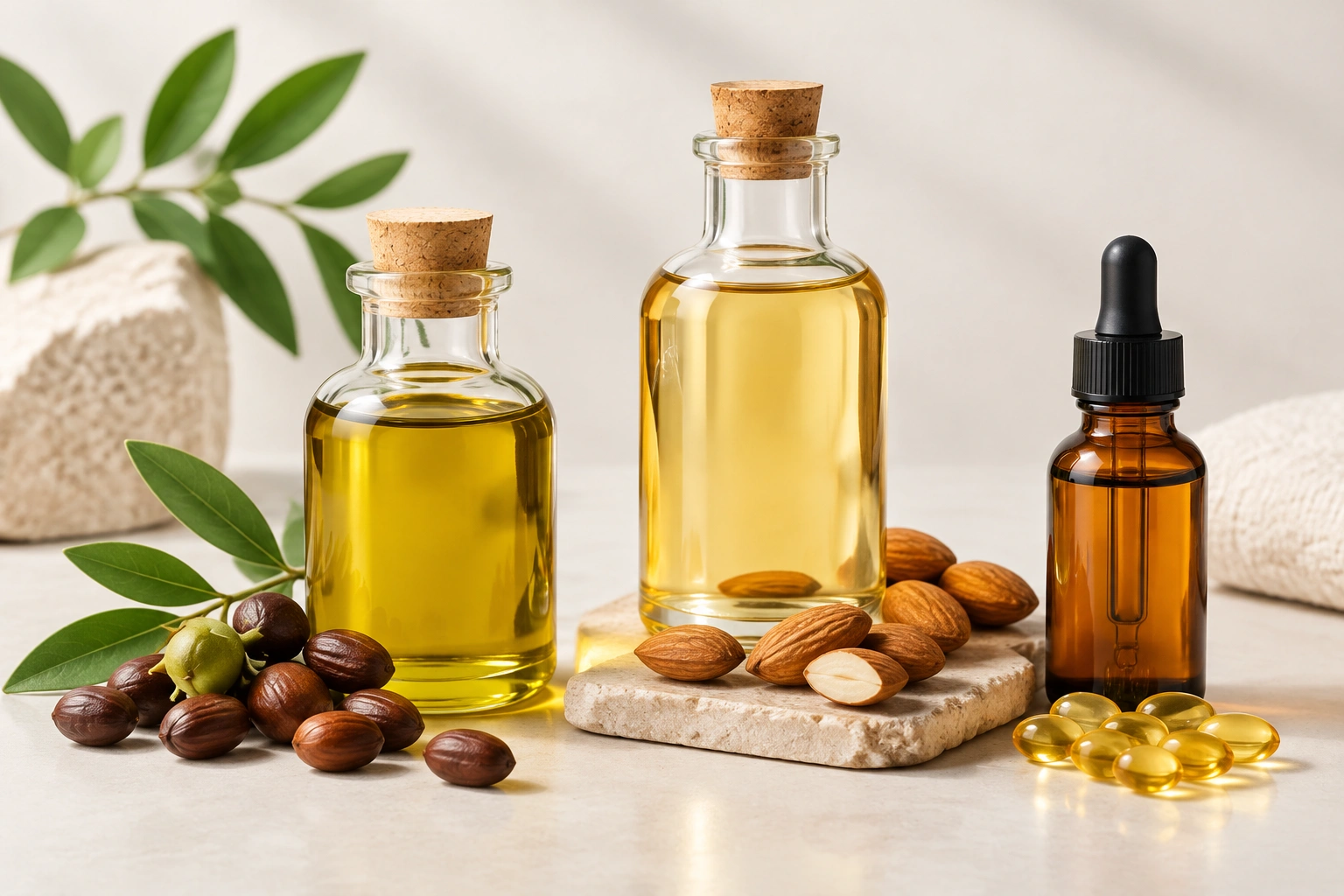
Jojoba oil
Jojoba oil is one of the most recommended ingredients because it is often considered a good match for the skin’s natural oils. In nail care, that matters because it tends to absorb well and feels lightweight enough for regular use. It is also a strong choice for nails because it can help soften the nail plate and cuticle area without leaving a heavy residue, which makes it easier to apply consistently.
Vitamin E
Vitamin E is commonly included in nail oils for conditioning support. It is often paired with plant oils because it contributes to a richer, more nourishing feel. If your nails and cuticles are very dry, vitamin E can be a helpful supporting ingredient in a blend.
Almond oil
Almond oil is a familiar emollient ingredient that helps soften and smooth. It is often used in formulas meant to make the nail area feel more supple and comfortable, especially when the skin around the nail is rough.
Coconut oil
Coconut oil is another common choice for softening and smoothing. It tends to feel richer than jojoba, which some people like for nighttime use or for very dry cuticles. The trade-off is that it may feel heavier during the day.
Natural oils vs formulated nail oils
Pure oils can be simple and effective, especially if you already know your skin tolerates them well. Formulated nail oils, though, often have a better balance of texture, slip, and convenience. If you want something that absorbs quickly and is easy to use often, a branded blend may be more practical than a single oil from the kitchen shelf.
Fragrance and essential oils can also irritate sensitive skin, so patch testing is wise if you react easily or have a history of allergies.
Nail Oil vs Hand Cream, Cuticle Cream, and Nail Hardener
These products overlap, but they are not interchangeable.
| Product | Best for | Main trade-off |
|---|---|---|
| Nail oil | Nail plate hydration, cuticle softness, flexibility | Can feel oily if overapplied |
| Hand cream | Broad skin hydration for hands | Usually less targeted to the nail plate |
| Cuticle cream | Rich moisture for very dry cuticles | Often thicker and slower to absorb |
| Nail hardener | Fragile nails that need a firmer feel | Can worsen dryness or brittleness if overused |
The simplest way to choose is by problem, not by category.
- If your hands are dry overall, hand cream should be part of the routine.
- If the skin around your nails is rough and flaky, cuticle cream can help.
- If your nails bend, peel, and feel thirsty, nail oil is often the most targeted option.
- If your nails are fragile and need more rigidity, a hardener may be more relevant than oil, but it is best used carefully because too much can make nails drier and more brittle.
For many people, the best answer is not one product alone. Hand cream and nail oil can work well together because they cover different needs.
How to Use Nail Oil for the Best Results
Nail oil works best when it is used consistently, not just after a manicure or when nails already look damaged.
Apply it to:
- the cuticle area
- the nail plate
- the free edge, especially if the nails split there
- the skin right around the nail
A small amount is usually enough. Massage it in for a few seconds so it can spread across the area instead of sitting in one spot.
A practical routine looks like this:
- after handwashing
- before bed
- after removing polish
- after a manicure or filing session
If you are using hand cream too, apply the oil first to the nail area, then follow with cream over the hands. That gives the oil a chance to target the nail and cuticle while the cream covers the broader skin.
One common mistake is using oil only on the cuticle and ignoring the nail plate. If the nail itself is dry, that surface needs attention too.
Using Nail Oil with Gel Polish, Acrylics, and Frequent Remover Use
Nail oil is especially helpful for people who wear enhancements or change polish often because those routines can leave nails dry.
With gel polish
Oil can be applied around gel polish to keep the cuticle area from looking parched. It is a useful maintenance step between appointments, especially if your nails feel tight after removal.
With acrylics
Acrylics can make nail care feel more complicated because the enhancement covers the natural nail, but the skin around the nail still benefits from moisture. Oil helps keep the surrounding area from becoming stiff and rough.
With frequent remover use
Acetone and repeated polish removal are drying. If you remove polish often, oil can help offset that dryness so the nail area does not stay stripped for long periods.
Just be mindful of timing. If you are about to polish, glue, or do another service that needs a clean, dry surface, oily residue can interfere. In that case, use oil after the service rather than right before.
How Long It Takes to See Results
Most people notice the cosmetic changes first: softer cuticles, less roughness, and a healthier shine. That can happen fairly quickly if the nails were very dry to begin with.
More structural-looking improvements, such as less peeling or fewer splits, usually take longer because nails grow slowly. You are not looking for overnight repair. You are looking for gradual improvement as the nail grows out with better moisture support.
A realistic way to judge progress is to compare how your nails feel after a couple of weeks of consistent use, not after one application. If the cuticle area still feels dry all the time, the formula may be too light, or you may need more regular application.
When Nail Oil Is Most Worth Using
Nail oil is most worth adding when your main concern is dryness.
That includes:
- brittle nails that split easily
- peeling layers at the free edge
- rough or cracked cuticles
- a dull, dehydrated look after polish removal
- nails that feel better with a little flexibility rather than firmness
If your nails are already healthy and you only want a bit of shine, oil is still useful, but it becomes more of a maintenance product than a problem-solver. If your nails are severely damaged, inflamed, or painful, that is a different situation and deserves professional assessment.
When to See a Nail Technician or Dermatologist
See a nail technician or dermatologist if your nails are persistently painful, badly discolored, lifting from the nail bed, or showing signs of infection or another medical issue. Nail oil is for moisture support and cosmetic care, not diagnosis or treatment.
It is also wise to patch test if you have sensitive skin or known allergies to botanical oils or fragrance. Even a well-made nail oil can irritate skin that does not tolerate certain ingredients.
The Bottom Line
The benefits of nail oil are practical rather than dramatic. It helps hydrate dry nails and cuticles, softens rough skin, supports flexibility, and can make nails look healthier and more cared for. For people dealing with peeling, brittle, or dehydrated nails, that is often enough to make it worth using.
If you want the shortest decision rule possible: choose nail oil when dryness is the main issue, choose a hardener when firmness is the main issue, and use hand cream or cuticle cream alongside oil when the surrounding skin needs more moisture too.
For dry nails, the most useful routine is usually to apply nail oil daily, or twice a day if your nails and cuticles are especially parched.
For readers who want to compare formulas and see how different oils perform in real routines, NailPrime’s Brother Cosmetics Viral Nail Oil review and Ellie Chase Cuticle Oil review are useful starting points.

