

You might think fake nails are a modern trend, but people have used nail enhancements for centuries. The first simple forms of fake nails appeared in ancient cultures, and modern acrylic-style nails were developed in the mid-20th century, with dentists and technicians adapting dental acrylics into durable nail extensions. That mix of ancient practice and 1950s innovation set the stage for the wide variety of options you see today.
Expect a quick tour from early ornamental nail plates to the breakthrough of acrylic formulations and the rise of press-ons, gels, and modern salon techniques. You’ll see how social meaning, tools, and materials changed over time and left you with many safe, affordable choices for nail art and extensions.
Key Takeaways
- Fake nails date back to ancient times and gained modern form in the mid-1900s.
- Material and technique advances turned nail enhancements into a mainstream beauty option.
- Today’s options include durable acrylics, gels, and convenient press-ons for many styles.
The Invention of Fake Nails
You will learn when fake nails first appeared, who developed modern acrylic tips, and what materials were used early on. The details trace ancient decorative nails through 20th-century breakthroughs with dental acrylic.
Origin and First Appearance
Fake nails date back thousands of years. In ancient Egypt, wealthy people wore nail extensions made from bone, ivory, or metal to show status. In China, during the Ming Dynasty, long artificial nails marked social rank and were grown or attached with small guards.
Modern cosmetic use grew in the 19th and early 20th centuries. Early beauty shops offered glue-on tips for nail biters and stage performers. These early forms aimed to add length and appearance rather than the strength or realism you get today.
Key Inventors and Contributors
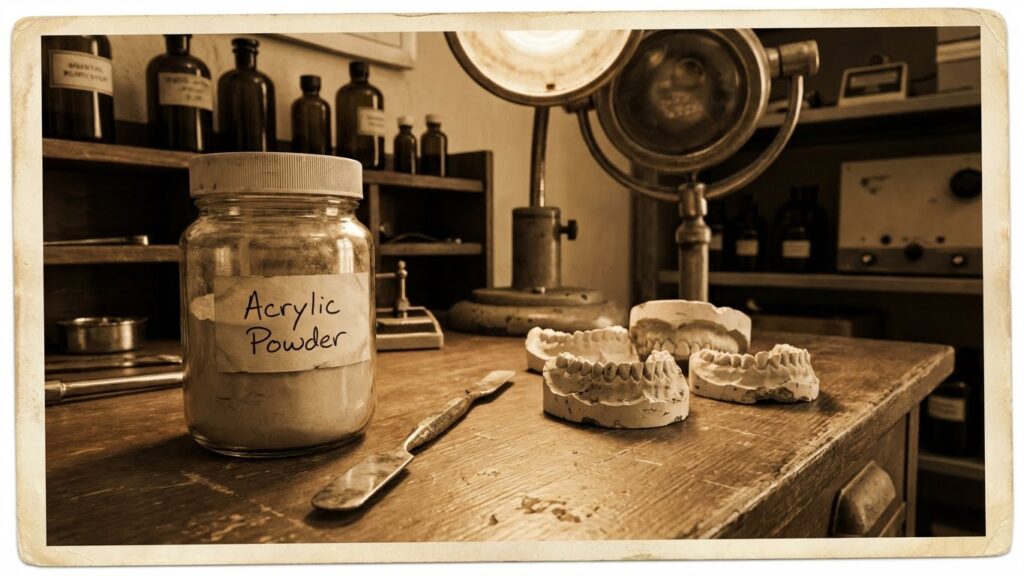
Several people helped create the modern fake nail. Maxwell Lappe patented thick, glue-on nails in 1934 to help nail biters, but those were bulky and impractical for daily wear. Later, dentists adapted dental materials to nails.
Dr. Frederick (Fred) Slack, a dentist, introduced a method in the 1950s using dental acrylic to form durable, realistic extensions. His work around 1954–1957 is often cited as the turning point that made sculpted, long-lasting nails practical for salons. Nail technicians and Black salon communities in the 1950s–1960s also refined application and styling techniques that drove popularity.
Early Methods and Materials
Early fake nails used simple materials and glues. Initial press-on nails were made from celluloid, metal, bone, or ivory and stuck on with basic adhesives. These provided only cosmetic length and often lacked comfort or durability.
The switch to dental acrylic changed this. Technicians mixed a liquid monomer and a powdered polymer to sculpt durable overlays and tips. This material bonded well to natural nails and allowed shaping, filing, and polishing. Over time, formulas and application tools improved, giving you the stronger, more natural-looking fake nails salons use today.
- Notable materials:
- Bone, ivory, metal (ancient)
- Celluloid and early plastics (early 20th century)
- Dental acrylic (mid-20th century onward)
Evolution of Fake Nail Techniques
You will see how materials moved from natural additives to plastics, how application steps became safer and faster, and how technology brought precision tools and new finishes.
Transition to Modern Materials
Early nail enhancements used natural materials like animal glue, beeswax, and leather. In the 20th century, chemists began using plastics and polymers that offered stronger, longer-lasting nails. Acrylic powder mixed with liquid monomer became common after the 1950s because it bonded well and could be shaped easily.
Gel systems arrived later and cured under UV or LED light, giving a shinier, flexible finish. Press-on nails used molded plastic and adhesive tabs for quick wear. Today you can choose acrylics, hard gels, soft gels, or pre-made tips based on strength, flexibility, and ease of removal.
Improvements in Application Processes
Application moved from slow handcrafting to standardized salon protocols. Early techniques required sculpting directly on the nail with basic tools. Over decades, technicians adopted forms, tips, and pre-made systems that cut shaping time and reduced guesswork.
Sanitation and bonding chemicals also improved. Better primers and buffered filing methods lower lifting and nail damage. Training programs and certification now teach consistent steps: prep, bond, build, cure, and finish. That sequence gives you more predictable wear and fewer salon returns.
Influence of Technological Advances
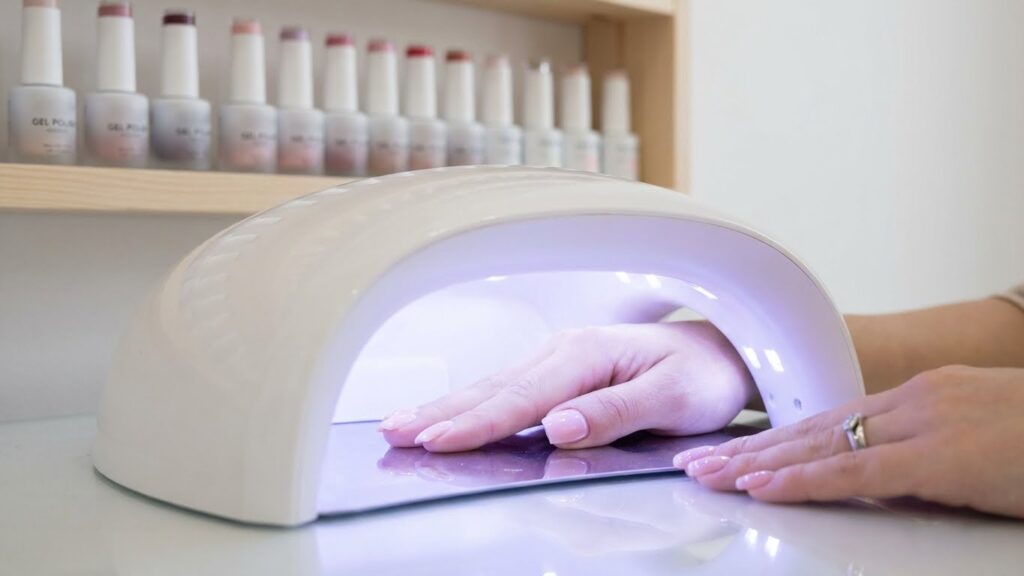
You benefit from precision tools and devices that did not exist decades ago. LED and UV lamps cure gel products in minutes, replacing hours of air-drying. Electric nail drills let technicians shape enhancements quickly and evenly with less manual sanding.
Digital color-matching, 3D nail printers, and stronger polymer formulas expand design options. New adhesives and soak-off chemistries make removal less damaging. These tech gains let you get complex shapes, long-lasting finishes, and safer procedures compared with older methods.
Fake Nails Through History
You can trace fake nails from ancient status symbols to modern salon services. The main shifts came from materials, makers, and new application methods that let more people wear artificial nails.
Ancient Beauty Practices
Ancient Egypt and China show early use of artificial nail-like items. Wealthy Egyptian women wore nail tips made from bone, ivory, or precious metals to signal rank. Nail color also mattered; archeological finds and paintings show painted nails among the elite.
In ancient China, long nails indicated a life of leisure and were sometimes protected with gold or jade guards. These practices were less about fashion for everyone and more about social standing and identity. You can see how early nails mixed cosmetic, symbolic, and practical uses.
Notable Innovations by Decade
1920s–1950s: Nail care moved from homemade to manufactured. Early press-on nails and celluloid tips appeared in the 1920s and 1930s. In 1954, a dentist named Frederick Slack used dental acrylic to repair a broken nail; this led to modern acrylic nail formulas in salons.
1960s–1980s: Acrylics and refinements spread. Black and Latinx communities played key roles in popularizing acrylics and bold nail art. Salon techniques improved with better adhesives, shaping tools, and salon training.
1990s–2000s: New materials and systems arrived. Gel nails and soak-off acrylics gave safer removal and more flexible finishes. Press-on nails also returned with improved fit and reusable designs.
2010s–present: Nail art exploded online. You now find intricate 3D designs, long tips, and hybrid systems that mix gels, acrylics, and overlays. Manufacturing, safety rules, and social media shaped what you see in salons today.
Impact on Modern Nail Salons
Salons now offer a wide menu: acrylics, gels, dip powders, and press-ons. You can get full sets, fills, nail art, and corrective services like acrylic overlays for weak nails. Training and certification vary, so check your technician’s credentials for safe application and removal.
Health and safety changed salon practices. Many salons adopted ventilation, improved dust control, and gentler chemicals to protect technicians and clients. Pricing reflects skill and materials: simple press-ons cost little, while custom acrylics with art cost more.
Cultural Impact and Popularity
Fake nails moved from niche salon services to visible symbols of style, identity, and status. You’ll see this in celebrity looks, viral social posts, and the wide spread of nail techniques across countries and communities.
Celebrity Influence
Celebrities pushed fake nails into public view and made specific styles iconic. Florence Griffith Joyner in the 1980s used long, eye-catching nails as part of her signature look, which helped normalize dramatic nails in sports and fashion. In the 1990s and 2000s, musicians and film stars adopted acrylics and press-ons for red carpet and stage appearances, making them a staple for high-visibility events.
You’ll notice trends tied to names: Cardi B and Megan Thee Stallion brought elaborate, sculpted designs into mainstream hip-hop culture. Pop stars and actors often commission bespoke sets from nail artists, which fans then copy. That direct link between celebrity use and consumer demand drives salon bookings and product sales.
Social Media Trends
Social media turned nail art into shareable content and a revenue stream for artists. Platforms like Instagram, TikTok, and YouTube let nail technicians post step-by-step videos, before-and-after photos, and trend challenges. Short-form clips showing nail transformations get millions of views and create quick fads — think exaggerated lengths, 3D decorations, or themed sets tied to holidays and movie releases.
You can buy kits or replicas after you see a viral look. Influencers also partner with brands to sell polishes, tips, and press-on collections. Hashtags and tutorial formats make techniques accessible to beginners and boost demand for specific styles in local salons.
Global Spread of Fake Nails
Fake nails spread worldwide through fashion, migration, and trade in beauty products. Nail techniques from U.S. salons traveled to Europe, Asia, Africa, and Latin America as technicians moved and trained abroad. Brands manufactured acrylic powders, gels, and press-ons at scale, making materials affordable and available in salons and stores globally.
You’ll find regional variations: longer, ornate designs often appear in North America and parts of Africa, while Japan and Korea emphasize intricate, miniature art and delicate decoration. Local cultures adapt designs to fit customs, workplace norms, and climate. The result is a global nail industry with shared tools and many distinct local styles.
Modern Types of Fake Nails

You can choose fake nails based on how long you want them to last, how they are applied, and how they look. Some use a powder and liquid mix, others cure under light, and some stick on for quick wear.
Acrylic Nails
Acrylics use a liquid monomer and powder polymer that you sculpt over your natural nail or a form. The mix hardens in air and creates a durable, thick extension that resists chipping.
You can shape acrylics into many styles — square, stiletto, coffin — and file them to change length or design. Fill-ins are needed every 2–3 weeks as your natural nail grows out.
Acrylics require a trained technician for safe application and removal. Improper removal can thin or split your natural nail. You should avoid soaking off for too long and ask for professional filing or proper acetone removal.
Gel Nails
Gel nails use a viscous gel that cures under UV or LED light to harden. The gel feels thinner and glossier than acrylic and often looks more natural.
There are two main types: hard gel for extensions and soft gel (gel polish) for surface color. Hard gel is carved and cured like acrylics but needs light to set. Gel polish bonds to the nail and lasts about 2 weeks without major lifting.
Removal usually involves filing or soaking in acetone, and you should not peel cured gel off. Nails can be damaged if removal is rushed or done incorrectly, so use a salon or follow step-by-step removal instructions.
Press-On Nails
Press-on nails are pre-made artificial nails you stick to your nail with adhesive tabs or glue. They come in many sizes, shapes, and ready-made designs for instant wear.
You can apply them at home in minutes and remove them without harsh filing. They last from a single day to about two weeks depending on the adhesive and activity level.
Press-ons are the least damaging when you remove them correctly. Keep spare sizes, trim to fit, and avoid excessive moisture to extend wear. They offer a low-cost, low-commitment way to try different looks.
Future Trends and Innovations
You will see more eco-friendly materials in fake nails soon. Brands are testing biodegradable resins and plant-based plastics to cut landfill waste and toxic chemicals.
Smart nails will add simple tech features to manicures. Expect nails with tiny LEDs, NFC chips for contactless sharing, or color-changing coatings that respond to temperature.
Customization will get faster and more precise. 3D scanning and printing let you make press-ons that match your nail shape exactly, reducing gaps and improving comfort.
Application will become easier for home use. New adhesive systems and peel-off gels let you apply and remove nails without damage or long salon visits.
Designs will blend fashion and function. You might find nails with built-in tools — like tiny files or protective tips — and finishes that resist scratching or staining.
You can also expect more sustainable salon practices. Salons will offer recyclable nail kits, safer removal options, and take-back programs for used nails and packaging.
Key items to watch:
- Biodegradable resins and plant-based plastics
- 3D-printed custom press-ons
- Smart nails with LEDs or NFC
- Peel-off and gentler removal systems
- Salon recycling and take-back programs
These trends aim to make fake nails safer, more personal, and kinder to the planet while keeping the creativity and style you expect.
FAQs
What counts as a “fake nail”? Fake nails include acrylics, gel tips, press-ons, and other nail extensions you attach to your natural nail. Each type uses different materials and application methods.
Who invented fake nails and when? Dental materials inspired the first modern acrylic nails in the 1950s, when a dentist experimented with dental acrylic to repair a broken nail. Other inventors later refined press-on and plastic tips into the commercial products you see today.
Are fake nails safe for your nails? They can be safe if you follow proper application and removal steps. If you see pain, swelling, or discoloration, stop and consult a medical professional or a licensed nail technician.
How long do fake nails last? Lifespan depends on the type and care. Acrylics and hard gels can last several weeks with fills, while press-ons usually last a few days to two weeks.
Can you get fake nails removed at home? You can remove some types at home with careful soaking or filing, but professional removal reduces damage risk. The American Academy of Dermatology offers guidance on safe nail care at https://www.aad.org.
Where can you learn proper application and care? Look for licensed nail technicians and courses from accredited beauty schools. Reliable product instructions and resources from institutions like the U.S. Food & Drug Administration help you make safer choices: https://www.fda.gov.
Conclusion
You can trace modern fake nails back to the 1950s when a dentist first used dental acrylic to fix a broken nail. That invention set the stage for acrylic extensions, and people quickly adapted the idea for fashion and durability.
Today you can choose acrylics, gels, press-ons, or tips depending on your needs. Each option offers different strengths: acrylics for toughness, gels for shine, and press-ons for quick changes.
Nail trends and techniques have changed a lot since the 1950s. You will see more colors, shapes, and art now, and cultural influences shaped how different communities used nail enhancements.
If you plan to try fake nails, consider health and care. Proper application and removal lower the risk of damage or infection, and regular maintenance keeps nails looking their best.
Keep in mind that the idea of artificial nails existed in various forms before the 1950s, but that decade marks the moment the modern acrylic method became widely used. Your choices today build on both early experiments and decades of innovation.