

You might think fake nails are a modern fashion trick, but their story stretches across centuries and cultures. A 20th-century dentist, Dr. Fred Slack, gets credit for creating the first modern acrylic nail in the 1950s by adapting dental acrylics, while ancient societies already used nail extensions made of bone, ivory, or metal for status and style.
You will follow a timeline that shows early decorative nails, the breakthrough that turned prosthetic nails into a beauty product, and how the craft evolved into the acrylic and gel systems you see today. Expect clear facts, short stories about key innovators, and quick tips on how those inventions shaped the nail industry you know now.
Key Takeaways
- Ancient cultures used nail extensions for status and style.
- A 1950s dental innovation started modern acrylic nails.
- Today’s products grew from early prosthetics into a big beauty market.
Origins of Fake Nails
You will learn where fake nails first appeared, how ancient cultures used them, and the social meanings that shaped nail wear. This section traces early evidence, material choices, and cultural signals tied to artificial nails.
First Recorded Use of Artificial Nails
Archaeological records show the first clear examples of nail enhancements from ancient Egypt around 3000 BCE. Wealthy Egyptians used materials like bone, ivory, and metal to extend and decorate nails. These early extensions served as visible markers of status rather than purely cosmetic items.
Written records and tomb art also show women using colored pastes and dyes on natural nails. Those pigments, including henna and mineral-based colors, pointed to an early desire to alter nail appearance. You can see a direct line from these practices to modern decorative nails.
Ancient Civilizations and Nail Enhancements
Other ancient societies adapted nail decoration in their own ways. In China, records from the Zhou Dynasty (circa 600 BCE) describe long nails lacquered with mixtures of gum and egg whites. Long nails indicated leisure and elite status because they showed the wearer did no manual labor.
In Greece and Rome, you find fewer physical extensions but more use of oils and pigments to improve nail shine. Materials varied by region, but the underlying idea stayed the same: nails signaled rank, gender roles, and access to resources. You can trace many modern techniques back to these material experiments.
Cultural Influences on Nail Wear
Social rules shaped who wore artificial nails and why. In many cultures, only upper classes or rulers could display long or decorated nails. Colors and lengths carried specific meanings—royal colors, marriage status, or occupation signals—so your nails could broadcast personal information.
Trade and conquest spread nail practices across regions. New materials and ideas moved along trade routes, changing styles and methods. As societies industrialized, these cultural signals evolved into fashion trends you recognize today.
Key Inventors and Innovators
You will see who turned early nail ornaments into products you can buy and wear today. The people below invented methods, tools, and materials that shaped modern fake nails.
Fred Slack and the Modern Fake Nail

Fred Slack, a dentist in the 1950s, created the modern acrylic nail method you still see in salons. He adapted dental acrylic techniques to extend and strengthen fingernails, using a liquid monomer and powdered polymer to form a durable overlay.
Slack mixed a bead of acrylic, shaped it over the natural nail or a tip, and let it harden. That process gave technicians a reproducible way to build length and add color.
You benefit from his work because acrylic nails became faster, stronger, and more consistent. Many nail systems and training programs trace their method back to Slack’s basic chemistry and application steps.
Other Pioneers in Nail Technology
Several people and companies improved materials and application after Slack. Nail technicians refined tips, forms, and filing techniques to make extensions look more natural.
Late-20th-century companies introduced pre-made plastic tips and better adhesives. Chemists developed UV-cured gels and newer monomer blends that reduce odor and dry time.
Manufacturers also standardized tools: electric files, specialized brushes, and safer primers. Together, these changes made salon services quicker, less messy, and more accessible to both professionals and DIY users.
Patent Milestones
Patents mark the technical progress in fake nails and show who formalized ideas. Early patents cover prosthetic tips, adhesive systems, and specific acrylic mixtures.
Notable filings include patent claims for sculpting tips, two-part polymer systems, and press-on designs that attach without extensive shaping. These documents often list inventors and assignees, giving you a clear record of who commercialized each step.
You can look up patent numbers to see dates, diagrams, and exact chemical or design wording if you want technical details or legal history.
Development of Modern Fake Nails
You will learn how fake nails moved from simple materials to durable acrylics and gels, and how tools and techniques improved application speed, strength, and look.
Early Materials and Techniques
Early modern fake nails used tips made from plastic or metal and adhesives that were fairly weak. Technicians glued pre-shaped tips to your natural nail edge, then used overlay powders or resins to smooth and blend the joint. These methods gave you length quickly but often lifted or broke with everyday use.
Dental acrylics and bonding ideas first appeared in salons after dentists experimented with polymers, so suppliers adapted those formulas for cosmetics. Over time, protocols like nail prepping, etching, and primer application became standard to reduce lifting and infection risk. You still see some of these basic tip-and-overlay methods in budget or quick-service options today.
Transition to Acrylic and Gel Nails
Acrylic systems became common in the 1950s and 1960s after acrylic polymers proved stronger than earlier resins. Acrylic uses a liquid monomer mixed with powder polymer to form a hard coating. You get a very durable finish that files and shapes easily, which made acrylics popular for long-lasting extensions.
Gels arrived later and use a pre-mixed resin cured under UV or LED light. Gel gives a glossier, more flexible finish and often feels lighter on your nail. Many technicians combine both: using acrylic for structure and gel for a smooth, shiny surface. Both systems improved longevity, though they require proper removal to avoid damage.
Advancements in Application Methods

Application tools became more precise: electric files replaced some hand filing, and specialized brushes improved product placement. You benefit from faster shaping and more consistent thickness, which reduces breakage and filing time. Salon training now emphasizes proper cuticle work, controlled product layers, and correct curing times.
Adhesives, primers, and sealed edges advanced too. Newer bonders and acid-free primers lower the chance of lifting and irritation. You also have options like press-on nails with stronger adhesives and pre-shaped forms that streamline at-home or salon application. These changes made fake nails more accessible and reliable for everyday wear.
Impact on the Beauty Industry
Fake nails changed how people get nail care, how products sell, and how fashion uses nails as an accessory. You will see how salons grew, how companies turned artificial nails into big business, and how nail styles shape clothing and personal image.
Rise of Nail Salons
You can trace many modern nail salons to the demand created by artificial nails and acrylic systems in the 1950s–1970s. Nail technicians learned new skills like sculpting with acrylic powder and liquid monomer, and salons added dedicated manicure and artificial-nail services.
Salons expanded services to include fills, repairs, and long-lasting gels. That made repeat visits common, which helped salons build steady income and hire more skilled staff. You now find specialized nail bars, training schools, and certification programs focused on artificial-nail techniques.
Clients come for both maintenance and creative looks. Salons also boosted local economies by creating small-business jobs and by sourcing bulk nail supplies such as tips, forms, primers, and LED/UV lamps.
Commercialization of Artificial Nails
Manufacturers turned fake nails into a mass-market product by introducing pre-made tips, press-on sets, and acrylic kits. You can buy affordable press-on nails in stores and premium salon-only systems for professionals.
Marketing created clear product lines: consumer press-ons, salon acrylics, and hybrid gel-polish systems. Brands invested in packaging, celebrity partnerships, and social-media campaigns to reach different buyer groups. This widened the customer base from salon regulars to casual users who apply nails at home.
Retail channels also changed. Big-box stores, online shops, and subscription services sell ready-made nail sets and replacement parts. Suppliers created standardized sizes, adhesives, and color ranges, which made installation faster and more reliable for both pros and consumers.
Influence on Fashion Trends
Artificial nails shifted nails from a health-and-hygiene focus to a visible fashion statement. Designers and influencers use nail shapes, lengths, and art to complete a look for runways, red carpets, and street style.
You will notice cycles of trends: short natural looks, long stiletto shapes, chrome finishes, and intricate nail art. These trends often spread fast through Instagram and TikTok, where salon artists and brands post tutorials and product reveals.
Nail trends also influence other beauty categories. Color palettes match seasonal clothing lines, and nail art techniques inspire jewelry shapes and makeup accents. Celebrities and fashion shows now treat nails as a planned part of styling rather than an afterthought.
Evolution of Fake Nail Products
Fake nails moved from hand-crafted pieces to mass-produced options and then to detailed art tools. You’ll see how press-ons made nails quick and cheap, and how new tools, gels, and accessories let you create complex designs at home or in salons.
Introduction of Press-On Nails
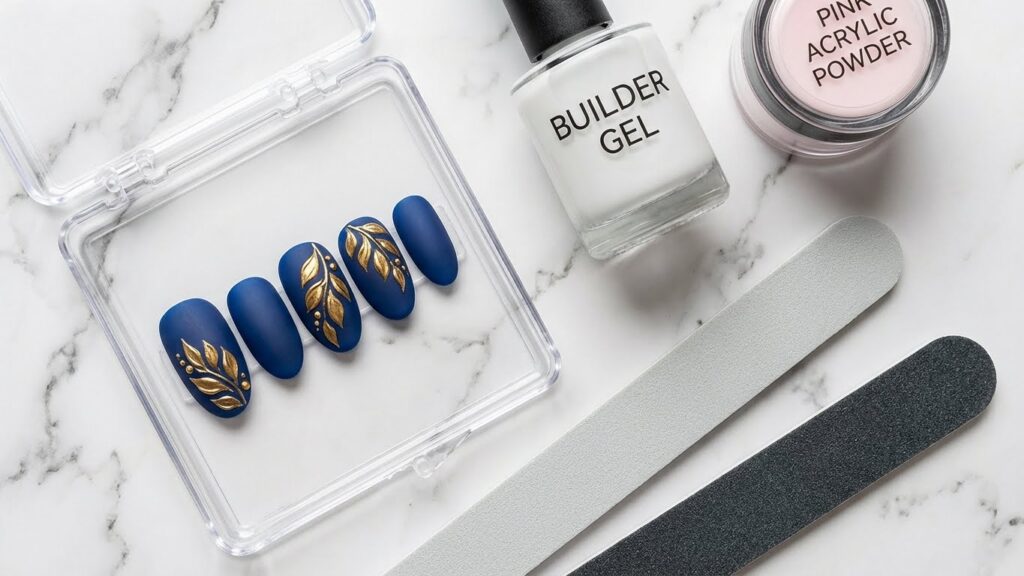
Press-on nails arrived as a fast, affordable option you can use at home. Early commercial press-ons in the 1950s and 1960s came as full-coverage plastic tips you glued to your natural nails. They cut salon time and cost, so they spread quickly through drugstores and catalogs.
Modern press-ons use improved adhesives and thinner plastics. Many sets include pre-shaped, pre-painted nails in multiple sizes so you can match shape and length. You can reuse some high-quality press-ons if you replace the adhesive tabs. Brands also offer custom-fit kits and sculptable tabs for a closer, longer-lasting fit.
Innovation in Nail Art and Accessories
Nail art tools and accessories expanded what you can do beyond basic color. You now have gel polishes, LED-cured gels, acrylic powders, foils, stickers, rhinestones, and stamping plates to build layered, durable designs. These let you achieve salon looks at home or add complex textures in salons.
New application tools speed the process. Electric files, fine brushes, and airbrush kits give you precision. You’ll also find protective topcoats and nail primers that extend wear and reduce lifting. Many salons combine acrylic or gel extensions with art elements to create custom, long-lasting styles.
Contemporary Perspectives on Fake Nails
You can find major brands that set quality and safety standards, and current styles that shape salon and at-home trends. Brands focus on durability, ingredients, and ease of use. Styles vary by shape, finish, and application method.
Current Leading Brands
You will see brands like Kiss, DND, CND (Creative Nail Design), Kiara Sky, and ASP listed most often in salons and stores.
Kiss and DND lead in press-on and at-home kits with wide size ranges and pre-designed sets. They prioritize fit and quick application.
CND and Kiara Sky dominate professional acrylic and gel markets.
They sell monomers, powders, and LED gels used by nail technicians. These brands invest in training and certification for salons, which means safer application when a trained tech does the work.
Look for brand claims about formulations: “low-odor,” “5-free” or “7-free” (fewer toxic additives), and LED-cure compatibility.
If you want long wear and salon finish, pick lines that offer both product families and professional support.
Popular Nail Styles Today
You can choose from classic shapes like almond and square, or trend shapes such as coffin (ballerina) and stiletto.
Almond and square suit everyday wear; coffin and stiletto appear more in fashion and editorial looks.
Finishes vary: glossy gel, matte topcoat, chrome, and soft milky “glass” nails are common.
Ombré, French with color tips, and negative-space designs remain popular for balance between bold and subtle.
Application methods include: press-ons for fast at-home use, acrylics for strong length, and builder gels for flexibility and lower odor.
Choose a method based on your priorities: speed, strength, or a natural feel.
Conclusion
You can see that fake nails did not come from a single inventor. Many people and cultures added ideas over time. Ancient Egyptians and Chinese craftspeople used nail extensions long before modern formulas appeared.
By the 20th century, inventors and salon professionals refined materials and techniques. Names like George Schaeffer and Fred Slack Sr. appear in accounts, but their roles differ by source. The rise of acrylics, gels, and press-ons shows steady technical progress rather than one clear moment of invention.
Your choices today reflect that long history. You can pick press-ons for quick change, acrylics for strong extensions, or gels for a natural look. Each option builds on past methods and modern chemistry.
If you want to learn more, check museum records, patent filings, and salon histories. Those sources give evidence you can compare. They help you understand how fashion, technology, and business shaped the nails you wear now.
FAQs
What counts as a “fake nail”? Fake nails include press-ons, acrylics, gel extensions, and tips that attach to your natural nail. Each type uses different materials and lasts for different times.
Who first made artificial nails? No single inventor created fake nails. Ancient cultures used materials like bone, ivory, or gold for nail decoration. Modern acrylics grew from 20th-century cosmetology advances and salon techniques.
Are acrylic nails safe for you? Acrylic nails are generally safe when a trained technician applies them and you keep them clean. Improper use can cause lifting, infection, or damage to your natural nails, so follow aftercare and see a licensed nail tech.
How long do fake nails last? Press-ons can last days to weeks depending on glue and care. Acrylic and gel extensions usually last 2–4 weeks before fills or maintenance. Your activities and nail growth affect wear time.
Can fake nails harm natural nails? If removed or applied poorly, they can weaken or thin your nails. You can reduce harm by using proper removal methods and giving your nails breaks between sets.
Where can you learn more? For history and safety details, check reputable sources like the Smithsonian for historical context and the American Academy of Dermatology for nail health guidance.
Conclusion
You now see that fake nails have no single inventor. Roots stretch from ancient Egypt and China to mid-20th century salon innovations. Different people and cultures shaped the tools and materials you use today.
You can trace modern acrylic nails to salon experiments in the 1950s and to innovators who adapted plastics and polymers for nail work. Names like George Schaeffer and Fred Slack Sr. appear in histories, but their roles fit into a longer, shared story rather than a lone “invention.”
You should remember two key ideas: the concept of nail enhancement is ancient, and modern techniques grew from many small advances. This helps you understand why nail art keeps changing and why multiple people get credit.
If you want quick facts, use this simple list:
- Ancient origins: bone, ivory, and symbolic long nails.
- Modern era: 20th-century materials and salon techniques.
- Ongoing change: brands and methods evolve continually.
You can explore further by looking at specific names, years, and patent records if you need exact attribution. That will give you the clearest view of who contributed to the fake nail technologies you see now.