Why Do My Fake Nails Hurt: Causes, Prevention, and Treatment Options

Fake nails can hurt for a few simple reasons: they press on your nail bed, the fit is wrong, or the nail prep damaged your natural nail. If your nails hurt right after an appointment, pressure from the fake nail or over-filed natural nails is the most likely cause and often fixable.
You might also feel pain later from an infection, allergic reaction, or nails that are too long and act like levers when you use your hands. Pay attention to swelling, throbbing, or persistent pain—those signs mean you should get the nails checked or removed.
Key Takeways
- Immediate pain usually comes from pressure, poor fit, or aggressive prep.
- Ongoing soreness can signal infection, allergy, or nail damage.
- Get professional help if pain, swelling, or persistent discomfort appears.
Common Reasons Fake Nails Cause Discomfort
You may feel pressure, sharp pain, or a dull ache after getting fake nails. Most causes link to how the nails were applied, the products used, or damage to your natural nail bed.
Improper Application Technique
If the technician uses too much force when seating the fake nail or tip, the added pressure can press on your natural nail and surrounding skin. A tip glued or positioned too long acts like a lever, making everyday tasks pull on the nail plate and causing pain at the cuticle or nail bed.
Aggressive cuticle pushing or cutting can also injure the nail matrix and make the area tender. Poorly blended edges or gaps let the nail rock with movement, which creates repeated stress and soreness. Ask for a gentle fit and a check for any lifting or gaps before you leave.
Incompatible Nail Glue or Adhesives
Some glues contain strong solvents or methacrylates that irritate sensitive skin and the nail bed. You might get immediate burning or later soreness if you react to the adhesive chemicals. Using the wrong glue for press-on nails or acrylic tips can also lead to fast lifting, which increases friction and pressure.
Excess glue under the nail can harden in odd shapes and press into the natural nail. If you suspect glue irritation, remove the nail and switch to a lower-odor or hypoallergenic adhesive, and test a small area before full application.
Nail Bed Sensitivity
Repeated acrylic or gel fills thin and stress the nail plate, exposing nerve endings and making the nail bed tender. If you’ve had many sets without breaks, the bed can lose its natural cushioning and hurt when compressed. Temperature changes and contact with water can worsen sensitivity.
Thin natural nails are more prone to pain after any enhancement. Give your nails time to rest, apply a nail oil to support the cuticle and bed, and avoid tight gloves or tools that press directly on the nail for a few days.
Over-Filing of Natural Nails

Filing too deep or using a coarse file strips away layers of the nail plate and can cause immediate soreness or long-term thinning. When the top layers are removed, the nail loses strength and the surface may feel raw or tender under the fake nail.
Electric filing at high speed or aggressive buffing of the nail bed creates heat and micro-abrasions that lead to burning or aching. Request minimal filing, a gentle hand, and lower-speed tools. If you already feel pain, stop fills and let your natural nails rebuild before another application.
Immediate Post-Application Pain
You may feel soreness, tightness, or a burning sensation right after your fake nails are finished. These symptoms usually come from how the extensions sit on your nail and from the chemicals used during the service.
Tightness and Pressure from the Extension
If the tip or acrylic sits too close to your cuticle or covers the whole nail plate, you can feel pressure. That pressure presses the nail plate into the nail bed and makes the skin under the nail more sensitive. Tight glue or a small, poorly fitted press-on will pinch the sides and cause aching along the nail fold.
Look for visible signs: swelling, redness, or raised nail edges. If the nail feels heavy or you notice pain when you tap it, the extension likely needs adjusting. Ask your technician to file the underside, relieve the fit, or remove and rebalance the piece. Leaving a tight nail in place can make the pain worse and raise infection risk.
Chemical Reactions From Products
Acrylic monomers, primers, or glue can irritate your skin and nail bed. Some people react to cyanoacrylate glue (used on press-ons) with a burning or stinging feeling right after application. Nail primers and liquid monomers can cause chemical burns if they touch the skin or if fumes are inhaled in a poorly ventilated space.
Watch for immediate itching, blistering, or a sharp burning pain; these signs suggest a chemical reaction. Rinse the area with cool water and avoid acetone if your skin is raw—use mild soap first. If the reaction is strong or spreads, remove the nails and seek medical advice. Use hypoallergenic products next time and ask the salon to avoid skin contact with primers and solvents.
Underlying Nail Health Concerns
Your natural nail condition often causes pain under or around fake nails. Problems like prior nail trauma or hidden infections can turn a simple set of acrylics or gels into a painful issue quickly.
Pre-Existing Nail Damage
If your natural nails were thin, split, or previously lifted, applying fake nails can press on weak areas and cause pain. Filing to roughen the nail plate or using strong adhesives can remove layers of your nail, increasing sensitivity and making the nail bed tender.
Look for these signs: thinning edges, vertical ridges, peeling layers, or nails that bend easily. If you had trauma — a smashed fingertip or repeated picking — scar tissue or a weakened nail matrix may not support an artificial tip well.
What to do: stop getting new sets until nails recover. Trim artificial extensions short and avoid aggressive filing. Use a protein-rich nail oil and gentle nail-strengthening products. See a dermatologist if pain persists or nails show severe thinning or chronic separation.
Nail Infections or Fungal Issues
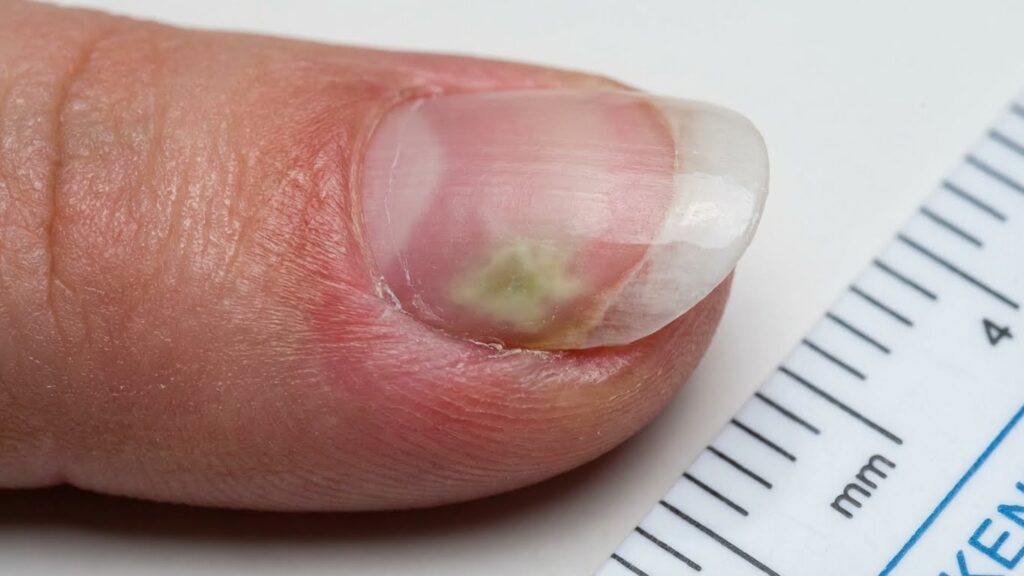
A gap between the fake nail and your natural nail traps moisture and debris, creating a spot where fungi and bacteria grow. Early signs include persistent redness, swelling, yellow or green discoloration, and a foul odor under the artificial nail.
If you notice increased pain, especially with pus or spreading redness, the infection may be bacterial and need topical or oral antibiotics. Fungal infections often cause gradual thickening and crumbly texture; antifungal treatments may be required and can take months to clear.
Do not remove infected nails yourself if pain or drainage is present. Have a clinician examine the nail to decide whether professional removal, prescription medication, or in-salon changes are safest for your health.
How Different Types of Fake Nails Affect Pain
Different materials and application methods change how your nails feel. Some press on pressure, gels harden under lamps, and acrylics require more filing and primer — each can cause different kinds of pain.
Acrylic vs. Gel Nail Sensation
Acrylics bond with a liquid monomer and powdered polymer. Application often involves heavy filing of your natural nail and strong glues or primers. That can cause rawness, heat, or sharp pain if the tech files too deep, exposes the nail bed, or uses excess primer.
Gel nails use a softer gel that cures under a UV/LED lamp. You may feel a quick heat sting during curing, especially on long nails or if the gel is thick. Gels usually require less aggressive filing, so they often irritate the nail less than acrylics. Still, an ill-fitting gel set or trapped moisture under the overlay can press on the nail bed and cause soreness.
Watch for these signs:
- Continuous sharp pain after leaving the salon = possible trauma.
- Burning during curing = likely heat reaction.
- Redness, swelling, or pus = possible infection — see a provider.
Press-On Nails and Temporary Solutions
Press-on nails stick on with adhesive tabs or glue. They put direct pressure on the nail plate and can lift edges if they’re too long or mismatched to your nail shape. Poorly trimmed press-ons create point pressure that leads to aching when you press or type.
Because they’re removable, press-ons cause less long-term damage than glued extensions. But repeated use without breaks can weaken your natural nails. Using the wrong glue remover or forceful prying can tear the nail plate and cause sharp pain.
To reduce pain with press-ons:
- Match the press-on size to your nail to avoid edge pressure.
- Use adhesive tabs for less bonding strength.
- Remove gently with soaking rather than pulling.
Allergic Reactions and Sensitivities
Allergic reactions to nail products can cause pain, redness, and swelling at the nail and fingertip. Some reactions start right after application; others appear after repeated exposure.
Symptoms of Nail Product Allergies
You may notice itching, burning, or a sharp sting around the cuticle or fingertip soon after using fake nails. Skin can turn red and swollen, and small blisters or dry, flaky patches may form near the nail fold.
Pain can be constant or only when pressure touches the nail. If the reaction is severe, the skin may crack or bleed, and you might feel warmth or a throbbing ache. Reactions that worsen over days or return after more manicures suggest sensitivity rather than a one-time irritation.
Seek medical care if you get spreading redness, fever, or fluid-filled blisters. A dermatologist can confirm contact dermatitis and advise on treatment and patch testing.
Ingredients Commonly Linked to Allergies
Methacrylates and acrylates in acrylic and gel systems are the most common offenders. These monomers can trigger allergic contact dermatitis in people who are sensitive, especially with repeated exposure.
HEMA (2-hydroxyethyl methacrylate) appears in some gels and glue and can also cause reactions. Other suspects include tosylamide formaldehyde resin and certain solvents and adhesives used in tips and glue.
If you suspect an allergy, stop using the product and check ingredient lists. Patch testing can identify the exact chemical causing your reaction so you can avoid it in future manicures.
Improper Fit and Nail Shape Issues
Tight edges, wrong widths, or a shape that fights your natural nail can cause pressure, pinching, and rubbing. Fixing size and shape problems usually stops the pain and lowers the risk of damage or infection.
Incorrect Nail Size Selection
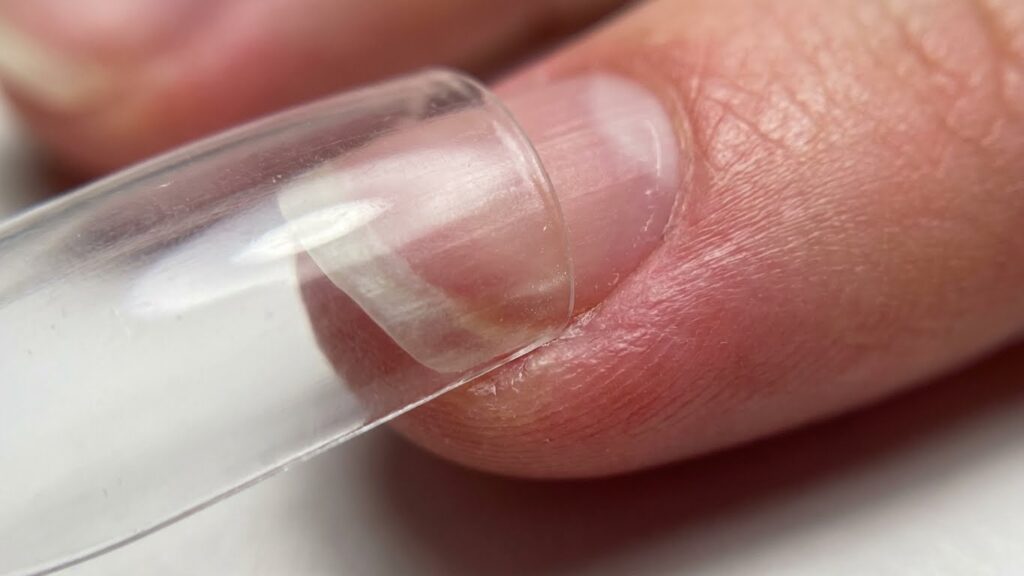
If a fake nail is too wide it will press into the skin on the sides of your nail bed. That pressure causes soreness, especially when you bend the finger or grip objects. If the fake is too narrow, it lifts at the edges and catches on things, which can tear the natural nail or pull at the cuticle.
Measure each natural nail across its widest point before you apply press-ons or tips. Match sizes one-to-one; don’t stretch a larger size to fit a smaller nail. If a kit has no exact match, file the fake nail’s sides slightly to fit. For acrylics and gels, tell your technician when a tip feels tight or overlaps the skin.
Influence of Nail Shape on Comfort
Your natural nail curve and the fake nail’s curve must align. A flat fake on a curved nail creates gaps under the center. Those gaps trap water and glue, leading to pressure and softening of the nail plate.
Also watch the free edge and length. Long, square tips change how force transfers to your nail and can lever the base, causing pain. Rounded or slightly shorter tips reduce snagging and distribute force more evenly. When choosing a shape, hold a sample over your nail to check how the curve and edge sit before applying.
Long-Term Effects of Wearing Fake Nails
Wearing fake nails for months or years can change how your natural nails look and feel. You may face weaker nail plates, persistent pain, and higher risk of infections if you keep them on without care.
Weakening and Thinning of Natural Nails
When techs file your nail surface or you soak and pry off enhancements, the top layers of your nail plate get removed. That repeated abrasion thins the nail, making it bend, break, or split more easily.
Glue and acrylic chemicals can dry out the nail and the surrounding skin. Dry nails lose flexibility and chip faster, so you may notice ridges, white spots, or layers peeling away.
Microtrauma from long extensions or heavy nail art puts pressure on the nail root. Over time, that pressure can slow healthy nail growth and leave nails shorter or misshapen after the fake nails come off.
Steps to reduce damage: limit fills to certified salons, avoid aggressive buffing, give your nails periodic breaks, and use cuticle oil and a protein-rich nail treatment.
Development of Chronic Nail Pain
Constant lifting or poorly fitted tips can let water and debris collect under the nail. That trapped moisture feeds bacteria and fungi, which cause recurring infections that feel tender or throbbing.
The weight of long extensions changes how you use your fingers. You might overload the nail bed during everyday tasks, causing inflammation at the base of the nail and a persistent, dull ache.
Nail bed damage from repeated chemical exposure or removal methods can injure capillaries and nerves under the nail. That damage sometimes leads to lasting sensitivity or sharp pain when pressure is applied.
If you have ongoing pain, see a dermatologist or podiatrist. Treating infections early and stopping the source of trauma helps prevent permanent nail-bed changes.
When to Seek Professional Help
If you have deep pain, spreading redness, pus, or a nail lifting far from the nail bed, get help. Also see a pro if pain lasts more than a few days despite home care or if you notice numbness, fever, or a bad smell.
Signs of Serious Nail Damage
Look for a nail that lifts more than half its length, cracks through the nail plate, or bends oddly when you move it. These signs suggest the artificial nail has stressed the natural nail or the nail matrix. If the natural nail looks thin, ragged, or has white bands or brown streaks, a technician or dermatologist should check it before more damage occurs.
Visible bleeding under the nail, sharp pain when touching the nail bed, or sudden loss of the natural nail are urgent signals. A trained nail tech can safely remove the fake nail and assess damage. A dermatologist can evaluate deeper harm to the nail matrix and recommend treatments to help the nail regrow properly.
Persistent Pain and Infection Warnings
If pain does not improve after 48–72 hours of rest, ice, and over‑the‑counter pain relief, consult a professional. Persistent throbbing pain often means pressure, a split that keeps catching, or an infection developing under a lifted nail.
Watch for redness that spreads beyond the nail fold, warmth, pus, foul odor, or swollen fingers. Those signs commonly mean a bacterial or fungal infection that needs prescription antibiotics or antifungals. If you have diabetes, poor circulation, or a weakened immune system, seek care immediately even for minor infections.
FAQs
What if your fake nails feel sore right after application?
Mild soreness is common for a day or two as your nail bed adjusts. If pain lasts more than 72 hours or worsens, contact your technician or a healthcare provider.
Could an infection cause the pain?
Yes. Signs include increasing redness, swelling, pus, or a fever. If you suspect infection, see a clinician. The CDC has basic guidance on skin infections you can check for more info: https://www.cdc.gov.
Do long or thick nails make pain worse?
Longer nails can act like levers and strain the nail bed when you use your hands. Thicker overlays may press too hard on the natural nail. Shortening or reshaping can reduce pressure.
Can over-filing or cuticle damage cause pain?
Absolutely. Aggressive filing or pushing back the cuticle can expose sensitive tissue and nerves. Ask your technician to be gentler and avoid cutting living skin.
When should you remove the nails?
Remove them if pain is sharp, constant, or tied to signs of infection. Have a pro remove them to avoid more damage. The American Academy of Dermatology has safe nail-care tips worth reading: https://www.aad.org.
How do you prevent future pain?
Choose an experienced technician, ask for proper fit and gentle prep, and avoid very long lengths. Keep nails clean and dry, and get regular fills or professional removal when needed.
Conclusion
You can feel pain from fake nails for a few clear reasons: pressure, over-filing, allergic reaction, or infection. Pay attention to when the pain starts and what makes it worse.
If the pain is mild, remove pressure and give your nails a break. Soak your hands in warm water and avoid tight gloves or shoes that press on nail tips.
Severe, sharp, or spreading pain needs prompt care. See a healthcare provider if you notice pus, increasing redness, or fever. These signs could mean an infection that needs treatment.
Prevent future pain by choosing a skilled technician, asking them not to over-file, and using breathable adhesives. Let your natural nails recover between sets and use cuticle oil to keep the nail bed healthy.
If you suspect an allergy, stop using the product and try hypoallergenic options. Patch-test new products on one nail first to check for reactions.
Quick checklist:
- Stop wearing the nails if pain is strong or worsening.
- Look for signs of infection: pus, heat, spreading redness.
- Seek medical care for severe pain or signs of infection.
- Use breaks, gentle care, and proper application to prevent repeat problems.
You have control over how your nails feel. Small changes in care and application can make wearing fake nails much more comfortable.