
Why Is My Nail Green After Wearing Fake Nail: Causes, Risks, and Quick Fixes

You probably noticed a green tint after taking off fake nails and want a quick answer. That green color most often comes from a bacterial infection, usually Pseudomonas, that grows in the moist gap between your natural nail and the artificial nail. It thrives where air and light can’t reach, especially when nails lift or trapping moisture occurs.
You can fix this and protect your nails without panic. The article shows how to spot symptoms, treat the issue safely, and change how you apply and wear fake nails so it does not happen again.
Key Takeaways
- Green nail discoloration usually signals a bacterial issue under the artificial nail.
- Treating early and keeping nails dry stops most infections from getting worse.
- Changing application, wearing time, and hygiene habits prevents future problems.
Common Causes of Green Nails After Fake Nails
You may see a green tint on your nail from different sources. The main causes are bacteria, fungus, and trapped moisture under the fake nail.
Pseudomonas Bacterial Infection
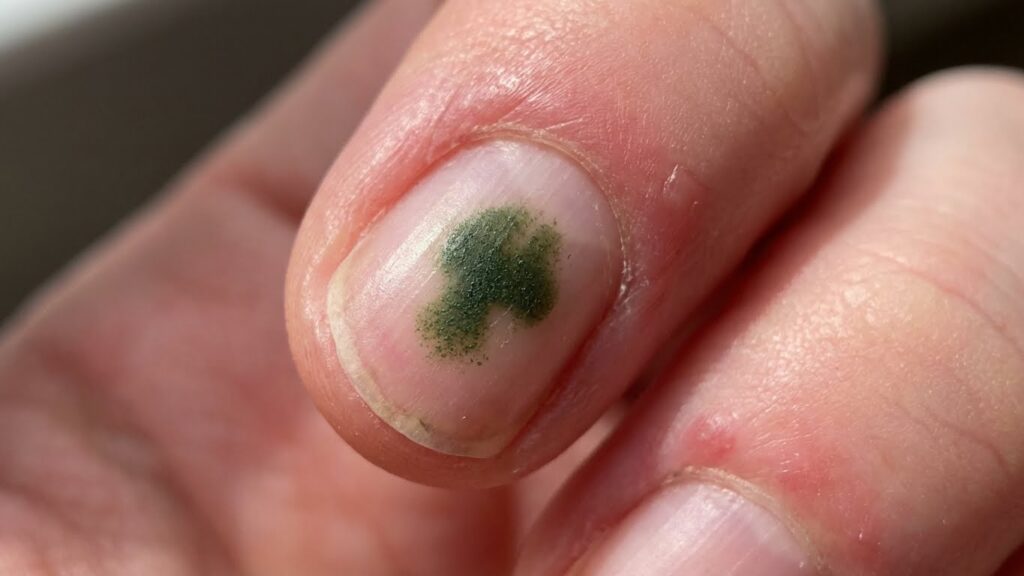
Pseudomonas aeruginosa is the most common cause of a green nail after fake nails. This bacterium grows well in damp, low-oxygen pockets created when an artificial nail lifts or isn’t sealed. The green color comes from pigments the bacteria produce, not from your nail itself.
You might notice the green stain mostly on the underside or along the edge where the fake nail separated from the natural nail. Often there is no pain at first, though the area can feel tender if the infection worsens. Clean the area gently, avoid sealing the nail, and see a healthcare provider if the stain spreads, if you have pain, or if you have a weakened immune system.
Fungal Contamination
Fungi can also change nail color, though they more often cause yellow, brown, or white thickening. Some fungal species may mix with bacteria, creating a greenish tint. Fungal infections usually develop slowly and can thicken or crumble the nail over time.
Look for texture changes like lifting, brittleness, or crumbly edges in addition to discoloration. Treatment differs from bacterial infections and can require topical or oral antifungal medication. A provider can examine a sample to tell whether fungus, bacteria, or both are present.
Moisture Trapped Under Fake Nails
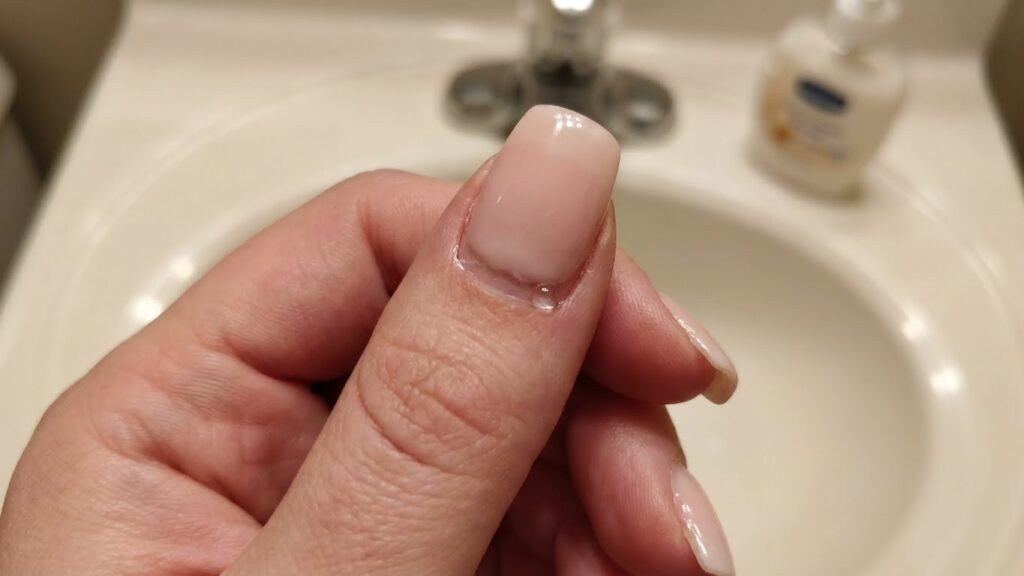
Water and sweat trapped between your natural nail and a fake nail create the perfect place for microbes to grow. Everyday activities like hand washing or showering let water sneak in under loosely applied press-ons or lifting acrylics. Repeated moisture keeps the space damp and low in air, which encourages bacterial or fungal growth.
Prevent this by keeping nails dry and replacing or removing lifted fake nails quickly. If you reuse old glue or apply nails without proper drying, you raise your risk. Regularly check the edges of artificial nails for gaps and clean the nail bed gently if water gets trapped.
Recognizing Symptoms Associated With Green Nails
You may see color changes, feel different textures, or notice smells and other damage after wearing fake nails. Watch for specific signs so you can treat the problem quickly.
Change in Nail Color
A green or blue-green tint on the nail usually signals a bacterial infection called chloronychia, often from Pseudomonas aeruginosa. The green can appear as a patch under the free edge, a streak along the nail bed, or a full-plate discoloration.
If the green sits under an artificial nail or press-on, it often means moisture was trapped there and bacteria grew.
Look for color variations like dark green, bluish-green, or yellow-green. If you see black or brown mixed with green, get medical advice — that can mean deeper damage or a fungal issue.
If the color fades when you gently clean the nail, it might be surface staining; if it does not, infection is more likely.
Texture and Odor Changes
Infected nails often feel soft, crumbly, or swollen at the edges. Pressing the nail may release a slight discharge or cause soft tissue under the nail to feel spongy.
You might also notice lifting of the nail plate from the nail bed (onycholysis). This creates pockets where moisture and bacteria collect.
A noticeable odor — musty or sour — often comes with bacterial growth. Odor plus green color is a strong sign of infection.
If the nail becomes painful, warm, or tender to touch, seek care sooner rather than later.
Other Signs of Nail Damage
Look for peeling, cracks, or thin, brittle areas on the nail surface after removing fake nails. These changes can let bacteria or fungi enter the nail fold.
Cuticle damage, redness, or small cuts around the nail increase infection risk and slow healing.
Repeated use of glue, improper removal, or tight adhesives can cause chronic separation of the nail from the bed. That separation may show as white or yellow areas beside the green spots.
If you have fever, spreading redness, or swollen lymph nodes, treat it as a serious infection and get medical help.
How Fake Nails Increase the Risk of Nail Infections
Fake nails can trap moisture, damage the natural nail, and create gaps where bacteria and fungi grow. Small mistakes during application or removal raise the chance of infections that cause green discoloration or other nail changes.
Improper Application Techniques
When a technician uses too much glue or a poor-quality adhesive, a thick layer can form between the fake nail and your natural nail. That trapped space holds water and debris. Pseudomonas bacteria and fungi thrive in warm, damp gaps and can multiply quickly.
If the artificial nail is not fitted closely to the nail plate, edges lift and form pockets. Those pockets collect soap, shampoo, and sweat, which feed microbes. Also, repeatedly reglueing a lifted nail without cleaning the area spreads organisms under the nail.
High-speed filing or aggressive buffing during application can thin or heat the nail plate. A thinner plate cracks or peels, letting microbes get under the surface more easily. Ask for gentle techniques and quality adhesive to lower risk.
Poor Nail Preparation
If the nail surface still has oils, lotion, or old polish, adhesives may fail and create spaces for microbes. Proper prep removes surface contaminants and gives the fake nail a secure bond. Skipping this step increases moisture trapping and bacterial growth.
Not disinfecting tools between clients spreads bacteria and fungi from one person to another. Even small amounts of residue on clippers, files, or brushes can transfer pathogens. Insist on visibly clean tools or bring your own to the salon.
Cuticle cutting or pushing too hard damages the protective skin around the nail. That tiny injury becomes an entry point for infection. Keep cuticle work minimal and ensure instruments are sterile before use.
Nail Trauma From Removal
Forceful removal, such as prying or pulling off acrylics, peels layers from your natural nail. Those stripped layers leave thin, weak nails that splinter and split. Cracks and fissures let bacteria and fungi reach deeper nail tissue.
Using acetone for long periods without protecting your skin dries and softens the nail plate. Over-softened nails separate from the nail bed more easily, creating pockets where microbes grow. Soak for the shortest effective time and moisturize afterward.
Trying to remove nails at home with improper tools raises the chance of accidental cuts. Any cut near the nail is a direct route for infection and can lead to green discoloration if Pseudomonas bacteria enter. Visit a trained nail professional for safe removal when possible.
Correct Steps to Address Green Nails
Act quickly to remove any artificial nail material, clean and disinfect the natural nail, and watch for signs that need medical attention. Work gently to avoid more injury and keep the nail dry while it heals.
Removing Fake Nails Safely
Do not pry or pull the fake nail off. That can tear the natural nail and let bacteria go deeper. If the fake nail is still attached, file the top layer to weaken it, then soak the nail in acetone or an acetone-based remover for 10–20 minutes until the material softens.
Use a wooden cuticle stick to gently push off softened material. Stop if you feel pain or see blood. Trim any loose edges with clean nail clippers and avoid aggressive buffing of the natural nail plate.
Clean your tools with alcohol before and after use. If you cannot remove the fake nail without force, go to a salon or clinic for professional removal to prevent more damage or infection.
Cleaning the Natural Nail

Rinse the nail with warm water and mild soap to remove surface debris. Pat dry with a clean towel and avoid rubbing, which can damage the nail bed.
Disinfect the area using 70% isopropyl alcohol or a diluted vinegar solution (about 1 part vinegar to 4 parts water). Apply the solution with a cotton pad and let the nail air dry. Do this once or twice daily for several days.
If the green stain is superficial, gently buff the surface with a soft buffer to remove surface pigment. Avoid heavy buffing that thins the nail. After cleaning, apply a thin layer of antibiotic ointment if there is any break in the skin, and keep the nail covered with a clean bandage until healed.
When to Seek Professional Care
See a healthcare provider if the green color does not improve within 7–10 days of cleaning and hygiene steps. Also seek care sooner if you have increasing pain, swelling, pus, or fever.
A professional can test for Pseudomonas or other infections and prescribe topical or oral antibiotics if needed. They can also remove stubborn debris safely and assess for nail bed damage.
If you have diabetes, a weak immune system, or poor circulation, contact a clinician at the first sign of discoloration. Those conditions raise the risk of a spreading infection and need faster treatment.
Effective Ways to Prevent Green Nails in the Future
Keep your nails clean, dry, and inspected. Use well-fitted products and give your natural nails regular breaks to avoid trapped moisture and bacterial growth.
Proper Hygiene Practices
Wash your hands and nails with soap and water before any nail service. Remove oils and debris using a nail brush and a gentle cleanser so adhesives and sealants stick properly.
Dry your nails completely before applying fake nails. Pat them with a clean towel and use a blow dryer on cool for a few seconds if needed. Moisture trapped under enhancements creates a breeding ground for bacteria.
Check your nails daily for lifting, gaps, or dark spots. If you see separation, remove the fake nail or get professional help right away. Clean and disinfect any tools you use at home after each use.
Choosing High-Quality Nail Products
Pick reputable brands for glue, tips, and gels. Low-quality adhesives often shrink or fail, letting moisture enter the gap between your natural nail and the fake nail.
Look for products labeled non-toxic and hypoallergenic when possible. Avoid glues with unknown ingredients and stay away from products that irritate your skin during application.
Buy proper nail tools too: a good nail file, primer, and an LED/UV lamp if you use gel. Replace single-use items like buffers and cotton after each client or use to prevent cross-contamination.
Allowing Nails to Breathe
Plan regular breaks of at least one to two weeks between sets. Let your natural nails rest without polish or enhancements to dry out any trapped moisture and recover from filing.
When you remove fake nails, do so gently and fully. Avoid peeling or prying—use proper removal solutions and follow instructions to prevent damage that can trap bacteria later.
During wear, avoid prolonged exposure to water. Use gloves for dishes and cleaning. If you shower or swim often, check nails afterward and dry them well to reduce the chance of green nail bacteria like Pseudomonas growing.
Long-Term Impacts of Untreated Green Nail Discoloration
If you leave a green-stained nail untreated, the problem can move beyond color and affect the nail and surrounding skin. Expect risks to both the infection’s persistence and the nail’s structure.
Potential for Chronic Infection
A green nail often comes from Pseudomonas aeruginosa, which loves moist spaces under fake nails. If you do not treat it, the bacteria can persist for weeks to months. That ongoing infection can resist simple home remedies and may need prescription topical or oral antibiotics to clear.
Persistent infection raises the chance of pain, swelling, and spread to nearby skin. People with diabetes, poor circulation, or weakened immunity face higher risk of deeper or recurrent infections. Repeated or prolonged antibiotic use can also change your skin and nail microbiome, making future infections harder to treat.
Risks of Nail Plate Damage
Untreated bacterial growth can weaken the nail plate and the nail bed beneath it. Over time you may notice thickening, crumbling edges, ridging, or partial separation of the nail from the nail bed (onycholysis). A separated nail traps more moisture and debris, which feeds the infection and slows natural regrowth.
In severe or long-standing cases, the nail may deform permanently or detach completely. Repair can take months and sometimes needs professional treatment—nail removal, debridement, or targeted antibiotics—to allow healthy nail regrowth.
Key Takeaways on Managing Green Nails After Fake Nails
Green nail discoloration usually comes from a bacterial infection, often Pseudomonas, that grows in trapped moisture under artificial nails. Treat it promptly to avoid worsening or nail damage.
Start by gently cleaning the nail with soap and water and drying well. You can apply an over-the-counter antiseptic or antibiotic ointment if the area is not painful or swollen.
If you see pain, swelling, pus, or the green does not improve in a week, see a healthcare provider. They can prescribe an antibiotic or advise on safe removal and care.
Avoid covering the affected nail with polish or new fake nails until it heals. Trapping moisture again can prolong the infection and delay recovery.
Prevention helps a lot: keep nails dry, choose reputable salons, and ensure artificial nails fit well. Replace or remove damaged fake nails right away to prevent gaps that trap moisture.
Quick checklist:
- Clean and dry nails daily
- Use antiseptic or antibiotic ointment when appropriate
- Stop using polish or fake nails on the infected nail
- See a clinician for pain, swelling, or stubborn green color
Follow these steps to treat the issue and reduce the chance it returns.
FAQs
What causes the green color under your nail?
Green discoloration most often comes from a bacterial infection, usually Pseudomonas aeruginosa. It grows in moist gaps between the fake nail and your natural nail.
Can you treat it at home?
Yes, mild cases can improve with good hygiene and drying the nail. Remove the false nail, clean the area, and apply an over-the-counter antiseptic. If it doesn’t get better in a week, see a clinician.
Do you need antibiotics?
Not always. Topical antiseptics or antibacterial cleansers often work. Your provider may prescribe oral or topical antibiotics if the infection is severe or spreading.
Is it mold or something else?
This is usually bacteria, not mold. The green tint is a pigment some bacteria produce when they grow under trapped moisture.
How can you prevent green nails next time?
Keep nails dry and clean before applying fake nails. Make sure technicians properly prep and seal your natural nail. Replace or remove artificial nails if you notice lifting, gaps, or long wear.
When should you see a doctor?
See a healthcare professional if you have pain, swelling, pus, or if the green color spreads. For persistent or worsening signs, seek care to avoid nail bed damage.
For more on nail infections and treatment options, check trusted sources like the CDC or a dermatologist’s guidance at the American Academy of Dermatology.
Conclusion
If your nail turns green after wearing fake nails, it usually means bacteria found a moist gap under the enhancement. Treating it early and keeping the area clean lowers the chance of infection getting worse.
Stop wearing artificial nails and avoid nail polish until the green tint clears. Gently clean the nail with soap and water, dry it well, and consider an over-the-counter antiseptic or topical antibiotic if advised.
Watch for pain, swelling, or pus. Seek medical care if symptoms worsen, because a healthcare provider can prescribe stronger treatment or remove debris safely.
To prevent this from happening again, make sure nail techs prep your nails correctly and that any gaps are sealed. Keep nails dry, replace old sets on time, and skip artificial nails if you often expose hands to water or chemicals.
If you want a quick reference:
- What to do now: stop wearing enhancements, clean and dry the nail, monitor symptoms.
- When to see a doctor: increasing pain, spreading redness, or no improvement in a few days.
- How to prevent it: proper prep, good hygiene, limit moisture exposure.
You can protect your natural nails and reduce the risk of green discoloration with simple care and prompt action.

