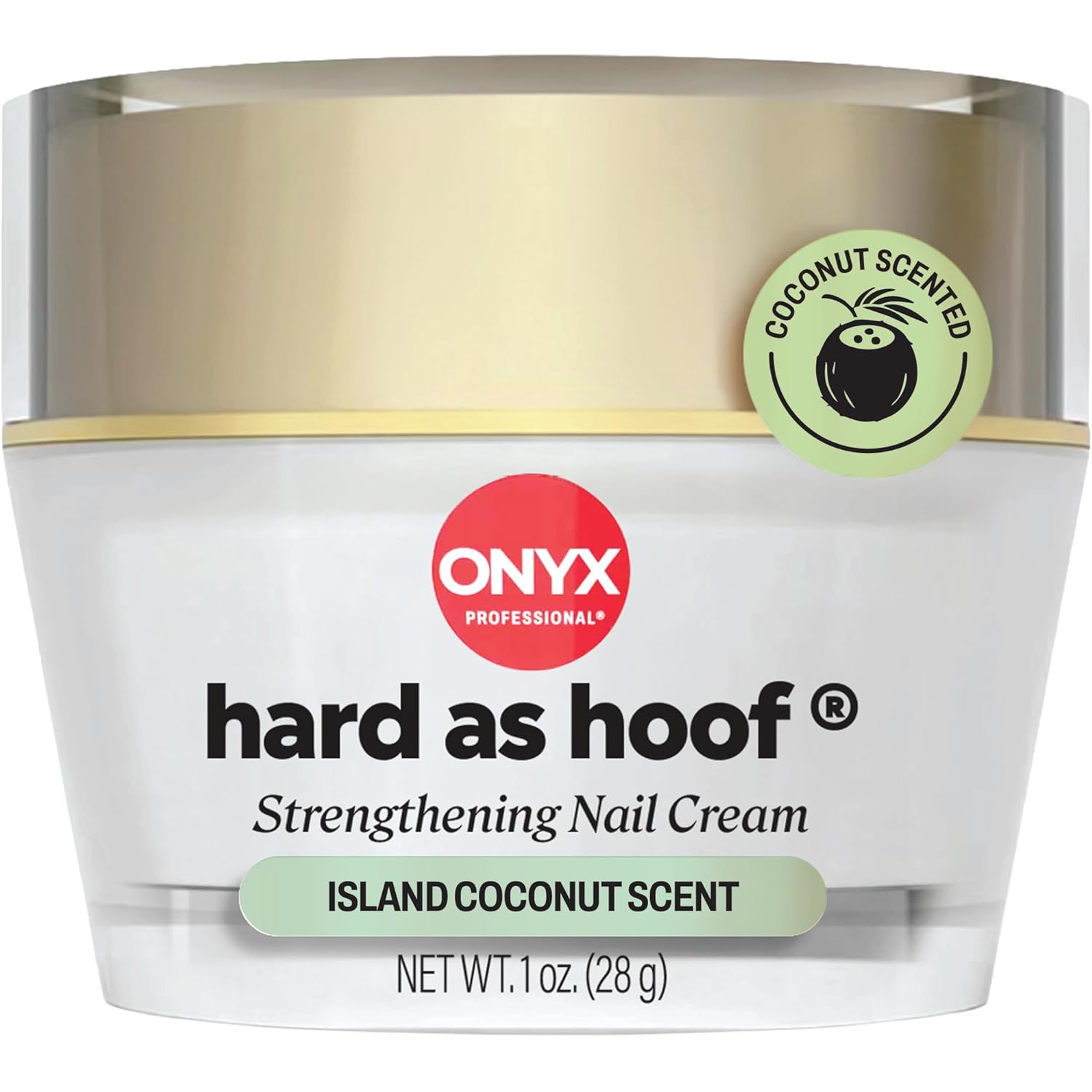
Healthy Fingernail Care Tips for Stronger Nails

Healthy fingernail care works best with gentle filing, regular moisturizing, glove use for chores, and a balanced diet. If you notice pain, lifting, discoloration, or signs of infection, get professional help instead of trying to fix it at home.
Healthy fingernail care is less about one miracle product and more about steady habits that protect the nail plate, the skin around it, and the new growth underneath. If your nails peel, split, or feel weak, the good news is that small changes often make a noticeable difference over time.
- Moisture first: Cream and cuticle oil help reduce dryness and peeling.
- File gently: Use one direction and avoid aggressive buffing.
- Protect daily: Wear gloves for cleaning and wet chores.
- Support growth: Protein, iron, zinc, and hydration matter.
- Know limits: Pain, lifting, or discoloration needs expert care.
Healthy Fingernail Care in 2026: What Strong, Resilient Nails Really Need
Strong nails usually come from a mix of moisture balance, gentle handling, good nutrition, and realistic product choices. NailPrime readers often want simple guidance they can follow at home without turning nail care into a full-time routine.
Why healthy fingernail care matters for appearance, comfort, and nail growth
Well-cared-for nails tend to look smoother, feel more comfortable, and break less often during everyday tasks. Healthy fingernail care also supports length retention, which matters if you want natural nails to grow out without constant chips and snags.
It is also easier to keep a manicure looking neat when the nails underneath are in better condition. Even a simple polish or clear treatment tends to sit better on a nail that is not peeling or frayed.
What readers searching this topic usually want to fix: peeling, brittleness, ridges, and breakage
Most people searching for nail care are trying to solve a specific issue, such as soft tips, layers that peel at the edge, or nails that split after a few days. Ridges can also make nails look uneven, while breakage can make it feel impossible to grow them longer.
In many cases, the first step is not buying more products. It is reducing the daily stress on the nail and improving hydration, filing technique, and protection during chores.
Daily Healthy Fingernail Care Habits That Make the Biggest Difference
Daily habits matter because nails are exposed to water, soap, friction, and cleaning products all the time. A few small changes can help protect the surface and reduce the cycle of drying, cracking, and splitting.
Proper washing, drying, and moisturizing after handwashing
Wash hands with a gentle cleanser when possible, then dry thoroughly, especially around the fingertips and under the free edge. Leaving nails damp for long periods can make them more prone to softening and bending.
After drying, apply moisturizer right away. This is one of the easiest ways to support healthy fingernail care because it helps reduce the dryness that often leads to peeling.
Keep a hand cream near every sink and another in your bag or desk drawer so moisturizing becomes automatic.
How to apply hand cream, cuticle oil, and nail balm for better results
Hand cream helps the skin around the nails, while cuticle oil and nail balm can add targeted moisture to the nail plate and surrounding area. For best results, apply oil to the cuticle area and the nail surface, then seal it in with cream if needed.
If your nails are very dry, use oil more than once a day. The goal is consistency, not a thick layer that gets wiped off immediately.
Dry hands fully, then apply hand cream to the backs of hands, fingers, and nail area.
Massage cuticle oil into each nail and follow with a richer balm or cream.
Reapply after hand sanitizer, cleaning, or long exposure to water.
Simple real-life examples: office workers, parents, gym-goers, and frequent hand washers
Office workers may notice dry nails from constant typing, handwashing, and air conditioning, so a desk-side cream can help. Parents often need quick routines that fit around dishes, wipes, and baths, which makes glove use and fast moisturizing especially useful.
Gym-goers may wash hands often and use chalk or equipment that roughens the nail edge. Frequent hand washers, including healthcare and food-service workers, usually need more protection than the average person because repeated water exposure can dry nails faster.
Best Nail-Shaping and Filing Techniques for Stronger Nails
Shape matters because the wrong edge can catch, split, or thin the nail over time. A gentle shaping routine is one of the most overlooked parts of healthy fingernail care.
Choosing the right nail shape for natural nail strength
Short rounded or soft squoval shapes often work well for people whose nails break easily, because they reduce sharp corners that snag. Slightly longer oval shapes can also look elegant while keeping stress off the sides.
If your nails are naturally weak, extreme pointed or very long shapes may be harder to maintain. A shape that matches your daily life is usually better than one that looks dramatic for only a few days.
Best for short nails and frequent hand use; helps reduce snags.
Good for most natural nails; balanced look with practical strength.
Helpful for narrow-looking nails and a softer, lengthening effect.
Works best when the sidewalls are strong and the edge is kept smooth.
How to file without causing splits, fraying, or thinning
Use a fine or medium-grit file and move in one direction with controlled pressure. Filing back and forth aggressively can fray the edge and make weak nails worse.
It helps to file when nails are dry, then smooth only the rough edge rather than reshaping too much. If you already have peeling, keep the file minimal so you do not remove more layers than necessary.
Common filing mistakes that weaken fingernails over time
One common mistake is filing too short, too often, which can expose the tip to more impact and breakage. Another is using a rough file on already thin nails, especially if the edge is peeling.
Buffing too hard can also make nails look temporarily smooth while gradually thinning the surface. If your goal is strength, gentle shaping usually works better than constant sanding.
Foods, Hydration, and Supplements That Support Nail Health
Nails are made of keratin, so they need enough building blocks to grow well. Diet cannot fix every nail problem, but it can support healthier growth from the inside out.
Key nutrients tied to nail strength: protein, iron, zinc, biotin, and omega-3s
Protein matters because nails are built from protein structures. Iron and zinc are also commonly discussed in nail health because low intake can affect appearance and growth in some people.
Biotin and omega-3s are often included in nail-friendly routines, but they are not instant solutions. The best approach is a balanced diet first, then supplements only when they make sense for your situation.
Nails usually change slowly, so improvements from diet or routine changes may take weeks or months to show up clearly.
What a nail-friendly daily diet can look like in practice
A nail-friendly day might include eggs, yogurt, beans, fish, leafy greens, nuts, fruit, and whole grains. The exact menu can vary, but the idea is to include enough protein plus a mix of minerals and healthy fats.
Hydration matters too, especially if your hands and nails are exposed to dry indoor air. Drinking water will not magically cure brittle nails, but it supports overall skin and nail condition.
When supplements may help and when they are not a quick fix
Supplements may help if your diet is lacking or a healthcare professional has identified a deficiency. They are less useful if the real problem is over-washing, harsh removal, or constant picking at the nail edge.
It is also smart to check labels and avoid assuming more is better. If you have health conditions, take medications, or notice unusual nail changes, ask a healthcare professional before starting a new supplement.
Everyday Habits That Damage Fingernails Without People Realizing It
Many nail problems come from repeated small stressors rather than one big mistake. The tricky part is that these habits often feel harmless until the nails start peeling or breaking.
Overuse of gel polish, acrylics, and harsh removers
Gel polish and acrylics can look polished and last well, but frequent use may leave nails feeling dry or thin depending on removal method and how often they are applied. Harsh removers can also strip moisture if used too often.
If you enjoy long-wear manicures, build in recovery time between sets when possible. For readers comparing options, gel nails explained is a helpful place to start if you want to understand the tradeoffs before committing.
If your nails sting, lift, peel severely, or react badly after a product service, stop using the product and consider professional advice. Reactions can vary by product, technique, and individual sensitivity.
Picking, biting, buffing too hard, and skipping gloves during chores
Picking at polish or peeling off enhancements can remove layers of the natural nail. Biting adds trauma to the nail edge and surrounding skin, while heavy buffing can thin the plate over time.
Skipping gloves during dishwashing, bathroom cleaning, or yard work also exposes nails to water and chemicals that can weaken them. For readers who want to understand breakage patterns, why nails break easily is a useful companion read.
How to compare low-maintenance nail routines vs. high-maintenance salon habits
A low-maintenance routine usually means short nails, simple shaping, regular moisture, and occasional polish or clear strength support. It is often easier to stick with and gentler on weak nails.
High-maintenance salon habits may include frequent fills, long extensions, repeated color changes, and stronger removal steps. These can be fine for some people, but they tend to require more care, more time, and more attention to nail condition.
| Option | Best For | Note |
|---|---|---|
| Low-maintenance routine | Weak or peeling nails | Usually easier to sustain at home |
| Salon enhancements | People who want length or design | Results vary by product, prep, and removal |
| Natural nail recovery | Damaged or overworked nails | Often benefits from fewer chemicals and less filing |
When Healthy Fingernail Care Needs a Nail Tech or Medical Help
Most nail issues can start with better at-home care, but some signs should not be ignored. Pain, color changes, lifting, or infection symptoms need a more careful look.
Warning signs of fungal infection, nail lifting, deep splitting, pain, or discoloration
Watch for thickening, yellow or green discoloration, persistent lifting from the nail bed, deep cracks, swelling, or pain. These signs can point to infection, trauma, or another issue that needs evaluation.
If you notice green discoloration after fake nails or extensions, do not cover it up with more product. Learn more about green nails after fake nails so you know when to take it seriously.
Contact a licensed nail technician, dermatologist, or healthcare professional if you have pain, swelling, bleeding, nail lifting, suspected fungus, or a product reaction that does not settle quickly.
When a nail technician can help with safe shaping and product advice
A licensed nail technician can often help with safe filing, better product choices, and a manicure plan that fits your nail condition. They can also tell you when a style is not a good match for fragile nails.
If you are unsure how to ask, try saying that you want the gentlest possible shaping and would like advice on maintaining natural nail strength. A good technician should be able to explain options clearly.
When to stop at-home care and seek professional or medical evaluation
Stop at-home care if the nail area is painful, swollen, bleeding, infected, or reacting badly to a product. This is especially important if symptoms are getting worse instead of better.
Avoid salon services if the nail area is bleeding, swollen, painful, infected, or reacting badly to a product.
If you suspect fungus or another ongoing nail disorder, a dermatologist or healthcare professional is the right next step. At-home changes can help support the nail, but they should not replace proper evaluation when symptoms are persistent.
Affordable Healthy Fingernail Care Routine: Time, Cost, and Product Priorities
Healthy fingernail care does not have to be expensive. A simple routine with a few reliable basics is often more useful than a drawer full of treatments you rarely use.
Budget-friendly essentials versus premium treatments
Budget-friendly essentials usually include a good file, hand cream, cuticle oil, and gloves for chores. Premium treatments may offer a nicer texture or packaging, but they are not always necessary for better nail health.
If you want to choose one product to start with, oil is often a practical first pick for dry nails. You can always add other products later if your routine needs them.
How much time a simple weekly routine usually takes
A basic weekly routine may take only a few minutes to file, check for rough edges, and apply moisturizing products. Daily hand cream and oil use can be done quickly and folded into normal habits.
The most time-consuming part is usually waiting for nails to grow out after damage. That is why consistent care matters more than occasional intensive treatment.
What is worth spending on first: oil, file, remover, gloves, or treatment base coat
For most readers, the best first investments are a gentle file, a reliable cuticle oil, and gloves for wet or chemical chores. A remover that is appropriate for your polish type can also help if you wear color often.
A treatment base coat may be useful if you want a little extra protection, but it works best as part of a broader routine. If you use removal products often, it is also worth understanding what remover can and cannot do so you avoid damaging your nails by forcing a product off too quickly.
Final Recap: The Most Effective Healthy Fingernail Care Tips for Stronger Nails
Healthy fingernail care works best when you protect the nail from daily stress, keep it moisturized, file it gently, and support it with a balanced diet. If you also avoid harsh picking, over-buffing, and unnecessary product overload, your nails have a better chance to stay smoother and stronger.
Quick summary of the most important habits to keep nails smoother, stronger, and less prone to breakage
Dry hands well after washing, moisturize often, file in one direction, and keep nails at a practical length. Use gloves for cleaning, be cautious with gel or acrylic overuse, and watch for signs that a nail needs more than home care.
Closing reminder on consistency, patience, and knowing when to get expert help
Nails grow slowly, so progress usually shows up over time rather than overnight. If you notice pain, discoloration, swelling, or repeated breakage that does not improve, reach out to a licensed nail technician, dermatologist, or healthcare professional for guidance.
Frequently Asked Questions
Moisturize after handwashing and again at night if your nails feel dry. If your hands are washed often, reapply during the day as needed.
Short round or squoval shapes are often easier to maintain because they reduce sharp corners and snags. The best shape depends on your nail length, lifestyle, and how quickly your nails break.
It can if it is applied or removed too aggressively, or if nails do not get enough recovery time. Results vary by product, technique, and how often you wear it.
Stop using products on the nail and avoid covering the area with more polish or enhancements. Contact a licensed nail technician, dermatologist, or healthcare professional if the problem persists or looks infected.
Tell the technician you want minimal filing, gentle shaping, and the least harsh removal possible. You can also mention if your nails are peeling, thin, or sensitive so they can adjust the service.
Check the ingredient list, intended use, and whether the product is meant for natural nails or enhancements. If you have sensitive skin or a history of reactions, patch testing and professional advice may help.