
10 Best Finger Nail Files: Expert Picks for Smooth, Long-Lasting Manicures

Filing and shaping nails keeps them neat, prevents snags, and helps polish last longer. Nail files come in many forms — emery boards, glass/ceramic files, metal files, and electric buffers — each suited to different nail types and goals. We’ll look at why one kind might work better than another depending on whether you have natural nails, acrylics, or gels.
The key things to check when buying a nail file are grit, durability, and how gentle it is on your nail edges. Grit determines how quickly a file shapes nails and whether it smooths or chips nail layers; lower grit removes more material, while higher grit finishes gently. We tested a range of files to find the ones that shape efficiently without splitting or over-thinning nails, and that stand up to regular use.
Best Finger Nail Files
Below is our full list of the best finger nail files. We tested options for durability, ease of use, and finish to help you find the right file for your routine. Our picks cover budgets and nail types so you can choose what fits your needs.
Cliganic 12-Pack Nail Files
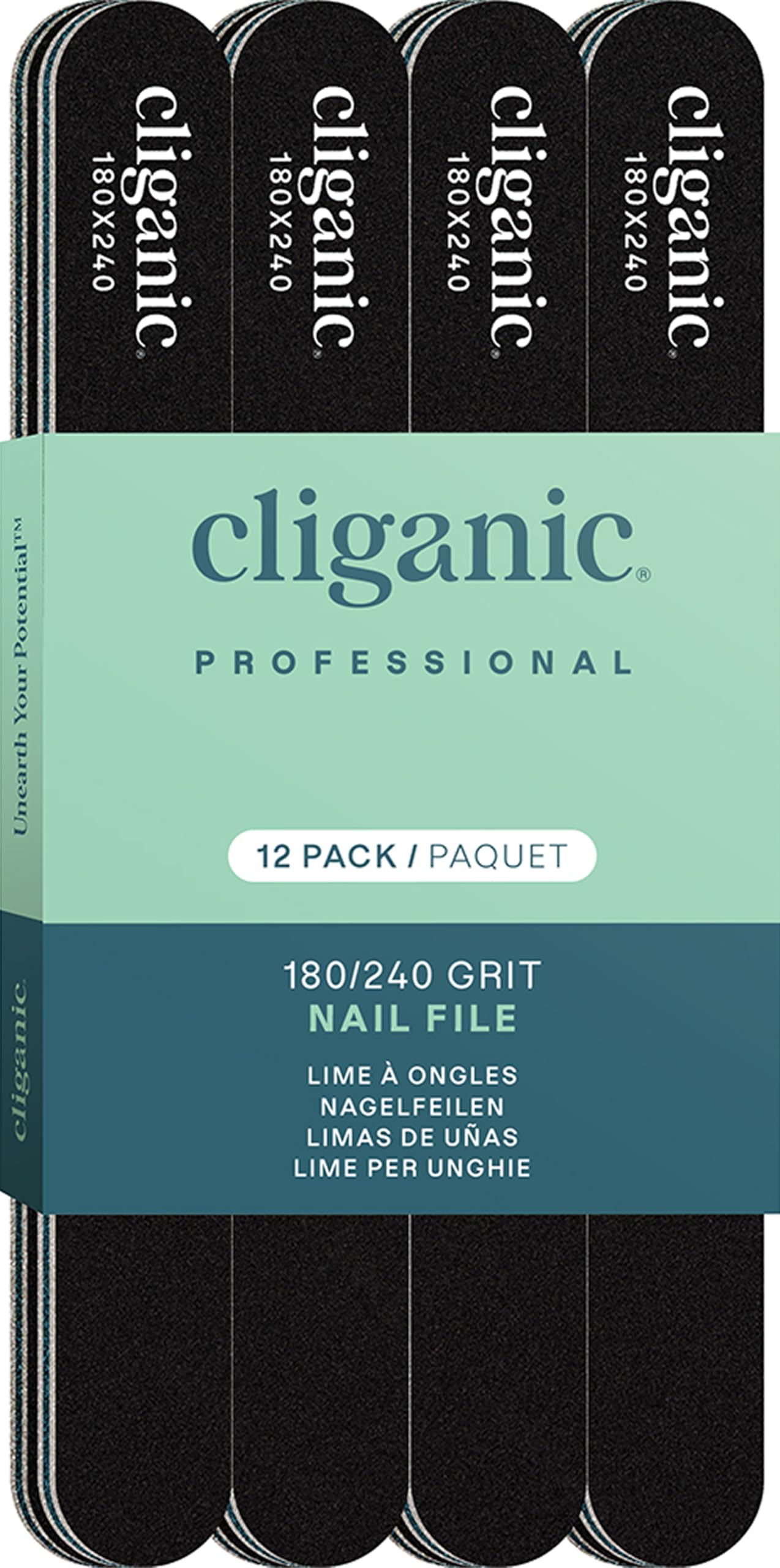
We recommend this set when you want sturdy, everyday emery boards that handle natural and fake nails without fuss.
Pros
- Durable double-sided grit for shaping and finishing.
- Large 12-pack gives good value and spares.
- Washable surface cleans easily after use.
Cons
- Not as gentle as very fine salon files on thin nails.
- Emery can wear down faster with heavy use.
- Single straight shape limits creative filing styles.
We used these files on both natural nails and acrylic tips. The 180 side shaped thicker gel cleanly, while the 240 side smoothed edges without biting into the nail. They feel rigid in hand and don’t bend when filing, which made quick work of lengthing and shaping.
Cleaning was simple—soap and water removed dust without harming the grit. After several uses the edges stayed mostly intact, though the coarser side showed slight wear faster than we expected.
The pack size is the best part for anyone who likes backups or travels. They’re not a salon ceramic or glass file, but for price and convenience they perform reliably for weekly maintenance.
Bona Fide Glass Nail File
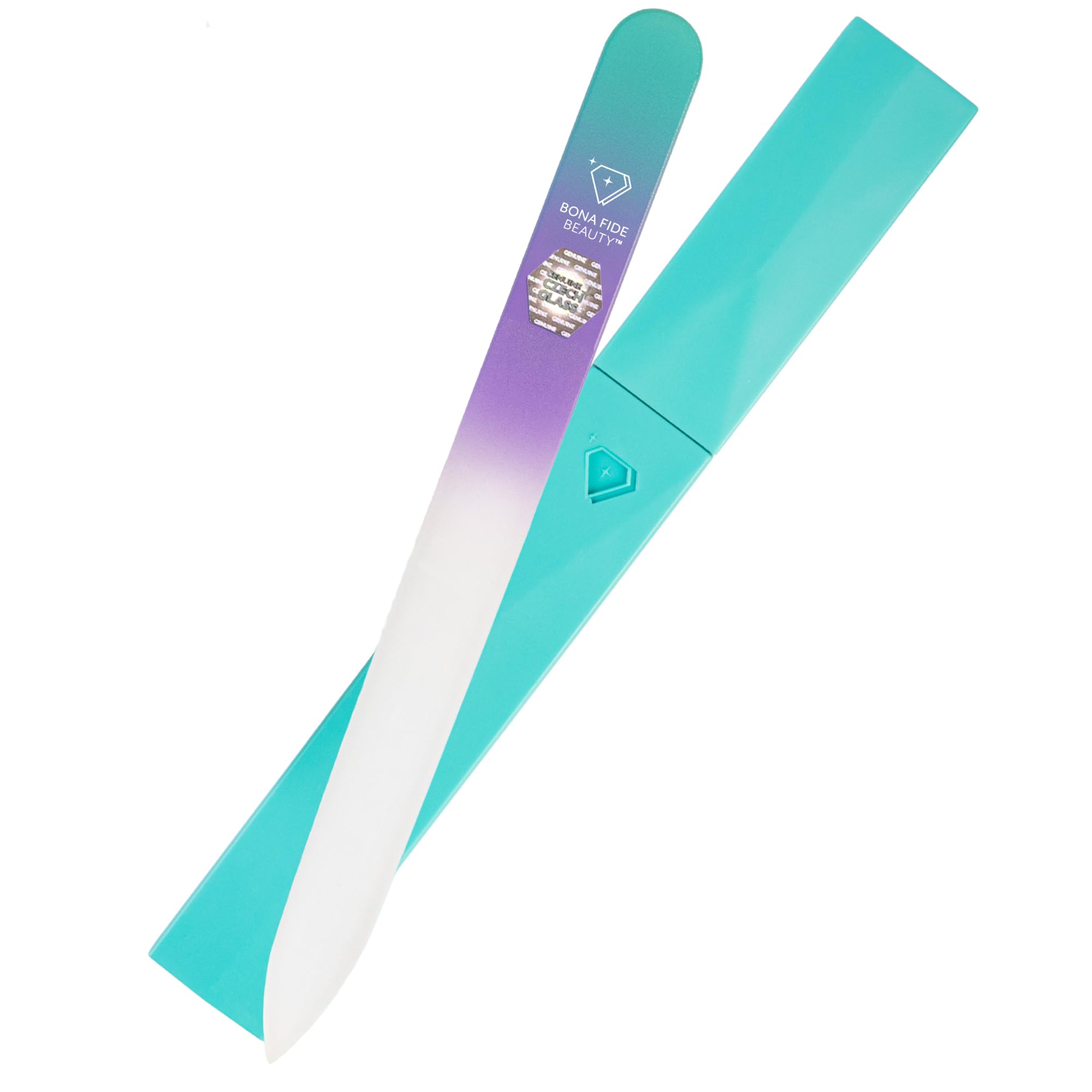
We recommend this glass file if you want a long-lasting, gentle tool that smooths natural nails without shredding.
Pros
- Feels smooth and precise on the nail edge
- Lasts a long time and cleans easily
- Comes with a hard case for travel
Cons
- Fragile if dropped on hard surfaces
- Feels slower than a coarse metal file for thick nails
- Higher upfront cost than disposable emery boards
We used this pastel green-violet glass file for several weeks and liked how clean the edges looked after filing. It seals the nail tip so chips happen less often. Filing both directions felt natural and gentle on thin nails.
Handling the file felt comfortable and steady in our hand. The grit is fine, so shaping takes a few more strokes than a rough file, but the finish is much smoother. The included hard case kept it safe in our bag, though we still treated it carefully to avoid cracks.
Cleaning was simple — rinse and dry, and it looked nearly new. For anyone who wants a reusable, salon-style tool that protects natural nails, this glass file is a reliable pick.
MR.GREEN Stainless Steel Nail File
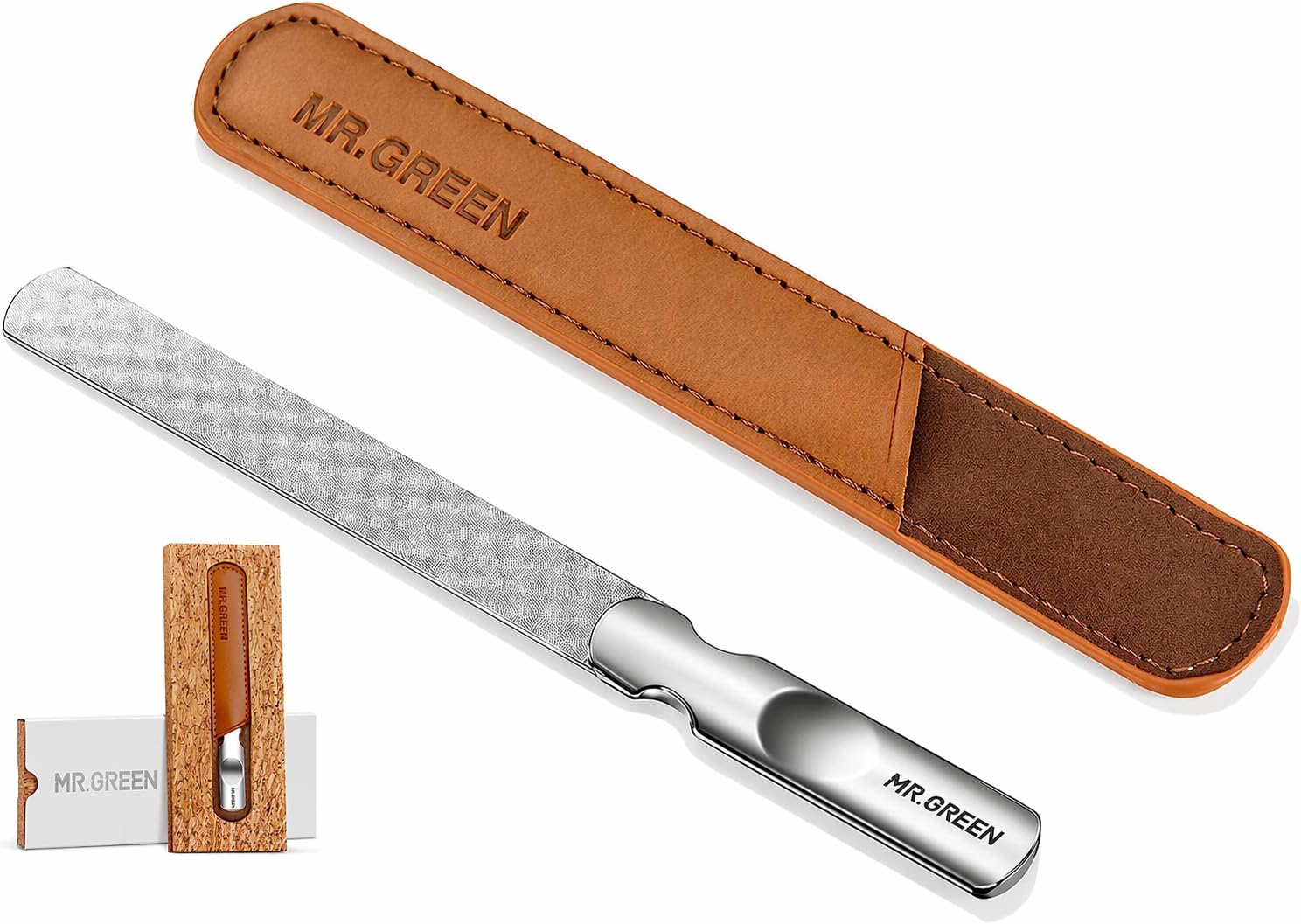
We recommend this file if you want a durable, travel-ready metal file that gives a smooth finish without fuss.
Pros
- Feels sturdy and holds shape over many uses
- Double-sided grit lets us shape and smooth with one tool
- Leather case keeps it clean in a purse or kit
Cons
- Metal grit is finer than some prefer for thick nails
- Handle can be slippery when wet despite anti-slip claims
- Size is compact but may feel small for those used to larger files
We used this file for a few weeks on both natural and thinner acrylic nails. It moves through shaping quickly and leaves a tidy edge without shredding. The two textures are handy; we shape with the rough side then polish with the fine side.
The stainless steel body makes cleaning easy — a quick rinse and it looks new. The leather sleeve protects the file and stops it from banging other tools in our bag. It’s light enough to carry every day.
For anyone who likes a long-lasting tool, this feels like an upgrade from disposable emery boards. Just note it’s a fine grit, so if your nails are very thick you may need something coarser first.
HomeyEra 100/180 Square Nail Files (12 Pack)

We recommend this pack if you want durable, salon-style emery boards for home use at a low price.
Pros
- Feels sturdy and lasts through many uses.
- Dual 100/180 grit works for both thick and natural nails.
- Large square shape gives better control.
Cons
- Grit can wear faster with heavy acrylic use.
- Not cushioned like foam buffers for very fragile nails.
- All gray—hard to tell files apart at a glance.
We used these files across natural nails and acrylic tips. The coarse side tackled stubborn edges fast, and the finer side smoothed ridges without removing too much length. The 7.1-inch length gave us plenty of reach and control when shaping toenails.
The texture felt firm under our hands. Washing them after a session cleaned them well enough to reuse, though heavy acrylic filing dulled the grit sooner than expected. For pet nails, they worked in a pinch but not as neatly as a dedicated pet file.
Overall, this 12-pack gives reliable performance for DIY manicures and salon practice drills. It’s a solid value if you want lots of usable boards that handle most home nail tasks.
HeeYaa 10-Pack Black Emery Boards
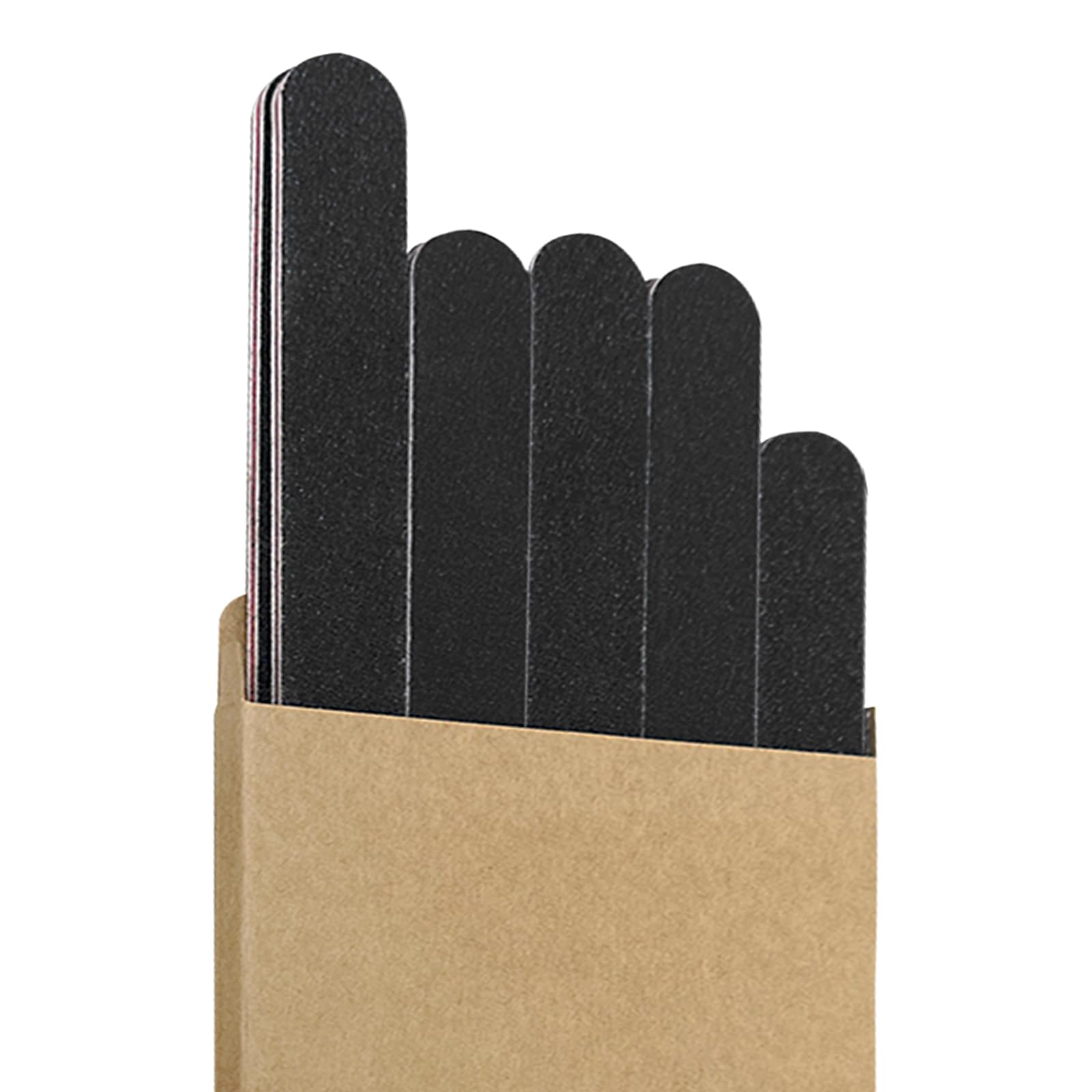
We recommend this set if you want sturdy, reusable emery boards in bulk for home or salon use.
Pros
- Durable red PP core resists bending and breaking.
- Double-sided 100/180 grit covers shaping and smoothing.
- Comes neatly packaged in a gift-ready kraft box.
Cons
- Coarser 100 grit can feel rough on thin nails.
- Black surface hides nail dust, so cleaning needs more care.
- Not shaped for detailed nail art or tight corners.
We liked how solid these files felt the first time we used them. The PP core gives weight and keeps the board from snapping when we press down.
Shaping with the 100 grit was fast, and the 180 grit left edges smooth without over-thinning the nail. The rounded tip made it easier to follow natural nail curves.
The kraft box keeps the set neat and travel-ready. We wiped one under running water and it held up, which saved us time compared with disposable files.
AhaTopia Nail File & Buffer Kit

We recommend this kit if you want an affordable, travel-ready set that buffs and shapes both natural and acrylic nails.
Pros
- Good value with multiple files and buffers.
- Four-sided block gives quick shine.
- Lightweight and easy to carry.
Cons
- Emery boards wear faster with heavy use.
- Buffer polish can dull after repeated uses.
- Not as sturdy as salon-grade metal tools.
We used the set for several at-home manicures and liked how complete it felt right out of the package. The emery boards cut through length fast, and the block made a quick shine after one or two passes.
The four-sided buffer worked exactly as described — shaping, smoothing, buffing, then polishing. It gave a natural gloss that lasted a few days on our nails, though it did need a touch-up after a week.
Handling felt simple and familiar. The light foam block was gentle on natural nails, but we noticed heavy filing on acrylics wore the emery boards sooner than expected. Overall, this kit is a solid pick for home use or travel when you want quick, neat results without the salon price.
Teenitor Nail File Set

We recommend this set if you want a full at-home nail routine with files, buffers, and shine tools that last.
Pros
- Lots of grit options for shaping, smoothing, and shining.
- Feels sturdy and cleans easily after use.
- Good value for a complete multi-step kit.
Cons
- Grit can wear faster with heavy acrylic use.
- Coarse side is aggressive for thin natural nails.
- Rhombus shape may feel bulky for small nail beds.
We used the Teenitor set across a few sessions and liked how it covered every step: shaping, smoothing, and polishing. The 150/180/240 files cut and shape quickly, and the buffer blocks smoothed ridges without digging in.
The 1000/4000 grit shine side gave a real glossy finish in seconds. It held up for a week on our nails before needing a touch-up.
Cleaning was easy — a rinse and mild soap removed dust. For heavy acrylics, expect the coarse grits to dull sooner, but for natural and gel nails this kit performs well at a budget price.
Revlon Emeryl File
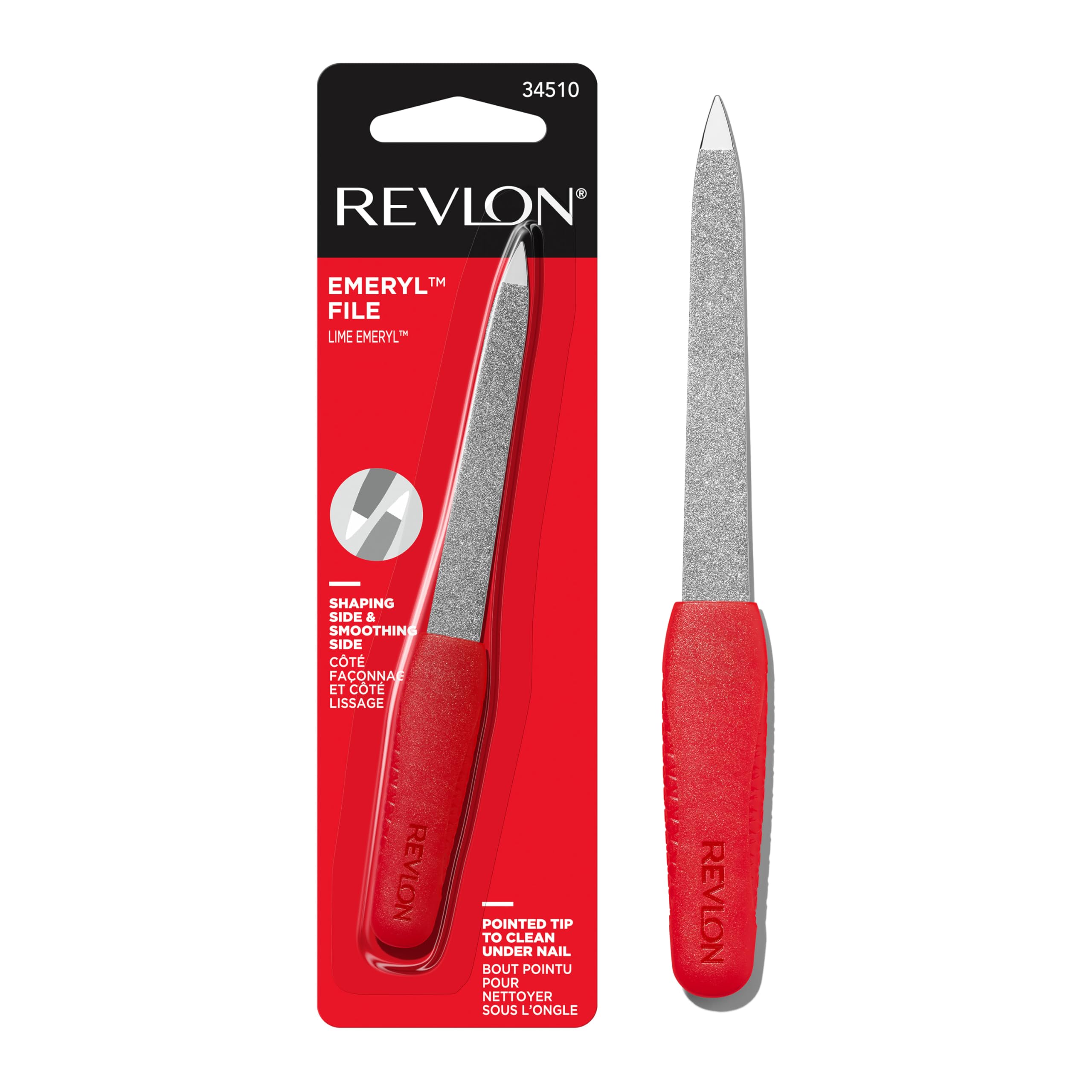
We recommend this for quick, sturdy at-home nail shaping because it feels precise and cleans up easily.
Pros
- Feels solid and easy to hold
- Two-sided—shapes and smooths in one tool
- Pointed tip cleans under nails well
Cons
- Metal can feel harsh on very thin nails
- Grit is fine, so slow on very thick nails
- Not cushioned like foam or emery boards
We used this file for a few weekly manicures and liked how steady it felt in hand. The easy-grip handle kept control when we worked nails at odd angles. That made shaping quicker and less fussy.
The two sides did what they promised: one edge took down length, the other smoothed edges. The pointed tip surprised us by getting under the nail to clear debris without digging in.
Cleaning was simple—metal and plastic wiped down fast. If you have very soft nails, go gentle; the metal grit can remove too much if you press too hard. Overall, it’s a practical, durable file for regular use.
Makartt Zebra Nail Files (100/180) — 10 Pack
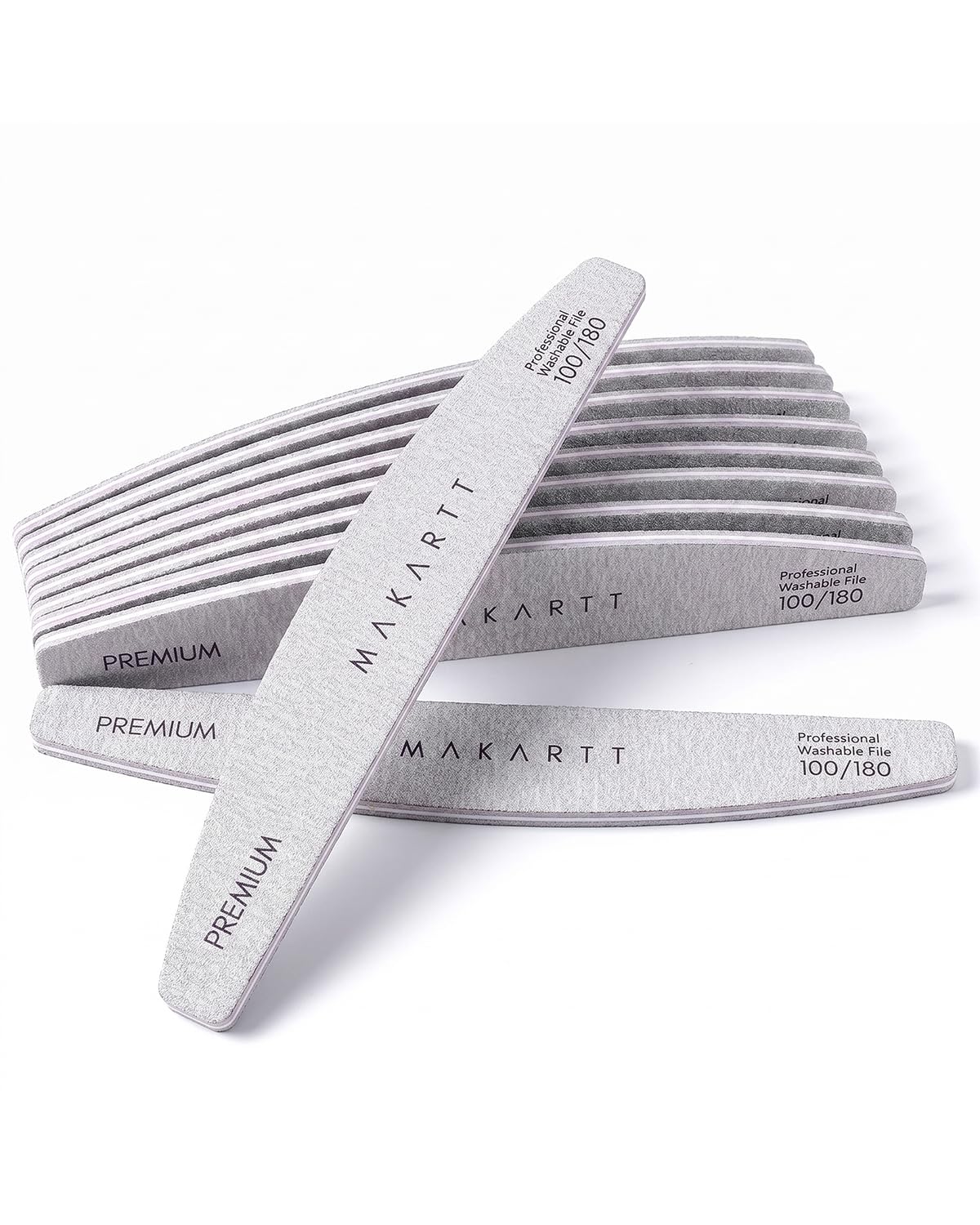
We recommend this set if you want a simple, durable emery board that handles acrylic, gel, and thick nails well.
Pros
- Fast shaping with coarse side; smoother finish with fine side
- Pre-buffed edges feel gentler on cuticles
- Reusable and holds up without bending
Cons
- Grit wears down after heavy use
- Not as gentle as a soft buffer for natural nails
- Ten-pack may be more than casual users need
We used these files on both acrylic tips and our natural toenails. The 100 side removed length quickly, then the 180 side tidied up rough edges to a neat, salon-style curve.
The half-moon shape follows the nail line easily. Filing around corners felt controlled and less likely to hit the cuticle, thanks to the pre-buffed edge.
They stayed flat and sturdy through multiple uses and cleaned easily, which made them handy for travel or a small salon kit. For very soft natural nails, we reached for a finer buffer afterward.
3 Swords Sapphire Nail File Set (5+1)

We recommend this set if you want long-lasting metal files that shape nails precisely and feel sturdy in hand.
Pros
- Durable sapphire coating that sands evenly.
- Two grits for shaping and finishing in one file.
- Comfortable grip and handy buffer included.
Cons
- Metal files can feel stiff on very thin nails.
- Slight learning curve to avoid over-filing.
- Buffer wears faster than the files.
We used the set for several weeks and liked how quickly the coarse side shaped length while the fine side smoothed the edge. The files cut cleanly without the tearing you get from cheap emery boards.
Handling felt secure thanks to the ergonomic grip and the small pusher was useful for tidying cuticles. The buffer added shine, though it dulled faster than the metal pieces.
If you prefer strong, reusable tools, this feels like a professional upgrade. Take it slow on fragile nails until you get a feel for the pressure.
Buying Guide
We look for files that match our nail type and routine. Consider grit, shape, material, and durability when choosing.
We prefer finer grits (240+) for natural nails and coarser grits (100–180) for acrylics or thick nails. Choose a file with at least two grit levels to cover shaping and smoothing.
We check shape and size for control and reach. Straight or slightly curved files work for most nails. Pointed or narrow files help with small or detailed areas.
We weigh material and finish. Emery boards are inexpensive but wear fast. Glass, metal, and ceramic files last longer and can be cleaned and sanitized.
We value ease of cleaning and hygiene. Files that are washable or non-porous reduce bacteria buildup. Replace disposable files after they fray or bend.
We examine handle and grip for comfort during use. A secure grip prevents slipping and gives better control. Lightweight files reduce hand fatigue for frequent use.
We consider safety and nail health. Avoid aggressive sawing; file in one direction. Look for rounded edges and smooth finishes to prevent splitting.
We compare value by checking lifespan and versatility. A slightly pricier file that lasts longer can cost less over time. Prioritize features that suit our daily habits and nail type.
Editor’s Choice
We chose a file that balances durability, ease of use, and gentle results. It works well for natural and artificial nails without shredding or splitting.
The handle feels secure in our hand, so filing stays steady and safe. The grit options cover shaping, smoothing, and finishing — one tool does several jobs.
We like that the surface lasts through many uses. It cleans easily and resists wear, which saves money over time.
Key features:
- Durable core for long life
- Multiple grit sides for shaping to polishing
- Comfort grip to reduce slipping
We tested on short and medium nails and found consistent edges with minimal roughness. The file removed small snags quickly and left a smooth edge that needed little buffing.
We recommend keeping one in a nail kit and one in a travel bag. Replace it when the surface shows obvious wear or loses effectiveness.
Conclusion
We chose files that balance durability, gentleness, and ease of use to meet different needs. Our picks include glass, emery, and metal options so you can match a file to your nail type and routine.
We recommend starting with a medium grit for shaping and finishing with a fine grit to smooth edges. Regular, gentle filing keeps nails strong and reduces splits.
We value hygiene, so choose files that are easy to clean or replace. Replace disposable files often; sanitize reusable ones after each use.
We keep versatility in mind. A travel-friendly file, a sturdy salon-grade option, and a gentle glass file cover most needs without extra cost.
We encourage testing one new file at a time to see how your nails respond. Small changes in technique and tool choice make the biggest difference for healthy nails.
FAQS
What grit should we use for natural nails?
We recommend 180–240 grit for natural nails. This range files gently and reduces splitting.
Can we use an electric nail file at home?
Yes, but choose low speed and a fine bit. Practice on one nail first to avoid over-filing.
How often should we replace a nail file?
Replace emery or buffer files every 3–6 months with regular use. Replace sooner if the surface gets clogged or worn.
Are glass files better than emery boards?
Glass files last longer and are gentler on nails. Emery boards are cheap and disposable.
How do we sanitize metal and glass files?
Wash with warm soapy water, rinse, then wipe with alcohol. Let dry fully before storing.
Can filing direction affect nail strength?
Yes. We file from the outer edge toward the center in one direction. Back-and-forth sawing can cause splits.
Which file shape suits each nail?
Use a square or rounded file for short nails, and a tapered file for longer or almond shapes. Match the file shape to the look we want.
Do we need different files for gel or acrylic?
Yes. Use coarser grits and stronger tools for gel and acrylic removal. Leave heavy work to professionals when unsure.
Quick tips:
- File dry nails only.
- Use light pressure and short strokes.
- Keep files clean and stored dry.

