
10 Best Material for Nail Files: Expert Guide to Choosing Durable, Gentle Options

Nail files are simple tools that shape, smooth, and refine nails. They come in many materials—emery, glass, metal, ceramic, and cushioned boards—each offering a different feel, durability, and effect on nail health. We use files every time we trim or refine our nails, so choosing the right material can save time and prevent chipping or splitting.
The key factors to watch when buying a nail file are the material’s grit, durability, and gentleness on natural nails versus enhancements. Choose a material that matches your nail type and routine: softer grits and glass or ceramic suit delicate natural nails, while coarser emery or metal works better for acrylics and heavy shaping. We tested a range of files to find options that balance performance, longevity, and nail safety as we move into our best-of list and buying guide.
Best Materials for Nail Files
We tested and compared common nail file materials to find what works best for different nail types and uses. Below is our full list of the top nail files by material, so you can pick the one that suits your routine.
Treamlyn 10-Pack Rough Nail Files

We recommend this set if you want a simple, heavy-duty emery board pack for shaping acrylic or natural nails at home.
Pros
- Durable grit that removes bulk fast.
- Double-sided 100/180 grit covers shaping and smoothing.
- Ten boards let us rotate files and keep one clean.
Cons
- Coarse side can be too rough for very thin nails.
- Sandpaper surface may wear unevenly after heavy use.
- Not waterproof — cleaning by rinsing shortens life.
We used these files on both acrylic tips and natural nails. The 100 grit chews through acrylic quickly, so bulk sanding goes fast. Switching to 180 gives a cleaner edge before polish.
The boards feel sturdy in hand and the grit stays attached under pressure. We noticed a slight dust cloud while filing, so work over a towel or use a dust brush.
For gentle filing, take lighter strokes and avoid sawing back and forth. The price and count make it easy to replace worn files, and the one-year seller guarantee added confidence when buying.
HomeyEra Nail Files (12-Pack)

We recommend this pack when you want sturdy, reusable emery boards that handle both natural and acrylic nails.
Pros
- Durable dual-sided 100/180 grit works for shaping and smoothing.
- Large square shape gives good control and reach.
- Washable and reusable, so they last longer than cheap files.
Cons
- Grit can feel rough on very thin nails.
- Edges may wear faster with heavy use.
- Not as cushioned as foam-backed files for sensitive cuticles.
We tried these files on our nails and in a small home kit. The 100 side shaved down acrylic quickly, while the 180 side smoothed ridges without shredding. The size felt comfortable in hand and kept a steady edge through several uses.
When shaping, the square design made it simple to get straight edges on tips and corners. We rinsed a few and let them air dry; the grit held up well and did not flake away after light washing.
For everyday natural nails they worked fine, but we noticed the coarse side can be aggressive if you press too hard. We’d use the fine side more often for thin nails and save the coarse for thicker or artificial nails.
Overall, these HomeyEra files feel like a solid value for a multi-pack you plan to reuse.
Mudder Nano Glass Nail Shiners (8-Pack)

We recommend this set if you want long-lasting, washable glass files that give a smooth, shiny finish without harsh filing.
Pros
- Lasts a long time and cleans easily
- Gives a smooth, polished edge and shine
- Small kit with case is travel-friendly
Cons
- Glass can feel fragile if dropped
- Takes more gentle strokes than emery boards
- Not ideal for heavy shaping or thick acrylics
We used these shiners on our natural nails and liked how smooth the edges felt afterward. The glass takes off tiny snags without tearing layers, and our nails looked glossy with only a few light passes.
Cleaning was simple: rinse and let dry, then slide a file back into the hard case. That made it easy to keep them hygienic and toss a set in a travel bag.
These are better for finishing and polishing than for major reshaping. We still reached for a stronger file when nails were thick or very uneven, but for regular touch-ups the glass gave a neat, healthy look.
Buy Mudder Nano Glass Nail Shiners (8-Pack)
Diodiva Glass Nail Files (3-Pack)

We recommend this set if you want a gentle, long-lasting file that seals and smooths natural nails.
Pros
- Feels smooth and precise on the nail edge.
- Comes with cases, so files stay clean and travel-ready.
- Lasts a long time and washes without damage.
Cons
- Glass can break if dropped or bent.
- Takes a bit longer to shape thick nails.
- Fine grit may not suit heavy-duty shaping.
We used these files for a few weeks and liked the clean, glide-like finish they left. They sealed the tip well and cut down on peeling. Filing felt calmer on thin or brittle nails compared with metal files.
The cases kept a file in my purse without getting nicked. That made touch-ups easy when we were on the go. Colors are small, but the grip and length gave good control for natural nails.
One downside: glass needs careful handling. We learned to store them in the case and avoid tossing them into crowded bags. For regular at-home upkeep, they worked very well and stayed hygienic after washing.
Cliganic Nail File 12-Pack
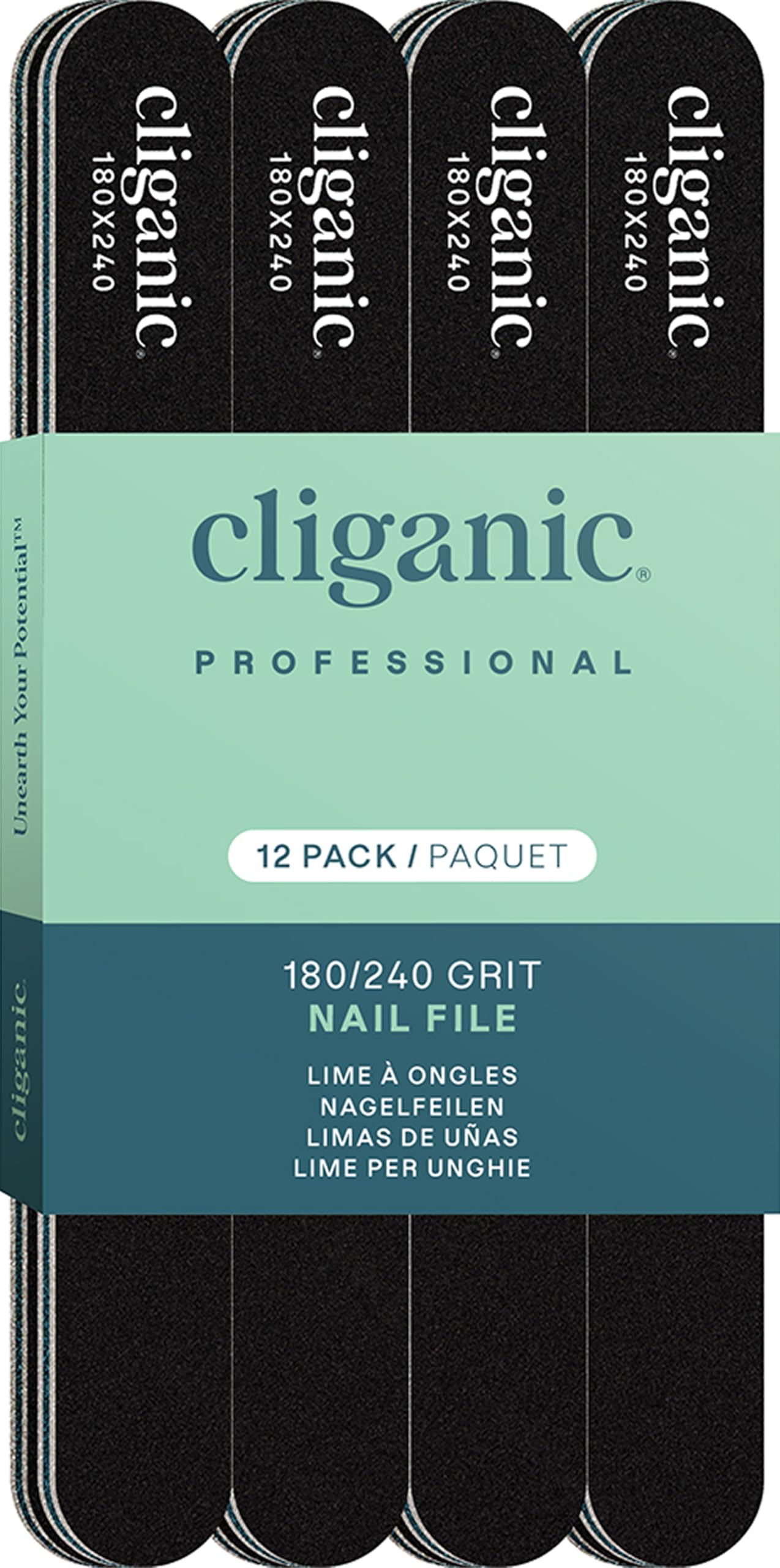
We recommend this set if you want a reliable, washable emery board kit that handles natural and artificial nails without fuss.
Pros
- Durable feel with double-sided grits for shaping and finishing.
- Good value — a dozen files lasts a long time for home use.
- Washable surface so dirt and dust rinse away easily.
Cons
- Emery grit can wear down faster than glass or metal files.
- Not ideal for very soft, brittle nails — can feel rough.
- Standard size may feel bulky for precise nail art work.
We used these files across natural nails, gel, and acrylics. The medium (180) side shaped edges quickly, and the fine (240) side smoothed without over-thinning. They felt sturdy in hand and kept form after several uses.
Cleaning was simple — a quick rinse with soap removed dust and kept the grit usable. That made them handy after a busy week of trims and touch-ups.
For occasional home use, the pack gives good value and consistent performance. If you need a gentler or ultra-precise tool, try a glass or metal file instead.
HeeYaa Nail Files (10-Pack)
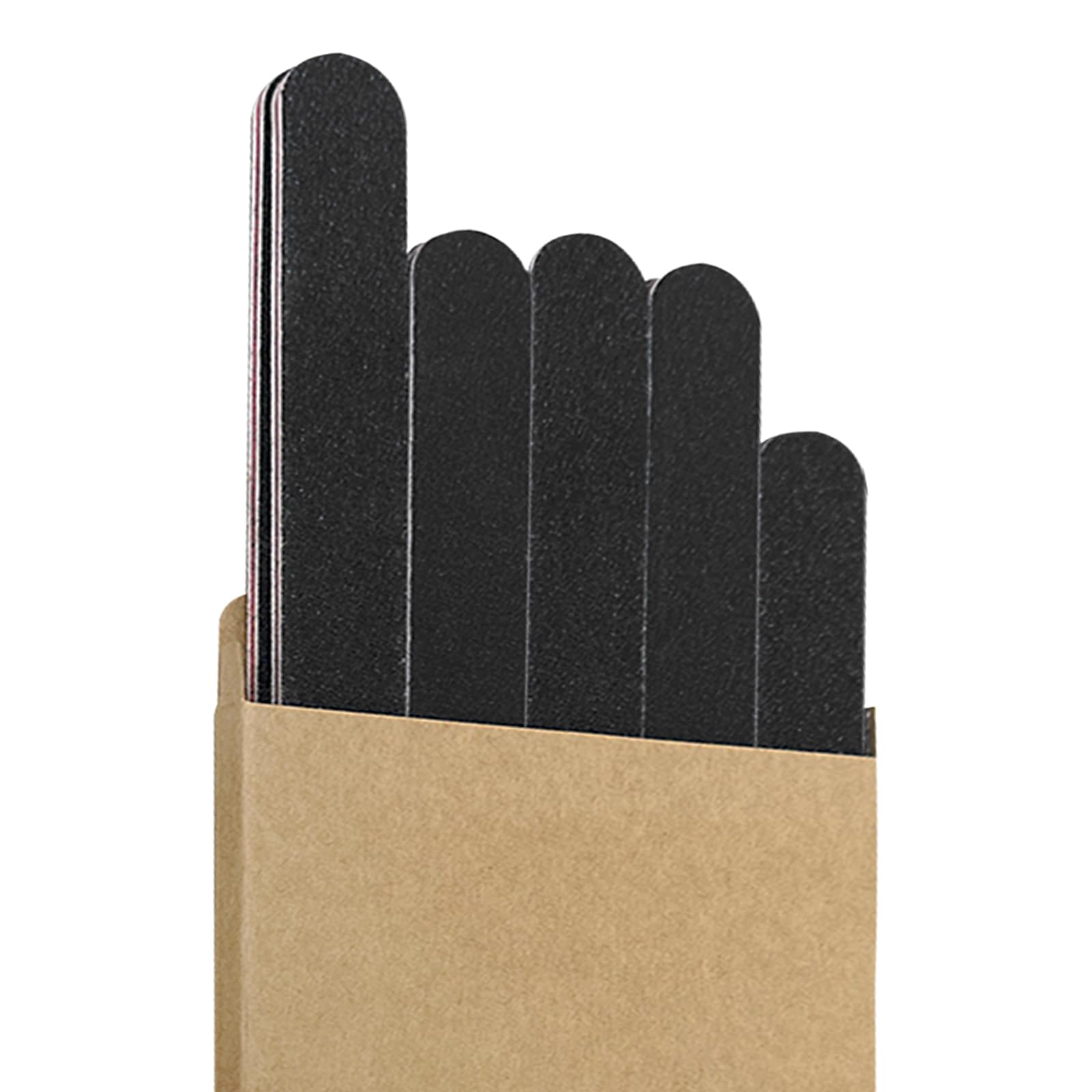
We recommend this set if you want sturdy, reusable emery boards that work for both shaping and smoothing.
Pros
- Tough PP core holds up to repeated use.
- Two grits (100/180) handle shaping and finishing.
- Comes in neat kraft box, good for gifting or storage.
Cons
- Coarser 100 grit can feel rough on thin nails.
- Files are traditional emery, so they wear faster than glass.
- Black surface shows dust and residue easily.
We used these straight boards for a few weeks at home and in a small salon setup. The red PP core really makes a difference — the files flex without snapping, so they survive drops and light bending.
Shaping with the 100 grit is fast. It shaves length quickly, so we worked carefully on thin nails to avoid over-filing. Flipping to 180 smooths the edges and leaves a clean finish that takes polish well.
Cleaning the boards is simple and they stayed usable after rinsing and light scrubbing. They aren’t as long-lasting as glass or metal files, but you get ten boards in a tidy kraft box, which feels like good value for regular at-home use.
AhaTopia Nail File & Buffer Kit

We recommend this kit if you want a simple, travel-friendly set that files and shines both natural and artificial nails.
Pros
- Files and buffs in one kit for quick touch-ups.
- Foam buffer gives a smooth, glossy finish with little effort.
- Compact and light for travel or a small salon kit.
Cons
- Emery boards wear faster than metal or glass files.
- Foam blocks lose grit after heavy use.
- Not ideal for very thick or heavily layered acrylics.
We tried this set for a few weeks and used it on both natural nails and thin acrylics. The emery boards cut through length quickly and the 100/180 sides handled shaping and smoothing without shredding the nail edge.
The four-sided foam buffer surprised us with real shine after one pass. The colored sides are easy to remember: shape, smooth, buff, polish. It left a glossy look that lasted several days on our natural nails.
We noticed the boards fray after multiple uses, so we kept extras on hand. The buffer block is gentle, so it won’t thin natural nails if you use light pressure, but heavy buffing made the foam lose texture faster than expected.
Overall, this kit works well for home use and travel. It’s a handy, low-cost option for quick manicures, but professionals or heavy acrylic wearers might want sturdier tools.
HeeYaa Nail Files — 12 Pack

We recommend these if you want affordable, reusable files that work well on natural and acrylic nails.
Pros
- Durable double-sided grit for shaping and smoothing
- Washable and re-usable for many uses
- Good size and feel for at-home or salon work
Cons
- Grit wears down faster with heavy acrylic use
- Edges can fray after repeated washing
- Not as gentle as very fine glass or crystal files
We used this 12-pack on both natural nails and extensions. The 100/180 grit combo lets us shape quickly with the coarse side, then refine with the finer side. They felt sturdy in hand and the size fit most nails comfortably.
Cleaning was simple: a quick rinse and they were ready again. After heavy use on acrylic tips they lost some grit bite, but for regular at-home upkeep they stayed useful for weeks.
These are a solid budget pick for salons or DIY users who want reusable files without paying more for glass or metal alternatives. If you prefer ultra-gentle filing, consider a glass file instead.
Teenitor Nail File Set

We recommend this set if you want a full, budget-friendly kit that covers shaping, smoothing, and shining for both natural and gel nails.
Pros
- Lots of grit options let us move from rough shaping to high-gloss shine.
- Feels sturdy and cleans easily after a few uses.
- Small, portable set that works for fingers and toes.
Cons
- Emery edges wear down faster than metal files with heavy use.
- Very rough grits can be too coarse for fragile nails.
- Buffing shine fades after several days on some nails.
We used the files on natural nails and a couple of gel tips. The 150/180 grits handled length and shape quickly, and the rhombus shape gave good control when rounding the corners. It felt like a salon step-by-step process in our hands.
The buffer blocks smoothed ridges without removing much nail thickness. Moving to the 1000/4000 sides gave a real glossy finish; it did take a few passes to reach mirror-like shine, but it was satisfying. For a quick touch-up before an event, this kit worked well.
After several uses we rinsed the EVA blocks and emery boards; they held up and dried fast. Heavy-duty acrylic work will wear these sooner, so we saved them for natural and gel maintenance. Overall, the set delivers a full routine at a low price and is great for travel.
Canvalite Half-Moon Nail Files (10-pack)

We recommend this set if you want a sturdy, reusable emery board that handles both rough shaping and smoothing.
Pros
- Durable feel and holds up after several uses
- Two grits (100/180) let us shape and refine without switching tools
- Nice half-moon shape fits nail curves easily
Cons
- Grit wears down after many uses
- Not as fine as glass or crystal files for very smooth edges
- Purple coating chips if dropped or used on very hard surfaces
We used these Canvalite files for a few weeks on natural and acrylic nails. The 100 grit removes length fast, and flipping to 180 gives a decent finish. They felt solid in hand and the half-moon profile helped reach sidewalls without awkward angles.
Cleaning was simple; a quick brush and rinse removed dust and grit. They stayed usable after reuse, though we noticed the abrasive surface softened after heavy work on artificial tips. For routine home use they lasted well.
These files beat cheap flimsy emery boards and cost less than metal or glass options. If you want salon-style shaping without spending much, this pack makes sense.
Buying Guide
We look for durable material that fits our nail type and routine. Choose a grit and material that match whether we buff, shape, or finish nails.
Key features to check
- Grit range: Lower numbers (80–100) file fast but are rough; higher numbers (240+) are for smoothing and finishing.
- Durability: Materials like glass, crystal, metal, and high-quality emery resist wear. Durable files keep grit consistent longer.
- Surface type: Coated emery, ceramic, and glass have different feels and results. Pick one that matches how gentle or aggressive we want to be.
Practical needs
- Nail type: Soft or thin nails do best with fine, gentle grits. Thick or artificial nails need coarser grits.
- Shape control: A stable, rigid file gives precise shapes. Flexible files curve more and can be faster for quick shaping.
- Hygiene and maintenance: Non-porous materials (glass, metal, ceramic) clean easily and last longer. Replace disposable files often.
| Feature | Why it matters |
|---|---|
| Grit | Determines how much nail is removed |
| Material | Affects durability and care |
| Flexibility | Impacts precision and comfort |
| Cleanability | Reduces infection risk |
We weigh cost against lifespan; a slightly pricier, long-lasting file can be cheaper over time. We test feel and control before buying whenever possible.
Editor’s Choice
We pick glass nail files as our top choice for most people. They are gentle on nails, last a long time, and keep a smooth edge that reduces splitting.
We also recommend a fine-grit emery board for shaping natural nails before finishing with glass. Emery boards are cheap and easy to carry, so they work well for quick touch-ups.
For acrylics and hard gels, we prefer a medium-grit metal file. It removes product fast without tearing. Use gentle strokes and avoid heavy pressure to protect the nail bed.
Key picks:
- Glass file — Best for longevity and smooth finishes.
- Fine emery board — Great for shaping natural nails on the go.
- Medium metal file — Ideal for artificial nails and fast removal.
We test each type for durability, ease of use, and nail safety. Our choices balance performance with gentle care for healthy nails.
Conclusion
We choose nail files based on purpose, nail type, and care needs. For shaping, metal and glass give precision. For gentle smoothing, emery and cushioned files work well.
We prefer glass files for long-term use because they are durable and easy to clean. They cost more but last longer. That makes them a good value over time.
We turn to emery and foam files for budget and quick fixes. They are cheap and disposable, which can help avoid infections. Replace them often to keep nails healthy.
We recommend metal files for thick or artificial nails. They remove material fast, so we use them carefully. Overuse can thin natural nails, so use lower pressure.
We keep a few types on hand: a glass file for daily care, a medium emery for travel, and a metal or ceramic file for heavy duty jobs. This mix covers most needs without extra cost.
We consider grit when choosing. Lower grit (coarse) shapes; higher grit (fine) smooths. Match grit to the job to avoid damage.
We follow simple rules: file in one direction, keep tools clean, and replace worn files. These steps protect nails and make grooming easier.
FAQS
What material lasts the longest?
We find glass and crystal files last the longest. They resist wear and keep a fine edge for months with normal use.
Which file is gentlest on nails?
We recommend emery boards with fine grit or glass files for gentle shaping. Metal files can be too harsh for weak or thin nails.
Are disposable emery boards safe?
Yes, if used on one person and thrown away after they wear out. They are inexpensive and hygienic for short-term use.
How do we clean files?
Glass files: rinse with warm water and mild soap, then air dry. Emery and buffing files: wipe with a damp cloth; avoid soaking as glue layers can break down.
Can one file suit all nails?
No. We use different grits: coarse for thick nails, medium for shaping, and fine for smoothing. Choose based on nail strength and desired finish.
Are electric files better?
Electric files help professionals work faster, but they need skill to avoid damage. We suggest beginners stick to manual files until comfortable.
What grit numbers should we pick?
Use 80-100 grit for heavy shortening, 180-240 for shaping, and 240+ for finishing. Finer grits reduce splitting and peeling.
