
10 Best Grit Nail Files for Natural Nails: Expert Picks and Usage Tips

Nail files shape and smooth natural nails quickly and safely when you pick the right grit. Different grits remove length, refine edges, and polish the nail surface without cracking or thinning the nail plate. For natural nails, the goal is gentle shaping and smoothing that avoids splitting and keeps nails healthy.
Choosing the correct grit is the most important decision: lower grits (coarse) remove length fast but can damage natural nails, while higher grits (fine) buff and finish without weakening them. We tested a range of files with different grit levels and materials to find ones that shape efficiently while protecting natural nails. Our findings and picks will help you choose the best grit nail file for your needs.
Best Grit Nail Files for Natural Nails
Below is our full list of the best grit nail files for natural nails. We picked files that protect nail health, shape well, and last through regular use. Use our list to find the right grit and style for your natural nails.
3 Swords Sapphire Nail File Set

We recommend this set for natural nails when you want precise shaping with long-lasting files made in Germany.
Pros
- Feels sturdy and files smoothly without tearing.
- Two grits cover shaping and gentle finishing.
- Comfortable grip helps control light, natural nails.
Cons
- Metal files can feel harsh if you press too hard.
- Buffer is small for larger nails.
- Higher price than basic emery boards.
We used the files on our natural nails and noticed the sapphire surface keeps its bite after many uses. The coarse side shapes quickly while the fine side leaves a neat edge without splitting. The grip made it easy to hold steady when working on short nails.
The buffer does a tidy job of smoothing ridges, though it’s compact and best for tips rather than whole nail beds. We found the metal feels firmer than paper files, so go slow to avoid over-filing. Overall, the set gives a salon-feel at home and lasts longer than disposable files.
Cliganic 180/240 Nail File 12-Pack
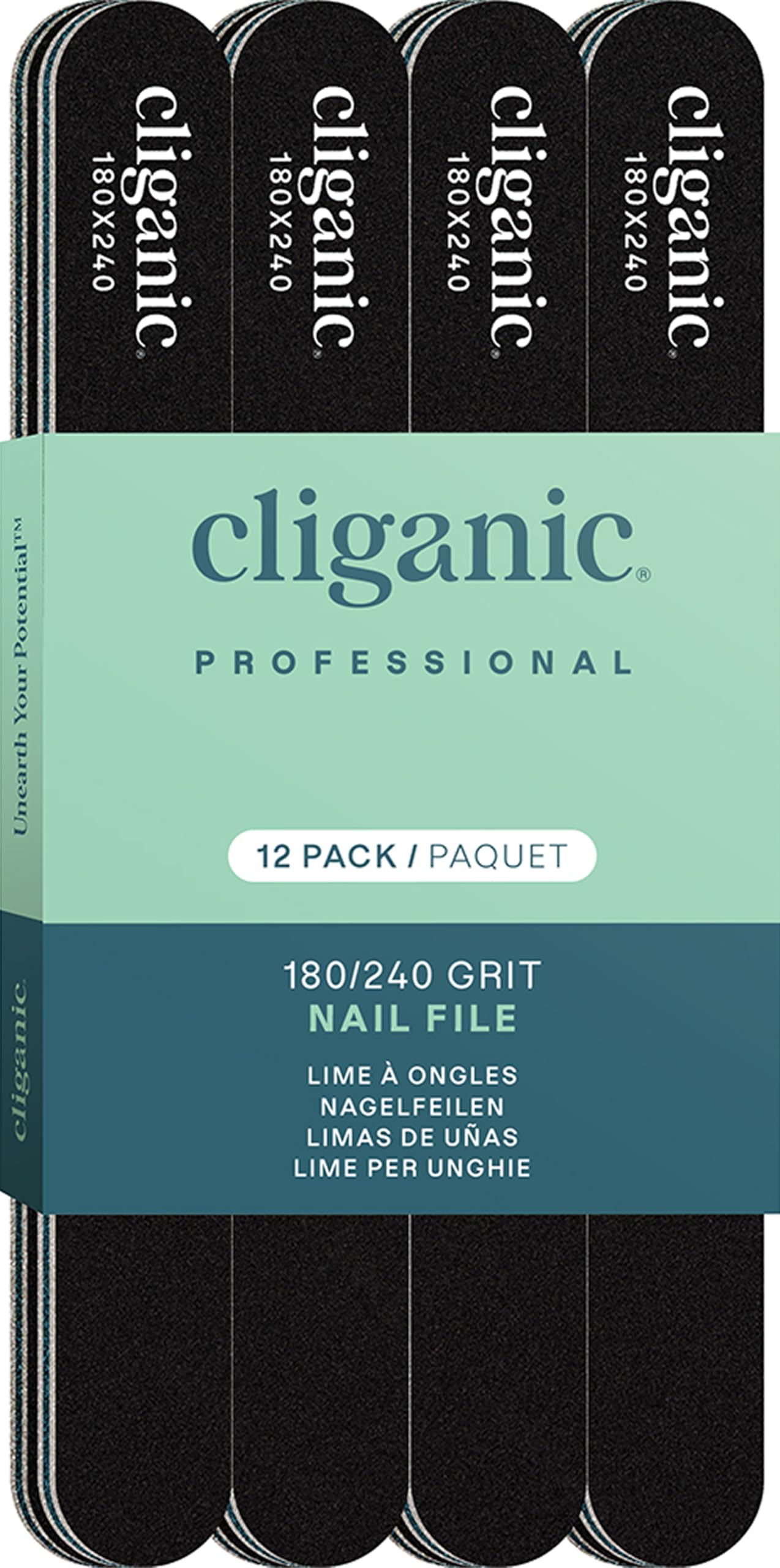
We recommend this set if you want a reliable, washable emery board kit that gently shapes natural nails and finishes smoothly.
Pros
- Durable double-sided grit for shaping and finishing.
- Good value—12 full-size files in one pack.
- Washable surface that cleans easily after use.
Cons
- Grit may feel coarse for very thin, fragile nails.
- Edges wear down after heavy use.
- Not cushioned—might feel stiff compared to foam files.
We tried these files on our natural nails and on a few friends with different nail thicknesses. The 180 side takes down length quickly without tearing, and the 240 side gives a clean, smooth edge that reduces snags. Filing felt predictable and steady, which made shaping faster than with cheap thin emery boards.
Cleaning was simple; a quick soap-and-water rinse left the surface usable again. After several weeks of regular use some files showed minor wear along the sides, but most kept their grit and performance for a long time. The size felt comfortable in hand and matched salon-length files we often use.
If your nails are very thin or prone to splitting, work gently with the 240 side to avoid over-filing. For thicker nails and quick shaping, the 180 side does the heavy lifting. Overall, this kit felt like a practical, cost-effective option we’d reach for when we want reliable shaping and a smooth finish without spending on expensive tools.
Soft Touch Nail File, 280/320 (5-Pack)

We recommend this file if you want a gentle, long-lasting tool for shaping and smoothing natural nails.
Pros
- Feels smooth and gentle on nail edges
- Dual grits let us fix ridges and shape tips with one tool
- Washable and sturdy enough to reuse
Cons
- Not coarse enough for heavy shaping or shortening
- Plastic core flexes more than metal files do
- Grit can lessen after many uses
We used this file for a few weekly sessions and liked how soft it felt on natural nails. The 280 side removes tiny ridges without scraping, while the 320 side refines the edge. It made our nails look neat without thinning them out.
The size is comfortable in hand and the five-pack gives us extras to rotate. Files held up through rinsing and light disinfecting, though the grit dulled a bit after a month of regular use.
This won’t replace a coarse file for quick length changes, but it works well as a daily shaping and finishing tool. If you want gentle, USA-made files that last and feel pleasant on natural nails, this is a solid, affordable choice.
Empyrean Premium Nail Files

We recommend this file if you want a gentle, durable two-sided option for shaping natural nails at home.
Pros
- Feels sturdy and holds its shape during use
- Two grits (280/320) work well for shaping and finishing
- Easy to clean and reusable for regular touch-ups
Cons
- Slightly thicker cushion can hide the nail edge on very short nails
- Fine grit takes longer to shorten nails than coarse files
- Pink color shows wear after heavy use
We used this file across several nail sessions and liked how steady it felt in our hand. The 280 side removes length without harsh tearing, while the 320 side smooths the edges into a clean finish. Filing felt predictable and gentle on natural nails.
The cushion gives a forgiving surface that reduces over-filing, which helped when we worked on thin or brittle nails. We noticed it kept its grit through many uses and cleaned up easily under running water or with a disinfectant wipe.
Short nails sometimes need a firmer edge to get right at the tip, and the extra-fine side slows down length removal. Still, for home mani maintenance the balance between control and gentleness made this a reliable choice.
Canvalite Half-Moon Nail Files (10-pack)

We recommend this pack if you want sturdy, easy-to-use files for shaping natural nails at home or in the salon.
Pros
- Grit combo (180/240) handles shaping and gentle finishing.
- Compact half-moon size fits the hand and reaches nail edges.
- Ten files in the pack give good value and backups.
Cons
- Coarse 180 grit can feel rough if used too aggressively.
- Edges wear down after repeated heavy use.
- Purple coating shows wear and can flake with poor storage.
We used these files for several weeks and liked how quickly they shortened and shaped natural nails. The 180 side removes length fast, while the 240 side smooths the edge without over-thinning weak nails.
Holding the half-moon felt comfortable and gave better control than long straight emery boards. We noticed the files grip the nail well, so we avoided slipping and rough snags that sometimes happen with cheaper boards.
After repeated home use, the grit started to flatten a bit and the purple surface showed light wear. For casual users this pack lasts a long time, but heavy salon work will need more frequent replacement.
Overall, these files work as advertised: practical, affordable, and reliable for standard nail care routines.
Teenitor Nail File Set

We recommend this set for natural nails when you want a full at-home routine from shaping to shine with durable, easy-to-clean pieces.
Pros
- Lots of grit choices let us shape, smooth, and buff without buying extras
- Feels sturdy and rinses clean after use
- 1000/4000 sides give a quick natural shine
Cons
- Coarser grits can feel rough if used too aggressively
- Emery edges wear faster than glass files over months of heavy use
- Blocks are a bit thicker than travel-friendly options
We used the set from start to finish on natural nails. The 150/180/240 files shaped nails fast and held up well while we formed curves and squared tips. If you like to change shapes often, the coarse options make this simple.
Smoothing with the 100/180 and 220/280 buffer blocks felt satisfying. They removed ridges and left a flatter surface without thinning the nail too much. The blocks have enough give to follow the nail edge, which helps avoid accidental gouges.
Polishing with the 1000/4000 filer gave a visible shine within seconds. It doesn’t replace a professional high-gloss top coat, but it makes natural nails look neat and healthy for several days. We found gentler pressure keeps the shine while preventing over-buffing.
Overall, this Teenitor kit works well for at-home care when we want a complete three-step process in one pack. It’s best for people who prefer emery tools and want a set that cleans easily and lasts if used carefully.
Lippmann Eco File (Pack of 5)

We recommend this file if you want a simple, eco-friendly 240-grit board that shapes natural nails without being too rough.
Pros
- Gentle 240 grit suits natural nails.
- Made from recycled paper — feels eco-conscious.
- Long 7″ length gives good control.
Cons
- Paper core wears faster than hard emery or glass.
- Edges can fray after several uses.
- Not ideal for thick or very hard nails.
We used these files for a few weeks and liked how smooth the edges felt after shaping. The 240 grit removes length steadily without chipping, so our nails looked neat and intact after each session.
Filing felt comfortable because the board is long and thin; we could hold it close to the nail for precise shaping. It did start to soften a bit after heavy use, so we switched to a fresh board after several nails.
The recycled-paper texture keeps these lightweight and easy to travel with, but expect them to wear faster than metal or glass files. If you want a gentle, affordable option for daily shaping, this felt right for our natural nails.
Manucurist 5-Pack Nail Files
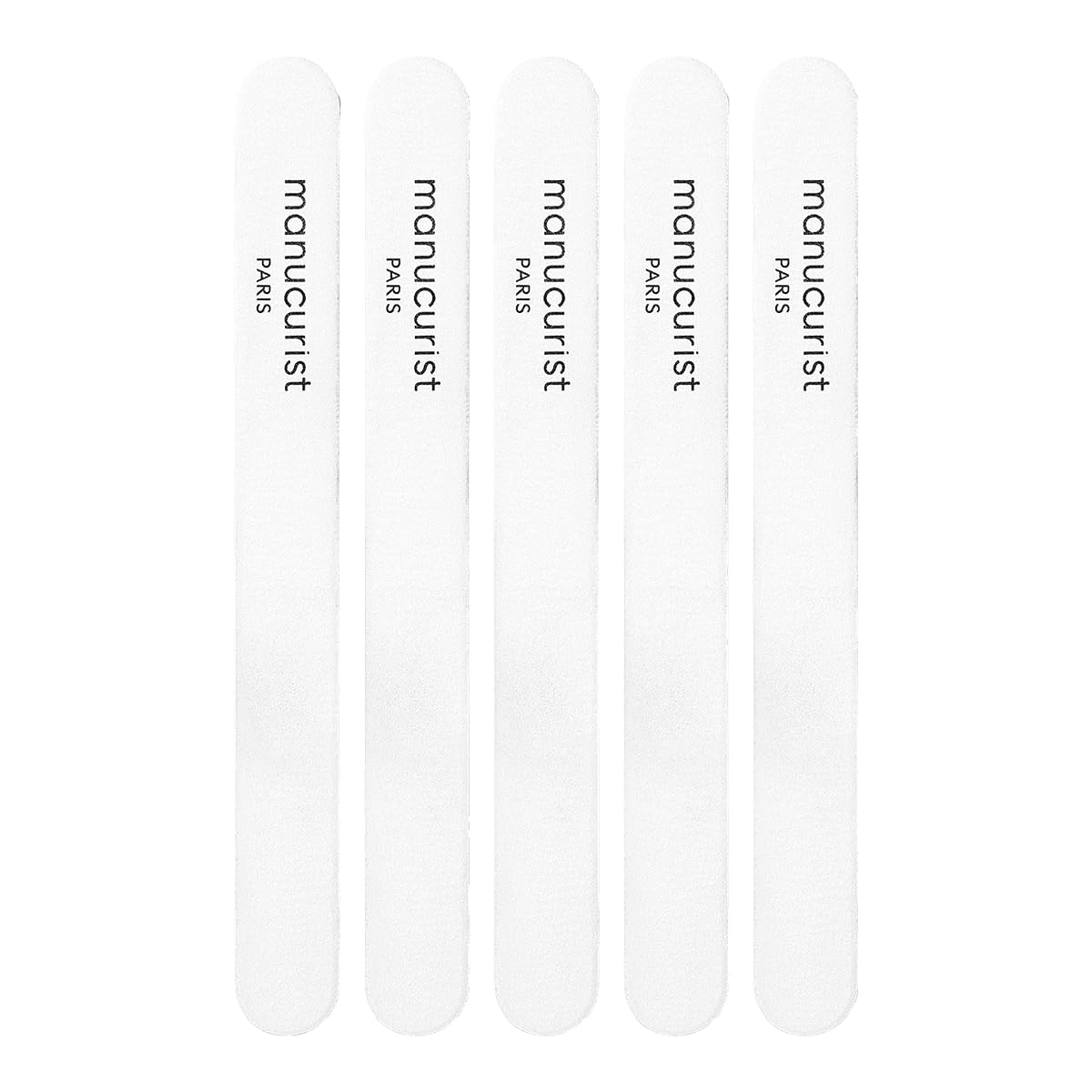
We would buy this set if we want reliable double-sided files that shape natural nails without thinning them too fast.
Pros
- Cushioned core feels gentle on the nail plate.
- Two grits (100/180) handle shortening and finishing in one tool.
- Pack of five means spares for travel or replacement.
Cons
- 100 grit is still fairly coarse for very weak nails.
- Edges wear slightly after many uses.
- White surface shows grime more easily.
We used these on our natural nails and liked how the cushioned middle absorbed pressure. The coarse side removes length fast, and the finer 180 side smooths the edge without snagging. Filing in one direction felt easy and safe.
The boards stayed comfortable in hand and did not bend too much while shaping. After several sessions the grit held up, though heavy use makes the edges fade. For everyday home upkeep they perform well.
We found them especially handy before polish, since the files leave a neat, uniform shape that helps polish sit better. If you have very thin nails, go gently with the 100 side or skip it and rely on the 180 for shaping.
HomeyEra 100/180 Nail Files (12 Pack)

These are worth buying if you want durable, double-sided emery boards that handle natural nails and occasional thicker nails without falling apart.
Pros
- Sturdy feel that holds up to repeated use.
- Dual grit (100/180) works for shaping and refining.
- Long, square shape gives good control.
Cons
- 100-grit side feels too coarse for very thin nails.
- Grit wears after many washes.
- Not as soft on sensitive cuticles.
We used these for a few weeks and liked how solid they felt in hand. The length and square edge made it easy to file straight and even. They stayed flat and did not bend like cheaper thin boards.
The coarse side removes length fast, so we used it only for acrylics or very thick nails. The 180 side smoothed edges well for natural nails, though we took light strokes to avoid over-filing. Grit seemed to thin after many washes, so treat them as semi-reusable rather than forever tools.
Cleaning works if you rinse gently, but aggressive scrubbing can strip grit faster. Overall, these files give salon-style control at a low cost and suit people who file regularly and want a reliable, no-frills board.
BLESWIN 240/240 Fine Emery Boards

We recommend this set if you want a gentle, easy-to-clean file that works well on natural nails.
Pros
- Feels sturdy and doesn’t bend while filing.
- Fine 240 grit is gentle and smooths without thinning natural nails.
- Washable surface makes repeat use simple.
Cons
- Grit wears down faster than ceramic or glass options.
- Shape is basic — not great for precision curves.
- Color coating can dull after many washes.
We used these in a mix of salon-style and at-home sessions. The files felt solid in hand and the double-sided 240 grit handled shaping and light smoothing without snagging. Filing took less time than with very fine emery papers because the surface removes small ridges efficiently.
Cleaning was fast: a rinse and a quick dry brought them back ready for the next set. After several uses the grit looked a bit worn, so we’d keep extras on hand if you file often. The size and shape fit well for thumbs and pinkies, but tight cuticle curves took a bit more effort.
Overall, these emery boards are a good pick for people who want an affordable, fine-grit file for natural nails and don’t need ultra-precise shaping tools.
Buying Guide
We look for the right grit and shape first. For natural nails, choose finer grits (180–240) to prevent splitting and loss of strength.
We check file material and durability next. Glass and crystal files last longer and are gentle, while foam-backed emery boards give more control but wear faster.
We consider the file shape and thickness for comfort. A rounded or oval tip follows the nail edge; a thin file fits tight corners. Thicker files give steadier pressure; thin files allow more delicate shaping.
We pay attention to grit labeling and consistency. Make sure the grit numbers are clear and consistent across the whole file. Uneven grit can cause snags and rough patches.
We value sanitation and ease of cleaning. Nonporous surfaces like glass or metal clean well with soap and alcohol. Disposable or easily replaceable files reduce infection risk.
We weigh portability and storage needs. Small, slim files fit travel kits. Protective cases prevent damage and keep grits intact.
We check for extra features that match our routine. Ergonomic handles, dual-grit options, and sealed edges can improve control and longevity. Choose features that help us file safely and efficiently.
Editor’s Choice
We chose the Rainbow 4-Way Buffer as our top pick for natural nails. It has a gentle 240/400 grit combo that shapes without thinning natural nails, and a soft buffer surface that smooths edges with low pressure.
We liked the easy grip and durable construction. It lasts longer than flimsy disposable files and keeps its grit through many uses.
Key features we value:
- Grit: 240/400 for safe shaping and finishing
- Design: Ergonomic handle, non-slip surface
- Durability: Long-lasting grit and structure
We tested it on short, thin, and slightly brittle nails. It maintained shape without causing splitting or layers to peel.
We recommend using light strokes and avoiding heavy pressure. Replace when the surface looks worn or feels smooth to the touch.
Conclusion
We picked files that protect natural nails and give smooth edges. Our choices balance grit, shape, and durability so you can file safely at home.
We recommend starting with a 240–320 grit for shaping and a 400–600 grit for finishing. Use a coarser grit only for thick or very damaged nails. Change files when they wear down to avoid tearing.
Keep these simple tips in mind:
- File in one direction to reduce splitting.
- Use a buffer or fine grit for shine, not aggressive filing.
- Clean or replace files regularly to prevent bacteria buildup.
We prefer glass or high-quality emery boards for gentle, consistent results. They last longer and feel smooth on the nail plate. Disposable boards work well for travel or single-use needs.
If you have weak or peeling nails, focus on gentle grits and short filing sessions. Add a strengthening treatment rather than forcing shape changes. Our choices help you maintain healthy nails with minimal risk.
FAQS
What grit should we use for natural nails?
We recommend 180 to 240 grit for shaping natural nails. These grits are gentle enough to prevent splits while still giving a smooth edge.
Can we use a coarse file on natural nails?
No. Coarse files (below 180) can cause peeling and cracking. Save coarse grits for false nails or heavy shaping only.
How often should we replace a nail file?
Replace a disposable emery board after 10–20 uses or when it frays. For glass or crystal files, replace when chips appear or if they lose smoothness.
Are glass or crystal files better than emery boards?
Glass files are gentler and last longer. Emery boards are cheaper and disposable. We choose based on budget and how often we file.
How do we file without damaging nails?
File in one direction with light pressure. Avoid a back-and-forth sawing motion. Finish with a fine grit to smooth the edge.
Can we disinfect files?
Yes. Metal and glass files tolerate alcohol or mild disinfectants. Disposable emery boards are not meant for disinfection; discard after use.
Which grits do we keep at home?
We suggest a three-piece set: 180 for shaping, 240 for refining, and 320+ for smoothing. This covers most home care needs.

