
Nail files and buffers help shape nails, smooth rough edges, and prepare the surface for polish or enhancements. Professional tools need to work quickly without causing splits, thinning, or uneven results. The right file can also make detailed work easier, from basic shaping to maintaining gel, acrylic, or natural nails.
For most people, the best professional nail files and buffers offer the right grit, durable materials, a comfortable grip, and a surface suited to the nail type. Coarse files remove length and shape enhancements, while finer files smooth natural nails. Buffers should polish gently without removing too much of the nail surface. We evaluated these features, along with control, durability, and ease of cleaning, to find the tools that perform best for professional and home use.
Best Professional Nail Files and Buffers
We reviewed professional nail files and buffers for durability, control, grit, and ease of use. Our list includes reliable options for shaping, smoothing, and polishing natural and artificial nails.
Teenitor Nail File and Buffer Set

We recommend this versatile set for home manicures because it covers shaping, smoothing, buffing, and shine in one kit.
Pros
- Offers several grits for natural, gel, and acrylic nails
- Includes separate buffers for smoothing and polishing
- Files feel sturdy and can be cleaned between uses
Cons
- Some coarse files may feel too mild for heavy filing
- The set includes more tools than needed for basic touch-ups
- The narrow files may take longer on larger nails
We used the different grits to shape nails, smooth rough edges, and polish the surface. The range made it easy to move from stronger filing to gentler finishing without switching to another kit.
The buffer blocks worked well on small ridges and light scratches. The finer sides left our nails smooth, while the polishing side created a noticeable shine after a few passes.
This set suits people who do regular manicures at home or work with both natural and artificial nails. We would use a light touch with the rougher grits, since repeated heavy filing can thin natural nails.
Beetles Professional Nail File and Buffer Set
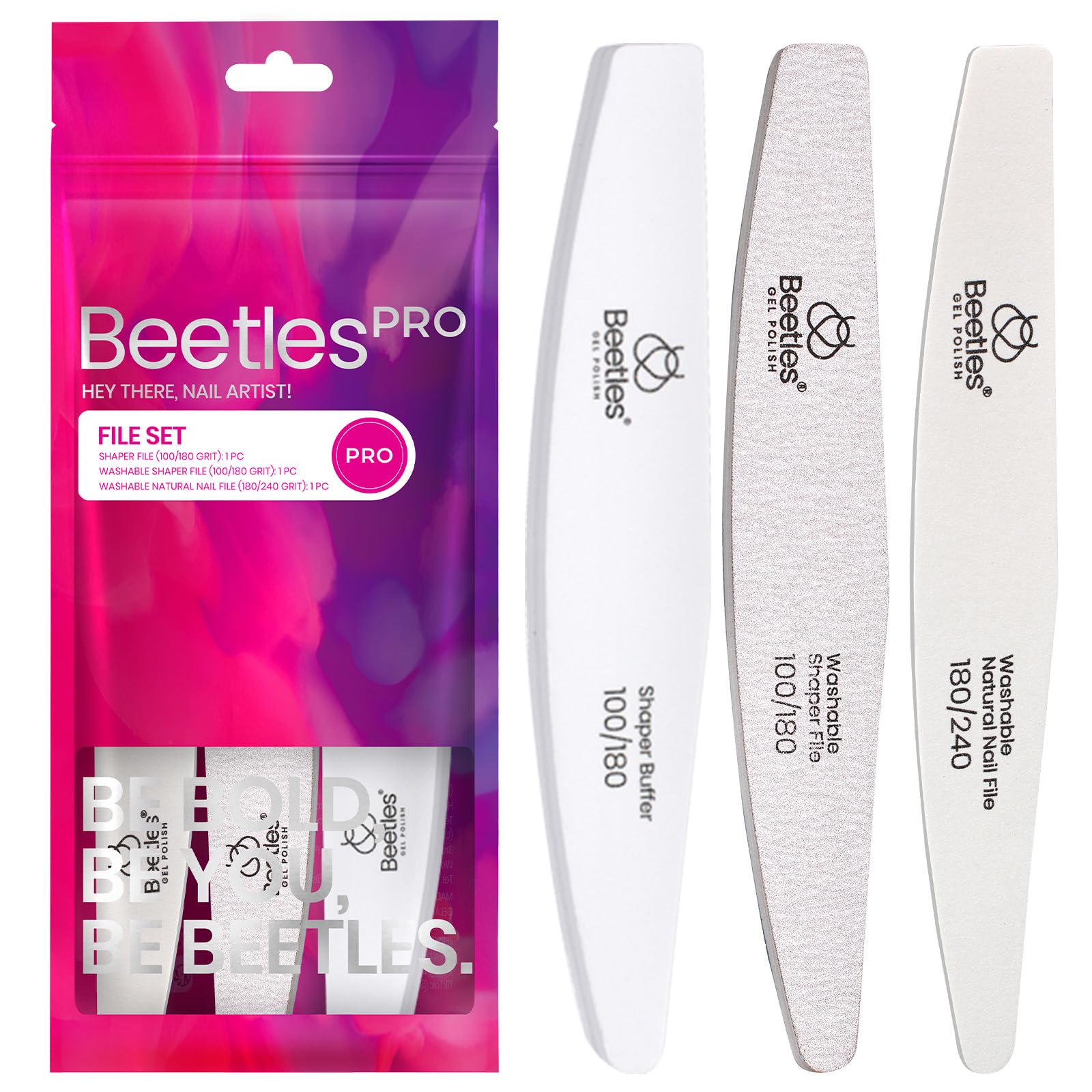
We recommend this three-piece set for home manicures, press-on nails, and basic gel or acrylic shaping because it offers useful grits in sturdy, reusable tools.
Pros
- Multiple grits handle shaping and smoothing
- Durable files hold up well with regular use
- Includes tools for natural, gel, and acrylic nails
Cons
- The coarse file may feel too rough on natural nails
- The set includes only three pieces
- Cleaning requires careful disinfecting
We found the 100-grit side useful for shortening acrylics and shaping extensions. It works quickly, but we used a light touch on natural nails to avoid removing too much material.
The finer 180- and 240-grit surfaces helped smooth edges after filing. We also liked the two buffer textures for reducing light ridges and preparing nails before polish.
The half-moon and straight edges made it easy to reach curved areas and create cleaner corners. The files stayed intact during repeated use, and their washable design makes maintenance simple.
This set suits beginners and nail technicians who need basic shaping and buffing tools. We would avoid soaking them in harsh liquids and would disinfect them according to the product’s care guidance.
Drei Schwerter Sapphire Nail File Set

We recommend this set for shoppers who want durable metal files that shape natural and gel nails with steady control.
Pros
- Coarse and fine sides support shaping and smoothing.
- Comfortable handle includes a cuticle pusher.
- Durable construction holds up well with regular use.
Cons
- Metal files may feel too firm for thin, weak nails.
- The buffer is less useful for heavy polishing.
- The abrasive surface can feel sharp until we use a light touch.
When we used the file, it removed rough edges quickly without needing much pressure. The two-sided design helped us shape first, then smooth the finish with fewer passes.
The handle felt secure during use, and the built-in cuticle pusher added practical value. We found the file suitable for both fingernails and toenails, although careful pressure matters on delicate nails.
The included buffer works for light finishing, but shoppers who want a high-shine manicure may prefer a separate polishing block. Overall, this German-made set offers reliable performance and strong long-term value for home users and professionals.
Tropical Shine Colossal 4-Way Buffer

We recommend this buffer for natural nail care because its large shape gives us good control while four labeled sides handle filing, smoothing, buffing, and polishing.
Pros
- Large surface offers a steady grip
- Printed steps make each side easy to use
- Creates a smooth, natural-looking shine
Cons
- The large size may feel awkward for small nails
- Frequent buffing can thin nails
- The polishing side may wear faster than the others
When we used it, the wide block felt easier to hold than a slim file. That made shaping and smoothing more controlled, especially when working across several nails.
The numbered sides helped us follow the correct order without checking separate instructions. The file side shaped edges well, while the finer surfaces smoothed rough areas and added a visible shine.
We liked the finish on natural nails, but we would use the buffer lightly and only when needed. The tool is reusable and easy to rinse, although some users may find one side less effective after repeated use.
AhaTopia Nail File and Buffer Set

We recommend this set for affordable at-home manicures because it includes versatile files and buffers for shaping, smoothing, and polishing.
Pros
- Includes 10 double-sided files and two four-way buffers
- Works well on natural, acrylic, and artificial nails
- Offers good value for regular home use
Cons
- The buffers may feel too gentle for some users
- Coarse files can leave natural nails feeling rough
- Results depend on using each buffer side in order
We found the 100-grit side useful for shaping thicker or artificial nails. The 180-grit side felt better suited to light smoothing on natural nails, though we used a gentle touch to avoid rough edges.
The four-way buffers made it easy to move from shaping to polishing. We liked the final shine, especially when we used the sides in sequence and avoided pressing too hard.
The lightweight files fit easily in a travel bag, and the washable design adds convenience for personal use. However, the buffer blocks may not remove deep ridges as quickly as a firmer professional buffer.
Overall, this AhaTopia set gives us plenty of supplies for basic manicures and touch-ups without taking up much space.
Revlon Shape ’N’ Buff

We recommend this versatile tool for shaping, smoothing, and adding shine to natural nails without switching between separate files and buffers.
Pros
- Combines filing and buffing in one tool
- Offers good control during shaping
- Creates a smooth, natural-looking shine
Cons
- Takes time to use all surfaces properly
- May wear down with frequent use
- Not ideal for thick acrylic or gel nails
We found the Revlon Shape ’N’ Buff easy to hold while shaping the nail edge. Its filing surface worked well for basic length changes, while the smoother sides helped remove rough spots and small ridges.
After filing, we used the buffing surfaces in order. They left our natural nails feeling smooth and looking lightly polished, even without nail color. The longer shape also gave us more control than a small buffer block.
This tool suits home manicures and quick touch-ups. It may not replace a professional file for artificial nails, but it offers a practical all-in-one option for maintaining natural nails.
SEACRET 3-Way Nail Buffer

We recommend this two-pack for smooth, naturally shiny nails without polish, especially when you want a simple at-home manicure tool.
Pros
- Creates a noticeable shine without liquid polish
- Smooths light ridges and surface stains
- Includes two durable, travel-friendly blocks
Cons
- The first step can feel too abrasive if used often
- Some users report bubbling or loose pads
- Over-buffing may thin the nail surface
We found the three sides easy to follow because each step has clear instructions. The blue side helped even out minor ridges, while the gray side left the nail surface smoother before the final buff.
The white side produced the strongest result. After a few seconds of light buffing, our nails looked glossy without feeling coated. The finish worked well on both fingernails and toenails, although we used gentle pressure to avoid removing too much of the nail surface.
The compact block fit easily in a small kit, and the two-pack made it practical to keep one at home and one in a bag. We also liked that it required no polish, lamp, or liquid cleaner.
We would use the first step sparingly, following the suggested schedule. The other sides are more useful for regular touch-ups, but anyone with thin or brittle nails should buff lightly and stop once the surface looks smooth.
TsMADDTs Nail Files and Buffers

We recommend this affordable set for routine shaping, light buffing, and home manicures on natural or artificial nails.
Pros
- Includes separate files and buffer blocks
- Two grits support shaping and smoothing
- Easy to use for manicures and pedicures
Cons
- The files can bend under heavy pressure
- Buffers may wear faster with frequent use
- The coarse side needs a gentle touch on natural nails
We found the 100-grit side useful for shortening nails and working on acrylics or false tips. The 180-grit side gave us better control when smoothing edges and refining the shape.
The buffer blocks felt comfortable to hold and helped reduce minor ridges before polish. We used light pressure, since pressing too hard can thin or weaken the nail surface.
With six files and six buffers, this set works well for keeping supplies in several places, such as a bathroom, desk, or travel bag. The tools also offer enough variety for shared household use, though regular salon work may require more durable files.
Cliganic 12-Pack Nail File Set
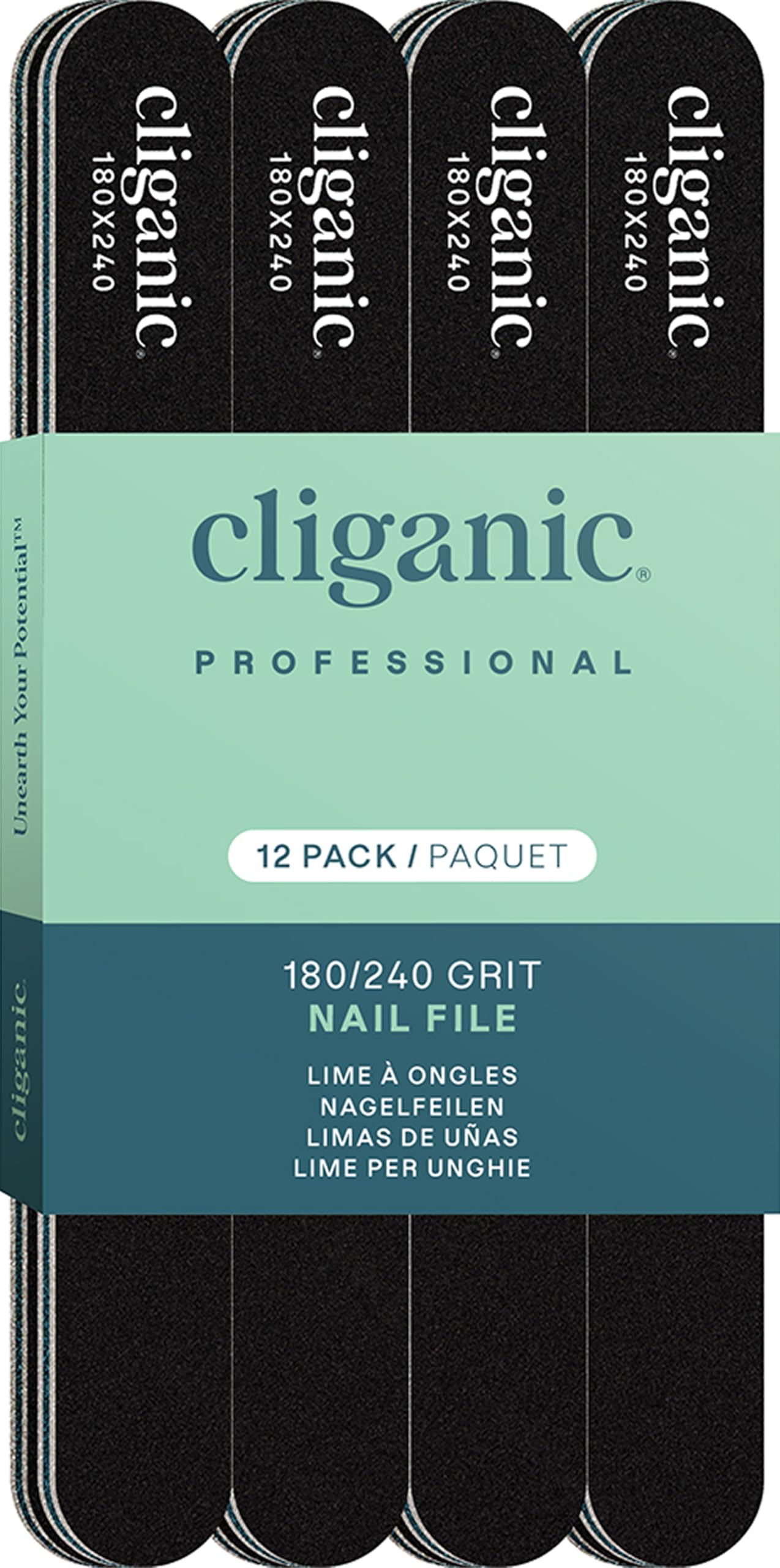
We recommend this set for anyone who wants affordable, reusable files for natural, gel, and acrylic nails.
Pros
- Two grit levels support shaping and finishing
- Sturdy files hold up well with regular use
- Washable design makes cleanup simple
Cons
- The 180-grit side may feel too rough on natural nails
- Files may need a smoother buffer for final finishing
- The long shape may feel less convenient for small nail work
We found the two-sided design useful during a basic manicure. The 180-grit side shaped thicker gel and acrylic nails efficiently, while the 240-grit side gave natural nails a gentler finish.
The files feel firm in hand and do not bend easily during use. Their 7-inch length also gives us good control when filing several nails in a row. The larger size may take some adjustment for detailed work around the corners.
After filing, we rinsed the boards with soap and water for quick cleanup. The 12-pack offers good value for home users, nail students, and anyone who goes through files often.
For natural nails, we used light pressure with the rougher side and finished with the finer side. These files work well as everyday shaping tools, but we paired them with a separate buffer when we wanted a smoother surface.
HomeyEra 24-Piece Nail Files and Buffers

We recommend this set for home manicures and basic salon tasks because it offers many files and buffers at a practical price.
Pros
- Includes both emery boards and four-sided buffer blocks
- Works on natural, acrylic, gel, and press-on nails
- Useful assortment for regular nail care
Cons
- The files may wear down with frequent professional use
- Medium grits may not suit delicate, thin nails
- The set does not include a fine polishing tool
We found the assortment useful for shaping nails, smoothing rough edges, and preparing acrylic or press-on nails. The square files feel easy to control, while the buffer blocks fit comfortably in the hand.
Each block has several surfaces, so we could move from light shaping to smoothing without switching between multiple tools. The files also feel sturdy enough for home use, and the quantity makes it easy to keep extras in a manicure kit or travel bag.
The medium grits work best with acrylics, gel nails, and stronger natural nails. We would use a lighter touch on thin nails because repeated filing can remove too much surface material.
For occasional manicures, this HomeyEra nail file and buffer set gives us a useful mix of tools without requiring separate purchases. Frequent salon users may prefer more durable files designed for heavy daily use.
Buying Guide
We should match the file or buffer to the nail service and the user’s nail type. Natural nails need gentler surfaces, while artificial nails can usually handle stronger abrasives.
| Feature | What we should look for |
|---|---|
| Grit | Choose fine grit for smoothing and natural nails; use coarser grit mainly for artificial nails and product removal. |
| Material | Glass, metal, foam, and paper files offer different levels of durability and control. |
| Shape | Straight edges help with precise filing, while curved shapes follow the nail more easily. |
| Handle | A comfortable, non-slip grip gives us better control during long services. |
| Buffer sides | Select a buffer with clearly marked surfaces for smoothing, refining, and polishing. |
| Cleaning | Reusable tools should have surfaces that allow proper cleaning and disinfection. |
We should check whether the tool is intended for single use or repeated use. Disposable files can support hygiene between clients, while reusable tools may offer better value when they can withstand proper disinfection.
The file should feel firm without bending during use. A buffer should smooth the nail evenly without creating excess heat or thinning the surface. For professional work, we should also consider consistent performance, easy storage, and a shape that supports steady, controlled strokes.
Editor’s Choice
We choose the GERmanikure Sapphire Nail File as our top pick for professional use. Its durable sapphire surface files natural and artificial nails with steady control, while the slim shape helps us reach the sides and corners of each nail.
We also value its easy cleaning. A washable file supports better hygiene between clients, provided we follow the manufacturer’s care instructions and local salon standards.
| Feature | Why we like it |
|---|---|
| Sapphire surface | Provides controlled filing |
| Slim design | Reaches edges and corners |
| Washable build | Simplifies routine cleaning |
| Reusable format | Reduces disposable waste |
For buffing, we pair it with a four-way professional nail buffer. The different surfaces let us smooth ridges, refine the nail edge, and add light shine without relying on one abrasive level for every task.
We use gentle pressure and avoid excessive buffing, which can thin the natural nail. We reserve coarse files for enhancements and choose a finer grit when working on natural nails.
Conclusion
We should match each nail file or buffer to the task. A fine-grit file works well for shaping natural nails, while a stronger file suits extensions and acrylics. Buffers can smooth ridges and add shine, but we should use them gently to avoid thinning the nail plate.
Our key selection points:
- Choose the right grit for the nail type and service.
- Pick a comfortable shape for steady control.
- Use washable or replaceable tools when hygiene matters.
- Replace files and buffers when they become worn or difficult to clean.
- Follow each product’s care instructions.
We should also avoid using one tool for every purpose. Keeping separate tools for shaping, smoothing, and polishing helps protect the nails and supports consistent results. A professional-quality file or buffer should feel controlled, durable, and suited to regular use.
FAQS
What grit should we use for natural nails?
We recommend a fine file, usually 180 grit or higher, for shaping natural nails. A glass file can also provide a smooth edge with less snagging.
Which file works best for acrylic or gel nails?
We use a 100/180-grit file for extensions and hardened gel products. The coarser side removes length and bulk, while the finer side refines the shape.
How often should we buff our nails?
We buff only when needed, such as before applying polish or to smooth small ridges. Frequent buffing can thin the nail plate, so we use light pressure and limit the number of passes.
Should we file nails back and forth?
We file in one direction when working on natural nails. This approach helps reduce splitting and keeps the edge more even.
Can we disinfect professional nail files?
We check the manufacturer’s instructions first. Metal tools and washable files may allow proper cleaning and disinfection, while disposable files and buffers should not be reused between clients.
What should we look for in a professional nail file?
We look for a firm core, an even abrasive surface, comfortable handling, and a grit suited to the service. Durable files should keep their shape without bending or shedding abrasive material.
