
10 Best Nail Dehydrators for Artificial Nails: Top Prep Picks

Nail lifting almost always starts with one thing: moisture and oil left behind on the natural nail plate before product goes on. Even a flawless application of acrylic, gel polish, or builder gel will not bond well if the nail bed still holds surface oils, so prep is where retention is won or lost. That’s the job of a nail dehydrator and, in many systems, a primer that follows it.
A dehydrator strips away oil and residual moisture so the nail surface is clean and slightly roughened at a microscopic level. A primer, applied after, helps the enhancement product grip the nail. Some primers use mild acids, while others rely on non-acidic bonding agents that latch onto the nail’s keratin (the protein that makes up the nail plate) without the sting or fumes older acid formulas were known for.
Choosing between a standalone dehydrator, a two-step dehydrator-and-primer set, or an acid-free bonding gel comes down to your nail type, sensitivity, and the enhancement system you use, and getting that match right matters more than chasing the highest-rated bottle. Ingredient labels like “HEMA-free” and “acid-free” describe formulation choices, not guarantees against lifting, since technique and cure time still carry real weight. The picks below cover single-step bonders, dehydrator-primer duos, and a few multi-benefit formulas worth knowing about before checkout.
Best for maximum bond strength: Young Nails Protein Bond
Best for sensitive or acid-averse nails: Mia Secret Nail Prep Dehydrator
Best value two-in-one set: Beetles Nail Dehydrator and Primer Set
Best for beginners doing nails at home: Modelones Nail Dehydrator and Primer
Best gift-ready prep kit: Morovan Nail Prep Dehydrate and Primer Set
Young Nails Protein Bond
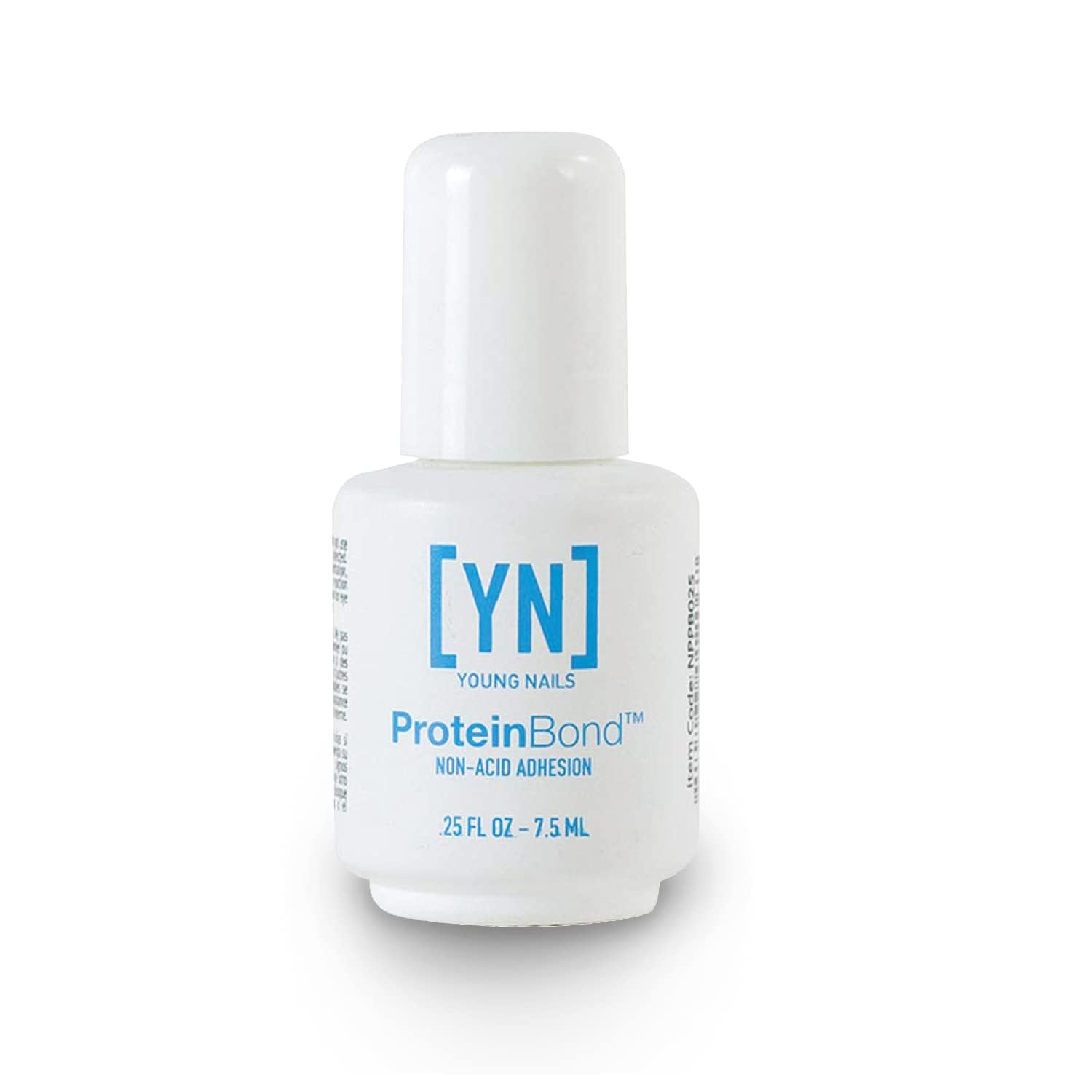
Nail techs who want one bottle that dehydrates and bonds without acid should put this at the top of the list.
Pros
- Non-acidic formula bonds to nail keratin directly
- Works across gel, acrylic, and gel polish systems
- Fast-drying and easy to apply in one step
Cons
- Small 0.25 oz bottle empties quickly with regular use
- No separate dehydrator step for extra-oily nail beds
- Price per ounce runs higher than dehydrator-primer duos
Young Nails Protein Bond skips the corrosive acid primers many salons phased out years ago. Instead, it relies on a proprietary polymer that grabs onto the nail’s own protein structure, creating a tackier surface for gel or acrylic to grip. That single-step approach appeals to users who don’t want to juggle two bottles during prep.
Reviewers consistently report longer wear times and less lifting at the edges, especially with builder gel and biab (builder in a bottle) applications. The tradeoff is bottle size. At a quarter ounce, frequent users will replace it faster than the larger dehydrator-and-primer combo packs on this list.
Mia Secret Nail Prep Dehydrator
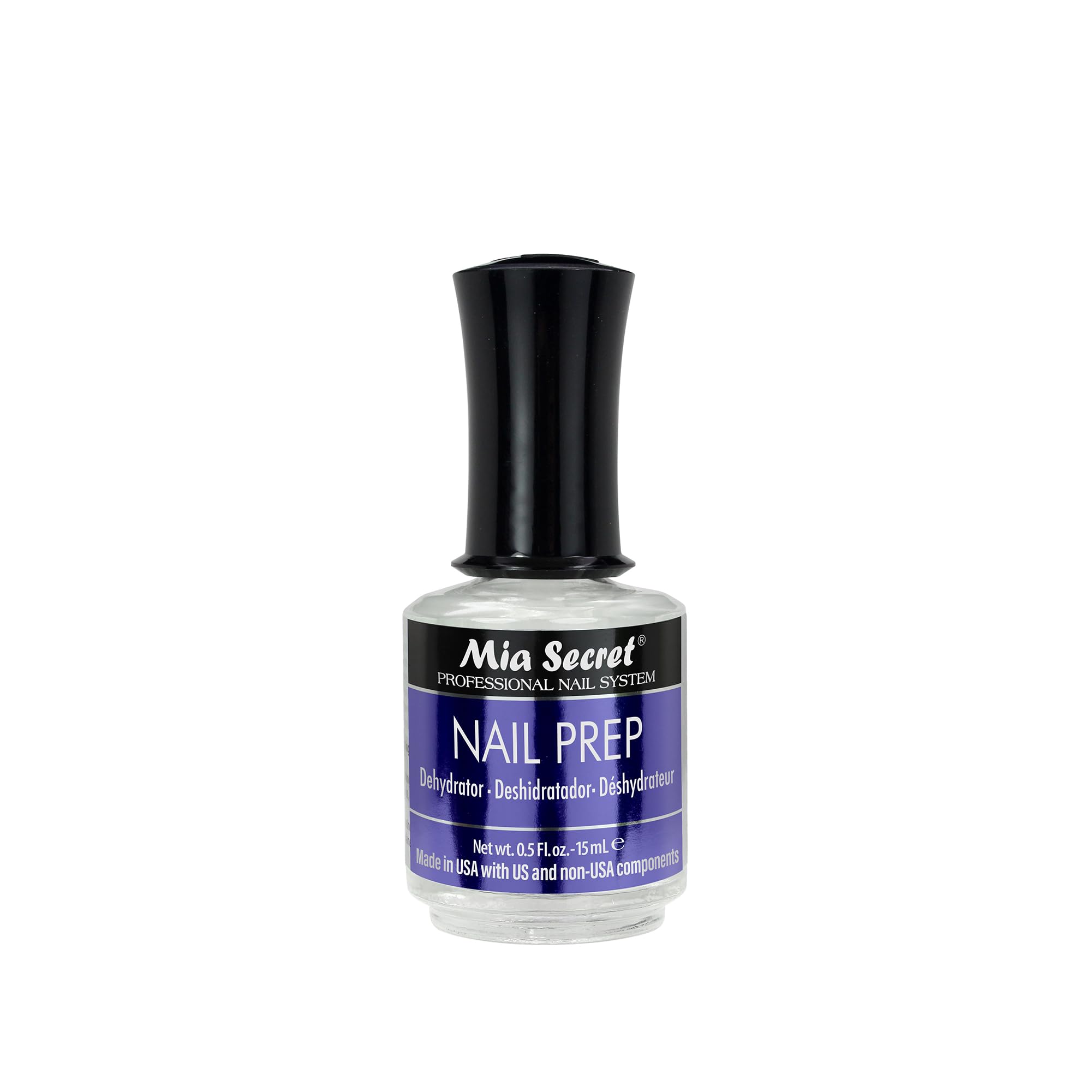
Anyone prone to nail sensitivity or burning from acid primers should consider this straightforward, acid-free dehydrator.
Pros
- Acid-free formula reduces irritation risk
- Compatible with most acrylic and gel systems
- Simple, no-frills application
Cons
- Dehydrator only, no bundled primer
- Smaller 15ml size for frequent professional use
- Works best paired with a separate bonding agent
Mia Secret’s dehydrator focuses on one task: pulling oil and moisture off the nail plate before product application. It doesn’t try to double as a primer, which some nail techs prefer since it lets them choose a bonding agent suited to their specific acrylic or gel system.
Several reviewers mention using it alongside a separate bonder, like Mia Secret’s own Xtra Bond, for a customized two-step prep routine. That flexibility makes it a good match for techs who already have a primer they trust but need a dependable dehydrating step to pair with it.
Beetles Nail Dehydrator and Primer Set
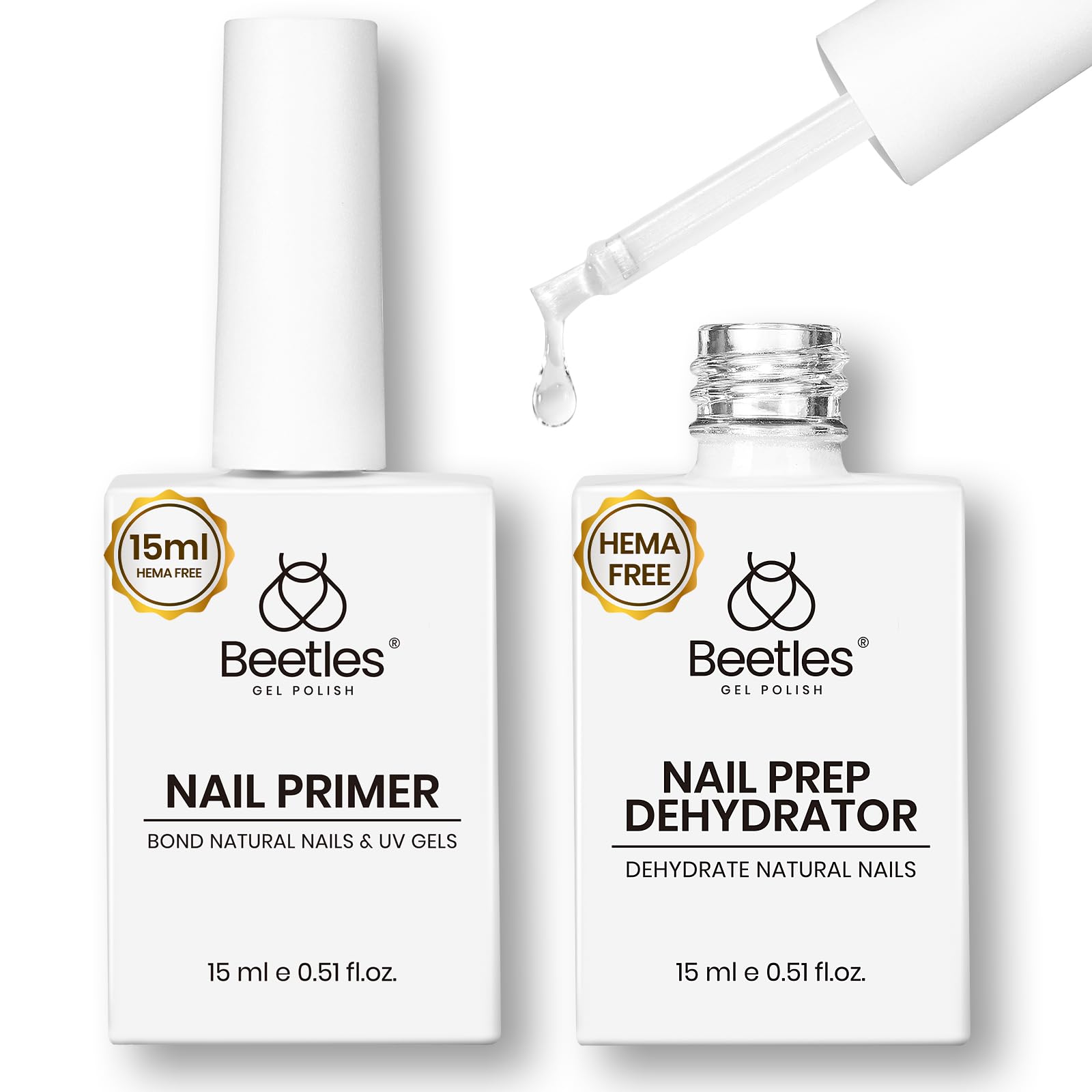
This two-bottle set offers a complete HEMA-free prep system at a price that suits both salons and home users.
Pros
- Includes both dehydrator and primer in one set
- HEMA-free formula (free of hydroxyethyl methacrylate, a common gel ingredient linked to allergic reactions in some users)
- Short-bristled brush design improves coverage
Cons
- Bottles are 15ml each, modest for daily salon use
- Some reports of inconsistent bond on very oily nails
- Not a substitute for thorough nail filing beforehand
Beetles built this set around a practical detail: a 6mm short-bristled brush that sits flush against the nail surface. That design pushes primer into the fine scratches left by filing, which helps the gel polish or acrylic penetrate more evenly.
The HEMA-free label matters to users with known sensitivities to that ingredient, though it doesn’t mean the formula is free of all possible irritants. Reviewers report solid results with both gel-x extensions and natural nail overlays, with most lifting complaints tracing back to skipped filing steps rather than the primer itself.
Modelones Nail Dehydrator and Primer

Beginners doing their own nails at home will find this set easy to use with clear, separate steps for dehydrating and priming.
Pros
- Acid-free primer reduces sting and fumes
- Two 15ml bottles offer good value for the price
- Compatible with acrylic, gel, and gel polish systems
Cons
- Primer leaves a slightly tacky finish that needs proper cure time
- A few reports of bottles arriving underfilled
- Not formulated for lash or skin contact, so care is needed near cuticles
Modelones designed this kit with DIY users in mind. The dehydrator clears away oil and water from the nail surface, while the primer creates the tacky layer that helps gel polish and acrylic grip.
That stickiness after applying primer is normal, not a defect, and it signals the bonding agent is doing its job. Reviewers who follow the prep steps closely report manicures lasting close to a month, though a couple of buyers mentioned bottles that seemed to leak or arrive partly empty. Checking the seal on arrival is a smart habit with this set.
Morovan Nail Prep Dehydrate and Primer Set

This gift-boxed dehydrator and primer duo suits anyone who wants a complete, presentable prep kit without paying salon prices.
Pros
- Acid-free primer designed to be less harsh than traditional formulas
- Comes packaged in a gift box, useful for beginners starting out
- Compatible with acrylic, gel, and liquid systems
Cons
- A few reviewers noted the dehydrator dried out early in the bottle
- 0.5oz total volume across two bottles is modest for salon use
- Occasional shipping damage reported with leaking bottles
Morovan’s set follows the standard two-step formula: dehydrate first to clear oil, then prime to create a stronger bond. The acid-free primer works similarly to double-sided tape, gripping both the natural nail and the applied product.
Feedback on wear time is largely positive, with several users reporting no gaps or lifting when paired with polygel or builder gel systems. The packaging appeals to those buying a first prep kit or a gift for someone starting their nail care routine, though frequent professional use will burn through the smaller bottles fast.
Born Pretty Nail Prep Dehydrate and Primer

This set works well for anyone who wants a no-lamp-needed prep routine that dries fast and skips harsh acid odors.
Pros
- Acid-free primer designed to reduce burning sensation
- No UV or LED lamp required to set the primer
- Clearly labeled bottles distinguish dehydrator from primer
Cons
- Smaller brand with fewer independent reviews to reference
- 15ml size may run out quickly with regular use
- Best suited to users already familiar with two-step prep
Born Pretty separates dehydrator and primer into clearly marked bottles, a transparent one for dehydrating and a brown one for bonding. That distinction helps avoid mix-ups during application, which matters since the two products serve different purposes.
The primer is designed to work without a curing lamp, drying through air exposure instead. That makes it convenient for quick touch-ups or fills where setting up a lamp isn’t practical. Since it’s a smaller brand, buyers should treat manufacturer claims about “no burn” formulas as a a design goal rather than a guarantee for every skin type.
Saviland Nail Dehydrator and Primer

This budget-friendly set is a solid pick for casual users who want a simple two-step prep without investing in salon-sized bottles.
Pros
- Acid-free bonding agent reduces irritation risk
- Dries in 30 to 60 seconds without a lamp
- Compatible with natural, UV gel, false, and acrylic nails
Cons
- Smaller bottle sizes suit occasional rather than frequent use
- Fewer verified reviews compared to bigger brands
- Requires proper filing beforehand for the bond to hold
Saviland markets this set as gift-ready, and the packaging reflects that with a compact presentation box. Beneath the packaging, the formula follows the familiar dehydrate-then-bond structure most acrylic and gel systems rely on.
The quick 30 to 60 second dry time is a practical plus for anyone doing nails without professional equipment. Since specific product claims here aren’t backed by a large volume of independent reviews, first-time buyers should treat this as a reasonable budget option rather than a guaranteed top performer.
V Beauty Pure Nail Dehydrator
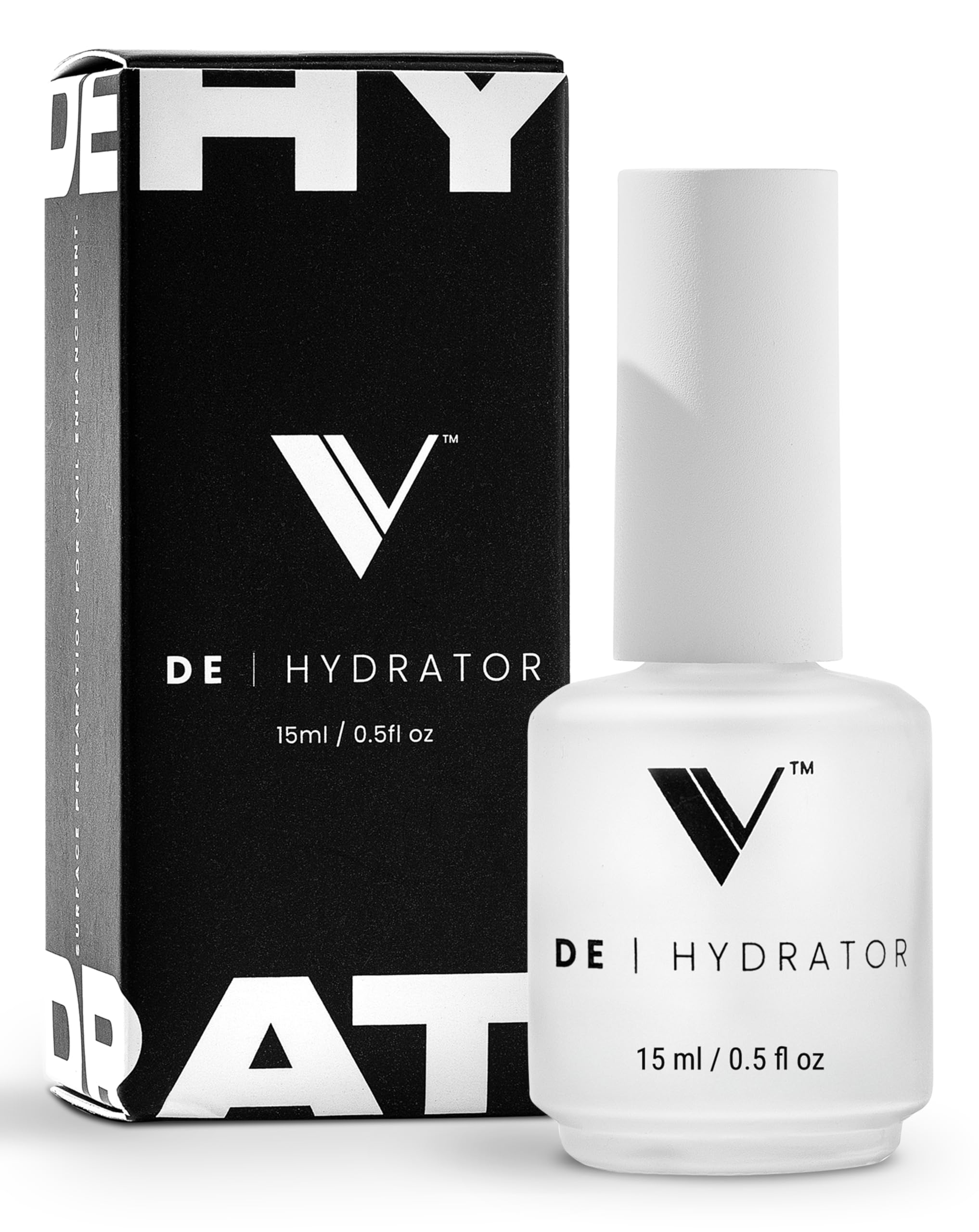
This standalone dehydrator suits users who want a dye-free, fragrance-free formula to pair with a primer of their choice.
Pros
- Dye-free formula reduces potential for skin sensitivity
- Works across gel, acrylic, and press-on nail systems
- Fragrance-free, a plus for those sensitive to strong odors
Cons
- Sold as a standalone dehydrator, no bundled primer
- Small pool of verified reviews to reference
- 0.5 fl oz size limits frequent professional use
V Beauty Pure keeps its formula focused on one function: clearing oil, moisture, and debris from the nail plate. The company markets it as gentle enough for sensitive skin, largely due to the dye-free formulation, though sensitivity varies enough between individuals that no dehydrator can promise zero reaction risk.
Because this is a standalone product, it needs to be paired with a primer from the same brand or elsewhere to complete the prep process. That makes it a good fit for techs who already have a bonding agent they like and just need a dependable dehydrating step.
Modelones 3-in-1 Nail Dehydrator and Primer

This single-bottle formula suits users who want dehydrating, priming, and light nail nourishment without buying three separate products.
Pros
- Combines dehydrator, primer, and nourishing oils in one bottle
- Contains squalane and jojoba oil for added nail conditioning
- Acid-free and HEMA-free formula
Cons
- Cannot be used as a standalone base coat
- Nourishing oils may slightly soften bond strength versus pure primers
- Newer product with a smaller review base
Modelones built this formula to do three things at once: clean the nail, boost stickiness for better adhesion, and add conditioning oils that support nail health. Squalane and jojoba oil are the active nourishing ingredients, chosen for their moisturizing properties without leaving residue.
That multitasking approach appeals to users focused on long-term nail health alongside enhancement wear. It’s worth noting the brand’s own guidance that this product needs to be paired with a separate base coat, since it isn’t formulated to function as one by itself.
JODSONE Nail Dehydrate and Primer Set
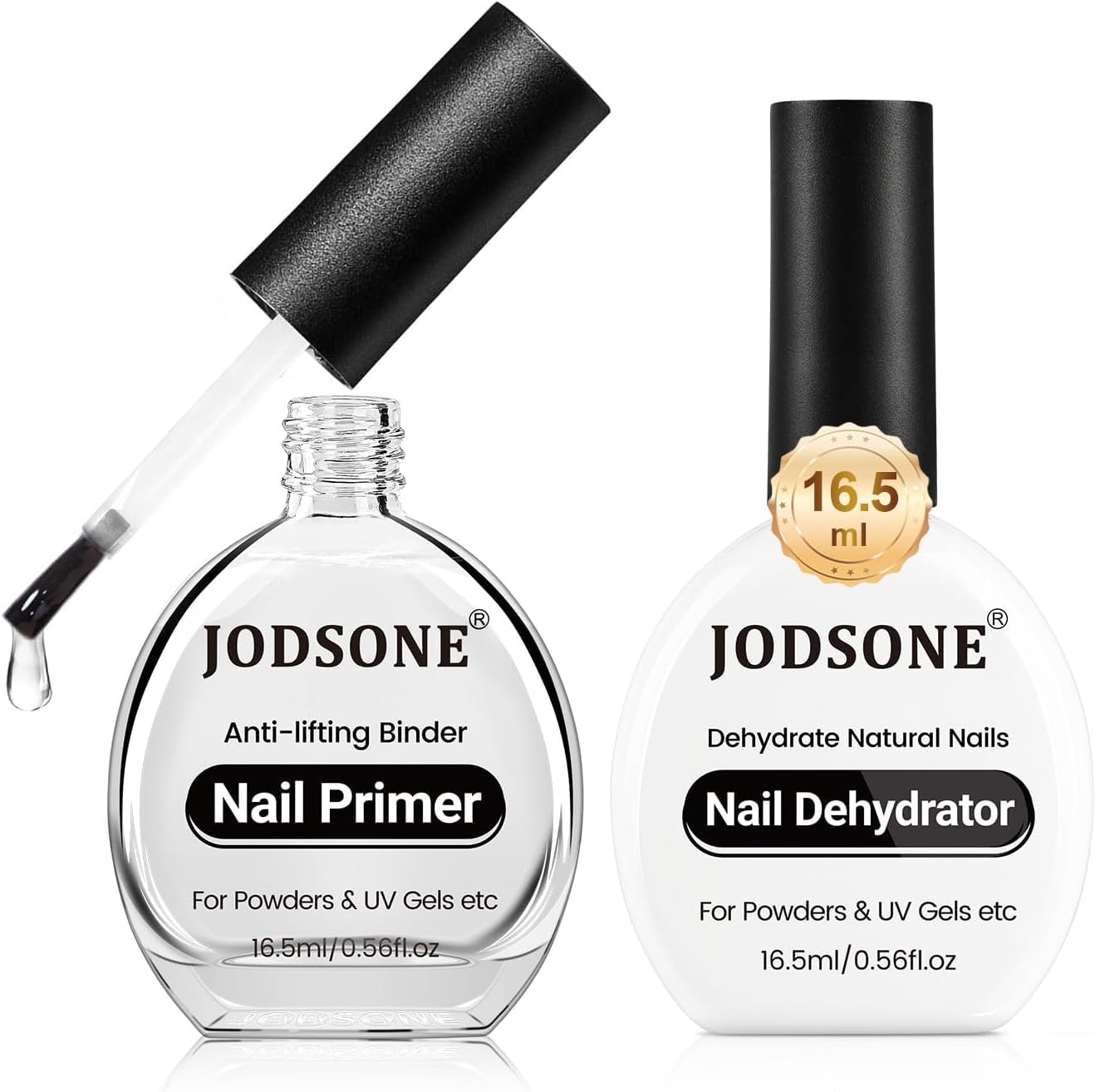
This two-bottle set offers slightly larger 16.5ml bottles, making it a reasonable pick for users who go through prep products quickly.
Pros
- Larger 16.5ml bottles compared to many competitors’ 15ml sizes
- Low odor formula designed for comfort during use
- Straightforward two-step dehydrate-and-prime process
Cons
- Smaller brand with a limited review history
- No HEMA-free or acid-free claims specified in labeling
- Best suited to users already comfortable with primer application
JODSONE’s set follows the standard order of operations: dehydrate the nail bed first, then apply primer to build the bonding layer. The slightly larger bottle sizes give this set a modest edge for users who reapply often, whether at home or in a small salon setting.
Labeling doesn’t specify HEMA-free or acid-free status, so users with known sensitivities to those ingredients should confirm compatibility before committing to regular use. For users without specific sensitivities, it functions as a reasonably priced, no-frills prep set.
Buying Guide
Choosing a nail dehydrator or primer isn’t about picking the product with the flashiest claims. It’s about matching the formula to your nail type, your enhancement system, and how often you’ll use it.
Dehydrator vs. Primer: What Each One Does
A dehydrator removes surface oil and moisture from the nail plate. Think of it as a cleaning step that leaves the nail ready to accept product. A primer, applied after, creates a tackier surface that helps gel, acrylic, or gel polish grip the nail.
Some products combine both functions into one bottle. Others sell them separately, which gives more control over each step but requires two purchases instead of one.
| Feature | Standalone Dehydrator | Two-in-One Primer/Dehydrator | Bonding-Only Primer |
|---|---|---|---|
| Function | Removes oil and moisture only | Cleans and bonds in one step | Bonds only, no dehydrating |
| Best for | Pairing with a separate primer | Simplified prep routines | Users with a trusted dehydrator already |
| Learning curve | Low | Low | Moderate |
Acid-Free vs. Non-Acidic Formulas
Acid-free and non-acidic labels both describe primers designed to reduce the burning sensation and fumes associated with older acid-based bonding agents. They aren’t identical claims, though the terms are often used loosely by manufacturers.
A non-acidic bonding agent, like a protein bond formula, works by attaching to the nail’s keratin structure rather than using acid to etch the surface. Acid-free primers avoid harsh acids but may still contain other bonding chemicals. Neither term means the product carries zero irritation risk for every user.
Understanding HEMA-Free Labeling
HEMA (hydroxyethyl methacrylate) is a common ingredient in gel systems that some users develop allergic sensitivities to over repeated exposure. A HEMA-free label means the formula avoids that specific ingredient, which matters for users with a known sensitivity or allergy.
It doesn’t mean the product is free of all potential allergens. Anyone with sensitive skin should patch test a new primer or dehydrator before full application, regardless of what the label claims.
Bottle Size and Use Frequency
Bottle sizes across this category typically range from 0.25 oz to 0.5 oz per bottle. Occasional at-home users can get by with smaller bottles for months. Salon professionals or anyone doing nails weekly will burn through small bottles faster and may want to compare cost per ounce rather than sticker price.
Realistic Expectations for Retention
No dehydrator or primer guarantees zero lifting. Proper nail filing, correct primer application (thin, even coats), and full curing under the right lamp type all play a role in how long an enhancement lasts. Prep products improve the odds of a clean bond, but they work alongside good technique, not instead of it.
Conclusion
Strong nail retention starts with clean, properly dehydrated nails and a primer suited to the enhancement system being used. Acid-free and non-acidic formulas have made that prep step gentler than it used to be, though no product removes the need for careful filing and full curing.
Home users doing occasional gel manicures can get reliable results from a simple two-in-one set, while salon professionals or frequent DIYers may prefer separating the dehydrating and bonding steps for more control. Checking for HEMA-free or acid-free labeling matters most for anyone with known sensitivities, though patch testing remains the safest way to confirm compatibility with a new product.
Whichever set you choose from this list, pairing it with correct nail prep and full cure times gives artificial nails their best shot at lasting several weeks without lifting or peeling.
FAQs
Do I need both a dehydrator and a primer, or can I use just one? Most enhancement systems perform best with both steps. The dehydrator clears oil and moisture, while the primer builds a bonding layer. Two-in-one products combine both functions, but separate products can offer more precise application for professional use.
What does “acid-free” mean on a nail primer label? It means the formula avoids the corrosive acids found in older-style primers, which reduces burning sensations and strong fumes. Acid-free doesn’t mean the product is free of all potential irritants, so patch testing is still worthwhile for sensitive skin.
Is HEMA-free the same as hypoallergenic? No. HEMA-free means the formula avoids hydroxyethyl methacrylate, an ingredient linked to allergic reactions in some regular gel users. Other ingredients in the formula could still cause a reaction in certain individuals.
Why did my gel polish or acrylic still lift even after using a dehydrator and primer? Lifting usually points to a prep or technique issue, like insufficient filing, oils left on the nail, product applied too close to the cuticle, or incomplete curing under the lamp. Dehydrators and primers improve adhesion, but they can’t replace correct application steps.
How long does an opened bottle of nail dehydrator or primer last? Most formulas hold up for several months once opened, as long as the cap is sealed tightly after each use. Exposure to air can cause the dehydrator or primer to evaporate or thicken over time, which is why some reviewers report bottles drying out faster than expected.

