
Why Is My Nail Polish Not Drying? A Practical Guide to Faster, Safer Drying

If your manicure still feels sticky long after you painted it, the problem is usually not “bad luck.” In most cases, nail polish is staying wet because one of three things is happening: the coats are too thick, the environment is slowing evaporation, or the formula itself is working against you.
The good news is that you can usually fix the issue without starting over. The key is to figure out whether your polish is only surface-dry or still soft underneath. That distinction tells you whether you should wait, rescue, or restart.
Why Nail Polish Isn’t Drying Properly
The most common cause is simple: too much polish at once. Thick coats trap solvents inside the layers, so the outside may look set while the center stays soft for much longer. That is why a manicure can seem fine for 20 minutes, then dent the moment you put on a sock or reach for your phone.
A second common issue is application technique. If the nail surface is greasy, dusty, or uneven, polish may not spread and adhere evenly. That can make drying feel slower because the coat is sitting on the nail in patches rather than leveling smoothly. A base coat helps create a more reliable surface, and skipping it can make polish slip or smudge more easily.
The third factor is environment. High humidity slows evaporation, and poor airflow makes the problem worse because the solvent-rich air around the nail lingers instead of moving away. Very warm air is not usually the main issue by itself, but heat combined with humidity or still air can make polish set unevenly. A dry, well-ventilated room is usually a better choice than a steamy bathroom. Manucurist’s drying guide explains this clearly.
If your bottle is old, thickened, or streaky, that can also work against you. A polish that is difficult to use is more likely to apply in heavy, uneven layers, which makes drying less predictable.
How Long Nail Polish Should Take to Dry
There is no single exact drying time for every polish, but there are useful expectations.
For regular polish, a thin coat may feel surface-dry in about 10 to 20 minutes, while a second thin coat often needs another 15 to 30 minutes before it is ready for the next step. Even then, the manicure may still be soft underneath for longer, so “looks dry” is not the same as “safe to use normally.”
For quick-dry polish or quick-dry top coat systems, the surface usually sets faster, often within a few minutes, but the manicure still benefits from thin coats and some extra time before heavy use.
A practical rule: if the polish still looks extra glossy or almost wet under natural or overhead light, it probably is not fully dry yet. You can use that visual cue before testing with your fingertips. See ella+mila’s drying tips.
The most important distinction is this:
- Surface-dry means the top layer feels set enough not to smudge with the lightest touch.
- Dry to the touch means you can lightly touch the surface without leaving an obvious mark, but the polish may still dent with pressure.
- Fully dry or fully cured means the polish has hardened enough for normal use without dents, pressure marks, or edge wear.
A simple test: very lightly touch the side of one nail with a fingertip. If it feels tacky, it is not ready. If it feels smooth but still dents easily, it is only dry on top. If it resists light pressure and does not mark, it is much closer to fully dry.
What You Need Before You Try to Fix It
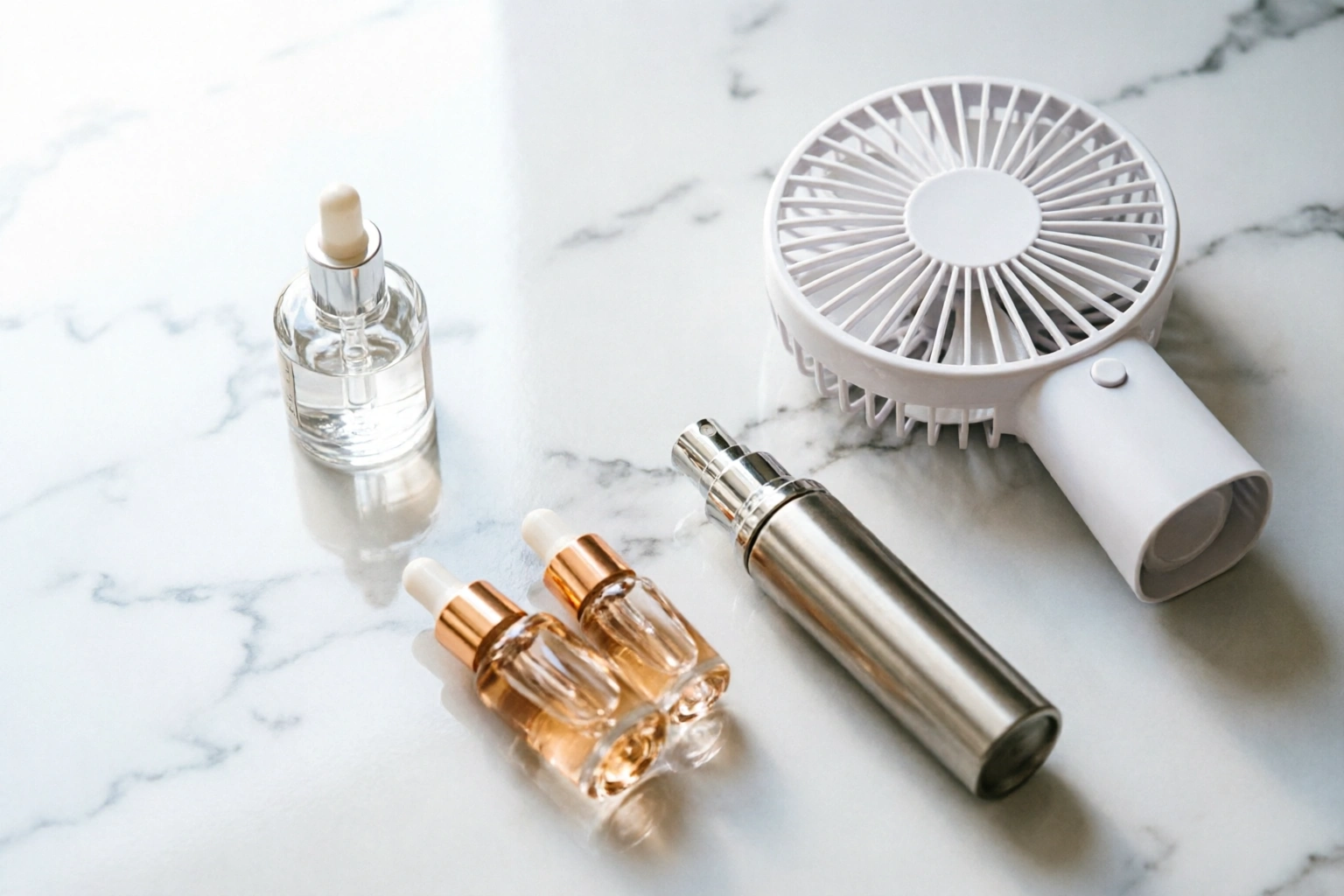
Gather the tools that actually help, not just the ones that sound helpful.
- Quick-dry top coat: useful when the color is already applied in thin layers and you want to lock the surface faster.
- Drying drops: best when the manicure is mostly set and only lightly tacky.
- Drying spray: convenient for multiple nails at once, though it can be less precise.
- Fan or gentle airflow: helps solvent evaporation without touching the manicure.
- Clean-up brush and remover: useful if the edges are messy and you need to tidy before the polish sets.
- Fresh polish remover or acetone: only for rescue work or cleanup, not for soaking a fresh manicure.
If your main problem is a heavy, tacky layer, a drying product can help but will not fully compensate for application that was too thick. That is the trade-off: drying aids are support tools, not a substitute for thin coats.
Step-by-Step: How to Make Nail Polish Dry Faster
1) Stop adding more polish
If the manicure is already wet and tacky, adding another coat usually makes the problem worse. More product means more solvent to evaporate.
2) Move to a dry, ventilated space
A bathroom after a shower is one of the worst places for a fresh manicure. Move to a cooler, drier room with airflow. You want evaporation to happen steadily, not in a humid pocket of air.
3) Use gentle airflow, not hot air
A fan can help because it moves solvent-rich air away from the nail surface. Keep it gentle. Strong heat is not the answer, and blowing hard directly on the nails can disturb the polish before it levels.
4) Apply a quick-dry top coat if the surface is already even
This works best when the color layer is thin and smooth. A quick-dry top coat can help seal the manicure and speed the top layer’s set time. It is less effective if the color underneath is overloaded.
5) Try drying drops or spray for light tackiness
If the manicure is mostly set but still slightly sticky, drying drops or spray can help finish the job. Use them as directed and give the polish time after application. They are meant to support evaporation, not replace it.
6) Leave the manicure alone longer than you think
This is the least glamorous step, but it matters. A manicure can seem “fine” and still dent easily. If you have already applied thick coats, patience is the safest rescue tool.
For more drying strategies, see our guide to drying nail polish faster and how to make nail polish dry quickly.
How to Tell Whether the Polish Is Surface-Dry or Fully Dry
Use sight first, touch second.
A nail that still looks very glossy under light is usually not fully dry. A more settled manicure has a smoother, softer sheen rather than a “wet” shine. That visual check is helpful because touch testing too early is how dents happen.
If you do test, use the lightest possible contact on the side of the nail, not the center. Pressing the center can leave a mark even when the top seems dry. If the surface feels tacky, stop and give it more time.
A useful decision rule:
– If the nail smears or drags, it is still too wet.
– If it leaves a fingerprint or dent, it is dry on top but soft underneath.
– If it feels smooth and resists light pressure, you are closer to fully dry.
Common Mistakes That Keep Nail Polish Wet
Thick coats
This is the biggest one. Thick coats look efficient because they cover faster, but they often dry slower and less evenly. Thin coats take longer to build coverage, yet they usually dry more reliably.
Rushing between coats
If you apply the next coat too soon, you trap solvent under the upper layer. That creates the classic “dry on top, soft underneath” problem.
Skipping base coat
A base coat helps polish adhere. Without it, color can slide around more easily and feel less stable while drying.
Painting in the wrong room
High humidity, poor ventilation, or extreme temperatures can all slow the process. A humid bathroom is especially unhelpful.
Using old polish
If the bottle is thickened or hard to use, the polish may go on too heavy from the start. That can make drying frustrating no matter how carefully you apply it.
Troubleshooting by Symptom
If the polish feels tacky for hours
Check the coat thickness first. If you used heavy layers, the problem is probably inside the manicure, not just on the surface. A drying top coat may help a little, but the real fix is usually thinner application next time.
If the top looks dry but dents appear later
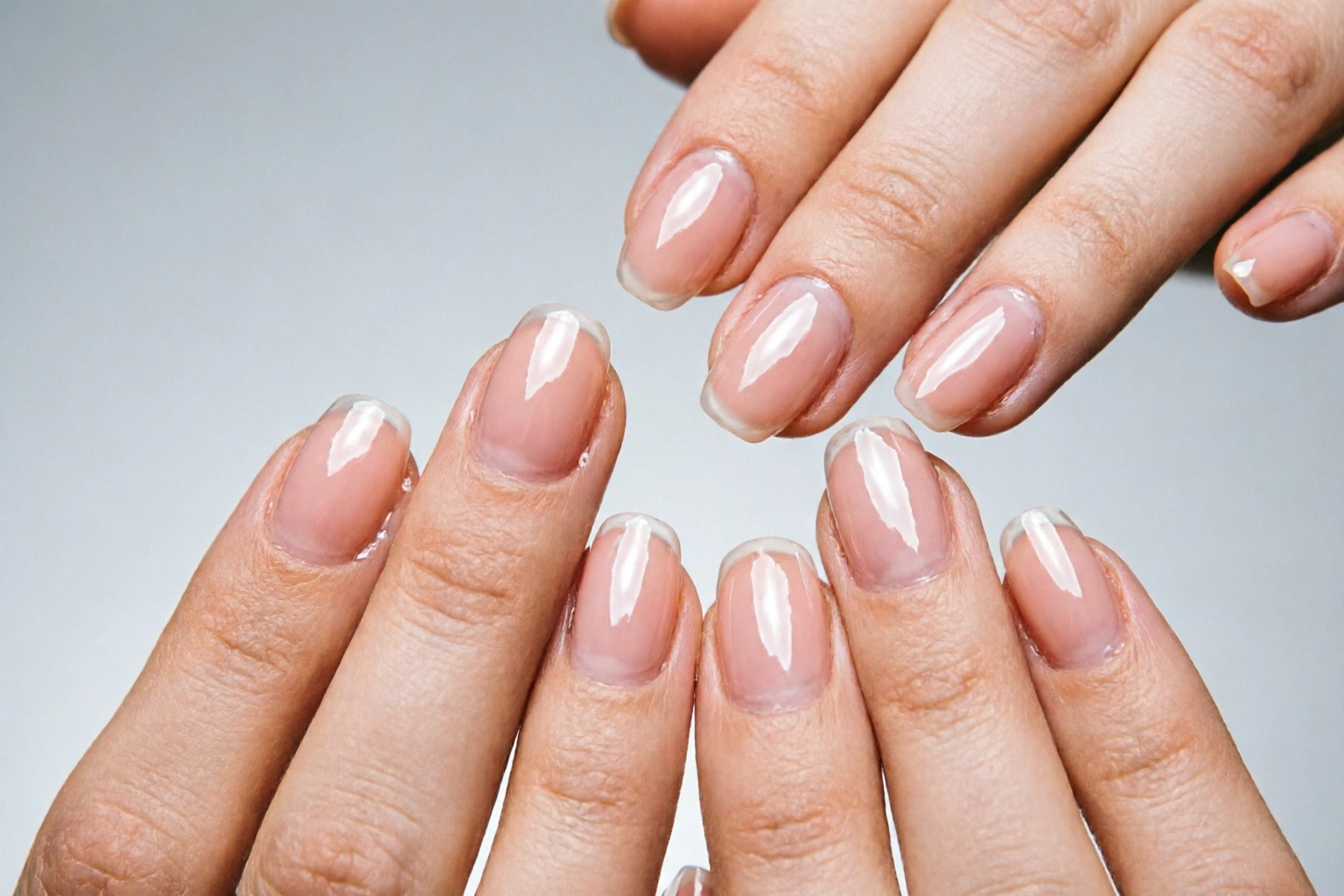
That usually means the outer layer set before the lower layers did. Give it more time, avoid pressure, and do not assume it is ready just because it no longer feels sticky.
If the manicure smudged lightly
A very light smudge can sometimes be smoothed with a fresh top coat, but only if the polish has not been deeply disturbed. If the smudge is obvious or the nail surface has shifted, restarting is usually cleaner.
If the polish never seems to harden
Look at the bottle. Old or difficult-to-use polish is a common culprit. If the product itself is fighting you every time, replacing it is often faster than trying to rescue it repeatedly. Nail Polish Direct also notes that thick coats can keep polish tacky for hours.
If you are using gel polish
Gel is a different system and depends on proper curing, not ordinary air drying. If a gel manicure stays sticky, the issue may be cure time, product thickness, or lamp compatibility. Young Nails has a useful overview of common curing problems in its gel polish curing guide.
Quick Rescue Options for a Smudged or Dented Manicure
A manicure that is only lightly marked can sometimes be saved. A manicure that is deeply dented usually cannot.
Use this step-by-step approach:
- Stop touching the nail. More handling usually makes the mark worse.
- Check the damage. If it is only a faint surface smudge, you may be able to smooth it.
- If the polish is mostly intact, apply one thin top coat. Let the brush glide lightly; do not scrub the surface.
- If there is a small dent, let the nail sit longer before trying to cover it. Adding more product too soon can trap the dent underneath.
- If the smudge is raised, wrinkled, or obvious, restart the nail. That is usually cleaner than layering more polish over damaged color.
If you add more polish to hide a dent while the base is still soft, you usually trap the problem instead of fixing it. That is why “repairing” too soon often creates a thicker, slower-drying manicure.
How to Prevent Slow-Drying Polish Next Time
The best prevention is boring but effective: thinner coats, cleaner prep, and more patience between layers.
Before painting, make sure the nail surface is clean and grease-free. That helps polish spread evenly and reduces the chance of patchy application. Then apply color in thin coats rather than trying to get full coverage in one pass. If the first coat looks sheer, that is normal. Sheer is better than swampy.
Give each coat enough time to settle before the next one. If you want a more detailed breakdown of timing, our guide on how long to wait between coats of nail polish and this related timing guide can help you plan the process better.
Also, pay attention to the room. A dry, ventilated space is better than a humid one, and moderate temperature usually performs better than extremes. If your bathroom is steamy, move the manicure somewhere calmer before it sets.
For readers comparing product types, quick-dry formulas and quick-dry top coats are worth trying if speed matters regularly. Regular polish is often more forgiving in application, but quick-dry systems reduce the waiting period when used correctly. The trade-off is that quick-dry products still need thin, even layers to perform well.
When to Ask a Nail Technician
Ask a nail technician if your polish repeatedly stays soft no matter how carefully you apply it, or if your manicure keeps wrinkling, lifting, or denting in the same way every time. That can mean the issue is your product choice, your application method, or something specific about how the layers are being built.
A technician can also help if you are unsure whether you are dealing with ordinary polish, a gel system, or a formula that needs a different approach entirely.
FAQ
Why does my nail polish feel dry on top but soft underneath?
That usually happens when the top layer sets before the inner layers finish evaporating. Thick coats and rushed layering are the most common reasons.
Can humidity really slow nail polish drying?
Yes. High humidity can slow evaporation and leave polish tacky longer, especially in a closed or steamy room.
Is a fan better than air drying?
A gentle fan can help because it improves airflow. It is better than standing in still air, but it will not fully fix a manicure that was applied too thickly.
Should I use drying drops or a quick-dry top coat?
If the manicure is already smooth and mostly even, either can help. A quick-dry top coat is better for sealing the finished look, while drying drops are useful when you want a lighter-touch rescue.
How do I know if I should restart the manicure?
If the polish is deeply smudged, wrinkled, or dented, restarting is usually faster than trying to disguise the damage. If the mark is very light, a careful top-coat rescue may be enough.
Does old polish dry slower?
It can. If the bottle is thick or hard to use, it often goes on in heavier layers and dries less predictably.
How can I stop this from happening again?
Use thinner coats, wait between layers, paint in a dry room, and choose a faster-drying formula if you are often short on time.

