Classical guitarists rely on their nails to shape tone, control attack, and bring out overtones that make the instrument sing. Nail files let players refine nail length, edge shape, and smoothness without grinding away too much keratin, so they get consistent tone and quicker repairs during practice or gigs. A good nail file balances grit and control so you can shape the nail precisely without chipping or thinning the tip. When choosing a file, pay attention to grit level, file material, ergonomics, and how gentle it is on the nail’s tip. Coarse grits remove length fast but can cause rough…
Author: Ella Hart
Dip powder nails give a long-lasting, chip-resistant finish by bonding colored powder to a base and sealing it with activator and topcoat. The system needs a good nail file to shape the enhancement, remove bulk, and smooth edges without lifting the dip from the natural nail. A proper file saves time, keeps the dip intact, and helps the manicure last longer. When choosing a file for dip powder, grit, shape, and durability matter most. Lower grits (80–100) remove product fast but can be too aggressive; medium grits (180–240) refine shape without damage; and higher grits (320+) finish and smooth. File…
Trimming a dog’s nails keeps paws healthy and helps prevent pain from overgrown nails. Nail files for dogs, including emery boards, diamond files, and rotary buffers, let us smooth sharp edges after clipping or gradually shorten nails without loud clipping. They also reduce the risk of splitting and bleeding when used correctly and can calm dogs who fear nail clippers. When choosing a dog nail file, pay attention to grit level, power source (manual or electric), noise and vibration, safety guards, and handle comfort. The most important thing is picking a file that matches your dog’s nail thickness and your…
Fake nails let you change shape, length, and color fast without long-term commitment. They include acrylics, gels, and press-ons, and each type needs a file that shapes without chipping or tearing. The right nail file smooths edges, refines the tip, and helps blend the fake nail into the natural nail for a cleaner look. The key things to watch for are grit, material, and shape: lower grit (80–100) removes bulk, medium grit (180–240) refines edges, and higher grit (240+) finishes; glass, crystal, and fine metal files are gentle on press-ons, while coarse emery boards work for acrylic and gel but…
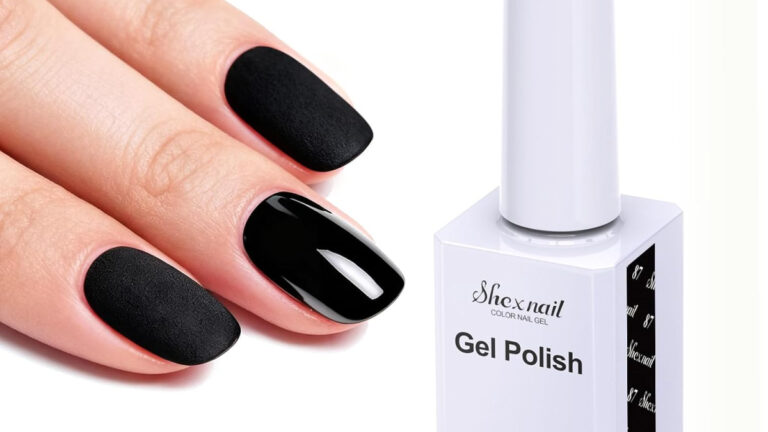
Gel nails give a long-lasting, shiny finish that many people prefer over regular polish. Filing is a key step in shaping and thinning both natural nail edges and hardened gel layers without causing cracks or lifting. A good nail file for gel nails should smooth the surface, refine the shape, and remove any sticky residue left after curing. Choose files with the right grit, a sturdy core, and an appropriate shape for your nail type and method—lower grits (80–180) for shortening or removing gel, medium grits (180–240) for refining shape, and higher grits (240+) for finishing and smoothing. Material matters…
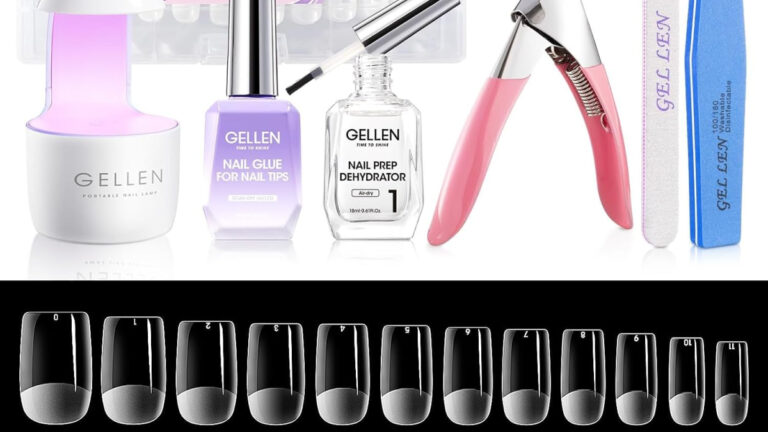
Gel X nails give a smooth, durable look that lasts longer than regular polish and lets you shape longer, natural-looking extensions. Gel X systems use soft, pre-shaped tips and builder gel to create a strong bond without heavy filing of the natural nail, so the right nail file helps you shape, thin, and finish the product without damaging the enhancement or your nail bed. A good file for Gel X should balance grit and flexibility so it removes bulk efficiently while leaving a clean edge that won’t lift the gel or stress the natural nail. When choosing a file, pay…
Nail files are a small but important tool for guitarists. They shape and refine the tips of fingernails so players can control tone, attack, and comfort while playing. For many fingerstyle and classical players, the right file helps create a consistent nail edge that produces a clear, even sound and reduces snags on the strings. Choosing the right nail file means paying attention to grit, shape, and material. Grit affects how quickly you remove nail—coarser grits remove more but can splinter; finer grits polish the edge. Shape matters for fitting the curve of your nail and for reach on the…
Hard nails break, split, and chip more easily than softer nails, so choosing the right file can save time and keep nails healthy. Nail files for hard nails are usually stiffer and have coarser grits or reinforced edges to reshape and thin without tearing layers. They come in metal, glass, ceramic, and multi-grit emery options, each giving a different balance of durability and gentleness. When buying a file for hard nails, focus on grit level, material, and edge strength — coarser grits remove thickness faster, while glass or ceramic files finish smooth without splitting. A good file will remove bulk…
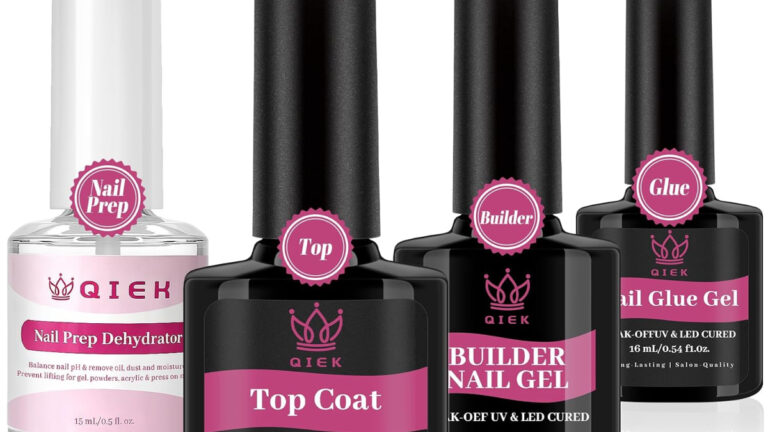
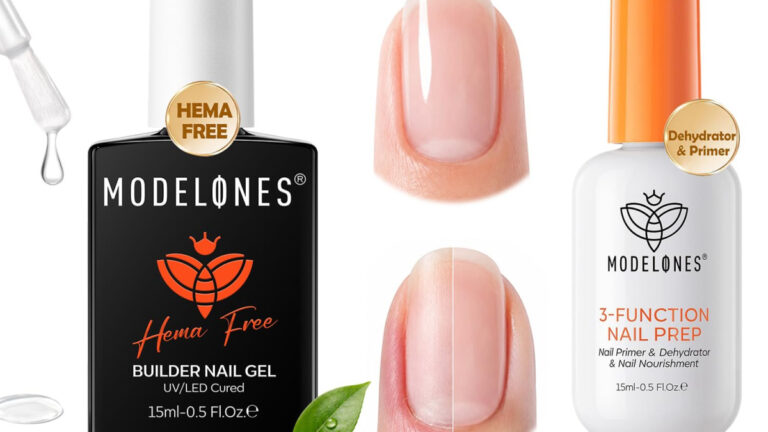
Builder gel gives nails extra strength and a smooth shape while lasting longer than regular polish. Many people choose builder gel to fill, extend, or reinforce natural nails at home or in salons because it creates a hard, sculpted layer that resists chipping and lifts less than standard gels. Nail files for builder gel serve a different job than regular files: they must shape a tough surface without causing cracks, over-thinning, or heat spikes during filing. Choosing the right file means balancing grit, shape, and durability for safe, consistent results. Coarse grits remove product faster but risk scratching or overheating…
Foot files and foot nail files make trimming and shaping toenails simpler and safer than scissors or clippers alone. Toenail-specific files usually have a coarser grit or a curved shape to reach thick, stubborn nails and reduce splitting. We focus on easy-to-use tools that help keep nails neat, prevent ingrown edges, and work well on both natural and thickened toenails. When choosing a foot nail file, grit, shape, and durability matter most—coarse grits remove length faster, finer grits smooth edges, and a curved or angled file follows the toenail’s shape for safer results. We tested different grits and shapes to…
Acrylic nails give a long-lasting, polished look that many people prefer over natural nails. They need regular shaping and smoothing to stay neat, and the right nail file makes that work quicker and safer. We focus on files made for acrylics—coarse grits for shaping, finer grits for smoothing, and durable materials that hold up to repeated use. The most important things to watch for are grit level, file shape and durability, and whether the file dusts or clogs easily. A file with the right grit and a sturdy edge helps you shape acrylics without tearing or overheating the nail, so…
Nail files help shape and smooth nails, and the right one can make a big difference for people with brittle nails. Brittle nails chip and split easily because they are thin, dry, or layered, so a gentle, precise file prevents further damage while giving a clean edge. We focus on tools that remove less material, reduce snagging, and finish edges smoothly so nails stay stronger after filing. When choosing a file for brittle nails, pay attention to grit, material, and edge type. Fine grits (240 and up) and glass or ceramic files are usually gentler than coarse emery boards, and…
Nail files help shape and refine nails, and for BIAB (Builder In A Bottle) nails they play an even bigger role. BIAB creates thicker, stronger nails than regular polish, so shaping, thinning, and smoothing take more careful work. We tested different file grits and shapes to find tools that give a smooth finish without damaging the BIAB layers. When choosing a nail file for BIAB, grit, durability, and edge shape matter most. Coarse grits remove bulk faster but can split layers if used wrongly; fine grits finish and smooth without over-filing. The best BIAB files balance an efficient grit progression,…
Nail files help shape, smooth, and finish nails at home or in a salon. They come in many types—emery boards, glass files, metal files, and buffers—and each type removes nail material in a different way. For beginners, a gentle, easy-to-control file makes learning safe and quick. Choosing the right file means thinking about grit, durability, and how the file affects your natural nails. Lower grit numbers remove more nail quickly but can split or thin nails; higher grit numbers smooth and finish without damage. We tested and compared common file types to find the ones that are forgiving for new…
Baby nails grow fast and are very soft, so trimming them safely is a daily concern for many parents. Nail files for babies are gentle tools that smooth sharp edges without the risk of clipping too close to the skin. They come in different styles—soft emery boards, battery-operated buffers, and silicone rollers—each shaped to make small, curved nails easier to file without fuss. When choosing a baby nail file, safety and ease of use matter most: look for a fine-grit surface that won’t catch or tear, ergonomic shapes for steady control, and materials that are hypoallergenic and easy to clean.…