
Beetles Gel Nail Primer & Dehydrator Honest Review 2026

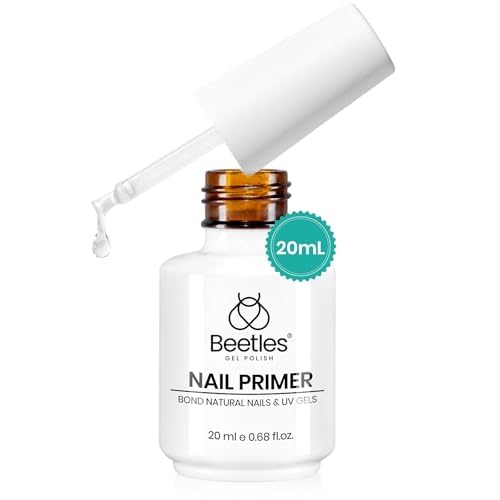
The Beetles Gel Nail Primer & Dehydrator, 20ml, Acid-Free & HEMA-Free, Strong Adhesion, Compatible with Gel Polish & Acrylic Nails is aimed at anyone who keeps dealing with early lifting, peeling, or poor retention after careful nail prep. The appeal is simple: a 20ml prep format, a short brush, and an acid-free, HEMA-free formula designed to help the next layer grip more reliably.
Quick Verdict on Beetles Nail Prep
| Overall: 4.4/5 | Performance: 4.5/5 |
| Value: 4.3/5 | Design: 4.4/5 |
✅ Best For: Gel, acrylic, builder gel, and extension users who want a simple two-step prep routine.
❌ Not Ideal For: Anyone with irritated skin, a known nail-product allergy, or a system that specifically says to skip separate primer.
Price: [confirm current Amazon price]
First Look and Setup
The first thing that stands out here is the 20ml size. Beetles also promotes a short 6mm brush on its current primer line, which should make it easier to place a thin coat near the sidewalls without soaking the skin. That matters because prep liquids work best as controlled layers, not as heavy polish coats.
The sequence is also easy to understand. Beetles’ current directions for its 20ml prep set say to complete normal nail preparation, apply dehydrator, let it air-dry, then apply primer and let that air-dry before base coat. There is no lamp step for these prep liquids. If you need the full order, this step-by-step dehydrator guide is a useful companion.
How the Prep System Performs
The strongest reason to use a dehydrator and primer is not to add another layer for the sake of it. The dehydrator is there to reduce surface oil, moisture, and light residue after filing and cleaning. The primer follows as the bonding step. Used together, they give the base coat or enhancement a cleaner surface to hold onto.
On Oily Natural Nails
Oily nail plates are where a prep duo like this makes the most sense. After shaping, gentle buffing if your system calls for it, and removing dust, a thin dehydrator layer can leave the nail looking dry and matte. That short window before oils return is when the primer should go on.
The important detail is speed and control. Do not touch the nail after dehydration. Finger contact can put oil right back on the plate, which defeats the point of the extra prep step.
With Gel Polish
For gel polish, the Beetles sequence is straightforward: prep, dehydrate, prime, then continue with the compatible base coat. The primer is marketed for gel systems as well as acrylics, builder gel, extension products, and other artificial nail applications.
That broad compatibility is useful if your manicure routine changes. Still, compatibility does not mean every brand combination will behave the same. Your gel base and lamp instructions should remain the final authority, especially if the base system has its own dedicated bonder.
With Gel Extensions
Extension users often care most about lifting around the cuticle and sidewalls. The shorter brush is a sensible design choice here because it gives better control than a long, floppy brush. You can cover the natural nail without flooding the surrounding skin.
When Prep Still Fails
If lifting continues, adding more primer is not the first thing I would do. Check for invisible cuticle on the nail plate, dust near the sidewalls, gel touching skin, thick base layers, under-curing, or an incompatible lamp. A dehydrator cannot correct those mistakes.
One thin coat is the safer approach. Extra liquid can spread onto skin and does not automatically create stronger adhesion. For a clear explanation of why the prep liquid itself normally stays out of the lamp, see whether nail dehydrator needs curing.
What Daily Use Feels Like
As part of a manicure routine, this kind of two-bottle prep adds only a short step, but it rewards being organized. Finish filing first, remove dust, keep the bottles upright, and work one hand at a time. Once the nail is dehydrated, touching your phone, hair, or skin is an easy way to contaminate it again.
The short-brush format should also make the process less messy. Wipe excess liquid on the bottle neck, use a light coat, and stay on the hard nail plate. If you tend to flood the cuticle with thin liquids, this is one area where slowing down matters more than using more product.
Formula and Brush Design
Beetles markets its current 20ml primer as acid-free and HEMA-free, while its matching prep products emphasize a gentler nail-prep approach. Those labels are useful, but they do not make any nail chemical automatically allergy-proof. Skin contact should still be avoided.
| Feature | Practical Effect |
| 20ml bottle | More product for frequent prep |
| Short brush | Better placement control |
| Air-dry steps | No lamp needed for prep |
| Acid-free / HEMA-free | Less aggressive positioning |
The best design feature is the brush, not the bottle graphics. A prep brush that can get close to the edge without dripping everywhere is genuinely useful. If you are unsure how close to work near the skin, this guide on keeping dehydrator off the cuticle explains the boundary clearly.
Drying Time and Stability
Beetles’ current instructions for its 20ml dehydrator-and-primer set specify air drying rather than curing. The listed sequence is dehydrator first, then primer, followed by base coat. The exact timing can vary by version, so use the label on the bottle you receive as the final instruction.
Cleaning and Maintenance
There is little maintenance beyond keeping the bottle neck clean and the cap tightly closed. These are volatile prep liquids, so leaving a cap loose can affect the product and creates unnecessary odor in your work area.
| Task | Best Practice |
| Bottle neck | Wipe drips before closing |
| Brush | Return cleanly to bottle |
| Storage | Cool, upright, tightly capped |
| Skin spill | Follow label directions |
Do not try to “clean” the prepared nail by wiping it after dehydration unless your specific system tells you to. The whole point is to leave the nail dry and uncontaminated before the next step. Good ventilation is also sensible whenever you work with solvent-based nail prep products.
Pros and Cons
The Beetles prep system has a practical feature set, but it is still only one part of a complete manicure routine.
| Pros | Cons |
| ✅ 20ml larger format | ❌ Not allergy-proof |
| ✅ Short brush control | ❌ Extra prep step |
| ✅ Air-dry application | ❌ Results vary |
| ✅ Wide compatibility | ❌ Amazon data unconfirmed |
Beetles vs Modelones Prep Set
A useful comparison is the Modelones HEMA-Free Nail Primer & Nail Prep Dehydrator Set. Both are two-step prep systems built around dehydration plus bonding, and both target gel and enhancement users. The biggest visible difference is capacity: the current Modelones set is sold in a 30ml format, while this Beetles product is listed at 20ml.
Modelones HEMA-Free 30ml Set
| Point | Beetles | Modelones |
| Capacity | 20ml listed | 30ml listed |
| Formula | Acid-free, HEMA-free | Acid-free, HEMA-free |
| Drying | Air-dry prep | Air-dry prep |
| Best draw | Short brush control | Larger capacity |
If you value a compact brush and already use Beetles gel products, Beetles is the simpler fit. If bottle size matters more, Modelones has the edge. For another primer style in the same topic cluster, the GAOY acid-free nail primer review gives a useful alternative perspective.
Who Should Buy It?
Buy This If:
- You get lifting on oily natural nails.
- You use gel, acrylic, builder gel, or extensions.
- You prefer an acid-free, HEMA-free prep option.
- You want a short brush for controlled placement.
Avoid This If:
- Your nail system says no separate primer.
- Your skin is irritated, cut, or reacting.
- You expect primer to fix poor curing or prep.
Long-Term Practical Value
A 20ml bottle should be useful for repeat manicures because only a thin coat is needed each time. The more important long-term factor is storage: keep the cap tight, avoid heat, and do not leave product around the bottle neck where it can interfere with the seal.
There is no honest way to promise a fixed wear time for every user. Beetles markets long-lasting adhesion, and some owner feedback supports better retention, but actual wear depends on nail oil, prep quality, product compatibility, application thickness, and curing.
Is the Extra Step Worth It?
For someone who already gets solid retention without separate prep, this may be unnecessary. For oily nails, gel extensions, or repeat lifting, a dehydrator-and-primer routine is a low-effort change that makes more sense than simply adding thicker base coat.
The value is strongest when you use it correctly: thin dehydrator, full air-dry, thin primer, then the compatible base. It adds little time and gives you a more controlled surface to work on without relying on an aggressive acid primer.
Frequently Asked Questions
These are the practical questions that matter most before adding Beetles nail prep to a regular gel or acrylic routine.
Do you use dehydrator or primer first?
Use dehydrator first, then primer when your system calls for both. Let each prep liquid air-dry according to the bottle directions before moving on.
Does Beetles nail primer need a UV lamp?
The current Beetles directions for its 20ml prep products describe air drying, not lamp curing, before base coat. Always check the exact bottle you receive in case the formula or instructions change.
Can I use this with acrylic nails?
Beetles lists its prep products as compatible with acrylics as well as gel polish, builder gel, extensions, and other artificial nail systems. Follow the acrylic system’s own prep order too.
Can nail dehydrator touch the cuticle?
It should stay on the natural nail plate rather than living skin. Use a lightly loaded brush and avoid flooding the cuticle and sidewalls.
Will primer stop all gel lifting?
No. Primer can support adhesion, but lifting can still come from poor cuticle prep, touching the nail, thick gel, skin contact, wrong curing, or incompatible products.
Verdict reminder: A sensible two-step prep option for users who want better adhesion without moving to a harsh acid primer.
Price: [confirm current Amazon price] | Amazon rating: [confirm current star rating and review count]
Check Current Price & Availability
Final Verdict
The Beetles Gel Nail Primer & Dehydrator, 20ml, Acid-Free & HEMA-Free, Strong Adhesion, Compatible with Gel Polish & Acrylic Nails makes the most sense for people who already know that retention is their weak point. The 20ml format and short-brush design are practical, and the air-dry two-step sequence is easy to fit into a normal manicure routine.
I would not treat it as a cure for every lifting problem, and I would never use “HEMA-free” as a reason to ignore skin-contact precautions. Used in a thin, controlled way and paired with a compatible base system, though, it is a sensible prep upgrade for gel, acrylic, builder gel, or extension users.

