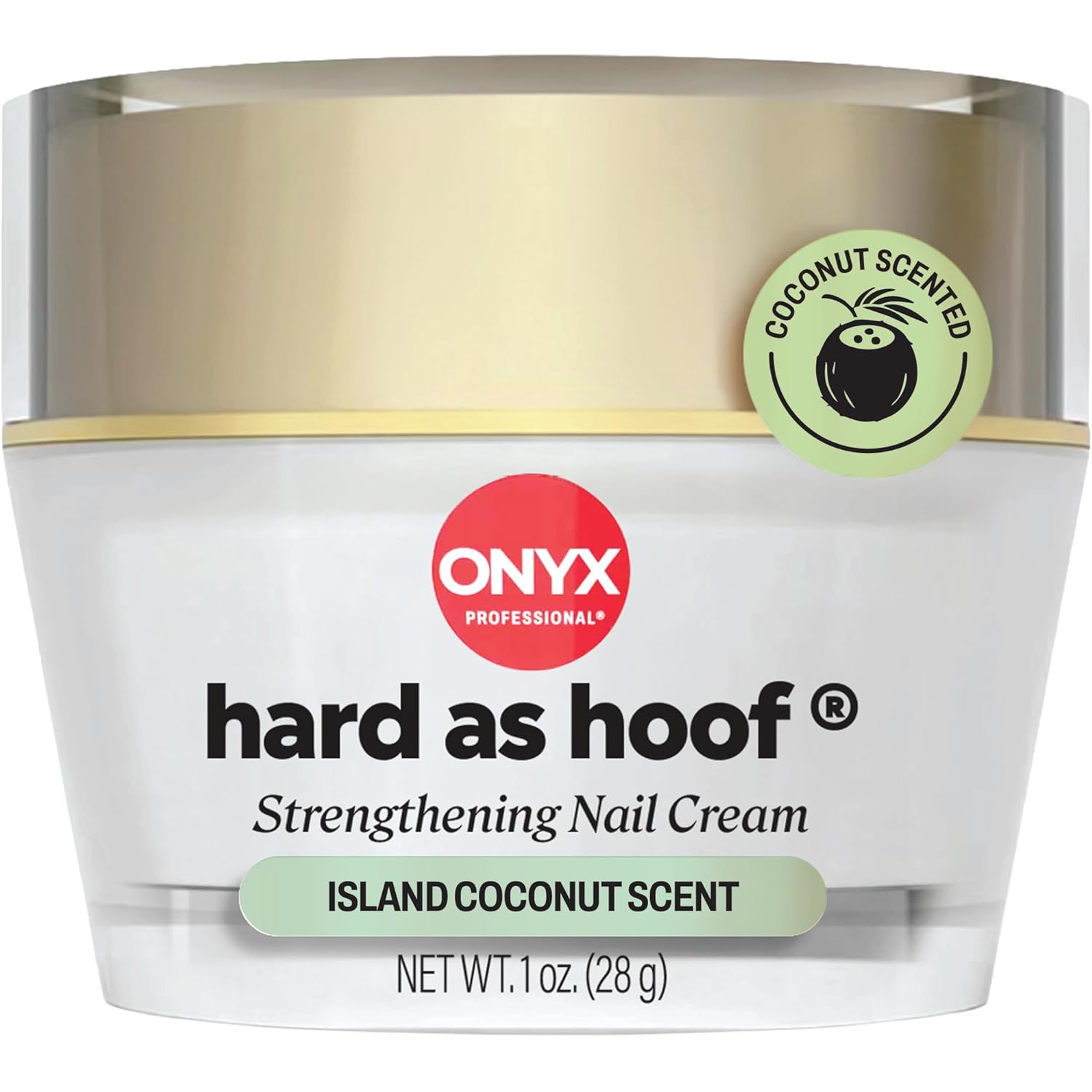
Natural nail care is the better starting point for most beginners who want healthy strong nails with low maintenance and gentle upkeep. Structured nail support fits better when nails are very fragile, break often, or need temporary protection during a busy routine.
Beginner healthy strong nails usually come down to one question: do you want to build real nail resilience with daily care, or do you want extra support from a structured service while you grow your routine? For most beginners, the best choice depends on how brittle the nails are, how much maintenance feels realistic, and how much removal stress you can safely handle.
Natural care builds strength through habits and protection, while structured services add temporary support and durability. Beginners with mild weakness often do best starting simple, while very fragile nails may need a short-term support option.
- Natural care: Best for mild weakness, lower cost variation, and long-term habit building.
- Structured support: Best for frequent breakage, extra protection, and short-term durability.
- Removal matters: Picking, peeling, and over-filing can damage the natural nail.
- Health matters: Flexibility, hydration, and smooth edges matter more than hardness alone.
Beginner Healthy Strong Nails: Direct Answer and What “Strong” Really Means in 2026

Visual guide: Beginner Healthy Strong Nails: Direct Answer and What “Strong” Really Means in 2026
“Strong” does not always mean hard or thick. In nail care, it usually means the nail plate resists splitting, peeling, bending, and breaking during normal daily use.
Healthy nails also need flexibility. Nails that feel overly rigid can snap more easily, while nails that are too soft may bend and peel faster.
Quick comparison focus: natural nail strengthening habits vs. structured nail services
Natural nail strengthening habits focus on hydration, gentle shaping, trimming, and protection from repeated stress. Structured nail services add a protective layer or extension that can reduce day-to-day breakage, but they also introduce removal and upkeep considerations.
What beginners usually mean by “healthy” and “strong” nails
Most beginners want nails that grow without peeling at the tips, splitting down the middle, or breaking when they open packages, wash dishes, or type a lot. They also want nails that look smooth and feel manageable without constant salon visits.
Why nail strength can improve or worsen depending on method, routine, and removal
Nail strength can improve when the nail plate is protected from water, impact, and rough filing. It can worsen when there is picking, over-buffing, aggressive soaking, or repeated removal that thins the surface layers.
Natural Nail Care Routine
Best for beginners who want to build healthy habits, keep nails shorter, and improve strength gradually with lower maintenance.
VS
Structured Nail Service Support
Best for beginners with frequent breakage, weak edges, or a need for extra protection during a busy or hands-on routine.
Side-by-Side Comparison: Natural Nail Care Routine vs. Nail Service Support
These two approaches can both help beginner healthy strong nails, but they do so in very different ways. One builds the nail environment over time, while the other gives the nail a stronger outer layer right away.
| Feature | Natural Nail Care Routine | Structured Nail Service Support |
|---|---|---|
| Best for | Beginners who want gradual strength, low cost variation, and simple upkeep | Beginners who need more immediate protection, shape control, or breakage resistance |
| Durability | Depends on habits and nail condition; usually improves slowly | Usually stronger at the surface, with longer wear if maintained well |
| Flexibility | High flexibility, which can help reduce snapping | Less flexible, which can help stability but may feel less natural |
| Maintenance | Daily care, gentle filing, and regular moisturizing | Fills, upkeep, or professional maintenance may be needed |
| Damage risk | Lower if done gently; higher if filing is too aggressive | Can be higher during removal or if lifting is ignored |
| Beginner effort | Easy to start, but results take consistency | Lower effort day to day, but more service-related upkeep |
How each option affects breakage, peeling, and everyday wear
Natural care tends to help peeling and breakage when the nails are kept hydrated and filed in one direction with a fine touch. It is especially useful if your nails are only mildly weak and you mainly need better habits.
Structured services can reduce everyday wear because they create a protective surface over the natural nail. That can be helpful for people whose nails chip quickly, but the nail underneath still needs careful removal and maintenance.
Time commitment, upkeep frequency, and cost variation over time
Natural care usually takes less salon time and can be done at home, but it requires consistency. The time cost is spread across daily or weekly habits rather than one appointment.
Structured support may save time in the short term because the nails look and feel more finished, but it often needs regular upkeep. Cost can vary by salon, location, nail condition, and the type of service used.
Natural care may fit beginners who want gradual improvement and fewer service layers, while structured support may fit beginners who need more immediate surface protection.
Natural care is usually easier to manage because there is nothing major to remove, while structured services can be harder if they need soaking, filing, or professional removal.
Key Differences in Nail Health Outcomes: Which Method Supports Beginners Better?
The better method depends on what problem you are trying to solve. If the nails are generally healthy but weak at the edges, natural strengthening habits may be enough. If the nails keep breaking despite careful care, a structured service can act as a temporary shield.
Natural strengthening habits: hydration, filing technique, trimming, and protection
Hydration matters because dry nails and dry surrounding skin tend to peel and split more easily. Regular cuticle oil and hand cream can help reduce brittleness, especially after washing hands or using sanitizer.
Filing technique also matters. A gentle file, smooth edges, and avoiding back-and-forth sawing can reduce tiny tears that later become breaks.
Trimming nails to a manageable length can protect beginners from snagging and impact. Gloves for cleaning or dishwashing can also reduce water exposure, which is a common cause of weak-feeling nails.
If your nails keep peeling at the corners, shorten them slightly and smooth the free edge instead of trying to grow them out all at once.
Structured nail services: added support, surface protection, and maintenance tradeoffs
Structured services can help by covering thin or fragile nails with a more protective finish. That can make daily life easier when the nails are catching on fabric, keyboard edges, or small impacts.
The tradeoff is that the nail still needs proper preparation and removal. If the service is lifted, overfilled, or peeled off, the natural nail can become thinner and more sensitive.
A stronger-looking surface is not always the same as a healthier nail underneath. Beginners should watch for comfort, flexibility, and how the nail behaves after removal.
When one method helps recovery and when it can hide underlying weakness
Natural care helps recovery when the main issue is dryness, mild splitting, or poor filing habits. It lets you see what the nail is doing without adding extra layers.
Structured support can be useful when you need a break from repeated breakage, but it can also hide ongoing weakness. If a nail keeps failing under a service, the issue may be the nail condition, daily stress, or improper removal rather than the surface alone.
This fits beginners who want to improve nail health with hydration, careful shaping, and consistent protection without adding service upkeep.
This fits beginners who need more durability for daily wear and are comfortable with maintenance and careful removal.
Best-For Situations: Choosing Based on Nail Condition, Lifestyle, and Skill Level
Beginner healthy strong nails are easier to build when the method matches your real life. A low-maintenance routine works best if you want simplicity, while structured support works better if your nails face frequent stress.
Best for very brittle, peeling, or thin nails
Very brittle or peeling nails often benefit from gentle natural care first, especially if the problem is dryness or over-filing. If the nails are breaking before they can grow, a structured service may help temporarily, but only if removal is done carefully.
Best for hands exposed to water, cleaning, or frequent impact
If your hands are in water often or you do cleaning, lifting, or hands-on work, structured support can reduce day-to-day damage. Still, gloves and moisture care matter because the natural nail underneath can weaken if it stays exposed to repeated wet-dry cycles.
Best for beginners who want low-maintenance progress
Natural care is usually the easiest place to start for beginners who want progress without salon appointments. It is also easier to adjust if you notice dryness, peeling, or sensitivity.
Best for short-term repair versus long-term nail-strength building
Structured support is often better as a short-term bridge when you need immediate durability. Natural strengthening habits are better for long-term progress because they build a routine you can keep using even when you stop wearing a service.
Can a structured service help weak nails grow out?
It can help protect the nail while it grows, but the underlying habits still matter. If the service is removed roughly or the nail keeps lifting, the growth benefit may be limited.
Pros and Cons of Each Approach for Beginner Healthy Strong Nails
Both approaches can be useful, but neither is perfect in every situation. The key is balancing protection, upkeep, and how much stress your nails face each week.
Natural care routine: benefits, limitations, and realistic expectations
- Low maintenance and easy to start
- Supports flexibility, hydration, and healthier habits
- Usually gentler during removal because there is less to remove
- Results can be slow and depend on consistency
- May not be enough for very fragile nails
- Does not add extra surface protection
Nail service support: benefits, limitations, and upkeep demands
- Improves surface durability right away
- Can help protect nails from daily impact
- Useful for short-term repair or shape control
- Needs maintenance and careful removal
- Can cause damage if lifted or peeled
- May hide the real condition of the natural nail
Practical examples of how each option looks in everyday life
A natural care routine might look like short nails, a gentle file, daily oil, and gloves during chores. That approach is simple, affordable over time, and easy to keep up.
A structured support routine might look like a more durable overlay or enhancement, regular maintenance, and a careful removal plan. That can be helpful if you need your nails to stay protected through a busy season.
Safety, Removal, and Maintenance: Where Beginners Often Go Wrong
Many nail problems come from how services are removed or maintained, not just from the service itself. Beginners often do better when they treat removal and aftercare as part of the nail plan, not an afterthought.
Removal concerns: picking, peeling, over-filing, and aggressive soaking
Picking or peeling off a service can remove layers of the natural nail and leave it thin or sore. Over-filing can do the same, especially if the top surface is repeatedly thinned to make the service look smooth.
Aggressive soaking can also irritate the nail and surrounding skin if done too often or too roughly. If removal feels painful, stop and get help from a licensed nail tech.
Do not force off any nail enhancement if it is stuck, painful, or lifting unevenly. That can create extra damage to the nail plate.
Maintenance habits that protect the nail plate and cuticle area
Keep nails dry when possible, moisturize after washing, and avoid using nails as tools. Small habits like opening cans with an object instead of the nail edge can prevent repeated stress points.
At the cuticle area, gentle care is better than aggressive trimming. The skin around the nail helps protect the new growth coming in.
When to ask a nail tech for help or stop a service due to pain, lifting, or damage
If a service is lifting, catching, or causing pain, it is better to address it early. A professional may be able to adjust the service safely instead of letting the damage spread.
Signs the nails need a break, repair, or professional assessment
Look for deep splitting, repeated breaking in the same spot, unusual discoloration, swelling, bleeding, or tenderness. If you notice infection signs, fungus, or severe damage, contact a licensed nail tech, dermatologist, or healthcare professional.
If the nail area is painful, swollen, bleeding, or reacting badly to a product, stop the service and get professional advice before continuing.
Common Mistakes That Undermine Beginner Healthy Strong Nails
Even the right method can fail if the daily habits are working against it. Most beginner setbacks come from stress, dryness, and expecting surface hardness to equal true nail health.
Using nails as tools and creating repeated stress points
Opening packages, scraping labels, or prying lids with nails creates the same stress line over and over. That repeated pressure often leads to the exact breakage beginners are trying to avoid.
Many “random” nail breaks happen at the same weak point because the nail has been stressed there repeatedly, not because the nail is suddenly fragile.
Skipping cuticle care or over-trimming the surrounding skin
Skipping moisture can make the whole nail area feel tight and brittle. On the other hand, over-trimming cuticles or surrounding skin can irritate the area and make maintenance harder.
Confusing surface hardness with true nail health
A nail that feels hard is not always healthy. True strength includes flexibility, smooth growth, and less peeling at the edge.
Ignoring diet, hydration, and recurring peeling from daily habits
Daily habits matter because nails grow from the body, not just from the surface. If peeling keeps returning, it may be worth looking at hydration, nutrition, hand exposure, and recurring stress before changing the entire routine.
- Are the nails peeling at the free edge?
- Do the nails bend before they break?
- Are you filing too roughly?
- Are your hands exposed to water often?
- Is removal causing thinning or soreness?
Final Recommendation: The Better Starting Point for Most Beginners
For most beginners, natural strengthening should come first if the nails are only mildly weak, dry, or prone to small chips. It is the simplest way to build beginner healthy strong nails without adding removal stress.
Clear takeaway on when natural strengthening should come first
Choose natural care first when you want lower maintenance, safer removal, and a routine you can repeat long term. This is especially sensible if your nails are short, flexible, and improving with better hydration and filing.
When structured support makes sense as a temporary bridge
Structured support makes sense when your nails are breaking faster than they can recover, or when your lifestyle creates constant impact. It can be a useful bridge while you protect the nail and work on better habits underneath.
Final recap of the comparison and the most sustainable path to stronger nails
The most sustainable path is usually the one you can maintain without damaging the nail during upkeep or removal. If you need immediate protection, structured support may help for a while; if you want the simplest long-term foundation, natural care is often the better starting point.
Choose natural nail care if your nails are only mildly weak, you want low maintenance, and you prefer a gradual strength-building routine. Choose structured nail support if your nails are very fragile, your hands take daily impact, or you need a temporary protective bridge, but keep removal and maintenance gentle to protect the natural nail.
Frequently Asked Questions
Natural care is usually better if your nails are only mildly weak and you want a simple routine. Structured support can help more if your nails break often or need temporary protection.
Natural care is usually easier to maintain because it mainly relies on daily habits. Structured support may need fills, upkeep, or more careful scheduling.
Natural care is generally easier because there is less removal involved. Structured services can be harder to remove safely if they are lifted, overfilled, or peeled off.
Natural care helps when peeling or splitting is linked to dryness, rough filing, or daily stress. Structured support may help temporarily if the nails need extra surface protection.
Timing varies by nail condition, routine, and daily wear. Natural strengthening often takes longer, while structured support can improve the look and feel of durability right away.
Contact a licensed nail tech, dermatologist, or healthcare professional if you notice pain, swelling, bleeding, infection signs, fungus, or severe nail damage. Do not keep using a service that feels wrong or is causing worsening problems.